The silent hum of propellers, the whisper of jet engines cutting through the frigid night air, the almost imperceptible rustle of rotors against a treeline – these were the sonic signatures of an era defined by covert operations and the ever-present specter of global conflict. “Silent Wings: Cold War Special Operations Aviation History Unveiled” delves into the fascinating, often clandestine, world of aircraft that played a pivotal role in shaping the geopolitical landscape from the late 1940s through the early 1990s. This exploration uncovers the genesis, evolution, and critical missions of specialized aviation units that operated in the shadows, providing vital support, intelligence, and direct action for nations engaged in a protracted ideological struggle.
The Dawn of Covert Aerial Support
The genesis of special operations aviation during the Cold War was intrinsically linked to the burgeoning tensions between the United States and the Soviet Union. As the world divided into two ideological camps, the need for agile, versatile, and discreet aerial assets became paramount. Traditional air forces, designed for open warfare, were ill-suited for the nuanced demands of proxy conflicts, espionage, and counter-insurgency operations that characterized the Cold War. This paved the way for the development of aircraft and tactics that prioritized stealth, range, and the ability to operate from austere locations.
Early Innovations and Adaptations
The immediate post-World War II period saw the repurposing of existing aircraft and the rapid development of new designs tailored for clandestine missions. Aircraft like the Douglas C-47 Skytrain, a workhorse of the Second World War, found new life in dropping agents behind enemy lines and resupplying resistance movements. Its robust design and reliability made it ideal for operating in challenging environments. Alongside these adaptations, the United States, in particular, began to explore aircraft with enhanced capabilities for reconnaissance and infiltration. The development of specialized variants of existing transport and bomber aircraft, often stripped down to reduce radar signature or fitted with advanced electronic countermeasures, marked the initial steps towards a dedicated special operations aviation force. This era was characterized by improvisation and a steep learning curve, as lessons were learned on the fly through often perilous missions. The nascent capabilities were tested in various hot spots around the globe, from the jungles of Southeast Asia to the frozen wastes of the Arctic. The commitment to secrecy meant that the full extent of these early operations and the aircraft involved remained largely unknown to the public for decades.
The Strategic Imperative of Infiltration and Exfiltration
The core mission of early special operations aviation revolved around the ability to insert and extract personnel and materiel into hostile or politically sensitive territories. This required aircraft capable of operating at low altitudes, often at night, to avoid detection by radar and enemy patrols. The development of specialized navigation systems, infrared suppression technologies, and the training of highly skilled crews were crucial in achieving this objective. The success of a mission often hinged on the pilot’s ability to navigate treacherous terrain and land in small, unprepared clearings, a feat that demanded exceptional skill and courage. The exfiltration component was equally vital, ensuring that operatives could be safely withdrawn once their objectives were met, often under pressure from pursuing forces. This placed a significant burden on aircraft endurance and pilot performance, pushing the boundaries of what was considered operationally feasible. The integration of air and ground special forces, a hallmark of modern special operations, began to take shape during this period, with aviation providing the crucial link.
For those interested in the intricate details of Cold War special operations aviation history, a fascinating article can be found at In The War Room. This resource delves into the covert missions and strategic air operations that defined the era, highlighting the technological advancements and tactical innovations that shaped military engagements during this tense period. The article provides a comprehensive overview of the key players and aircraft involved, offering insights into how these operations influenced modern military strategies.
The Rise of Dedicated Special Operations Platforms
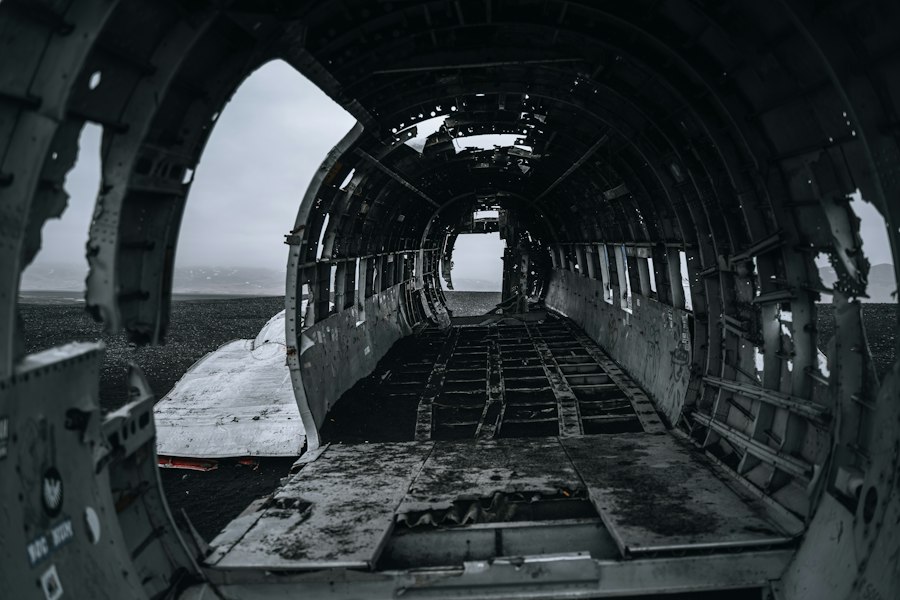
As the Cold War intensified and the sophistication of Soviet air defenses grew, the need for aircraft specifically designed for special operations became increasingly apparent. This led to the development of specialized helicopters and fixed-wing aircraft that offered enhanced performance, stealth capabilities, and specialized equipment for a wide range of clandestine tasks. These new platforms were not merely adaptations; they represented a paradigm shift in military aviation, built from the ground up with the unique demands of special operations in mind.
The Silent Service: Rotary-Wing Dominance
Helicopters, with their unique vertical take-off and landing (VTOL) capabilities, proved indispensable for special operations. Their ability to operate from confined spaces, hover, and conduct precise insertions and extractions made them ideal for jungle warfare, mountainous terrain, and urban environments. The development of specialized attack helicopters, while often associated with conventional warfare, also saw significant application in special operations, providing close air support and interdiction capabilities. However, the true stars of the covert rotary-wing world were often less armed and more focused on stealth and payload. Aircraft like the Sikorsky UH-60 Black Hawk, in its early specialized variants, and later dedicated platforms, were designed with reduced noise signatures and advanced electronic countermeasures to penetrate enemy airspace undetected. The development of night vision systems for pilots and crews further amplified their ability to operate under the cover of darkness. The training regimens for these crews were rigorous, emphasizing precision hovering, adverse weather operations, and emergency procedures. The psychological impact of these machines, often appearing and disappearing like ghosts, was as significant as their tactical advantage.
The Unseen Hand: Fixed-Wing Infiltrators and Reconnaissance
Beyond helicopters, fixed-wing aircraft also played a critical, albeit often less visible, role. Dedicated reconnaissance aircraft, equipped with advanced sensors and electronic intelligence gathering (ELINT) systems, provided crucial battlefield awareness and strategic intelligence. These aircraft, such as the Lockheed U-2 and the later SR-71 Blackbird, operated at extreme altitudes, effectively out of reach of most contemporary air defenses. While not directly involved in troop insertion, their intelligence gathering was vital for planning and executing special operations. Furthermore, specialized transport aircraft, designed for low-level penetration and short take-off and landing (STOL) capabilities, were developed to deliver specialized teams and equipment to remote or contested areas. The Fairchild C-123 Provider and later the de Havilland Canada C-7 Caribou, in their modified forms, were instrumental in this regard. These aircraft often operated from unimproved airstrips or even improvised landing zones, showcasing the versatility and adaptability of special operations aviation. The focus on reducing radar cross-section and visual signature also led to the development of specialized paint schemes and operational tactics aimed at making these aircraft harder to detect.
Missions in the Shadows: Defining Moments of Cold War Aviation
The aircraft discussed above were not mere technological marvels; they were the instruments of daring missions that, while often unheralded, had a profound impact on the course of the Cold War. From deep reconnaissance behind the Iron Curtain to covert insertions in Third World hotspots, these silent wings carried out operations that tested the limits of human endurance and technological capability.
Intelligence Gathering on the Front Lines
The procurement of vital intelligence was a cornerstone of Cold War strategy, and special operations aviation was at the forefront of this effort. High-altitude reconnaissance flights by aircraft like the U-2 provided invaluable insights into Soviet military capabilities, troop movements, and strategic installations. These missions, flown by highly trained pilots operating in extreme conditions, were fraught with peril, as evidenced by the U-2 incident involving Francis Gary Powers. The success of these missions relied not only on the aircraft’s advanced sensing equipment but also on the pilot’s ability to evade detection and return with their precious cargo of information. Beyond high-altitude platforms, lower-flying, specialized reconnaissance aircraft and helicopters equipped with sophisticated SIGINT (Signals Intelligence) equipment, operated closer to the front lines, monitoring enemy communications and electronic emissions. This real-time intelligence was critical for tactical decision-making and the overall strategic posture of the Western alliance. The development of miniaturized sensors and covert listening devices that could be delivered by these aircraft further enhanced their intelligence-gathering capabilities.
The Elusive Art of Infiltration and Exfiltration
The ability to insert and extract special operations forces undetected was a recurring theme throughout the Cold War. In Southeast Asia, during the Vietnam War and its preceding conflicts, helicopters like the UH-1 Iroquois (Huey), in their specialized variants, were frequently employed for “slicks” and “gunships” that inserted and extracted Special Forces teams from the dense jungle. The inherent dangers of operating in such environments, with unpredictable weather, hostile fire, and the ever-present threat of ambush, demanded exceptional piloting skills and aircraft reliability. The successful completion of these missions often meant navigating dense foliage, landing in small clearings under heavy fire, and rapidly extracting personnel under duress. The development of specialized training programs that focused on night operations, adverse weather, and combat insertion techniques was crucial for the success of these operations. Later in the Cold War, with the advent of more advanced stealth technology, fixed-wing aircraft and more sophisticated helicopters were utilized for even deeper penetrations into enemy territory, often for specific intelligence-gathering or sabotage missions where a low probability of detection was paramount. The psychological impact of these silent, unseen insertions on enemy forces was also a significant factor.
Support for Resistance Movements and Deniable Operations
Beyond direct combat or reconnaissance, special operations aviation played a vital role in supporting allied resistance movements and conducting deniable operations in politically sensitive regions. Aircraft delivered supplies, weapons, and advisors to anti-communist groups operating behind the Iron Curtain or in proxy war zones. These missions were often executed under extreme secrecy, with aircraft operating from clandestine airfields or making covert drops under the cover of darkness. The ability to maintain a “plausible deniability” was often as important as the operational success itself. The types of aircraft employed varied widely, from rugged cargo planes capable of operating from unimproved strips to smaller, more agile aircraft used for direct delivery of personnel and sensitive equipment. The training of crews for these missions emphasized evasion, diversionary tactics, and the ability to operate independently for extended periods. The risks were immense, as capture could lead to severe diplomatic repercussions or worse. Yet, the willingness to undertake these missions underscores the critical role aviation played in the ideological struggle.
Technological Advancements and the Stealth Revolution
The Cold War was a period of rapid technological advancement, and special operations aviation was a direct beneficiary. The pursuit of air superiority and the desire to circumvent increasingly sophisticated Soviet air defenses spurred innovation, leading to the development of technologies that significantly enhanced the capabilities of covert aircraft. The concept of “stealth” emerged as a dominant paradigm, transforming the way special operations were conducted.
The Pursuit of Invisibility: Radar and Infrared Suppression
The primary challenge for any clandestine aircraft was to avoid detection. This led to intense research and development in radar and infrared suppression technologies. Aircraft were designed with radar-absorbent materials, unique shaping to deflect radar waves, and exhaust systems that minimized infrared signatures. The development of “stealth” technology, initially driven by reconnaissance aircraft like the F-117 Nighthawk, began to permeate the design of special operations platforms. Low-observable characteristics became a key design requirement, influencing everything from aircraft shape and construction materials to engine design and external stores carriage. The ability to fly “under the radar” physically and electronically opened up new operational possibilities, allowing access to previously inaccessible airspace. This technological leap fundamentally changed the tactical calculus for both offensive and defensive operations.
Precision Navigation and Communication in Hostile Environments
Operating deep within enemy territory or in remote, featureless terrain presented immense navigational challenges. The development of highly accurate inertial navigation systems (INS), coupled with GPS (Global Positioning System) technology as it emerged, allowed for precise navigation even in the absence of visual landmarks or reliable ground-based aids. Furthermore, secure, low-probability-of-intercept (LPI) communication systems were developed to allow for communication between the aircraft and ground forces, or with command and control centers, without alerting the enemy. These advancements were crucial for coordinating complex operations, providing real-time intelligence updates, and ensuring the safe extraction of personnel. The integration of advanced avionics and sensor fusion systems enabled crews to process vast amounts of data, enhancing situational awareness and decision-making in high-pressure environments. The commitment to redundancy in these critical systems also underscored the unforgiving nature of special operations.
The history of Cold War special operations aviation is a fascinating subject that reveals the intricate strategies employed by various nations during this tense period. For those interested in exploring this topic further, a related article provides an in-depth analysis of the covert missions and the aircraft that played pivotal roles in these operations. You can read more about it in this insightful piece on special operations aviation history here. This exploration not only highlights the technological advancements of the time but also the geopolitical implications of these secretive missions.
Legacy and Evolution into the Modern Era
| Operation | Year | Location | Aircraft Used | Objective | Outcome |
|---|---|---|---|---|---|
| Operation Ivory Coast | 1970 | Son Tay, North Vietnam | MC-130 Combat Talon, HH-3E Jolly Green Giant | Rescue American POWs | Prison camp found empty, no POWs rescued |
| Operation Eagle Claw | 1980 | Tehran, Iran | RH-53D Sea Stallion, C-130 Hercules | Rescue American hostages | Mission aborted due to mechanical failures and accident |
| Operation Credible Sport | 1980 | United States (training) | MC-130E Combat Talon | Develop short takeoff and landing for hostage rescue | Prototype crashed during testing, mission canceled |
| Operation Frequent Wind | 1975 | Saigon, South Vietnam | UH-1 Huey, CH-53 Sea Stallion | Evacuation of American personnel | Successful evacuation of over 7,000 people |
| Operation Dragon Rouge | 1964 | Congo (Stanleyville) | C-130 Hercules, H-34 Choctaw | Rescue hostages from Simba rebels | Successful rescue of over 1,800 hostages |
The lessons learned and technologies developed during the Cold War laid the foundation for today’s highly sophisticated special operations aviation forces. The principles of stealth, precision, and adaptability continue to guide the design and deployment of aircraft used for covert missions, even as the geopolitical landscape has shifted. The legacy of these silent wings is undeniable, shaping not only military strategy but also technological innovation.
The Enduring Principles of Special Operations Aviation
The core tenets of special operations aviation – speed, surprise, precision, and stealth – honed during the Cold War remain as relevant today as they were decades ago. The emphasis on highly trained crews, adaptable aircraft, and seamless integration with ground forces continues to be the hallmark of successful special operations. The development of modular aircraft systems, capable of being quickly reconfigured for different mission profiles, is a direct descendant of the need for versatility demonstrated during the Cold War. The continued investment in research and development of technologies that enhance survivability, intelligence gathering, and operational effectiveness ensures that special operations aviation remains a critical component of national security. The lessons of adaptability, learned through necessity in the challenging environments of the Cold War, are now ingrained in the doctrine and training of modern special operations forces.
From Cold War Relics to Next-Generation Platforms
While many of the aircraft that served during the Cold War have been retired, their lineage lives on in the advanced platforms of today. The Lockheed AC-130 gunship, with its origins in the Vietnam War, continues to evolve, offering unparalleled close air support. The specialized variants of the UH-60 Black Hawk and the introduction of the V-22 Osprey, with its tiltrotor technology, demonstrate the ongoing pursuit of enhanced performance and versatility for special operations. Furthermore, the development of unmanned aerial vehicles (UAVs) for reconnaissance and strike missions is a direct evolution of the intelligence-gathering needs that drove early Cold War aviation innovation. These next-generation platforms are often designed with advanced stealth capabilities, sophisticated sensor suites, and networked communication systems, reflecting the enduring legacy of the silent wings that paved the way. The ongoing evolution signifies a commitment to maintaining an edge in an ever-changing global security environment, building upon the hard-won experience of the past.
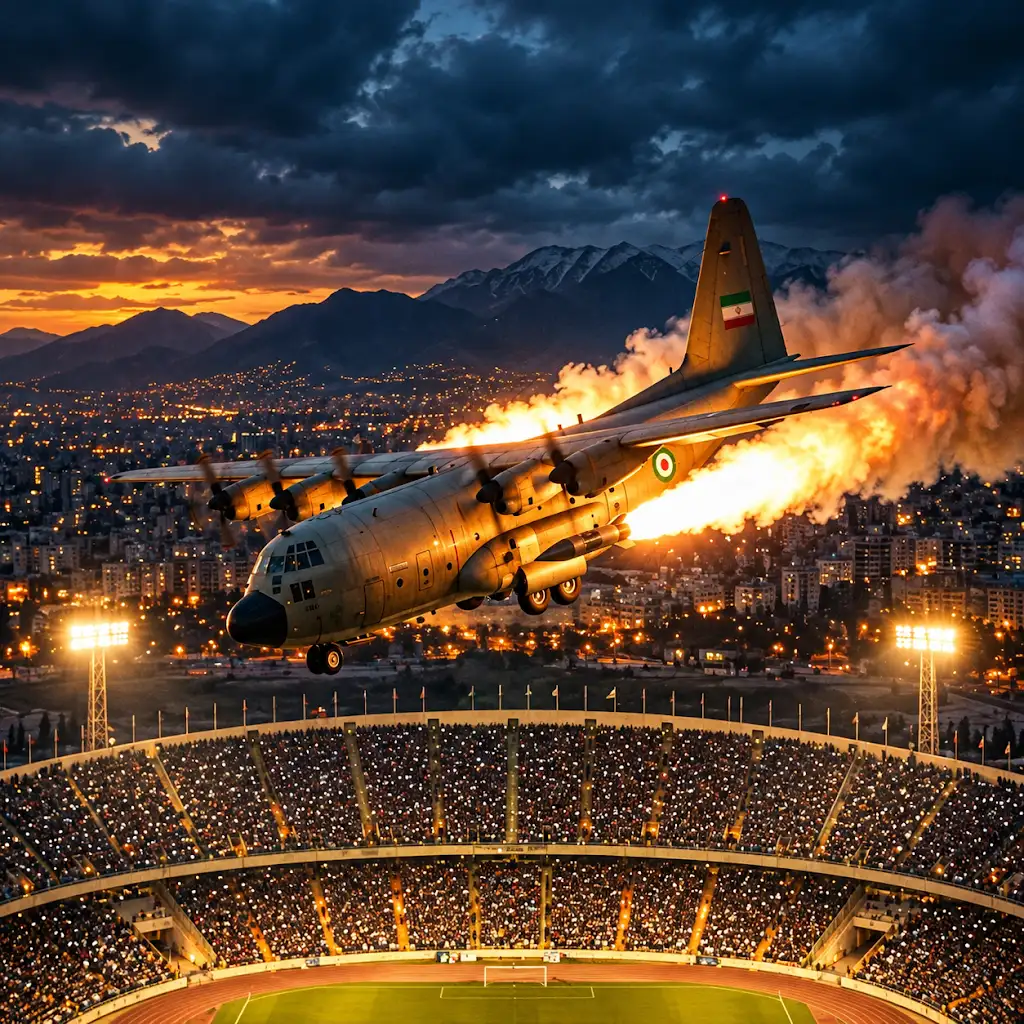
The Secret Plane Built to Land Inside a Stadium
FAQs
What role did special operations aviation play during the Cold War?
Special operations aviation played a crucial role during the Cold War by conducting covert missions, inserting and extracting special forces behind enemy lines, providing reconnaissance and intelligence gathering, and supporting unconventional warfare operations.
Which aircraft were commonly used for special operations during the Cold War?
During the Cold War, aircraft such as the Lockheed C-130 Hercules, Bell UH-1 Huey, Sikorsky H-34 Choctaw, and Fairchild C-123 Provider were commonly used for special operations due to their versatility, reliability, and ability to operate in various environments.
What were some notable special operations aviation units during the Cold War?
Notable special operations aviation units during the Cold War included the 160th Special Operations Aviation Regiment (Airborne) – also known as the Night Stalkers, the 1st Special Operations Wing, and the 20th Special Operations Squadron, which played key roles in executing covert missions and supporting special forces operations.
How did special operations aviation evolve during the Cold War era?
Special operations aviation evolved during the Cold War era by adopting new technologies, tactics, and aircraft modifications to enhance their capabilities in conducting clandestine operations, precision strikes, and aerial reconnaissance in hostile environments.
What impact did special operations aviation have on Cold War history?
Special operations aviation had a significant impact on Cold War history by enabling the United States to conduct covert operations, gather intelligence, support allied forces, and project power in regions where conventional forces could not operate effectively, ultimately contributing to the outcome of the Cold War.