The icy grip of the Cold War tightened around the globe, and beneath the frigid Atlantic, a silent, deadly ballet unfolded between the United States Navy and its Soviet counterparts. Submarines, the unseen predators of the deep, prowled the ocean’s depths, each carrying the immense responsibility of deterrence and, if necessary, devastating retaliation. Within this tense theater of operations, a near-catastrophic incident involving the Soviet submarine B-59 and US Navy depth charges in October 1962 etched itself into the annals of Cold War history as a stark reminder of how close the world came to nuclear annihilation. The story of B-59 is not just a tale of naval cat-and-mouse; it is a gripping drama of human decision-making under unimaginable pressure, where the fate of millions rested on the shoulders of a few men in the suffocating confines of a submerged vessel.
The Cold War, a prolonged period of geopolitical tension between the United States and the Soviet Union and their respective allies, was characterized by an intense arms race, ideological conflict, and proxy wars. At its core was the looming specter of nuclear war, a threat that permeated every aspect of military strategy and international relations. Submarines, with their stealth capabilities and nuclear payloads, became a pivotal element in this strategic calculus. Both superpowers invested heavily in developing and deploying increasingly sophisticated underwater fleets.
The Strategic Importance of Submarines
Submarines offered a unique strategic advantage. They could operate undetected for extended periods, making them ideal for intelligence gathering, reconnaissance, and, most importantly, delivering a first or second strike with nuclear ballistic missiles. The concept of Mutually Assured Destruction (MAD) heavily relied on the survivability of nuclear-armed submarines. The ability to withstand a surprise attack and retaliate ensured that neither side could launch a preemptive strike without facing devastating consequences. This created a fragile balance of terror that, ironically, may have prevented full-scale war.
The Constant Cat and Mouse Game
The operational environment for submarines was one of perpetual vigilance and calculated risk. US Navy submarines, often equipped with advanced sonar technology, patrolled international waters, seeking to track Soviet submarine movements. Their mission was multifaceted: to monitor Soviet naval activity, to deter potential aggression by presenting a credible counter-threat, and to be prepared to engage any hostile submarines. This led to a continuous game of cat and mouse, a silent pursuit where detection was a victory and being detected a significant threat.
Soviet submarines, likewise, operated with their own set of objectives, often seeking to evade detection while conducting their patrols or projecting power. The ocean, vast and deep, became a battleground of invisible forces, where the slightest anomaly in sonar readings could trigger a cascade of alerts and countermeasures. The pressure on the crews of these vessels was immense, confined for weeks or months in cramped, pressurized environments, constantly aware of the potential for disaster.
Technological Advancements and Their Perils
The Cold War spurred rapid technological advancements in submarine warfare. Sonar systems became more sophisticated, capable of detecting submarines at greater distances and differentiating between various sound signatures. Submarine propulsion systems improved, allowing for longer submerged endurance and quieter operations. Weaponry, including torpedoes and ballistic missiles, also evolved. However, this technological arms race also introduced new dangers. The very sophistication of these systems could lead to misinterpretations and escalations in tense situations. The nuances of sonar readings, the limitations of acoustic detection, and the fallibility of human operators all contributed to the inherent risks of submarine operations during this era.
In a fascinating exploration of Cold War naval encounters, the article titled “US Navy Depth Charge Signals B-59” delves into the tense moments when U.S. forces communicated with the Soviet submarine B-59 during a critical standoff. This incident highlights the precarious balance of power and the potential for miscommunication during a time of heightened military alertness. For a deeper understanding of this historical event and its implications, you can read the full article here: US Navy Depth Charge Signals B-59.
The Cuban Missile Crisis: A World on the Brink
The year 1962 marked a critical juncture in the Cold War, a period when the world held its collective breath as the United States and the Soviet Union teetered on the precipice of nuclear war. The Cuban Missile Crisis, triggered by the discovery of Soviet offensive nuclear missile bases in Cuba, brought the superpowers closer to direct conflict than at any other time. The crisis underscored the volatile nature of the geopolitical landscape and the ever-present danger of escalation.
Discovery and Escalation
The discovery of Soviet missile sites in Cuba by American U-2 spy planes on October 14, 1962, sent shockwaves through Washington. These missiles, capable of reaching most of the continental United States, were seen as a direct and unacceptable threat to American security. President John F. Kennedy imposed a naval blockade, or “quarantine,” around Cuba, demanding the removal of the missiles. This act of defiance by the Soviet Union, coupled with the US response, created an unprecedented level of tension.
The Role of Submarines in the Crisis
Submarines played a crucial, albeit largely unseen, role in the unfolding crisis. Soviet submarines were deployed to the Caribbean, ostensibly to break the US blockade and resupply Cuba. American submarines were tasked with enforcing the blockade and tracking these Soviet vessels. The waters around Cuba became a heavily patrolled area, fraught with danger for all involved. The US Navy was under strict orders to intercept and disable any Soviet ship attempting to breach the quarantine, and this included submarines, though direct engagement was to be avoided if possible. The stakes were astronomically high, as any miscalculation could have ignited a wider conflict.
Heightened Alert Levels and Operational Readiness
During the Cuban Missile Crisis, both the US and Soviet military forces were placed on their highest alert levels. For submarine crews, this meant an increased tempo of operations, longer patrols, and a constant state of readiness. The psychological toll on these crews, already operating under immense pressure, was amplified by the awareness that their actions, or the actions of their adversaries, could have world-altering consequences. The threat of nuclear war was no longer a theoretical concept; it was a tangible reality lurking beneath the waves.
The B-59 and Its Crew: A Voyage into the Unknown
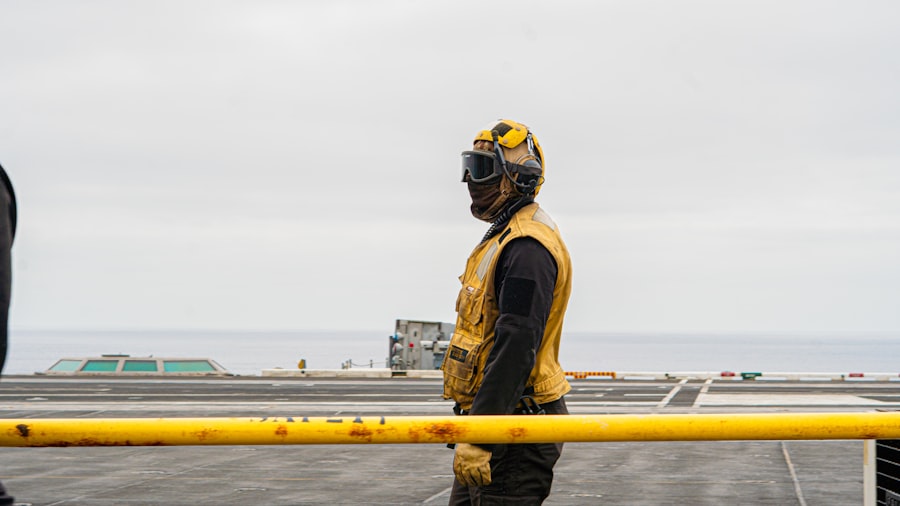
The Soviet submarine B-59 was a Foxtrot-class diesel-electric submarine, a common workhorse of the Soviet Navy during the Cold War. Its mission during the Cuban Missile Crisis was to reach Cuba and potentially break the US naval blockade. The journey was fraught with peril, not only from the potential threat of detection and engagement by US forces but also from the internal stresses and limitations of operating a complex vessel under such extreme conditions.
The Foxtrot-Class Submarine: A Symbol of Soviet Naval Power
The Foxtrot-class submarines were designed for a variety of missions, including patrol, anti-ship warfare, and intelligence gathering. They were powered by diesel engines when on the surface or snorkeling and by electric motors when submerged. While capable, these submarines were also known for being relatively noisy and having limited submerged endurance compared to their American nuclear-powered counterparts. This meant that B-59 would have to surface or snorkel more frequently to recharge its batteries, increasing its vulnerability to detection.
The Three Officers of B-59: A Chain of Command Under Siege
The command structure on B-59 was a critical factor in the drama that unfolded. The captain, Valentin Savitsky, was responsible for the overall safety and mission of the submarine. However, he was not alone in decision-making regarding the use of nuclear weapons. Onboard were also two other senior officers, Ivan Maslennikov, the political officer, and Anatoly Arkhipov, the flotilla chief of staff. A key element of Soviet submarine doctrine at the time stipulated that the captain, political officer, and a representative of the flotilla command all had to agree before a nuclear torpedo could be launched. This complex chain of command, designed as a safeguard against unauthorized use, would become a crucible of pressure.
The Strain of Extended Patrol and Detection
The B-59 was operating under immense strain. It had been at sea for an extended period, its crew exhausted, and its equipment pushed to its limits. The constant threat of detection by US naval forces added a layer of psychological stress that cannot be overstated. The submarine’s sonar was also not functioning optimally, further hindering its ability to detect potential threats. This combination of factors created a volatile environment where frayed nerves and misjudgments could have catastrophic consequences.
The Encounter: Depth Charges and a World Away from Peace
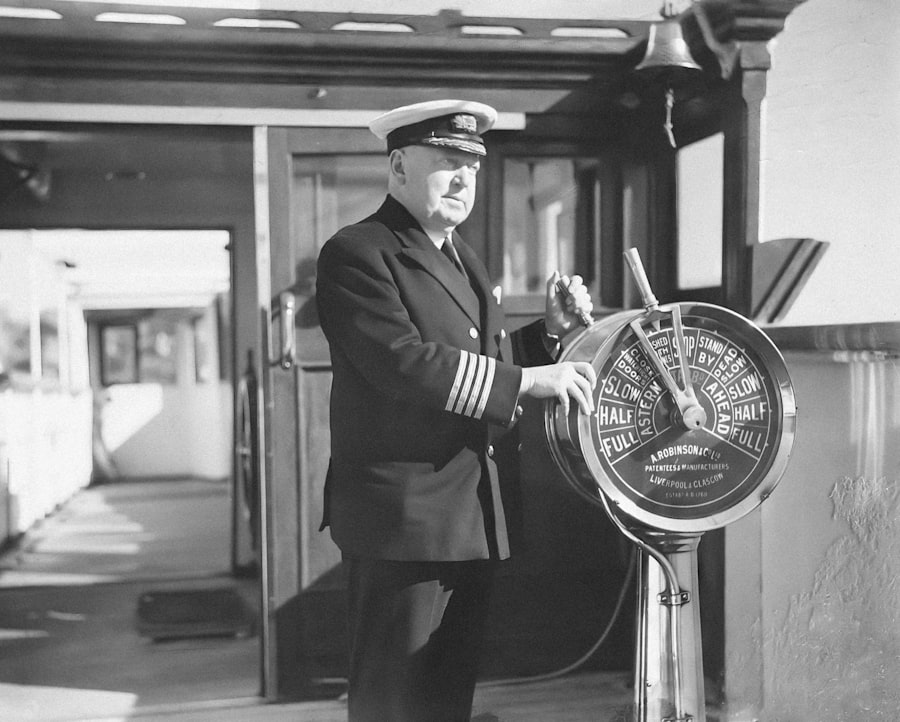
The fateful encounter between the B-59 and US Navy ships occurred on October 27, 1962, a day that would become known as “Black Saturday” due to the heightened tensions of the Cuban Missile Crisis. The US Navy, aware of the presence of Soviet submarines in the area, was actively hunting them. The B-59, trying to evade detection, found itself in a desperate situation.
US Navy Anti-Submarine Warfare Tactics
The US Navy employed a variety of anti-submarine warfare (ASW) tactics. Patrol aircraft and surface ships would use sonar to detect submarines. Once a potential contact was made, ships would deploy depth charges, explosive devices designed to detonate at a specific depth, creating a powerful shockwave that could damage or disable a submerged submarine. These depth charges were intended as a warning and a means of forcing a submarine to surface, rather than as a direct kill weapon in most situations. However, the line between a “warning” and a “lethal strike” could become blurred under immense pressure.
The Depth Charge Barrage
The US Navy ships detected the B-59 and, believing it to be a hostile submarine that had refused to surface, began dropping practice depth charges. These were not intended to sink the submarine but to signal their presence and compel it to identify itself. However, for the crew of the B-59, these explosions were terrifying. Confined in their metal hull, the concussive blasts rocked the submarine violently, shaking loose equipment and creating a deafening roar. The crew believed they were under direct attack and that their submarine was on the verge of being destroyed.
Misinterpretation and Escalation
The situation aboard the B-59 was dire. The repeated explosions of depth charges, combined with the failure of their own sonar and the knowledge of the ongoing crisis, led Captain Savitsky and other officers to believe they were engaged in a direct naval battle. The claustrophobic environment amplified their fear and disorientation. They had no way of knowing that the depth charges were merely practice ones, intended as a signal. In their minds, the US Navy was attempting to sink them.
The tense moments during the Cold War were marked by various incidents, one of which involved the US Navy’s use of depth charge signals against the Soviet submarine B-59. This encounter highlighted the precarious nature of underwater warfare and the thin line between conflict and diplomacy. For a deeper understanding of the implications of such military actions, you can read more in this insightful article on the subject. If you’re interested in exploring the broader context of Cold War naval engagements, check out the detailed analysis found here.
The Unthinkable Decision: The Nuclear Torpedo Dilemma
| Depth Charge Signals B-59 | Metrics |
|---|---|
| Date | October 27, 1962 |
| Location | Caribbean Sea |
| Depth Charge Signals | 6 explosions |
| Impact | Caused Soviet submarine B-59 to surface |
Faced with what they perceived as an imminent attack and the potential destruction of their vessel, the officers of the B-59 found themselves confronting the most terrifying decision imaginable: the use of the nuclear torpedo. The submarine was armed with one such weapon, a potent instrument of mass destruction.
The Soviet Doctrine of Nuclear Escalation
Soviet military doctrine at the time allowed for the use of tactical nuclear weapons in certain circumstances, particularly if a submarine was under direct attack and believed to be facing destruction. The intent was to provide a means of retaliation and deterrence, even in situations where conventional forces were outmatched. This doctrine, while intended to be a deterrent, also created a dangerous pathway to nuclear escalation.
The Three Officers’ Agonizing Debate
Onboard the B-59, a tense and agonizing debate ensued. Captain Savitsky was determined to retaliate against what he believed was an unprovoked attack. However, Soviet regulations required the agreement of all three senior officers before a nuclear torpedo could be launched. Maslennikov, the political officer, was reportedly more inclined to authorize the launch, seeing it as a necessary response to the perceived aggression.
Anatoly Arkhipov’s Crucial Intervention
It was Anatoly Arkhipov, the flotilla chief of staff, who ultimately saved the world from a potential nuclear catastrophe. Arkhipov, more aware of the broader context of the crisis and perhaps less prone to panic than the captain, argued vehemently against launching the nuclear torpedo. He understood the devastating implications of such an action and that the “attacks” might not be what they seemed. He reasoned that if the US Navy wanted to sink them, they would have used more powerful, lethal ordnance, not practice depth charges. His calm and reasoned opposition, combined with his authority, persuaded Captain Savitsky to stand down.
The Repercussions and the Secret Revealed
The decision not to launch the nuclear torpedo was a turning point. The B-59 eventually managed to evade the US Navy ships and continued its mission, though its overall effectiveness was compromised. The incident itself remained a closely guarded secret for decades. It was only in the late 1990s and early 2000s, with the opening of some Soviet archives and the testimony of surviving crew members, that the full gravity of what had transpired aboard the B-59 came to light. The world had come perilously close to nuclear war, not from a deliberate act of aggression, but from a misunderstanding, panic, and the terrifying logic of nuclear brinkmanship. The actions of Anatoly Arkhipov, often referred to as the “man who saved the world,” highlight the critical role of individual decision-making under extreme duress. His courage and wisdom prevented an unimaginable escalation and served as a stark reminder of the fragility of peace during the Cold War. The tale of B-59 stands as a chilling testament to the dangers of nuclear proliferation and the immense responsibility that rests on the shoulders of those who command the ultimate weapons of destruction.
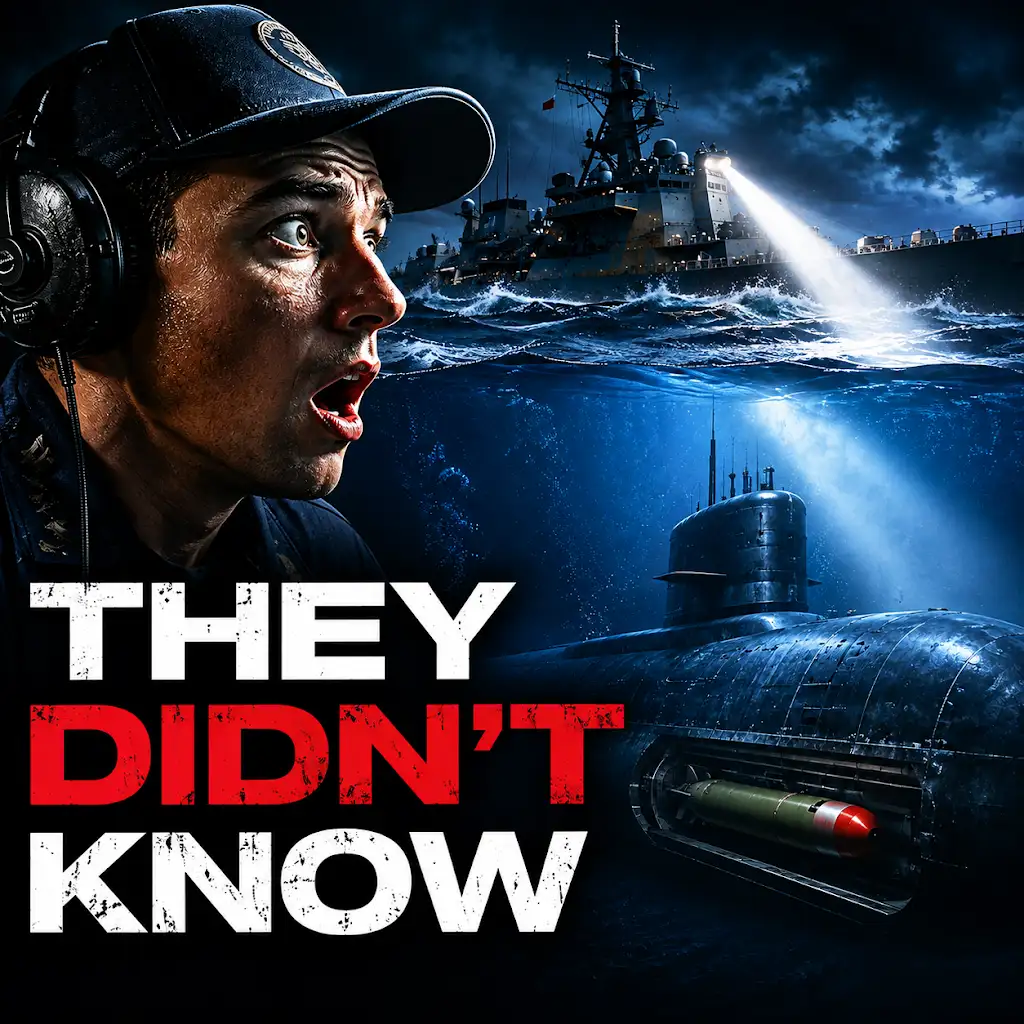
The U.S. Navy Didn’t Know This Submarine Had a Nuclear Torpedo
FAQs
What is the US Navy depth charge signals B-59 incident?
The US Navy depth charge signals B-59 incident refers to an event during the Cuban Missile Crisis in 1962, when the Soviet submarine B-59 was subjected to depth charges by US Navy forces.
Why did the US Navy use depth charges against the B-59 submarine?
The US Navy used depth charges against the B-59 submarine because they were unaware that the submarine was armed with nuclear torpedoes. The depth charges were intended to force the submarine to surface and identify itself.
What was the outcome of the US Navy depth charge signals B-59 incident?
The outcome of the incident was that the B-59 submarine was eventually forced to surface, and the crisis was peacefully resolved without the use of nuclear weapons.
How did the US and Soviet governments respond to the incident?
Both the US and Soviet governments were initially unaware of the nuclear capabilities of the B-59 submarine. Once the situation was clarified, both sides took steps to prevent further escalation of the crisis.
What impact did the US Navy depth charge signals B-59 incident have on the Cuban Missile Crisis?
The incident highlighted the potential for misunderstandings and miscalculations during the Cuban Missile Crisis, and underscored the need for improved communication and de-escalation measures between the US and Soviet Union.