The clandestine world of Cold War naval espionage, a theater of operations often obscured by state secrets and classified movements, has gradually emerged into the public consciousness through a series of documentaries. These productions collectively known as ‘Silent Seas: Cold War Naval Espionage Documentaries’ offer a fragmented yet compelling look into this shadowy domain. This article examines the thematic underpinnings, factual veracity, and overall impact of these documentaries, providing a framework for understanding their contribution to historical discourse.
During the Cold War, the vast, impersonal ocean became a battleground for two superpowers locked in an ideological struggle. Submarines, these silent predators of the deep, were the primary instruments of this underwater conflict, acting as both deterrents and intelligence gatherers. Documentaries in the ‘Silent Seas’ series frequently delve into the technological race that defined this period, showcasing the rapid advancements in naval engineering and sonar capabilities.
The Rise of the Nuclear Submarine
The advent of nuclear propulsion revolutionized naval warfare. It granted submarines unprecedented endurance and global reach, transforming them from coastal defenders into strategic assets. These documentaries meticulously trace the development of iconic vessels such as the USS Nautilus and the Soviet K-class submarines. You will learn about the challenges faced by engineers and the political pressures that drove their innovation.
Listening In: SOSUS and Underwater Surveillance Networks
The development of the Sound Surveillance System (SOSUS) by the United States represented a monumental leap in underwater intelligence gathering. This network of hydrophones, strategically placed on the ocean floor, was designed to detect and track Soviet submarines. The documentaries often illuminate the secretive deployment and operational success of SOSUS, revealing how it provided a crucial advantage to the Western alliance. Consider the technological marvel of listening across an entire ocean basin, a feat that transformed the very nature of naval intelligence.
The Hunt for Red October: Submarines as Intelligence Platforms
Beyond their conventional military roles, submarines were indispensable platforms for intelligence collection. Documentaries in this series frequently feature missions involving overt and covert surveillance, photographic reconnaissance, and the deployment of specialized clandestine operatives. These narratives often highlight daring incursions into hostile waters, underscoring the high stakes and constant personal risk involved.
For those interested in the intricate world of Cold War naval espionage, a fascinating article can be found at In the War Room. This piece delves into the covert operations and intelligence-gathering missions that defined naval strategies during this tense period in history. It explores the technological advancements and the high-stakes maneuvers that shaped the naval landscape, providing a comprehensive overview for enthusiasts and scholars alike.
Intelligence Gathering Missions: Cloak and Dagger at Sea
The Cold War was characterized by a perpetual struggle for information supremacy. Naval espionage, therefore, extended beyond the tracking of enemy vessels, encompassing a wide array of intelligence-gathering operations that often pushed the boundaries of international law and conventional warfare.
Operation Ivy Bells: Tapping into Soviet Communications
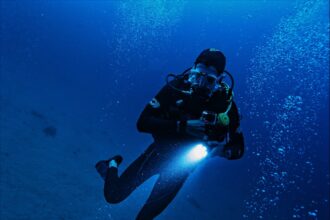
One of the most audacious espionage operations of the Cold War was Operation Ivy Bells, a joint venture between the U.S. Navy, the CIA, and the NSA. This involved sending U.S. submarines into Soviet territorial waters to tap undersea communication cables. The documentaries often dedicate significant segments to this operation, detailing the ingenuity of the divers, the risks involved, and the immense intelligence yield. Imagine divers working in frigid, dark waters, painstakingly attaching complex listening devices to cables that carried the very heartbeat of Soviet military communications.
Project Azorian: The Glomar Explorer and K-129
The sinking of the Soviet submarine K-129 in 1968 and the subsequent CIA operation to recover it, known as Project Azorian, forms another cornerstone of ‘Silent Seas’ narratives. The documentaries reveal the incredible scale of this endeavor, employing the highly specialized ship Glomar Explorer as a cover for the deep-sea recovery. The narrative typically emphasizes the technological solutions deployed, the intense secrecy surrounding the project, and the partial success of retrieving fragments of the submarine and its contents. This operation represents a testament to human ambition and technological prowess in the pursuit of intelligence.
Reconnaissance and Special Operations: Eyes and Ears Beneath the Waves
Beyond the headline-grabbing operations, routine reconnaissance missions played a vital role in understanding enemy capabilities and intentions. Documentaries shed light on the deployment of special forces alongside naval assets for intelligence gathering, beach reconnaissance, and the establishment of covert listening posts. These segments often portray the psychological toll on the personnel involved, operating under immense pressure in isolated and hostile environments.
The Human Element: Spies, Sailors, and Sacrifice

While technology and strategy are central to Cold War naval espionage, the human cost and the individual decisions of those involved often provide the most compelling narratives. The documentaries endeavor to personalize these historical events, bringing to light the stories of individuals caught in the geopolitical crosscurrents.
The Lives of Submariners: Isolation and Peril
Life aboard a submarine, especially during the Cold War, was characterized by extreme isolation, constant danger, and psychological pressure. Documentaries often feature interviews with former submariners, providing firsthand accounts of their experiences. You will hear about the cramped quarters, the ever-present threat of detection, and the weight of responsibility that accompanied their silent patrols. This human perspective adds a crucial emotional layer to the technological and strategic narratives.
Double Agents and Defectors: Cracks in the Facade
The ideological struggle of the Cold War inevitably led to instances of defection and the recruitment of double agents. Documentaries sometimes explore the impact of such individuals on naval intelligence, detailing how their insights or betrayals significantly altered the course of specific operations or the overall intelligence picture. These narratives offer a glimpse into the motivations and consequences of such high-stakes decisions.
The Psychological Warfare: Fear and Uncertainty
Beyond direct confrontation, both sides engaged in psychological warfare, aiming to sow fear and uncertainty in the ranks of their adversaries. Documentaries occasionally touch upon how intelligence operations, when discovered or hinted at, were used to project strength or assess weaknesses, impacting the morale and strategic thinking of opposing forces. The silent threat of unseen submarines and unknown surveillance capabilities created an atmosphere of pervasive unease.
The Legacy of Secrecy: Declassification and Disclosure

The very nature of espionage dictates secrecy, and Cold War naval operations were shrouded in layers of classification. The gradual declassification of documents and the release of previously suppressed information have been instrumental in allowing these documentaries to come to fruition.
The Challenges of Historical Reconstruction
Reconstructing events from highly classified operations presents significant challenges for documentary filmmakers. They often rely on fragmented data, declassified documents that may still redact crucial details, and the often fallible memories of those involved. Documentaries in the ‘Silent Seas’ series typically acknowledge these difficulties, striving for accuracy while recognizing the limitations inherent in their source material.
The Role of Investigative Journalism
Specialized investigative journalists and historians have played a crucial role in bringing these stories to light. Their persistent pursuit of declassification and their meticulous cross-referencing of sources are often highlighted in the documentaries themselves, underscoring the journalistic integrity behind these historical accounts. Consider the dedication required to piece together a mosaic of truth from fragments of heavily redacted documents.
Unveiling the “Black Budgets”: Funding Clandestine Operations
The immense scale and technological sophistication of Cold War naval espionage required substantial financial investment. While the documentaries do not always have access to precise figures, they often allude to the “black budgets” that funded these operations, emphasizing the commitment of both superpowers to gain an advantage in the intelligence realm.
Cold War naval espionage has been a fascinating subject for many historians and documentary filmmakers, shedding light on the secretive operations that took place beneath the waves. One particularly insightful resource is an article that explores the intricate tactics employed by submarines during this tense period. For those interested in delving deeper into this topic, you can read more about it in this engaging piece on naval espionage. This article not only highlights key events but also provides a broader context for understanding the strategic importance of naval power during the Cold War.
Ethical Considerations and Future Implications
| Documentary Title | Year Released | Duration (minutes) | Main Focus | Key Espionage Techniques Highlighted | Notable Naval Incidents Covered |
|---|---|---|---|---|---|
| Silent Waters: Cold War Naval Espionage | 2015 | 90 | Underwater surveillance and submarine spying | Submarine tailing, sonar detection, underwater tapping | USS Thresher incident, Soviet submarine K-219 |
| Shadow Fleet: Espionage on the High Seas | 2018 | 75 | Naval intelligence gathering and signal interception | Radio signal interception, codebreaking, spy ships | U-2 spy plane naval support, Cuban Missile Crisis naval blockades |
| Cold War Waves: Secrets Beneath the Surface | 2020 | 60 | Covert operations and naval espionage tactics | Undercover agents, electronic eavesdropping, satellite reconnaissance | Operation Ivy Bells, Baltic Sea submarine encounters |
| Espionage at Sea: The Cold War Naval Battle | 2012 | 85 | Naval espionage strategies and Cold War naval confrontations | Signal jamming, underwater drones, human intelligence | USS Pueblo capture, Soviet spy ship incidents |
The ‘Silent Seas’ documentaries, while historical in nature, provoke contemplation on the ethical landscape of state-sponsored espionage and its enduring implications for international relations and the development of future military and intelligence strategies.
The Morality of Espionage in a Nuclear Age
The Cold War was fought under the omnipresent shadow of nuclear annihilation. Espionage, particularly naval espionage, played a critical role in preventing miscalculation and accidental escalation. However, the methods employed, often involving incursions into sovereign territory and the potential for direct military confrontation, raise pertinent ethical questions about the necessity and justification of such actions. The documentaries implicitly or explicitly invite the viewer to consider these dilemmas.
The Balance Between Security and Transparency
The inherent conflict between national security imperatives and the public’s right to information is a recurring theme. While these documentaries often celebrate the ingenuity and bravery of intelligence operatives, they also implicitly question the extent of secrecy maintained by governments, even decades after events have transpired. This tension between transparency and state secrets is a constant undercurrent.
Lessons Learned: Avoiding Future Conflicts
By examining past episodes of naval espionage, these documentaries provide valuable lessons for contemporary geopolitical challenges. They illustrate the importance of robust intelligence gathering, the dangers of technological complacency, and the critical role of diplomacy in de-escalating potential conflicts. The silent battles fought beneath the waves during the Cold War offer a cautionary tale for the present and future. Understanding the intricate dance of surveillance and counter-surveillance in that era can inform our approach to modern intelligence operations, particularly in an age of increasingly sophisticated cyber warfare and autonomous systems. What echoes of the Cold War can you discern in today’s global intelligence landscape?
In conclusion, ‘Silent Seas: Cold War Naval Espionage Documentaries’ collectively offers a significant contribution to understanding a crucial, yet often overlooked, aspect of the Cold War. These productions, relying on declassified information, expert analysis, and personal testimonies, illuminate the technological marvels, the strategic imperatives, and the human sacrifices that defined the silent struggle beneath the waves. They are not merely historical records but also serve as potent reminders of the enduring complexities of international relations and the perpetual dance between secrecy and disclosure.
FAQs
What is the focus of Cold War naval espionage documentaries?
Cold War naval espionage documentaries focus on the covert intelligence operations and spying activities conducted by naval forces during the Cold War era, highlighting the strategies, technologies, and key events involved.
Which countries are primarily featured in Cold War naval espionage documentaries?
These documentaries primarily feature the United States and the Soviet Union, as they were the main adversaries during the Cold War, but they may also include other nations involved in naval intelligence activities.
What types of espionage techniques are commonly explored in these documentaries?
Common espionage techniques covered include submarine surveillance, signal interception, underwater listening devices, covert reconnaissance missions, and the use of spy ships and submarines.
Are real-life espionage cases discussed in Cold War naval espionage documentaries?
Yes, many documentaries examine real-life espionage cases, such as the capture of spy submarines, intelligence leaks, and notable naval spy operations that had significant impacts on Cold War naval strategy.
Where can viewers watch Cold War naval espionage documentaries?
These documentaries are often available on streaming platforms, history-focused television channels, and documentary-specific services, as well as through DVD collections and educational resources.