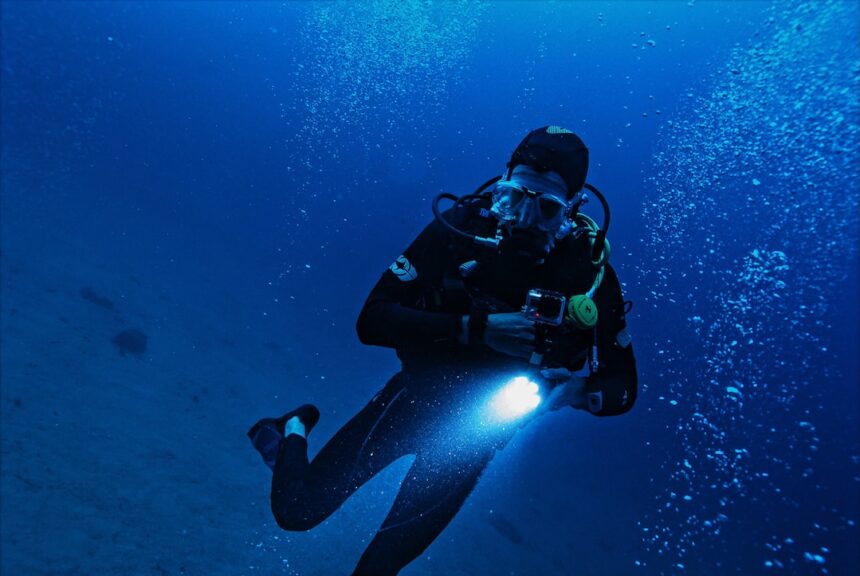
The USS Halibut (SSGN-587), a vessel of unique design and purpose, embarked on a series of groundbreaking missions that pushed the boundaries of underwater exploration and salvage. Her extensive modifications transformed her from a guided-missile submarine into a mobile undersea laboratory, a veritable eyes and ears of the deep. Central to this transformation was her sophisticated saturation diving system, a technological marvel that allowed human divers to operate for extended periods at depths previously considered formidable. These operations were not mere excursions; they were intricate expeditions into the uncharted territories of the ocean floor, where the pressure was a constant, tangible adversary and the darkness a pervasive veil.
The Halibut’s journey into the realm of saturation diving was a calculated evolution, born out of a recognition of her immense potential beyond her initial strategic role.
From Missile Carrier to Submersible Base
Originally commissioned as a guided-missile submarine, the USS Halibut was a product of the Cold War era, designed to deliver nuclear payloads from beneath the waves. However, her large internal volume and novel design, featuring a broad beam and an array of antennas, made her an ideal candidate for non-combatant roles. The United States Navy, ever-resourceful, recognized this potential and initiated a series of conversions that would fundamentally redefine the Halibut’s purpose. These modifications were akin to transforming a warrior into a scholar, outfitting her with the tools of observation and investigation rather than destruction.
The Strategic Imperative for Deeper Access
As the geopolitical landscape shifted and the need for intelligence and operational capability in the deep ocean grew, the limitations of traditional diving methods became apparent. Surface-supported diving, while effective for shallower depths, was time-consuming, risky, and constrained by weather and surface support logistical challenges. The dream of placing human operators on the seabed for extended durations, working with greater autonomy and efficiency, was a tantalizing prospect. The Halibut, with her inherent stability and substantial power generation capabilities, offered a stable platform from which to conduct such ambitious endeavors.
The USS Halibut, a unique submarine known for its pioneering saturation diving operations, played a crucial role in underwater reconnaissance during the Cold War. For those interested in learning more about the strategic significance of such missions and the technology involved, a related article can be found at In The War Room, which delves into the intricacies of military underwater operations and their impact on naval warfare.
The Mechanics of Extended Underwater Living
The heart of the Halibut’s deep-sea capabilities lay in her sophisticated saturation diving system. This was not simply a dive bell; it was a self-contained ecosystem for human survival at extreme pressures.
Saturation Diving: A Physiological Adaptation
Saturation diving is a technique that allows divers to remain at a specific depth for extended periods, typically days or weeks. The fundamental principle is to allow the inert gases in the breathing mixture (usually helium and oxygen, to avoid nitrogen narcosis) to saturate the diver’s tissues. This process is analogous to a sponge soaking up water; over time, the diver’s body becomes saturated with the gases at the ambient pressure. The key advantage is that once saturated, divers can experience a rapid decompression at the end of their mission, rather than the prolonged, multi-day decompression required for a series of individual, non-saturated dives. This dramatically increases operational efficiency and reduces the physical toll on the divers.
The Halibut’s Advanced Life Support Systems
The Halibut was equipped with a specialized decompression chamber complex, a modular suite that served as a temporary home for the divers. This complex consisted of several interconnected chambers, each serving a specific function.
- The DDC (Diving Decompression Chamber): This was the primary habitat for the divers while at depth. It was a pressurized environment where they lived, ate, slept, and performed their duties. The ambient pressure inside the DDC was maintained at the same level as the external working depth. This ingenious design meant that divers never experienced the crushing pressure of the ocean within their living quarters.
- The Transfer Capsule: This pressurized capsule served as the link between the DDC and the external environment. Divers would enter the capsule, which would then be lowered to the seabed, allowing them to exit directly into the water. Upon their return, they would re-enter the capsule, which would then be raised and mated with the DDC, allowing for a seamless transfer without pressure changes.
- The Support Systems: The Halibut’s internal systems were re-engineered to provide the necessary support for the diving operations. This included robust atmospheric control systems to manage gas mixtures, humidity, and air quality within the habitat, as well as power generation to maintain the pressurized environment and operate the external equipment. These systems were the lifeblood of the undersea operation, constantly monitoring and adjusting to ensure the safety and well-being of the human occupants.
Operations in the Abyssal Realm
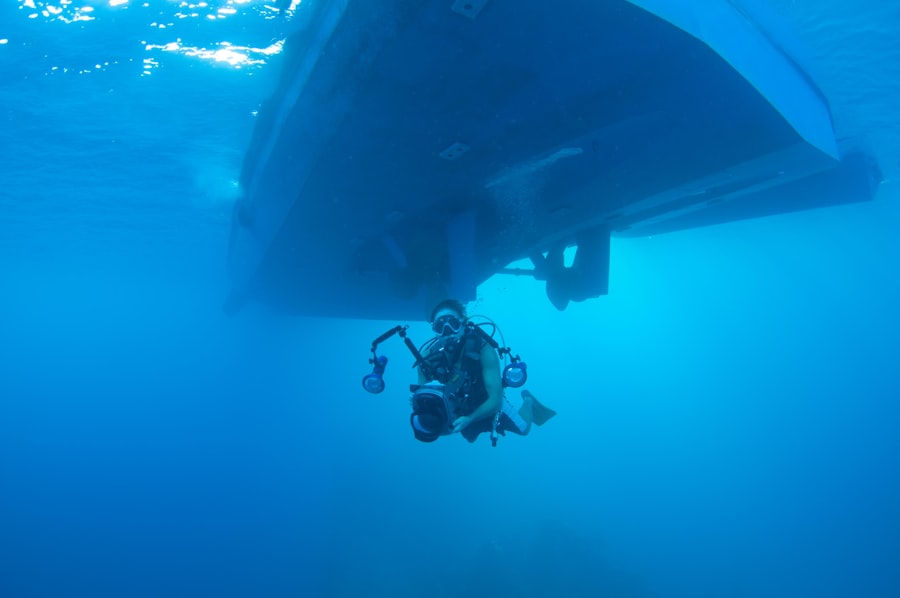
The saturation diving system on the USS Halibut unlocked unprecedented operational capabilities, enabling dives into previously inaccessible depths and facilitating complex underwater tasks.
The Purpose of the Deep
The Halibut’s missions were diverse, ranging from intelligence gathering and covert operations to scientific research and salvage efforts. The ability to place human divers at significant depths allowed for a level of detail and nuanced interaction with the underwater environment that was impossible with remotely operated vehicles (ROVs) alone at that time.
- Intelligence Gathering: The Halibut was instrumental in covert intelligence missions, using her unique capabilities to gather information from strategic underwater locations. This might have involved inspecting underwater structures, observing naval movements, or deploying and retrieving sensitive equipment. The saturation diving system provided the human element for tasks requiring fine motor skills, judgment, and adaptability.
- Scientific Exploration and Research: While not its primary mission, the Halibut’s diving capabilities also lent themselves to scientific endeavors. The ability to conduct extended observations and experiments on the ocean floor opened avenues for studying marine biology, geology, and oceanography in a way that was previously limited.
- Salvage Operations: The deep-sea environment is littered with the remnants of past endeavors, from shipwrecks to downed aircraft. The Halibut’s dive system offered a powerful platform for complex salvage operations, allowing divers to meticulously assess, disarm, and recover objects from the seabed. This demanded a unique blend of technical skill, courage, and patience.
The Diver’s Experience: A World Apart
Life as a saturation diver aboard the Halibut was a unique and demanding experience, a stark departure from the familiar world above the waves.
- Living Under Pressure: The divers lived in a constant state of elevated pressure, an environment that required significant physiological adaptation. While the breathing mixture mitigated the immediate narcotic effects of nitrogen, the body still underwent profound changes. The constant presence of helium in the breathing gas gave their voices a distinctive, high-pitched quality, a linguistic artifact of their deep-sea sojourn.
- The Daily Routine: The daily routine was meticulously structured, balancing operational tasks with rest and rehabilitation. Divers would spend hours outside the submarine, tethered or operating independently, performing their assigned duties. Upon return, they would enter the decompression chamber, where they would begin the slow process of returning to surface pressure. This daily cycle was a testament to their discipline and the rigorous training they had undergone.
- Psychological Fortitude: The enclosed environment, the constant pressure, and the inherent risks demanded immense psychological fortitude. Divers were a breed apart, possessing an extraordinary capacity for focus, teamwork, and resilience. They were the human anchors in a world of immense unforgiving forces.
Technical Innovations and Challenges
The implementation of saturation diving aboard the USS Halibut was a pioneering effort, facing numerous technical hurdles and demanding continuous innovation.
The Marriage of Submarine and Dive System
Integrating a complex saturation diving system into a pre-existing submarine hull was an engineering feat. It required careful consideration of weight distribution, power requirements, and structural integrity. The Halibut’s already substantial size and unique configuration provided a suitable canvas for this integration.
- Habitat Design and Integration: The DDC and its associated equipment had to be seamlessly integrated into the Halibut’s internal spaces. This involved modifying bulkheads, reinforcing structures, and ensuring that all life support systems were robust and redundant.
- Gas Management and Monitoring: Maintaining the precise mixture of gases in the breathing apparatus and the habitat was paramount. Sophisticated gas management systems were developed to monitor oxygen levels, helium content, and carbon dioxide buildup, with alarms and emergency protocols in place to address any deviations.
- External Equipment and Deployment: The operational success of the diving system depended on reliable external equipment. This included specialized diving bells, manipulator arms, lighting systems, and communication devices, all designed to function in the extreme pressures and corrosive environment of the deep sea.
Overcoming the Adversarial Environment
The ocean floor is a challenging arena for human operations. The Halibut’s diving system was designed to mitigate these extremes.
- Pressure Management: The primary challenge was managing the immense hydrostatic pressure. The saturation diving system, through its controlled decompression architecture, was the ultimate solution. However, even within the system, pressure differentials between compartments had to be meticulously controlled.
- Temperature Extremes: While the Halibut herself maintained a relatively stable internal temperature, the divers working outside the submarine could experience significant temperature drops. Specialized thermal protection was essential for prolonged excursions.
- Visibility and Navigation: The deep ocean is characterized by profound darkness. Advanced lighting systems were crucial for divers to see their work area. Navigation on the seabed, particularly for complex tasks, often relied on a combination of acoustic positioning systems and pre-surveyed navigational aids.
The USS Halibut, known for its pioneering saturation diving operations, played a crucial role in underwater reconnaissance during the Cold War. For those interested in exploring more about the intricate details of its missions and the technology involved, a related article can provide valuable insights. You can read more about these fascinating underwater endeavors in this detailed article that delves into the complexities of submarine operations and the challenges faced by divers.
Legacy and Significance
| Metric | Value | Unit | Notes |
|---|---|---|---|
| Maximum Operating Depth | 400 | feet | Depth at which saturation diving was conducted |
| Dive Duration | 24 | hours | Typical length of a single saturation dive |
| Decompression Time | 48 | hours | Time required for safe decompression after saturation dive |
| Number of Divers | 4 | persons | Typical crew involved in saturation diving operations |
| Gas Mixture | Heliox | – | Common breathing gas used during saturation dives |
| Chamber Pressure | 130 | psi | Pressure maintained in the diving chamber during operations |
| Surface Interval Between Dives | 72 | hours | Minimum rest period between saturation dives |
The operations of the USS Halibut with her saturation diving system left an indelible mark on the history of underwater exploration and operations.
Paving the Way for Future Deep-Sea Endeavors
The experience gained by the Navy with the Halibut served as a crucial stepping stone for future generations of underwater exploration and military operations. The lessons learned in habitat design, gas management, and diver physiology informed the development of more advanced saturation diving systems and techniques.
- Advancement in Underwater Technology: The Halibut’s operations directly contributed to the evolution of underwater technology, driving innovation in areas such as submersible design, diving equipment, and life support systems.
- Training and Operational Doctrine: The rigorous training protocols and operational doctrines developed for the Halibut’s saturation diving missions became foundational for subsequent naval diving units and commercial deep-sea operations.
- Unlocking New Frontiers: The Halibut, as a mobile key that unlocked the doors to the deep, demonstrated the feasibility of sustained human presence and operation on the ocean floor, opening up new possibilities for scientific discovery, resource exploration, and strategic advantage.
A Symbol of Human Ingenuity and Courage
The USS Halibut, through her unique role in saturation diving, stands as a testament to human ingenuity and the relentless pursuit of knowledge and capability. The divers who served aboard her were the spearheads of humanity’s push into the silent, crushing depths, embodying a spirit of adventure and dedication. Their operations were not merely technical achievements; they were profound explorations into the unknown, carried out by individuals who were willing to face unimaginable pressures in the service of exploration and national interest. The stories of the USS Halibut and her saturation diving operations continue to resonate, a reminder of the extraordinary feats that are possible when human ambition meets technological innovation in the most challenging environments on Earth.
WARNING: The $35,000 Betrayal That Blinded America
FAQs
What was the USS Halibut’s role in saturation diving operations?
The USS Halibut was a nuclear-powered submarine used by the U.S. Navy, notable for its involvement in deep-sea missions that required saturation diving techniques to conduct underwater repairs, reconnaissance, and salvage operations.
What is saturation diving and why was it important for the USS Halibut?
Saturation diving is a method that allows divers to live and work at great depths for extended periods by saturating their body tissues with inert gas. This technique was crucial for the USS Halibut’s missions, enabling divers to perform complex tasks at depths unreachable by conventional diving.
How did saturation diving operations enhance the capabilities of the USS Halibut?
Saturation diving operations allowed the USS Halibut to carry out deep-sea exploration and recovery missions with greater efficiency and safety. Divers could remain underwater longer without the need for multiple decompression cycles, facilitating more extensive underwater work.
What equipment was used in saturation diving operations aboard the USS Halibut?
The USS Halibut utilized specialized diving bells, decompression chambers, and life-support systems designed for saturation diving. These systems maintained the divers’ pressure environment and provided necessary breathing gases during prolonged underwater missions.
What were some challenges faced during saturation diving operations on the USS Halibut?
Challenges included managing the physiological risks of prolonged exposure to high-pressure environments, ensuring reliable life-support systems, and coordinating complex underwater tasks in difficult conditions. Additionally, maintaining communication between divers and the submarine was critical for mission success and safety.