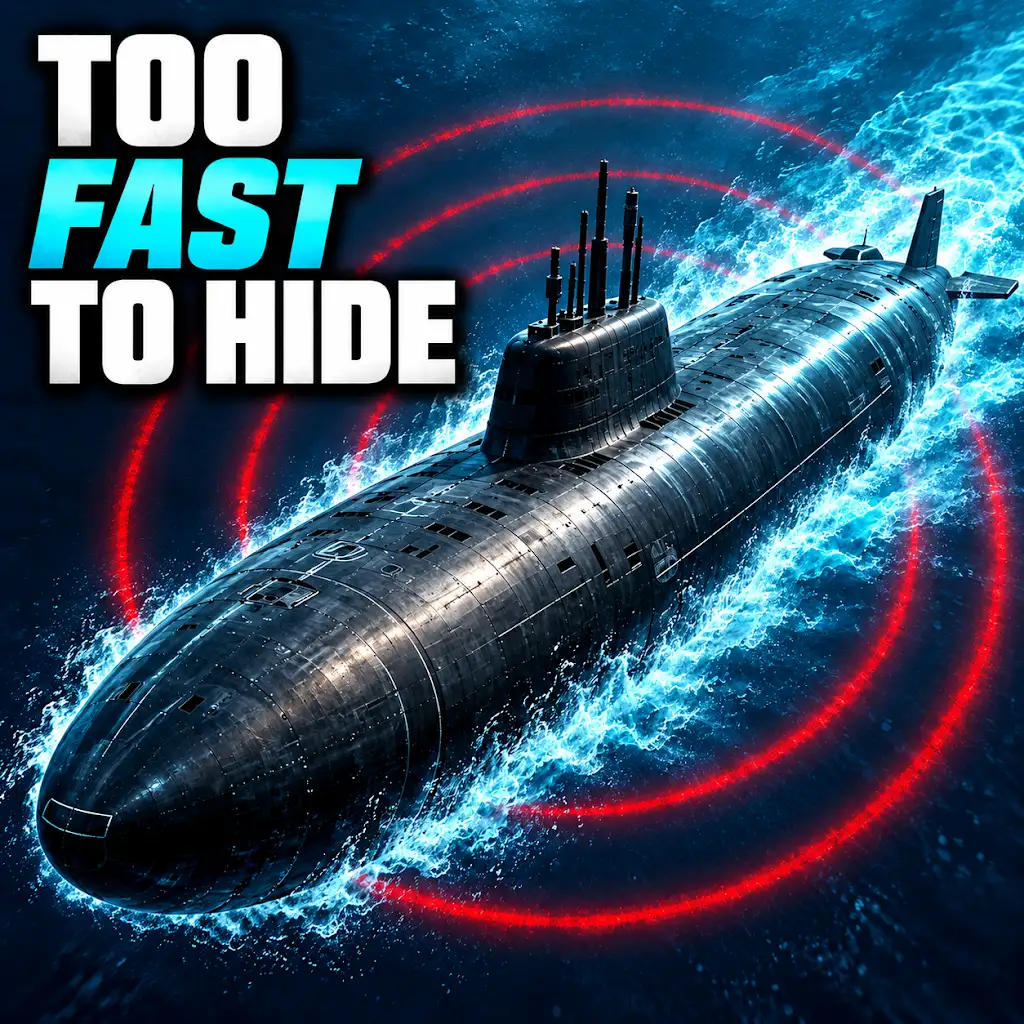
The vast, often unforgiving environment of the deep sea presents a unique set of challenges for naval engineering, none more so than the construction and maintenance of submarines. These silent hunters of the ocean depths rely on robust, impermeable hulls, capable of withstanding immense hydrostatic pressure. Traditionally, high-strength steel has been the material of choice for submarine construction, offering a balance of strength, weldability, and cost-effectiveness. However, the pursuit of enhanced performance, reduced acoustic signatures, and improved corrosion resistance has increasingly led naval designers to explore alternative materials. Among these, titanium alloys have emerged as a promising candidate, offering a compelling combination of high strength-to-weight ratio, exceptional corrosion resistance, and non-magnetic properties. Yet, the adoption of titanium in submarine construction, particularly for critical structural elements like welded joints, is not without its formidable technical hurdles. Russia’s Sevmash shipyard, a titan of shipbuilding with a long and distinguished history of submarine production, has been at the forefront of grappling with these complex welding challenges, pushing the boundaries of material science and welding technology to unlock the full potential of titanium for naval applications.
The Allure of Titanium: Advantages for Submarine Design
Titanium alloys have long been recognized for their exceptional properties, making them highly desirable for various high-performance applications, including aerospace, medical implants, and, increasingly, naval vessels. For submarines, the advantages are particularly compelling, promising significant improvements over traditional steel.
Superior Strength and Reduced Weight
One of the most significant benefits of titanium alloys is their remarkable strength-to-weight ratio. Pound for pound, titanium is stronger than many steels, yet considerably lighter. This inherent characteristic translates directly into substantial weight savings for a submarine’s hull. A lighter hull can lead to several operational advantages: increased speed and maneuverability, improved endurance due to reduced fuel consumption, and the potential to carry a greater payload of weapons or equipment. In the context of a submersible, where every kilogram counts towards buoyancy and operational efficiency, this weight reduction is a crucial driver for material innovation. The ability to achieve the same or even greater structural integrity with less mass is a fundamental design advantage.
Unrivaled Corrosion Resistance
The marine environment is inherently corrosive. Saltwater, with its high salinity and dissolved oxygen, constantly attacks metallic structures, leading to degradation and compromising their integrity over time. Steel, while robust, is susceptible to galvanic corrosion and pitting, necessitating protective coatings and rigorous maintenance schedules. Titanium, on the other hand, forms a tenacious, passive oxide layer on its surface when exposed to oxygen. This layer acts as a formidable barrier, preventing further oxidation and rendering the metal virtually immune to corrosion in seawater. This exceptional corrosion resistance means that titanium-hulled submarines could potentially have longer service lives, require less frequent and less extensive maintenance related to hull degradation, and maintain their structural integrity more reliably in the harsh oceanic environment. This translates to reduced lifecycle costs and enhanced operational readiness.
Low Magnetic Signature
For submarines, stealth is paramount. Their ability to operate undetected is a critical aspect of their strategic value. Magnetic signature is a key factor in a submarine’s detectability, particularly by magnetic anomaly detectors (MAD). Steel, being ferromagnetic, possesses a significant magnetic signature. Titanium, conversely, is paramagnetic, meaning it exhibits very weak magnetic properties. Utilizing titanium for hull construction can substantially reduce a submarine’s magnetic signature, making it significantly harder for enemy forces to detect. This stealth advantage is a major driving force behind the exploration of titanium in advanced submarine designs, aiming to create vessels that are even more elusive and survivable.
Sevmash, the largest shipbuilding company in Russia, has been facing significant challenges in titanium submarine welding, which is crucial for the construction of advanced submarines. These challenges are not only technical but also impact the overall timeline and costs of submarine production. For a deeper understanding of the complexities involved in submarine construction and the innovations being pursued to overcome these obstacles, you can read a related article at this link.
Welding Titanium: The Unseen Obstacles
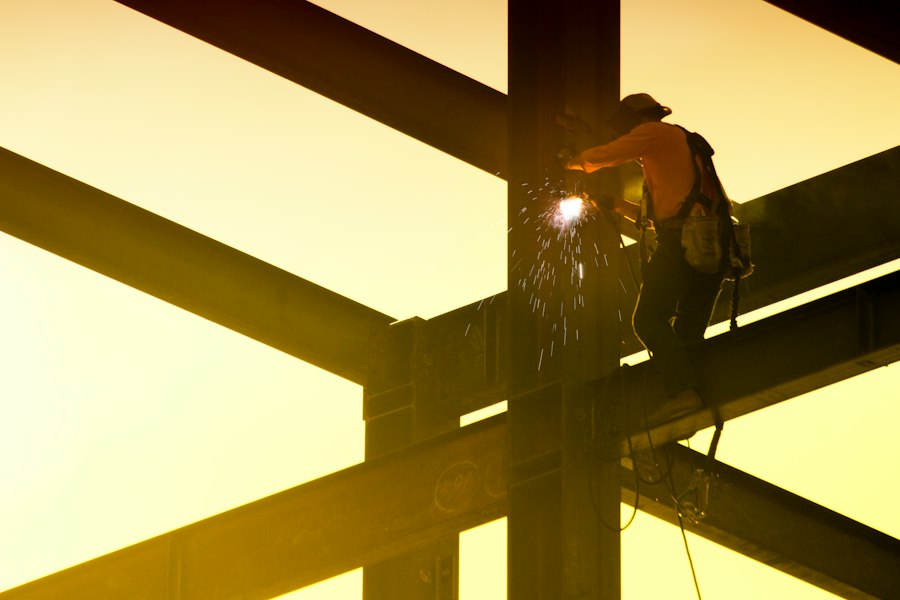
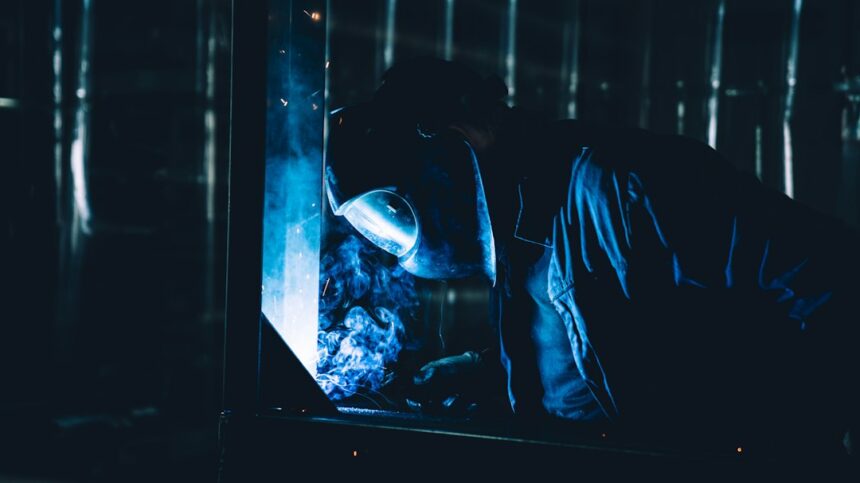
Despite the undeniable advantages, the widespread adoption of titanium in critical submarine structures has been hampered by significant welding challenges. Unlike steel, which has been welded for centuries and for which a vast array of well-understood and robust welding processes exist, titanium presents a more demanding metallurgical landscape. The very properties that make titanium so attractive also make it notoriously difficult to weld effectively, especially in a submerged or enclosed environment like that within a submarine construction hall.
Purity is Paramount: Susceptibility to Contamination
Titanium’s Achilles’ heel in welding lies in its extreme affinity for interstitial elements, particularly oxygen, nitrogen, hydrogen, and carbon. When titanium is molten or at elevated temperatures during the welding process, it readily absorbs these elements from the surrounding atmosphere. Even trace amounts of these contaminants can drastically alter the mechanical properties of the weld metal and the heat-affected zone (HAZ). Oxygen and nitrogen, when absorbed, form brittle carbides and nitrides, leading to a significant decrease in ductility and toughness, making the weld susceptible to cracking. Hydrogen, in particular, can lead to hydrogen embrittlement, a catastrophic failure mechanism that can cause sudden and brittle fracture. This necessitates an exceptionally clean welding environment, free from atmospheric contamination.
The Challenge of Shielding
To prevent the absorption of atmospheric contaminants, titanium welding requires meticulous shielding. This typically involves using inert gases, such as argon or helium, or a combination of both, to create a protective envelope around the molten weld pool and the hot base metal. However, achieving complete and continuous shielding, especially in the complex geometries and confined spaces encountered in submarine construction, is a significant undertaking. Even minor leaks in the shielding gas system or air currents can compromise the integrity of the weld. This is particularly true when welding in areas where access is limited or where specialized robotic welding equipment is being employed. The effectiveness of the shielding gas not only depends on its purity but also on its flow rate and distribution, requiring precise control and monitoring.
Thermal Management and Distortion Control
Titanium alloys, while strong, can also be susceptible to thermal distortion and residual stresses during welding. The relatively high thermal expansion coefficient of titanium, combined with the localized heating and cooling cycles inherent in the welding process, can lead to warping and deformation of the base material. For submarine hulls, where precise dimensional accuracy is critical for structural integrity and hydrodynamic performance, controlling distortion is of paramount importance. This requires careful selection of welding parameters, including heat input, interpass temperatures, and welding sequences. Advanced techniques such as preheating, post-weld heat treatment (PWHT), and specialized fixturing are often employed to mitigate these issues, adding complexity and cost to the welding process.
Sevmash’s Innovations in Titanium Welding
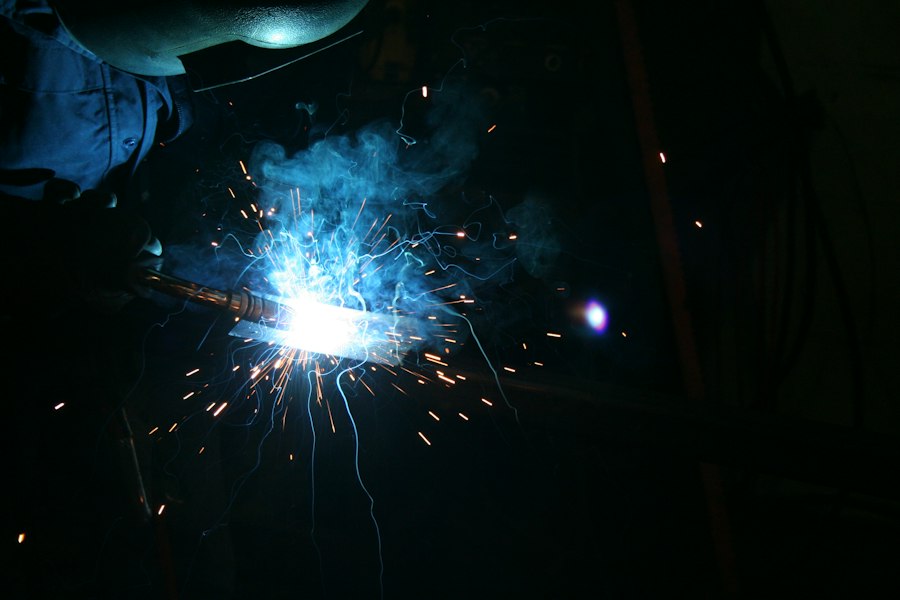
Sevmash, with its extensive experience in constructing some of the most advanced submarines in the world, has invested considerable effort and resources into developing and refining the technologies required for successful titanium welding. Their approach is multi-faceted, encompassing material science, process development, and sophisticated engineering solutions.
Advanced Inert Gas Shielding Systems
Recognizing the critical importance of preventing atmospheric contamination, Sevmash has pioneered the development of highly effective inert gas shielding systems. This includes the design of specialized welding torches that deliver a precise and consistent flow of shielding gas to the weld zone, creating a robust protective bubble. Furthermore, they have implemented advanced techniques for purging and inerting the entire welding cavity, particularly when working with large hull sections or complex internal structures. This might involve the use of inflatable bladders or temporary enclosures that can be filled with inert gas, creating a controlled atmosphere for the entire welding operation. The monitoring and control of gas flow rates, pressure, and purity are all critical elements in these sophisticated systems, often employing real-time sensors and feedback loops.
Precision Welding Processes and Automation
To ensure the highest quality welds and minimize human error, Sevmash has heavily embraced automated welding processes. This includes the use of advanced robotic welding systems, such as gas metal arc welding (GMAW) and gas tungsten arc welding (GTAW) in their automated configurations. These systems are programmed with precise parameters for travel speed, arc length, current, and voltage, ensuring consistent and repeatable weld quality. The programmability of these robots allows for welding in complex and hard-to-reach areas within the submarine hull, where manual welding would be difficult or impossible to perform with the required precision and control. The integration of real-time monitoring and non-destructive testing (NDT) within these automated systems further enhances the reliability of the welding process.
Material Selection and Pre-Weld Preparation
The success of titanium welding is not solely dependent on the welding process itself; it also hinges on the careful selection of the titanium alloy and rigorous pre-weld preparation. Sevmash works closely with material suppliers to ensure the use of high-quality, certified titanium alloys with controlled compositions, minimizing the risk of inherent defects. Pre-weld preparation is equally crucial. This involves meticulous cleaning of the base material surfaces to remove any oxides, oils, or other contaminants. Specialized cleaning techniques, such as degreasing, mechanical abrasion, and sometimes vacuum baking, are employed to ensure that the surfaces to be joined are pristine. The precise machining of weld joint edges is also critical to ensure proper fit-up and controlled penetration during welding.
Quality Assurance and Non-Destructive Testing
The stringent safety and reliability requirements for submarine hulls necessitate a robust and comprehensive quality assurance program. Sevmash employs a multi-layered approach to quality control, with a strong emphasis on non-destructive testing (NDT) methods to verify the integrity of every titanium weld.
Visual Inspection and Dye Penetrant Testing
The initial stage of quality assurance for titanium welds involves thorough visual inspection. Experienced inspectors meticulously examine the weld bead for any surface discontinuities such as porosity, cracks, undercut, or lack of fusion. Following visual inspection, dye penetrant testing (PT) is often employed. This method involves applying a colored or fluorescent liquid penetrant to the surface of the weld. The penetrant seeps into any surface-breaking defects, and after excess penetrant is removed, a developer is applied, which draws the trapped penetrant out, making the defects visible as colored indications. This is an effective method for detecting fine surface cracks and porosity that might not be immediately apparent visually.
Ultrasonic Testing for Internal Defects
For detecting internal flaws within the weld, ultrasonic testing (UT) is a critical NDT technique. UT employs high-frequency sound waves that are transmitted into the weldment. When these sound waves encounter a discontinuity, such as a void, inclusion, or lack of fusion, they are reflected back to a transducer. By analyzing the timing and amplitude of these reflected waves, inspectors can determine the size, location, and nature of internal defects. Sevmash utilizes advanced UT equipment and techniques, including phased array ultrasonics, which allows for more sophisticated imaging and flaw characterization, providing a detailed picture of the weld’s internal structure.
Radiographic Testing for Complex Geometries
While often more challenging to implement for large, complex submarine structures, radiographic testing (RT) can also be employed for specific titanium weldments. RT uses X-rays or gamma rays to create an image of the weld on film or a digital detector. Variations in the density of the weld material due to internal defects, such as porosity or slag inclusions, are revealed as darker or lighter areas on the radiograph. The choice of RT is often dictated by the specific geometry of the weld and the types of defects it is most effective at detecting. For Sevmash, the application of RT is carefully considered as part of a comprehensive NDT strategy.
Sevmash, the largest shipbuilding company in Russia, has faced significant challenges in titanium submarine welding, which are crucial for the construction of advanced submarines. These difficulties not only impact the production timeline but also raise concerns about the overall integrity and performance of the vessels. For a deeper understanding of the complexities involved in submarine construction and the technological advancements being pursued, you can read a related article on this topic at In The War Room. This resource provides valuable insights into the strategic implications of submarine capabilities in modern naval warfare.
The Future of Titanium in Submarine Construction
| Challenge | Description | Impact on Welding Process | Mitigation Strategies | Sevmash Specific Notes |
|---|---|---|---|---|
| Material Reactivity | Titanium’s high reactivity with oxygen, nitrogen, and hydrogen at elevated temperatures | Leads to embrittlement and weld contamination | Use of inert gas shielding (argon), strict atmospheric control | Sevmash employs advanced argon shielding chambers to prevent contamination |
| Weld Distortion | High thermal conductivity and expansion rates cause distortion during welding | Dimensional inaccuracies affecting submarine hull integrity | Controlled heat input, preheating, and post-weld heat treatment | Sevmash uses precision fixtures and controlled welding parameters to minimize distortion |
| Weld Cracking | Susceptibility to cold cracking due to residual stresses and hydrogen absorption | Structural weaknesses and potential failure points | Hydrogen control, slow cooling rates, and stress-relief treatments | Sevmash implements strict hydrogen monitoring and post-weld stress relief |
| Equipment Wear | High hardness and abrasiveness of titanium alloys cause rapid tool wear | Increased maintenance and downtime | Use of specialized welding equipment and consumables designed for titanium | Sevmash invests in custom welding torches and consumables to extend tool life |
| Inspection Difficulty | Complex geometry and titanium’s properties complicate non-destructive testing | Potential undetected defects in critical welds | Advanced ultrasonic and radiographic inspection techniques | Sevmash employs phased-array ultrasonic testing tailored for titanium welds |
Sevmash’s persistent efforts to overcome the challenges of titanium welding are paving the way for a future where titanium plays an increasingly significant role in submarine design and construction. The successful application of this advanced material promises to usher in a new era of naval capability.
Enhanced Stealth and Survivability
The continued refinement of titanium welding techniques by Sevmash will enable naval architects to design submarines with hulls that are not only stronger and lighter but also significantly stealthier. The reduced magnetic signature afforded by titanium, coupled with potentially lower acoustic emissions due to material properties and reduced need for maintenance-related noise, will make these vessels even more difficult to detect and track. This translates directly into enhanced survivability and a greater strategic advantage for the navies that operate them. The ability to operate with a lower probability of detection is a cornerstone of modern submarine warfare.
Extended Operational Lifetimes and Reduced Maintenance
The exceptional corrosion resistance of titanium is a game-changer for long-term submarine operations. By minimizing the impact of the corrosive marine environment, titanium hulls can significantly extend the operational lifespan of submarines. This not only reduces the overall cost of ownership over the vessel’s life cycle but also enhances operational readiness. Less time spent in dry dock for hull maintenance means more time at sea, contributing to a more potent and capable naval force. The elimination of many corrosion-related maintenance tasks simplifies logistics and reduces the burden on maintenance crews.
Pushing the Boundaries of Naval Engineering
Sevmash’s commitment to mastering titanium welding is a testament to their dedication to pushing the boundaries of naval engineering. Their work in this specialized field is not just about building better submarines today, but about developing the foundational knowledge and technological capabilities for the submarines of tomorrow. As new challenges emerge and the demands on naval vessels continue to evolve, the expertise gained in welding advanced materials like titanium will be invaluable. Sevmash’s ongoing research and development in this area will undoubtedly contribute to the evolution of naval technology on a global scale, setting new benchmarks for performance, resilience, and stealth. The lessons learned and the processes perfected at Sevmash are likely to influence future naval construction efforts worldwide.