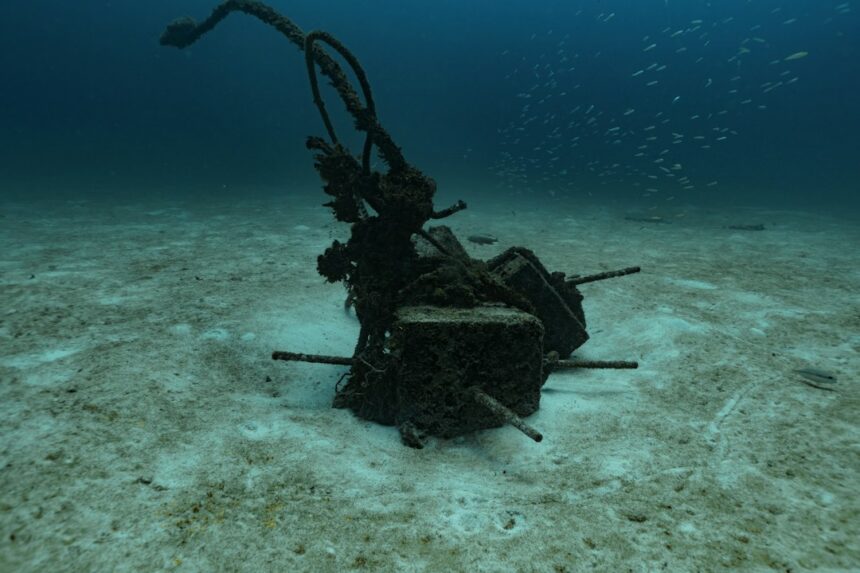
The frigid winds that swept across the Arctic and the deep, dark trenches of the Pacific held a secret war, a silent struggle waged not with bombs and bullets, but with sonar pings and electronic whispers. During the Cold War, the vast, often unseen expanse of the world’s oceans became a crucial battleground, a theater of operations for a clandestine campaign of underwater surveillance that shaped the geopolitical landscape and demanded ingenuity born of necessity. These missions, shrouded in secrecy and fraught with peril, sought to map enemy submarine movements, monitor naval capabilities, and gather intelligence vital to national security. The depths of the ocean, once a frontier of exploration, were transformed into a silent, submerged arena where the fate of nations could be influenced by what lay hidden beneath the waves.
Echoes in the Deep: The Strategic Imperative
The Cold War, characterized by a tense standoff between the United States and the Soviet Union, was fundamentally a war of deterrence. Both superpowers understood that a direct military confrontation could lead to mutually assured destruction. This realization propelled a relentless pursuit of technological and strategic superiority, with the undersea domain emerging as a particularly significant arena. The ability to track, identify, and potentially neutralize an adversary’s submarine fleet was paramount. Submarines, especially nuclear-powered ballistic missile submarines (SSBNs), represented the ultimate retaliatory strike capability, capable of launching a devastating nuclear attack with little warning. Therefore, understanding their locations, operational patterns, and technological advancements was not merely a matter of intelligence gathering; it was a matter of survival.
The Submarine Specter: A Constant Threat
The proliferation of submarines, particularly by the Soviet Union, presented a unique challenge. Unlike surface fleets, submarines could operate with relative stealth, their presence masked by the ocean’s vastness. Their ability to remain submerged for extended periods, powered by nuclear reactors, meant they could patrol for months, undetected and unhindered. This spectral threat loomed large in the strategic calculations of Western planners. The fear was that a surprise submarine-launched missile attack could cripple retaliatory forces, leaving a nation vulnerable. Consequently, the development of sophisticated underwater surveillance systems became a top priority.
The Silent Service’s Gambit: Listening to the Abyss
The naval branches of both superpowers invested heavily in what became known as the “Silent Service” – their submarine fleets. However, the objective of underwater surveillance extended beyond simply operating their own submarines. It involved a complex and often indirect approach: listening. Hydrophones, passive sonar systems capable of detecting the faintest of sounds, became the eyes and ears of this underwater war. These systems were deployed on submarines, surface ships, and even strategically placed fixed installations on the seabed. The goal was to analyze the acoustic signatures of enemy vessels, distinguishing the distinct hum of a Soviet submarine from the natural sounds of the ocean. This was a painstaking process, requiring immense computational power and highly trained acousticians to interpret the subtle nuances of underwater noise.
During the Cold War, underwater surveillance missions played a crucial role in gathering intelligence and monitoring enemy activities, particularly in the context of submarine warfare. For a deeper understanding of these covert operations, you can explore the article titled “Underwater Espionage: The Cold War’s Secret Missions” available at In the War Room. This article delves into the technological advancements and strategies employed during this tense period, shedding light on the complexities of underwater surveillance.
The Art of the Invisible: Technologies of Subsurface Espionage
The sheer scale of the underwater environment and the inherent stealth of submarines necessitated the development of innovative and often unconventional technologies. The early days of sonar, while revolutionary, were limited. The Cold War era saw a rapid acceleration in technological advancement, driven by the constant need to outmaneuver and outwit the enemy. These advancements spanned across various fields, from acoustics and electronics to material science and even biology.
Acoustic Arrays: The Ears of the Ocean Floor
One of the most significant advancements in underwater surveillance was the development of extensive underwater acoustic arrays. These were not just single hydrophones but vast networks of sensors, often stretching for miles along the ocean floor. Projects like the Sound Surveillance System (SOSUS) in the United States were monumental undertakings. SOSUS utilized long, cabled arrays of hydrophones placed in strategic locations, particularly in narrow straits and choke points through which Soviet submarines would likely transit. These arrays were designed to detect and track the low-frequency sounds produced by submarines, transmitting the data back to shore-based processing centers. The sheer volume of data collected was immense, requiring sophisticated computer algorithms and human analysts to sift through it and identify potential threats.
Towed Arrays and Submarine Sonar: Mobile Listening Posts
While fixed arrays provided a constant, passive watch, mobile listening posts were equally crucial. Submarines themselves were equipped with increasingly sophisticated sonar systems, both passive and active. Passive sonar, as mentioned, listened for sounds produced by other vessels. Active sonar, on the other hand, emitted a sound pulse and listened for the echo, providing range and bearing information. However, active sonar had a significant drawback: it revealed the presence of the sonar-emitting submarine. Therefore, passive sonar was often preferred for covert surveillance missions, allowing submarines to gather intelligence without revealing their own position. Towed arrays, long strings of hydrophones towed behind a submarine or surface ship, further enhanced the listening capabilities of these mobile platforms, allowing them to cover a wider area and detect fainter sounds from a greater distance.
Intelligence from the Depths: Signals Intelligence (SIGINT)
Beyond acoustic intelligence, another critical aspect of underwater surveillance involved signals intelligence (SIGINT). While submarines are designed for stealth, they do emit various forms of electromagnetic radiation, albeit usually at low power levels and for short durations. These emissions can include radar, communications signals, and even navigational data. Specialized listening posts, both on the surface and, in some cases, specially adapted submarines, were tasked with intercepting and analyzing these signals. The challenge was immense, as these signals were often weak, encrypted, and buried within a complex electromagnetic spectrum. However, successful interception and decryption could provide invaluable insights into the operational status, intentions, and technological capabilities of enemy submarines.
The Invisible Warships: Submarine Operations and Countermeasures
The effectiveness of any surveillance mission hinges on the performance of the assets being monitored. During the Cold War, submarines were not just passive targets of surveillance; they were active participants in a complex game of cat and mouse. The design, operation, and countermeasures employed by submarines directly influenced the strategies and technologies of the surveillance efforts.
The Silent Running Revolution: Quieter Submarines
As surveillance technologies improved, so too did the efforts to evade them. Both the US and Soviet navies invested heavily in making their submarines quieter. This involved significant advancements in hull design, propeller technology, and engine noise reduction. Anechoic coatings, materials designed to absorb sonar pings rather than reflect them, were applied to submarine hulls. Magnetic silencing techniques, designed to reduce the magnetic signature of a submarine, were also developed. The goal was “silent running,” a state where a submarine’s acoustic signature was so low that it was virtually indistinguishable from the ambient noise of the ocean. This constant escalation in the pursuit of stealth and detection defined much of the technological arms race beneath the waves.
Deception and Counter-Surveillance: Hiding in Plain Sight
Beyond simply being quiet, submarines also employed various deception tactics. This included the use of decoys, such as towed noisemakers designed to mimic the sound of a submarine, drawing attention away from the real vessel. Submarines would also operate in specific patterns, sometimes mimicking the acoustic signatures of other, less critical vessels or even natural phenomena to confuse enemy intelligence. Counter-surveillance measures also involved actively trying to detect and evade enemy sonar, employing jamming techniques or maneuvering to break sonar lock. The ability of a submarine commander to effectively operate in this environment, making split-second decisions based on limited and often ambiguous intelligence, was as critical as the technology itself.
The Challenge of Deep Water and Ice: Operating in Extremes
The vast majority of the world’s oceans are deep and cold, presenting unique challenges for both surveillance and submarine operations. The propagation of sound waves changes significantly with depth and temperature, creating “convergence zones” and “shadow zones” where sound can either travel exceptionally far or be completely blocked. This meant that surveillance efforts had to account for complex acoustic conditions. Furthermore, the Arctic Ocean, with its vast ice sheets, presented another layer of complexity. Submarines could operate beneath the ice, gaining a significant tactical advantage, but this also made them incredibly difficult to track. Surveillance missions in these environments required specialized equipment and techniques, pushing the boundaries of what was technologically possible.
The Intelligence Harvest: What Was Learned from the Depths
The immense resources poured into underwater surveillance missions during the Cold War yielded a wealth of intelligence. This intelligence was not always about identifying specific submarines or their immediate threat; it was also about understanding broader strategic trends, technological capabilities, and the operational doctrines of the adversary.
Mapping the “Silent Fleets”: Understanding Soviet Naval Strategy
A primary objective of underwater surveillance was to map the movements and capabilities of the Soviet submarine fleet. By tracking the patterns of deployment, the types of submarines in operation, and their transit routes, Western intelligence agencies could gain a comprehensive understanding of Soviet naval strategy. This included insights into their operational readiness, their potential deployment scenarios for nuclear missile launches, and their ability to project power globally. The data gathered helped shape defensive strategies and inform diplomatic negotiations, as the understanding of Soviet capabilities provided leverage.
Technological Insights: A Glimpse into Soviet Innovation
Underwater surveillance also provided crucial insights into the technological advancements being made by the Soviet Union. By analyzing the acoustic signatures of new submarine classes, the performance of their sonar systems, and their weapon deployment capabilities, Western analysts could assess the pace of Soviet innovation. This information was vital for maintaining technological parity or identifying areas where a qualitative advantage needed to be developed. The constant effort to identify and counter new Soviet technologies fueled much of the research and development within Western naval forces.
The Strategic Balance: Informing Deterrence and Diplomacy
Ultimately, the intelligence gathered from underwater surveillance missions played a critical role in shaping the strategic balance of the Cold War. The ability to monitor Soviet SSBNs and understand their readiness for a retaliatory strike was fundamental to the doctrine of Mutually Assured Destruction (MAD). Knowing that the West could track and potentially neutralize a significant portion of the Soviet nuclear arsenal provided a degree of reassurance and helped to deter a first strike. Furthermore, this intelligence informed diplomatic efforts, providing a factual basis for arms control negotiations and strategic discussions. The unseen war beneath the waves, therefore, had a profound and direct impact on the global geopolitical landscape.
During the Cold War, underwater surveillance missions played a crucial role in gathering intelligence and monitoring enemy activities. These covert operations often involved advanced technology and innovative strategies to remain undetected. For a deeper understanding of the complexities and challenges faced during these missions, you can explore a related article that delves into the intricacies of underwater espionage. This insightful piece can be found at this link, where you will discover more about the fascinating world of Cold War underwater surveillance.
The Legacy of the Silent War: Enduring Impact and Evolving Threats
| Metric | Description | Value/Details |
|---|---|---|
| Operation Name | Code name of the mission | Operation Ivy Bells |
| Time Period | Years during which the mission was active | 1970 – 1980 |
| Primary Objective | Main goal of the underwater surveillance | Intercept Soviet naval communications |
| Location | Geographical area of operation | Sea of Okhotsk, near Soviet naval bases |
| Technology Used | Equipment and methods employed | Underwater tapping devices, submarines, divers |
| Duration of Missions | Average length of individual surveillance missions | Several weeks to months |
| Personnel Involved | Number and type of operatives | Special forces divers, intelligence officers, submarine crews |
| Success Rate | Effectiveness in gathering intelligence | High – significant intelligence gathered until discovery |
| Discovery | When and how the mission was compromised | 1981 – Soviet discovery of tapping device |
| Impact | Effect on Cold War intelligence and naval strategy | Provided critical insight into Soviet naval operations |
The Cold War may have ended, but the legacy of its underwater surveillance missions continues to resonate. The technologies developed, the operational doctrines established, and the understanding of the undersea domain have all left an indelible mark on modern naval warfare and intelligence gathering.
Technological Advancements: From Cold War Tools to Modern Systems
Many of the technologies that were at the forefront of Cold War underwater surveillance have evolved into the sophisticated systems used by navies today. Advancements in sonar processing, acoustic analysis, and underwater sensor networks are direct descendants of the research and development undertaken during that era. The principles of passive listening, signal processing, and the understanding of acoustic propagation remain fundamental. Modern submarines are still designed with stealth in mind, and the continuous effort to detect them fuels ongoing innovation in underwater sensing and tracking.
The Evolving Threat: New Actors and New Challenges
While the bipolar confrontation of the Cold War has dissolved, the undersea domain remains a critical area of strategic interest. The proliferation of submarine technology to a wider range of nations, including those with less stable political regimes, presents new challenges. The rise of non-state actors and the increasing importance of maritime trade routes have also added new dimensions to underwater security concerns. The lessons learned from Cold War surveillance missions are being adapted to address these evolving threats, from monitoring illicit trafficking to safeguarding critical undersea infrastructure.
The Unseen Frontier: Continued Exploration and Vigilance
The oceans continue to hold vast mysteries, and the need for understanding and monitoring the undersea environment persists. While the geopolitical stakes may have shifted, the imperative to maintain a strategic advantage and ensure national security remains. The ongoing development of autonomous underwater vehicles (AUVs) and unmanned underwater vehicles (UUVs) represents the next generation of underwater surveillance, building upon the foundations laid during the Cold War. The silent war beneath the waves may have changed its players and its immediate objectives, but the vigilance required to protect national interests in this unseen frontier will undoubtedly continue. The echoes of the Cold War’s underwater surveillance missions serve as a constant reminder of the vital importance of what lies hidden beneath the waves.

The Soviet Submarine Britain Lost—Then Found Again
FAQs
What was the purpose of the cold war underwater surveillance mission?
The purpose of the cold war underwater surveillance mission was to monitor and track the movements of enemy submarines in order to gather intelligence and maintain national security.
Which countries were involved in the cold war underwater surveillance mission?
The cold war underwater surveillance mission involved countries such as the United States, Soviet Union, United Kingdom, and other NATO allies, as well as their respective adversaries.
What technology was used during the cold war underwater surveillance mission?
During the cold war underwater surveillance mission, advanced sonar systems, underwater listening devices, and submarines equipped with surveillance equipment were used to detect and track enemy submarines.
How long did the cold war underwater surveillance mission last?
The cold war underwater surveillance mission lasted for several decades, spanning from the late 1940s to the early 1990s, coinciding with the duration of the cold war between the Western powers and the Soviet bloc.
What were some of the challenges faced during the cold war underwater surveillance mission?
Some of the challenges faced during the cold war underwater surveillance mission included navigating treacherous underwater terrain, avoiding detection by enemy forces, and interpreting complex data gathered from surveillance operations.