The sun beat down on the scarred landscape surrounding Baghdad, the air thick with dust and the ever-present tension of a city in flux. Amidst this volatile environment, a crucial, often unseen, element of the post-invasion security apparatus operated: private security contractors. Among them, Blackwater Worldwide, later to become Academi, played a significant role, particularly in the vital and perilous task of convoy protection. Their operations, shrouded in controversy and necessity, were instrumental in ensuring the movement of personnel, supplies, and critical infrastructure across a treacherous urban sprawl. This article delves into the complexities of Blackwater convoy protection in Baghdad, exploring the operational realities, the challenges faced, and the enduring legacy of their presence.
Baghdad, after the 2003 invasion, was a city grappling with the immediate aftermath of regime change. The collapse of established order led to a vacuum filled by insurgency, criminality, and a general breakdown of law and security. This created an incredibly dangerous environment for anyone attempting to traverse its streets.
The Nature of the Threat
The threats faced by convoys were multifaceted and constantly evolving. Understanding this threat matrix was paramount for effective protection.
Insurgent Activity
Insurgent groups, ranging from former regime loyalists to religiously motivated militias, posed the most significant and persistent danger. Their tactics included:
- Improvised Explosive Devices (IEDs): These were the scourge of any convoy operation. Buried in roadsides, placed in abandoned vehicles, or even disguised as debris, IEDs could cripple or destroy vehicles and inflict casualties. Their unpredictable placement and devastating power made route reconnaissance and mitigation a constant challenge.
- Ambushes: Insurgents frequently employed ambushes, using small arms fire, rocket-propelled grenades (RPGs), and mortar attacks to cripple vehicles and isolate targets. These attacks often occurred at choke points, intersections, or areas with limited visibility.
- Direct Fire Attacks: While less common than IEDs, direct fire attacks with heavy machine guns and even anti-tank weaponry could pose a severe threat to armored vehicles.
- Kidnapping and Hostage-Taking: The potential for kidnapping was a constant concern, particularly for high-value individuals or sensitive cargo. Insurgents sought to capture personnel for ransom, propaganda, or intelligence.
Criminal Elements
Beyond organized insurgency, ordinary criminal elements also contributed to the insecurity. These included:
- Carjacking and Looting: Opportunistic criminals would target vehicles, especially those perceived as vulnerable or carrying valuable goods.
- Extortion and Bribery: Convoys could be targeted by local gangs or corrupt officials demanding payment for safe passage, a practice that further complicated logistics and operational costs.
Other Risks
The inherent dangers of operating in a warzone extended beyond deliberate attacks:
- Traffic Accidents: The chaotic traffic conditions, combined with high speeds and poor road infrastructure, led to a significant risk of accidents, which could expose convoys to further attack.
- Unexploded Ordnance (UXO): The legacy of decades of conflict meant that areas could be littered with unexploded munitions, posing a silent but deadly threat.
- Local Populace Interaction: While many locals were benign, the presence of armed convoys could sometimes provoke fear, anger, or even hostile reactions from the civilian population, particularly in areas with a history of civilian casualties.
The Importance of Convoy Protection
The need for secure transportation in Baghdad was not merely about convenience; it was a strategic imperative.
- Logistics and Resupply: The ability to move food, water, fuel, medical supplies, and equipment to military bases, diplomatic compounds, and reconstruction projects was essential for the functioning of the entire U.S. and coalition presence.
- Personnel Movement: Diplomatic staff, government officials, military personnel on specific missions, and civilian contractors all required secure transportation to conduct their work.
- Infrastructure Development: The movement of construction materials and personnel to rebuild power grids, water treatment plants, and other vital infrastructure was critical for stabilizing the country.
- Deterrence: The visible presence of well-armed, professional security convoys could act as a deterrent to potential attackers, signaling that targets were protected.
In the context of private military contractors and their role in conflict zones, the article “Blackwater’s Role in Baghdad: A Closer Look at Convoy Protection” provides an in-depth analysis of the controversial operations conducted by Blackwater in Iraq. This piece highlights the complexities and challenges faced by private security firms while ensuring the safety of convoys amidst the dangers of Baghdad. For more insights on this topic, you can read the article at In the War Room.
Blackwater’s Role and Mandate
Blackwater Worldwide entered the Iraqi theater of operations with a clear, albeit often contested, mandate: to provide security services that the nascent Iraqi security forces were not yet capable of delivering. Their primary focus in Baghdad, in relation to convoys, was to offer a layer of protection that could withstand the prevalent threats.
The Scope of Services
Blackwater’s involvement in Baghdad encompassed a range of security-related tasks, with convoy protection being a prominent and highly visible one.
Personal Security Details (PSDs)
One of the most critical functions was the provision of PSDs for high-ranking officials, diplomats, and VIPs. These individuals often required constant protection, with convoys forming a standard part of their daily movements.
Diplomatic Convoy Operations
The U.S. Embassy in Baghdad and other diplomatic missions relied heavily on private security contractors to escort their personnel. These convoys were often targeted due to their perceived symbolic value and the importance of the individuals they carried.
Logistical Convoy Security
Beyond personnel, Blackwater was contracted to provide security for a vast array of logistical movements. This included:
- Fuel Convoys: Ensuring the continuous supply of fuel to generators and vehicles was a constant challenge, and these convoys were high-priority targets.
- Supply Convoys: Transporting food, water, and other essential supplies to various outposts and facilities.
- Construction Material Convoys: Facilitating the movement of materials for reconstruction projects.
Specialized Convoy Operations
In certain instances, Blackwater would be engaged for specialized convoy needs, such as:
- Sensitive Cargo Transport: Protecting valuable or classified materials during transit.
- High-Risk Route Operations: Providing enhanced security for convoys traveling on known dangerous routes.
Contractual Framework and Oversight
Blackwater operated under contracts with various U.S. government agencies, primarily the Department of State and the Department of Defense.
Department of State Contracts
The State Department, through its Diplomatic Security Service (DSS), was a major client for private security contractors in Iraq. Blackwater provided protection for diplomatic personnel and facilities, including embassy convoys.
Department of Defense Contracts
While the DOD had its own security forces, it also utilized private contractors for specific tasks, including the protection of logistical convoys that supported military operations.
Oversight Challenges
The nature of private contracting in a conflict zone presented unique oversight challenges. Ensuring accountability, adherence to rules of engagement, and proper conduct of contractors operating in a highly dangerous environment was a complex undertaking.
The Blackwater Convoy Protection Model
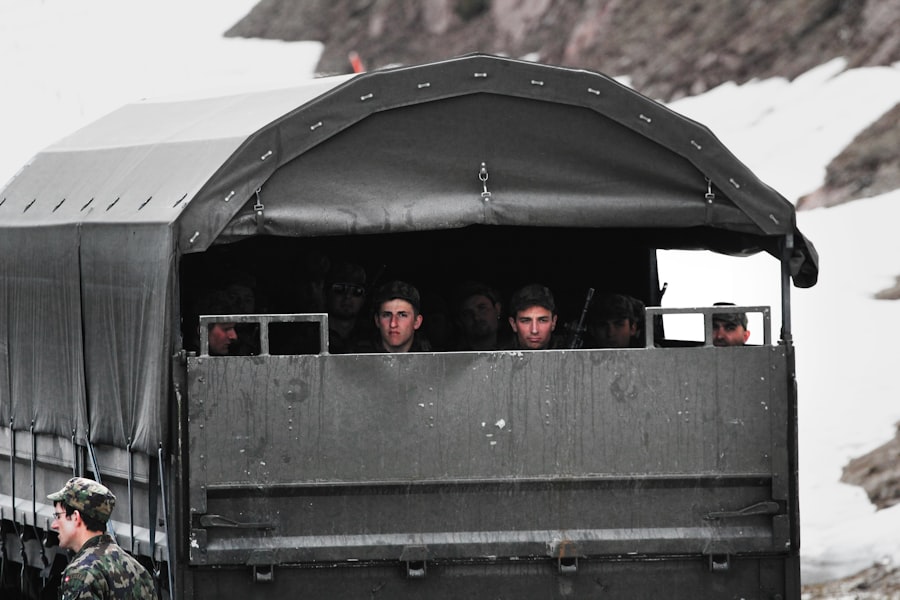
Blackwater developed a comprehensive approach to convoy protection, drawing on military experience and adapting to the specific realities of the Iraqi insurgency. Their model emphasized armored vehicles, tactical formations, and highly trained personnel.
Vehicle Configuration and Armament
The choice of vehicles and their armament was crucial for survivability.
Armored Personnel Carriers (APCs) and MRAPs
Blackwater heavily utilized heavily armored vehicles, including:
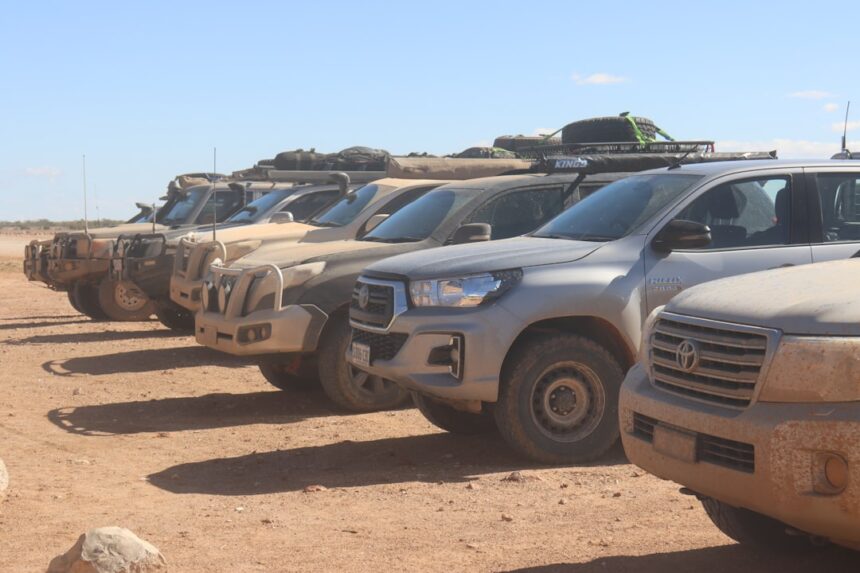
- Armored Sedans and SUVs: For PSDs and lighter escort duties, often up-armored civilian vehicles.
- Armored Personnel Carriers (APCs): Such as the M113, or more heavily armored variants like the Cadillac Gage V-150 Commando, which offered significant protection against small arms and IED blasts.
- Mine-Resistant Ambush Protected (MRAP) vehicles: As they became available, MRAPs, with their V-shaped hulls designed to deflect blasts, became a preferred choice for their enhanced IED protection.
Defensive Armament
The armed response capability of the convoy was a key deterrent and force multiplier.
- Machine Guns: .50 caliber heavy machine guns and M240B medium machine guns were standard on many vehicles, providing suppression and anti-personnel capabilities.
- Grenade Launchers: M203 grenade launchers attached to assault rifles offered a means to suppress enemy positions or neutralize threats at a distance.
- Personal Weapons: Team members were equipped with a range of personal firearms, including assault rifles (e.g., M4 carbines) and sidearms.
Tactical Formations and Procedures
The way a convoy moved and operated was as important as the hardware. Blackwater employed established tactical formations to maximize defensive posture.
Standard Convoy Formations
- Column Formation: The most common formation, with vehicles following one behind another, allowing for speed and maneuverability on roads.
- Staggered Column: Alternating vehicles to the left and right, providing better fields of fire and reducing the impact of a single IED disabling multiple vehicles.
- Box Formation: Used for static defense or when movement was restricted, with vehicles forming a protective perimeter.
Reaction Drills and Procedures
Extensive training was dedicated to reacting to different threats.
- IED Detection and Avoidance: Route reconnaissance, use of specialized detection equipment, and driver training to recognize signs of IED emplacement.
- Ambuscade Response: Procedures for breaking contact, returning fire, and using smoke screens or other countermeasures to disengage from an ambush.
- Disabled Vehicle Protocol: Immediate actions to secure a disabled vehicle, provide medical aid, and defend against follow-on attacks.
- Overwatch and Support: Designating lead and trail vehicles with enhanced observation capabilities and establishing communication protocols for reporting and requesting support.
Personnel Training and Selection
The effectiveness of any security operation hinges on the quality of its personnel. Blackwater prided itself on the caliber of its operatives.
Recruitment and Vetting
Operatives were typically drawn from former military and law enforcement backgrounds, bringing with them valuable combat and tactical experience. Rigorous vetting processes were in place.
Specialized Training
- Defensive Driving and Evasive Maneuvers: Essential for navigating hazardous roads and evading threats.
- Firearms Proficiency and Tactical Shooting: Maintaining high levels of marksmanship under pressure.
- IED Recognition and Counter-IED Tactics: Training to identify and mitigate the threat of explosive devices.
- Medical Training (Tactical Combat Casualty Care): Ensuring immediate and effective medical care in a combat environment.
- Rules of Engagement and Use of Force: Adherence to strict protocols governing the application of force, a critical aspect that would later be scrutinized.
Challenges and Controversies
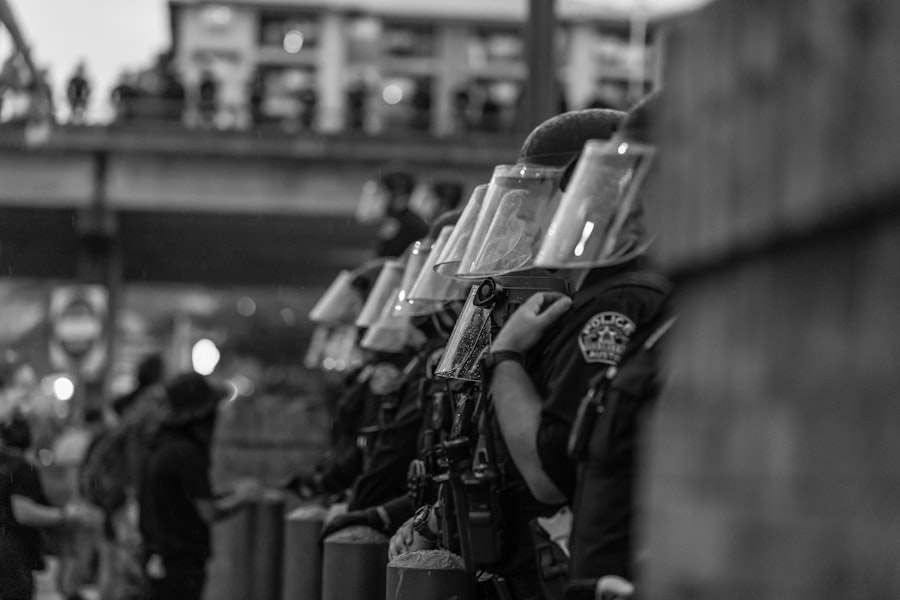
Despite their operational capabilities, Blackwater’s presence in Baghdad was not without its significant challenges and became mired in controversy.
The Nisour Square Massacre and its Aftermath
The most infamous incident involving Blackwater operatives in Baghdad was the September 16, 2007, shooting at Nisour Square.
The Incident
During a routine convoy escort for a State Department vehicle, Blackwater operatives opened fire on Iraqi civilians in the crowded square, killing 17 people and injuring many more. The circumstances surrounding the shooting were highly contested.
Investigations and Legal Proceedings
The incident triggered widespread outrage in Iraq and led to intense scrutiny of private military contractors. Investigations were conducted by the FBI, the Iraqi government, and the U.S. State Department.
- U.S. Federal Court Cases: Several Blackwater guards were indicted in the U.S. on charges including manslaughter and murder. The legal proceedings were lengthy and complex, with convictions and acquittals occurring over time.
- Impact on Blackwater’s Operations: The Nisour Square massacre severely damaged Blackwater’s reputation and led to increased restrictions and a temporary suspension of their operations in Iraq. It also fueled debates about the accountability and oversight of private security contractors.
Rules of Engagement and Use of Force
The application of force by private contractors in a complex, asymmetric conflict was a constant point of contention.
Ambiguity and Interpretation
The rules of engagement for Blackwater operatives, particularly under State Department contracts, were often seen as having a degree of ambiguity, leading to differing interpretations and potential for escalation.
Civilian Casualties
The unavoidable reality of operating in densely populated urban environments meant that civilian casualties were a tragic but recurrent consequence of security operations, regardless of the contractor. These incidents, often amplified by the lack of trust and communication, contributed to negative perceptions.
Accusations of Excessive Force
Critics frequently accused Blackwater of using excessive force, particularly in situations where the threat was unclear or perceived to be less severe.
Inter-Agency Coordination and Communication
Effective coordination between private security contractors and official military and diplomatic forces was crucial but often challenging.
Information Sharing
Ensuring that all parties had access to real-time threat intelligence and operational plans was vital to prevent miscalculations and friendly fire incidents.
Command and Control
The lines of command and control between private contractors and military commanders could be blurred, especially in rapidly evolving situations.
Operational Costs and Effectiveness Debates
The use of private security contractors, while often seen as a necessary solution, came with significant financial implications.
Contractual Expenditures
The substantial sums paid to private security firms for their services raised questions about cost-effectiveness compared to employing government forces.
Measuring Success
Quantifying the success of convoy protection operations, beyond simply preventing attacks, was difficult. The absence of an attack could be attributed to effective security, but also to a lack of targeting by insurgents.
The role of private military contractors in conflict zones has been a topic of significant discussion, particularly regarding the infamous Blackwater convoy protection operations in Baghdad. These operations raised questions about accountability and the implications of outsourcing military functions. For a deeper understanding of the complexities surrounding such private security firms, you can explore a related article that delves into the broader impact of privatized military services on modern warfare. This insightful piece can be found here.
The Legacy of Blackwater Convoy Protection in Baghdad
| Metrics | Data |
|---|---|
| Number of Blackwater convoys | 50 |
| Incidents during protection | 12 |
| Number of personnel in convoy | 100 |
| Duration of protection | 6 months |
The legacy of Blackwater’s convoy protection operations in Baghdad is complex, marked by both perceived effectiveness in a dangerous environment and profound controversy.
A Necessary Evil?
Many within the U.S. government and military circles argued that private security contractors, including Blackwater, were a necessary component of the security architecture in Iraq, particularly in the early years.
- Filling the Gap: They filled a critical void in security capabilities that the Iraqi forces were not yet equipped to handle.
- Allowing Core Missions to Proceed: By providing secure transportation, they enabled diplomatic, logistical, and reconstruction efforts to continue in a highly dangerous environment.
The Impact on U.S. Foreign Policy
The operations of Blackwater and other private security firms had a significant impact on U.S. foreign policy and the conduct of military operations.
- Increased Reliance on Private Contractors: The Iraq War saw an unprecedented reliance on private contractors for a wide range of services, including security. This trend has continued in subsequent conflicts.
- Debates on Accountability and Oversight: The controversies surrounding Blackwater highlighted the urgent need for stronger oversight and clearer legal frameworks for private military contractors operating in conflict zones.
Perceptions in Iraq
For the Iraqi population, Blackwater’s presence, particularly after incidents like Nisour Square, was often viewed with suspicion and resentment.
- Symbol of Foreign Intervention: The heavily armed convoys, often seen as operating with impunity, became a visible symbol of foreign military intervention and, for some, occupation.
- Erosion of Trust: Incidents of civilian casualties and alleged abuses contributed to an erosion of trust between the Iraqi population and foreign security forces, both private and governmental.
Evolving Security Paradigms
The experiences in Iraq, including those of Blackwater, have prompted ongoing discussions and adjustments in how security operations are conducted by governments abroad.
- Balancing Private and Public Security: There is a continuous effort to strike a balance between leveraging the capabilities of private security firms and maintaining direct governmental control over security functions.
- Enhanced Regulation and Scrutiny: The lessons learned have led to increased regulatory scrutiny of private military companies, with a greater emphasis on accountability and transparency.
In conclusion, Blackwater’s convoy protection operations in Baghdad were a critical, albeit contentious, aspect of the U.S. effort to maintain security and facilitate operations in a hostile environment. While they provided a vital service in moving personnel and resources through a dangerous city, the operational realities, coupled with tragic events, cast a long shadow, prompting critical re-evaluations of the role and regulation of private security in modern conflict. The rumble of their armored vehicles on Baghdad’s streets remains a potent symbol of a complex and often brutal chapter in recent history.
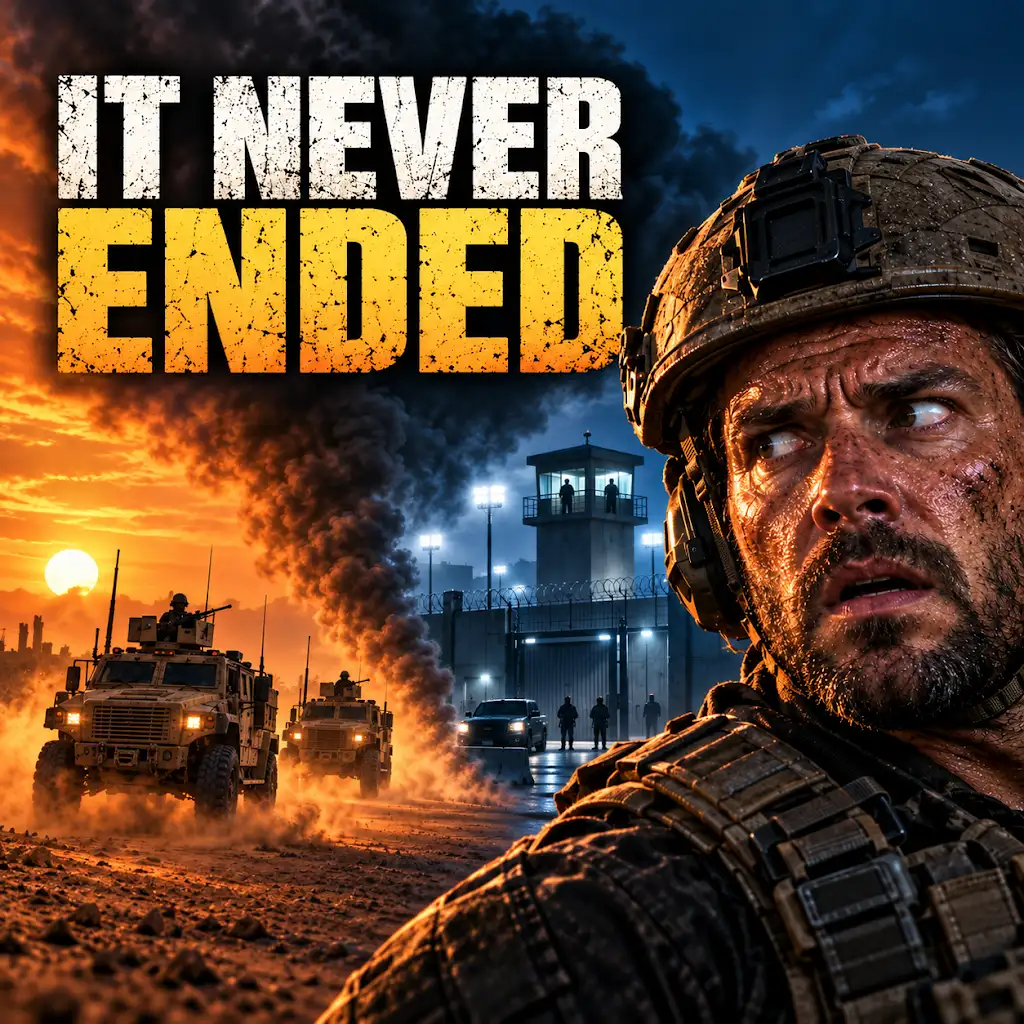
Blackwater Disappeared. America’s Private Army Didn’t.
FAQs
What is the Blackwater convoy protection in Baghdad?
The Blackwater convoy protection in Baghdad refers to the security services provided by the private military company Blackwater USA to protect U.S. government and civilian personnel in Iraq during the Iraq War.
When did the Blackwater convoy protection operate in Baghdad?
The Blackwater convoy protection operated in Baghdad during the Iraq War, which lasted from 2003 to 2011. Blackwater USA was contracted by the U.S. government to provide security services in Iraq during this time.
What were the responsibilities of the Blackwater convoy protection in Baghdad?
The responsibilities of the Blackwater convoy protection in Baghdad included providing armed security for U.S. government and civilian personnel, escorting convoys, and protecting high-profile individuals in the region.
What controversies surrounded the Blackwater convoy protection in Baghdad?
The Blackwater convoy protection in Baghdad was involved in several controversial incidents, including the 2007 Nisour Square massacre in which Blackwater contractors were accused of killing 17 Iraqi civilians. This incident and others raised questions about the accountability and oversight of private military contractors in Iraq.
What is the current status of the Blackwater convoy protection in Baghdad?
Blackwater USA, now known as Academi, no longer operates in Iraq. The company faced legal and public scrutiny following the Nisour Square massacre and other incidents, leading to changes in regulations and oversight of private military contractors in conflict zones.