A chilling whisper on the wind, a tremor in the Cold War’s icy grip, a secret mission of unimaginable consequence. The deployment of Soviet submarines to Cuba, a clandestine operation shrouded in secrecy, stands as one of the most perilous gambits of the 20th century. This undertaking, veiled in darkness and driven by a desperate calculus of power, thrust the world to the precipice of nuclear annihilation, forever etching its name into the annals of geopolitical intrigue.
The specter of American nuclear superiority loomed large over the Soviet Union in the early years of the Cold War. Following the Cuban Missile Crisis of 1962, where the world held its breath as Soviet nuclear missiles were discovered in Cuba, Moscow found itself in a strategically disadvantaged position. The geographical proximity of Cuba to the United States meant that Soviet missiles stationed there offered a significant counter to American missile bases in Europe and Turkey. However, the world had narrowly averted catastrophe, and the humiliation of having to withdraw its offensive missiles left a bitter taste in the Soviet leadership’s mouth. This experience spurred a desire for a more subtle, yet equally potent, form of deterrence, one that could be deployed and withdrawn with greater discretion.
The Strategic Imperative of Parity
The core of Soviet military doctrine during the Cold War revolved around achieving strategic parity with the United States. This wasn’t merely about matching missile for missile, but about possessing the capability to inflict unacceptable damage on an adversary, thereby deterring a first strike. The placement of Jupiter missiles in Turkey, directly bordering the Soviet Union, was a constant irritant and a stark reminder of this imbalance. The removal of Soviet missiles from Cuba after the 1962 crisis, while averting immediate war, did little to rectify this perceived strategic deficit. Moscow craved a way to project its power closer to American shores, a way to level the playing field without the overt provocations of land-based missile deployments.
The Submarine Advantage: Stealth and Reach
In the context of strategic deterrence, submarines offered a unique and highly desirable advantage: stealth. Unlike land-based missiles, which were vulnerable to pre-emptive strikes and easily detectable, submarines operating beneath the waves were largely invisible to enemy surveillance. This inherent secrecy made them ideal for clandestine operations, allowing for the deployment of strategic assets without the immediate outcry and potential for escalation that accompanied other methods. The vastness of the oceans provided a natural camouflage, and Soviet submarine technology, though often seen as lagging behind the West in some areas, was rapidly advancing in its capabilities, particularly in terms of silent running and missile launch systems.
The Cuban Connection: A Strategic Outpost
Cuba, under the leadership of Fidel Castro, represented a unique geopolitical prize for the Soviet Union. Its location just 90 miles off the coast of Florida made it an ideal forward operating base for projecting Soviet influence into the Western Hemisphere. The Soviet Union had already provided significant military and economic aid to Cuba, solidifying its position as a communist ally in America’s backyard. The idea of leveraging this strategic outpost for covert military operations, particularly those involving submarines, became an increasingly attractive proposition. It offered a way to bypass the direct confrontation of the missile crisis while still maintaining a significant strategic presence in the region.
During the Cold War, the deployment of Soviet submarines to Cuba was a significant event that heightened tensions between the United States and the Soviet Union. These submarines were part of a broader strategy to project military power and influence in the Western Hemisphere. For a deeper understanding of this historical context and its implications, you can read a related article on the topic at In The War Room.
Operation “Anadyr” Reimagined: The Shadow of Nuclear Warheads
While “Operation Anadyr” is famously associated with the overt deployment of Soviet missiles in 1962, the concept of using Cuba as a staging ground for strategic assets remained a potent idea within the Soviet military-industrial complex. The lessons learned from the near-miss of 1962 did not lead to an abandonment of the objective, but rather a refinement of tactics. The deployment of nuclear-armed submarines to Cuban waters represented a new iteration of this strategy, one designed to be less provocative yet equally, if not more, menacing. The inherent mobility and deniability of submarines allowed for a more subtle, yet ultimately more terrifying, form of deterrence.
The Silent Threat: Nuclear-Armed Ballistic Missile Submarines (SSBNs)
The true terror of the secret mission lay in the potential presence of Soviet Nuclear-Armed Ballistic Missile Submarines (SSBNs). These vessels, a cornerstone of Soviet nuclear deterrence, carried a payload of intercontinental ballistic missiles (ICBMs) capable of reaching targets across the United States. The idea of these submarines operating within striking distance of American shores, hidden beneath the Caribbean Sea, was a strategic nightmare for Washington. Their ability to launch a retaliatory strike, even after a devastating first blow, served as the ultimate deterrent. The deployment of such assets to Cuban waters would have dramatically shortened their transit time and increased the pressure on American defense systems.
The Tactical Advantage: Reduced Warning Times
The most significant strategic advantage for the Soviets in deploying SSBNs to Cuba would have been the dramatic reduction in warning times for the United States. Traditionally, Soviet SSBNs would have had to travel thousands of miles through the Atlantic Ocean to reach their launch positions. This journey provided valuable hours, if not days, for American early warning systems to detect their presence and potentially initiate defensive measures or a retaliatory strike. Submarines stationed in or near Cuban waters, however, could significantly reduce this transit time, leaving American forces with mere minutes, or even seconds, to react to a launch. This created a far more precarious situation, where the ability to respond to an attack would be severely compromised.
The Deterrent Effect: A Sword of Damocles
The mere knowledge, or even the strong suspicion, of Soviet SSBNs operating in Cuban waters would have served as a powerful deterrent. It would have placed a literal sword of Damocles over the United States, a constant reminder of the existential threat lurking just beyond its shores. This psychological pressure could have influenced American foreign policy decisions, potentially leading to greater caution and a more conciliatory approach towards Soviet initiatives. The clandestine nature of such a deployment would have amplified this effect, as the uncertainty and fear of the unknown would have been a constant companion for American strategists.
Whispers from the Deep: The Intelligence Puzzle
Unraveling the secrets of such a clandestine operation was a monumental task for American intelligence agencies. The very nature of submarines operating in the deep sea made them incredibly difficult to detect and track. The Cold War was a constant game of cat and mouse, with both sides constantly striving to gain an advantage through espionage and counter-espionage. The possibility of Soviet submarines being deployed to Cuba meant that the intelligence apparatus of the United States was pushed to its limits.
The Silent Watchers: Reconnaissance and Surveillance
The United States maintained a vast network of reconnaissance and surveillance assets dedicated to monitoring Soviet naval activity. This included a formidable array of intelligence-gathering platforms, from satellite imagery and aerial reconnaissance to acoustic sensors and human intelligence. However, submarines, especially those designed for stealth, presented a unique challenge. Their ability to operate at depth, coupled with advanced quieting technologies, made them elusive targets. The vastness of the ocean meant that even with sophisticated technology, finding a specific submarine could be akin to finding a needle in a haystack.
Electronic Eavesdropping: The Unseen Signals
Electronic intelligence played a crucial role in the Cold War, and the deployment of submarines would have generated a wealth of data for eavesdropping. Soviet submarines would have had to communicate with their command centers, albeit sparingly and using encrypted channels. These transmissions, however faint and fleeting, could be intercepted by listening posts and specialized aircraft. The analysis of these signals, even if cryptic, could provide vital clues about the submarines’ location, mission, and operational status. This “electronic footprint” was a critical avenue for intelligence gathering.
The Human Factor: Spies and Informants
Despite the advancements in technology, the human element remained indispensable. A network of spies and informants, cultivated over years within Soviet military circles and ports, could provide invaluable insights. These individuals, risking their lives, could offer direct information about ship movements, crew assignments, and operational plans. The intelligence gathered from human sources often provided the crucial context that technology alone could not deliver, helping to piece together the larger strategic picture.
The Cuban Gambit: A High-Stakes Gamble

The decision to deploy submarines to Cuban waters was not taken lightly by the Soviet leadership. It was a high-stakes gamble, fraught with immense risks and potential consequences. The ghost of the 1962 crisis loomed large, and the memory of being forced to back down was a powerful motivator to avoid a repeat performance. However, the potential strategic gains were also enormous.
Khrushchev’s Legacy: The Shadow of 1962
Nikita Khrushchev, the Soviet leader during the Cuban Missile Crisis, had been deeply embarrassed by his forced withdrawal of missiles. This experience likely fueled a desire within the Soviet military and political establishment to find alternative, less overt, ways to challenge American dominance in the Western Hemisphere. While Khrushchev was no longer in power, the strategic lessons of 1962 continued to inform Soviet thinking. The idea of a “second chance,” or a more successful implementation of a similar strategy, may have been a compelling, albeit dangerous, proposition.
The Brezhnev Doctrine and Soviet Assertiveness
Following Khrushchev’s ouster, Leonid Brezhnev consolidated power and presided over a period of increased Soviet assertiveness on the global stage. The Brezhnev Doctrine, which asserted the Soviet Union’s right to intervene in socialist countries to preserve communism, signaled a willingness to project power and defend its interests. The deployment of submarines to Cuba could be seen as an extension of this broader policy of projecting Soviet influence and challenging American hegemony in its traditional sphere of influence.
The Economic and Military Calculus
The deployment of submarines also involved a significant economic and military calculus. Submarines were incredibly expensive to build and maintain, and their operation required highly trained crews and extensive logistical support. The Soviet Union, despite its military might, was also grappling with economic challenges. The decision to allocate resources to such a sensitive and potentially provocative deployment would have been carefully weighed against other pressing needs and priorities. The perceived strategic necessity, however, likely trumped these concerns.
During the Cold War, the deployment of Soviet submarines to Cuba marked a significant escalation in tensions between the United States and the Soviet Union. This strategic move was part of a broader effort by the Soviets to establish a military presence close to American shores, which ultimately contributed to the Cuban Missile Crisis. For a deeper understanding of the implications of this naval strategy, you can read more in this insightful article about the historical context and consequences of Soviet actions in the region. To explore further, check out this related article.
The Brink of War: The Consequences of Discovery
| Submarine Type | Number Sent | Deployment Date |
|---|---|---|
| Foxtrot-class | 4 | October 1962 |
| Zulu-class | 2 | October 1962 |
| Golf-class | 4 | October 1962 |
The greatest danger of the secret mission lay in its potential for discovery. If the United States had uncovered irrefutable evidence of nuclear-armed Soviet submarines operating in Cuban waters, the world would have been plunged back into the terrifying uncertainty of the Cuban Missile Crisis, perhaps even closer to the brink of nuclear war. The response from Washington would have been swift and decisive, with unimaginable consequences.
The American Response: Escalation and Retaliation
Upon discovery, the United States would have been faced with a stark choice: either accept the presence of this new and terrifying threat or take military action to neutralize it. Given the historical context and the perceived existential threat, a passive acceptance was highly unlikely. The options would have ranged from a naval blockade to air strikes on suspected submarine bases or even direct military intervention in Cuba. Such actions would have almost certainly triggered a direct confrontation with the Soviet Union, potentially leading to a full-scale nuclear exchange.
The Global Catastrophe: A Nuclear Winter
The ultimate consequence of such a confrontation would have been a global nuclear catastrophe. The exchange of nuclear weapons between the two superpowers would have unleashed an unprecedented level of destruction, incinerating cities, poisoning the atmosphere, and leading to a “nuclear winter” that could have plunged the planet into an irreversible period of darkness and famine. The very survival of humanity would have been at stake.
The Legacy of Secrecy: Lessons Learned (or Not)
The secret mission, if it truly occurred in a significant way involving nuclear-armed submarines, remains a testament to the extreme measures taken by both sides during the Cold War. It highlights the constant tension between the need for strategic advantage and the imperative of avoiding global annihilation. The veil of secrecy surrounding such operations makes it difficult to ascertain the full extent of their realization. However, the very possibility of such a deployment serves as a stark reminder of how close the world came to self-destruction, and the enduring importance of diplomatic solutions and de-escalation in international relations. The shadows of these submarines, even if their presence remains largely unconfirmed, continue to cast a long and chilling light on the precariousness of peace in a nuclear age.
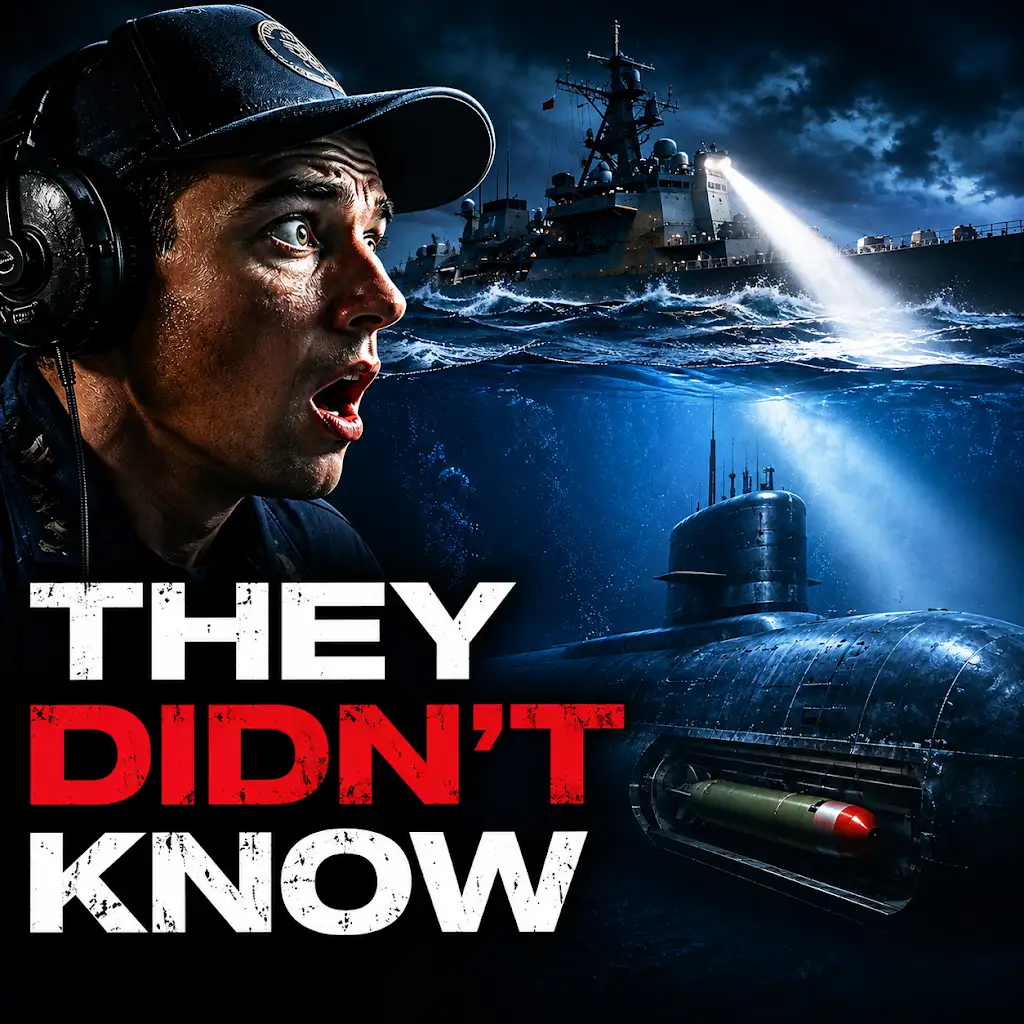
The U.S. Navy Didn’t Know This Submarine Had a Nuclear Torpedo
FAQs
What was the purpose of sending Soviet submarines to Cuba?
The purpose of sending Soviet submarines to Cuba was to support the Cuban government during the Cuban Missile Crisis in 1962. The submarines were intended to provide a deterrent against potential U.S. military action and to strengthen the Soviet Union’s strategic position in the region.
How many Soviet submarines were sent to Cuba?
During the Cuban Missile Crisis, the Soviet Union sent a total of four Foxtrot-class submarines to Cuba. These submarines were equipped with nuclear torpedoes and were intended to bolster the Soviet military presence in the region.
What role did the Soviet submarines play in the Cuban Missile Crisis?
The Soviet submarines played a significant role in the Cuban Missile Crisis by providing a strategic deterrent against potential U.S. military action. The presence of these submarines in Cuban waters added to the tension and brinkmanship between the United States and the Soviet Union during the crisis.
Did the presence of Soviet submarines in Cuba escalate the Cuban Missile Crisis?
Yes, the presence of Soviet submarines in Cuba escalated the Cuban Missile Crisis. The discovery of these submarines by the U.S. Navy heightened the already tense situation and brought the world to the brink of nuclear war.
What was the outcome of the Soviet submarines in Cuba during the Cuban Missile Crisis?
Ultimately, the Cuban Missile Crisis was resolved through diplomatic negotiations between the United States and the Soviet Union. As part of the agreement, the Soviet Union agreed to remove its missiles and submarines from Cuba in exchange for the U.S. pledging not to invade Cuba and to remove its missiles from Turkey. This resolution helped to de-escalate the crisis and avert a potential nuclear conflict.