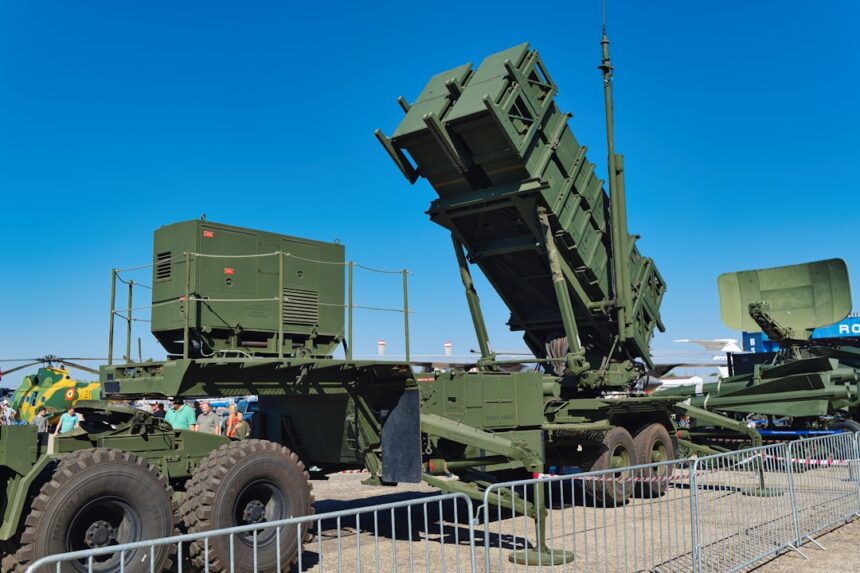
The geopolitical landscape is an ever-shifting mosaic of alliances and emerging threats. In this volatile environment, the ability to project power and deter aggression is not merely a strategic advantage, but a fundamental necessity for national security. Among the most critical components of modern air and missile defense, the Patriot system stands as a testament to technological prowess and operational effectiveness. However, the escalating demand for this sophisticated defense shield, driven by a confluence of global instability and the demonstrated efficacy of its interceptors, has brought into sharp focus the urgent need to significantly boost Patriot missile production capacity. This article delves into the multifaceted challenges and strategic imperatives behind amplifying the output of this vital defensive asset, exploring the technological, industrial, logistical, and geopolitical considerations that must be addressed to ensure a robust and responsive supply chain.
The production capacity of the Patriot missile system has become a focal point in discussions about modern defense strategies, particularly in light of recent geopolitical tensions. For a deeper understanding of how the U.S. is ramping up its missile production to meet increasing demands, you can read a related article that explores these developments in detail. Check it out here: Patriot Missile Production Capacity.
The Evolving Threat Landscape and the Patriot’s Crucial Role
The contemporary security environment is characterized by a resurgence of conventional military threats, coupled with the persistent and growing proliferation of ballistic and cruise missiles. Nations are investing heavily in advanced missile technologies, seeking to gain strategic leverage and asymmetric advantages. This has created a situation where the demand for effective missile defense systems has outstripped pre-existing production capabilities. The Patriot system, with its proven track record against a wide spectrum of aerial threats, including tactical ballistic missiles, advanced aircraft, and unmanned aerial vehicles, has become a cornerstone of defensive strategies for numerous allied nations. Its multi-mission capability, encompassing air defense and missile defense, makes it a versatile and indispensable asset.
The Rise of Ballistic and Cruise Missile Threats
The proliferation of ballistic missile technology, once largely confined to major powers, has now spread to a wider array of states, some with unpredictable leadership and destabilizing ambitions. These missiles, capable of delivering payloads over long distances with increasing accuracy, pose a significant threat to both military installations and civilian populations. Furthermore, the rapid advancement of cruise missile technology, with its low-observable characteristics and precision-guided capabilities, presents a formidable challenge to existing air defenses. The ability to employ these weapons effectively can bypass traditional defenses, creating windows of vulnerability for adversaries.
The Patriot’s Proven Effectiveness in Real-World Scenarios
The true test of any defense system lies in its performance under operational conditions. The Patriot system has repeatedly demonstrated its effectiveness in various conflict zones, intercepting incoming threats and mitigating their destructive potential. These real-world engagements have not only validated the system’s design and capabilities but have also underscored its critical importance in protecting lives and infrastructure. The successful interceptions have generated increased confidence and demand from nations seeking similar levels of protection. This demonstrated success, while a cause for strategic reassurance, simultaneously strains the existing production infrastructure.
Allied Demands and the Importance of Interoperability
The United States is not the sole operator of the Patriot system. A significant number of its closest allies also rely on this advanced defense capability. The interconnected nature of modern alliances means that the readiness and availability of Patriot batteries for all partner nations are of paramount importance. In times of crisis, the ability to surge defensive capabilities across allied forces can be a decisive factor. Furthermore, the interoperability of these systems ensures seamless coordination and joint operations, enhancing collective security. As allied nations assess their own defense requirements in light of evolving threats, their orders for Patriot missiles and associated components contribute significantly to the overall production pressure.
Overcoming Production Bottlenecks: A Multi-Pronged Approach
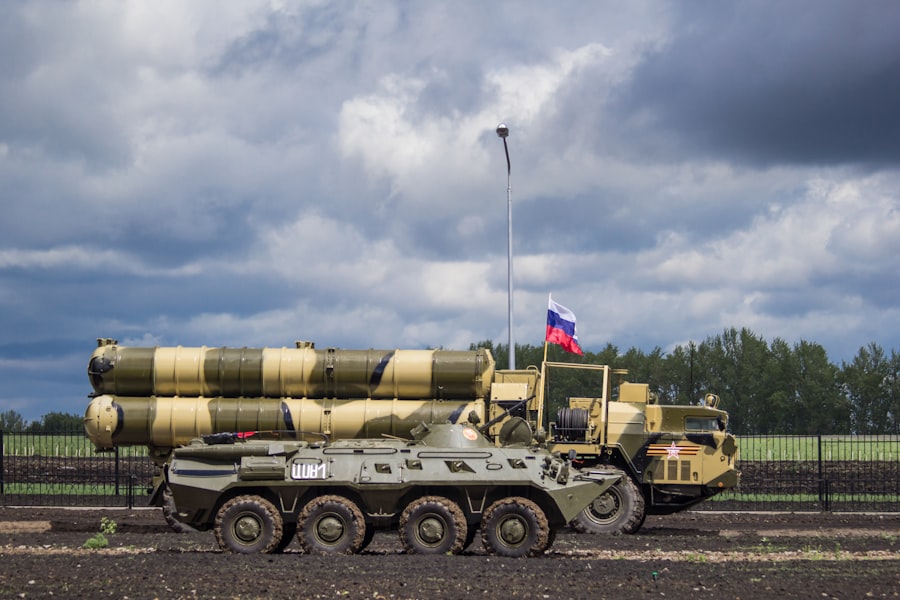
The challenge of boosting Patriot missile production is not a simple matter of increasing the operational tempo of existing facilities. It requires a comprehensive and strategic approach that addresses a multitude of interconnected factors. From the sourcing of raw materials and specialized components to the scaling of manufacturing processes and the training of a skilled workforce, every stage of the production pipeline must be optimized and expanded. This necessitates a collaborative effort involving government, industry, and international partners.
Securing a Resilient and Expanded Supply Chain
The production of complex defense systems like the Patriot relies on a vast and intricate supply chain, often spanning multiple countries and involving highly specialized manufacturers. A critical aspect of boosting production capacity involves ensuring the resilience and expansion of this supply chain. This means identifying potential chokepoints, diversifying sources of critical components, and fostering stronger relationships with key suppliers. Geopolitical events, trade disputes, and global economic fluctuations can all impact the availability of raw materials and specialized parts, necessitating proactive measures to mitigate these risks.
Raw Material Sourcing and Diversification
The Patriot missile, like all advanced munitions, requires a variety of raw materials, from specialized metals and alloys to energetic materials. Ensuring a consistent and abundant supply of these materials is the bedrock of any production expansion. This involves not only securing existing sources but also actively seeking out new or alternative suppliers to reduce reliance on any single region or entity. Diversification not only mitigates supply chain disruptions but can also foster competitive pricing and greater efficiency.
Specialized Component Manufacturing
Beyond bulk raw materials, the Patriot system relies on a multitude of highly specialized components, each requiring unique manufacturing expertise and stringent quality control. This can include sophisticated guidance systems, advanced seekers, and high-energy propellants. The capacity of the companies that produce these critical components often represents a significant bottleneck. Investments in expanding the manufacturing capabilities of these specialized suppliers, or even bringing some critical production in-house where feasible, becomes paramount.
Technological Innovations in Manufacturing
The pursuit of increased production capacity can also be an opportunity to integrate technological advancements into the manufacturing process itself. Automation, advanced robotics, and sophisticated process controls can significantly enhance efficiency, reduce lead times, and improve the consistency of production. Exploring and implementing these innovations within the Patriot production lines can lead to substantial gains in output without compromising quality.
Investing in State-of-the-Art Manufacturing Facilities
The existing infrastructure for Patriot missile production, while highly capable, may not be sufficient to meet the projected demand. Significant investment in expanding and modernizing manufacturing facilities is essential. This includes acquiring new land, constructing additional production lines, and upgrading existing equipment with the latest technology. The scale of these investments can be substantial, requiring careful planning and long-term commitment from both government and industry.
Expanding Existing Production Sites
A pragmatic approach often involves expanding the footprint of existing, proven manufacturing sites. This leverages established expertise, skilled workforces, and existing logistical infrastructure. However, even expansion requires significant capital investment, careful environmental considerations, and the coordination of complex construction projects to minimize disruption to ongoing operations.
Establishing New Manufacturing Hubs
In some cases, establishing entirely new manufacturing hubs may be necessary to achieve the desired production volumes. This allows for the integration of the latest technologies from the ground up and can be strategically located to optimize supply chain access and workforce availability. However, new facilities require substantial upfront investment, extensive planning, and the development of entirely new operational ecosystems.
Cultivating a Skilled and Robust Workforce
The production of advanced defense systems is a highly skilled endeavor. The manufacturing processes for Patriot missiles require a workforce proficient in areas such as advanced machining, electronics assembly, composite materials handling, and quality assurance. Boosting production capacity necessitates a parallel effort to cultivate and expand this skilled workforce.
Training and Upskilling Programs
Investing in comprehensive training and upskilling programs is crucial. This involves collaborating with educational institutions to develop curricula tailored to the specific needs of the defense industry, as well as implementing in-house apprenticeship and on-the-job training initiatives. Attracting and retaining talent in a competitive labor market is a significant challenge that requires attractive compensation, career development opportunities, and a positive work environment.
Addressing Future Workforce Needs
Anticipating future workforce needs is equally important. This involves forecasting demand for specific skill sets, identifying potential shortages, and proactively implementing strategies to address them. Succession planning and knowledge transfer are critical to ensure that expertise is maintained and passed on to the next generation of skilled workers.
Streamlining Logistics and Distribution Networks

Beyond the manufacturing floor, the efficient and timely delivery of Patriot missiles and their components is a critical element of overall capacity. Logistical challenges can easily become bottlenecks if not addressed with the same strategic focus as production itself. This involves optimizing transportation, warehousing, and inventory management to ensure that missiles are available where and when they are needed.
Enhancing Transportation and Delivery Capabilities
The movement of large and complex missile systems, as well as their constituent parts, requires specialized transportation capabilities. This can involve air freight, sea transport, and dedicated ground logistics. Expanding these capabilities, potentially through partnerships with specialized logistics providers or investments in dedicated assets, is crucial for meeting increased demand. Ensuring the secure and timely transit of these sensitive materials across borders and continents adds another layer of complexity.
Optimizing Inventory Management and Warehousing
Effective inventory management is essential to balance the need for readily available stock with the costs associated with warehousing and potential obsolescence. This involves implementing sophisticated inventory tracking systems, forecasting demand accurately, and establishing strategically located warehousing facilities that can support both production and deployment needs. The specialized storage requirements for certain missile components and finished products must also be factored into warehousing strategies.
Ensuring Interoperability in International Deployments
For allied nations, the logistics of deploying Patriot systems and receiving missile resupply can be complex. Establishing pre-agreed logistical frameworks, harmonizing customs procedures, and ensuring compatible transportation and handling protocols are vital for rapid and effective deployment during a crisis. This collaborative approach to logistics strengthens the collective defense posture.
The increasing demand for advanced missile defense systems has prompted discussions about the production capacity of the Patriot missile system. As nations seek to bolster their defense capabilities, understanding the intricacies of this production process becomes crucial. A related article that delves deeper into the challenges and advancements in missile production can be found here. This resource provides valuable insights into the current state of military technology and its implications for global security.
Strategic Partnerships and International Collaboration
| Production Capacity | Details |
|---|---|
| Annual Production Capacity | 100-150 missiles |
| Maximum Production Rate | 10 missiles per month |
| Production Facilities | Multiple facilities in the United States |
The scale of the undertaking to boost Patriot missile production capacity often transcends the capabilities of any single nation or manufacturer. Strategic partnerships and international collaboration are not merely beneficial but often essential for achieving the desired outcomes. These collaborations can facilitate knowledge sharing, risk mitigation, and the pooling of resources.
Government-Industry Partnerships
The symbiotic relationship between government defense procurement agencies and private sector manufacturers is fundamental. Government funding, clear policy directives, and long-term contract commitments provide the stability and investment necessary for manufacturers to expand their operations. Industry, in turn, provides the technological expertise, manufacturing know-how, and innovation required to deliver high-quality defense systems. Strengthening these partnerships through open communication and shared strategic objectives is key.
International Cooperation and Joint Ventures
Collaborations with allied nations can take various forms, from joint research and development initiatives to co-production agreements and shared manufacturing facilities. Such ventures can not only increase overall production capacity but also foster greater interdependence and shared responsibility for defense. This can also lead to cost-sharing benefits and the development of standardized defense capabilities across alliances.
Technology Transfer and Knowledge Sharing
The strategic transfer of technology and the sharing of best practices between nations and companies can accelerate the learning curve and improve efficiency in production. This requires careful consideration of intellectual property rights and national security interests, but when executed effectively, it can lead to significant advancements in manufacturing capabilities and product quality.
Investing in Research and Development for Future Capabilities
While the immediate focus is on boosting current production, it is equally important to continue investing in research and development (R&D) to ensure that the Patriot system and its successors remain at the cutting edge of defense technology. The threats that the Patriot system is designed to counter are constantly evolving, and R&D is crucial for staying ahead of these developments.
Next-Generation Interceptors and System Enhancements
The R&D pipeline for defense systems is continuous. This includes developing next-generation interceptors with enhanced capabilities, such as increased speed, greater maneuverability, and improved target discrimination. It also involves developing upgrades and enhancements for the existing Patriot system to improve its performance, reduce its footprint, and integrate new technologies.
Innovations in Guidance and Control Systems
The accuracy and effectiveness of any missile system are heavily reliant on its guidance and control systems. Continued R&D in areas such as artificial intelligence, advanced sensor technology, and novel propulsion systems can lead to significant improvements in the performance of Patriot missiles, making them more capable of defeating increasingly sophisticated threats.
The Role of Emerging Technologies
Emerging technologies, such as directed energy weapons and hypersonic defense systems, are also on the horizon. Investing in R&D to understand their potential impact on air and missile defense, and to explore how the Patriot system might be integrated with or superseded by these future capabilities, is a critical long-term strategic consideration.
In conclusion, the imperative to boost Patriot missile production capacity is a multifaceted challenge that demands a comprehensive, strategic, and collaborative approach. It requires not only significant investment in manufacturing infrastructure and the cultivation of a skilled workforce but also a keen focus on resilient supply chains, streamlined logistics, and sustained innovation. By addressing these critical areas, nations can ensure that they possess the defensive capabilities necessary to deter aggression, protect their citizens, and maintain stability in an increasingly complex and uncertain world. The commitment to amplifying Patriot missile production is, in essence, a commitment to the enduring security and peace of the global community.

What Happens If China Moves Before America Rearms?
FAQs
What is the current production capacity for Patriot missiles?
The current production capacity for Patriot missiles is approximately 600 missiles per year.
How has the production capacity for Patriot missiles changed over time?
The production capacity for Patriot missiles has increased significantly over the years, with improvements in manufacturing processes and technology allowing for higher output.
What factors affect the production capacity for Patriot missiles?
Factors that affect the production capacity for Patriot missiles include demand from military customers, availability of raw materials and components, production facility capabilities, and workforce capacity.
Which companies are involved in the production of Patriot missiles?
The production of Patriot missiles involves collaboration between several companies, including Lockheed Martin, Raytheon, and other subcontractors who contribute to various components and systems.
What are the future projections for Patriot missile production capacity?
Future projections for Patriot missile production capacity indicate potential increases as advancements in technology and manufacturing processes continue to improve, and as demand for the missiles remains strong.