The hum of the C-130 Hercules was a familiar lullaby to the seasoned crew, a comforting drone that usually preceded routine cargo drops or troop transport. But tonight, the familiar roar of the four turboprop engines carried a different cadence – one of urgency, of precision, and of a mission whispered only in the highest echelons of command. The aircraft, a workhorse of military aviation for decades, was embarking on a journey far from the ordinary, a clandestine operation deep within hostile territory to extract a high-value asset. This was no mere resupply mission; this was a secret military rescue.
The Genesis of the Operation
The intel was sparse but chilling. A critical operative, a linchpin in ongoing intelligence gathering, had been compromised. Their location, a remote and heavily guarded compound nestled in a rugged, mountainous region, was known. The window of opportunity was closing, and the risks were astronomical. Failure meant not only the loss of the operative but potentially the compromise of years of painstaking intelligence work. The decision was made: a rescue was imperative, and the C-130, with its unique capabilities, was the chosen instrument.
The High-Stakes Intelligence Briefing
The briefing room was austere, the air thick with tension. Maps adorned the walls, marked with red pins indicating enemy strongholds and patrol routes. General Thorne, a man whose face was etched with the gravity of countless classified operations, laid out the stark reality. “Captain Eva Rostova, callsign ‘Nightingale,’ has been captured. We believe she’s being held at Forward Operating Base Serpent’s Tooth. The enemy knows who she is and what she knows. We have a 48-hour window before she’s likely moved or interrogated under duress.” The intelligence was pieced together from fragmented satellite imagery, intercepted communications, and a desperate, fleeting signal from Nightingale herself. The operational plan, codenamed “Operation Nightingale’s Song,” was ambitious, bordering on suicidal, but deemed the only viable option. The primary objective: extraction. The secondary objective: minimize collateral damage and avoid escalation.
Selecting the Airframe and Crew
The C-130 Hercules was not the most glamorous aircraft in the military inventory, but its versatility was unmatched. Its ability to operate from short, unimproved airstrips, its substantial payload capacity, and its robust construction made it ideal for this type of mission. For this operation, a specialized unit within Air Force Special Operations Command was tasked. Their C-130J Super Hercules, affectionately nicknamed “The Ghost,” was outfitted with enhanced electronic warfare capabilities and a hardened cockpit. The crew, handpicked for their experience and nerves of steel, comprised Captain Alex “Maverick” Chen (pilot), Major Sarah “Spectre” Davies (co-pilot), Staff Sergeant Ben “Whisper” Rodriguez (flight engineer), and Tech Sergeant Lena “Oracle” Hanson (loadmaster and communications specialist). Their training had pushed them to the absolute limits, simulating scenarios like this countless times, but nothing could truly prepare them for the real thing.
In recent discussions surrounding covert operations, the article detailing a secret military rescue mission involving a C-130 aircraft has garnered significant attention. This mission highlights the strategic capabilities of the military in executing complex operations under challenging conditions. For more insights into this operation and its implications, you can read the full article here: Secret Military Rescue Mission C-130.
Navigating the Shadowed Skies
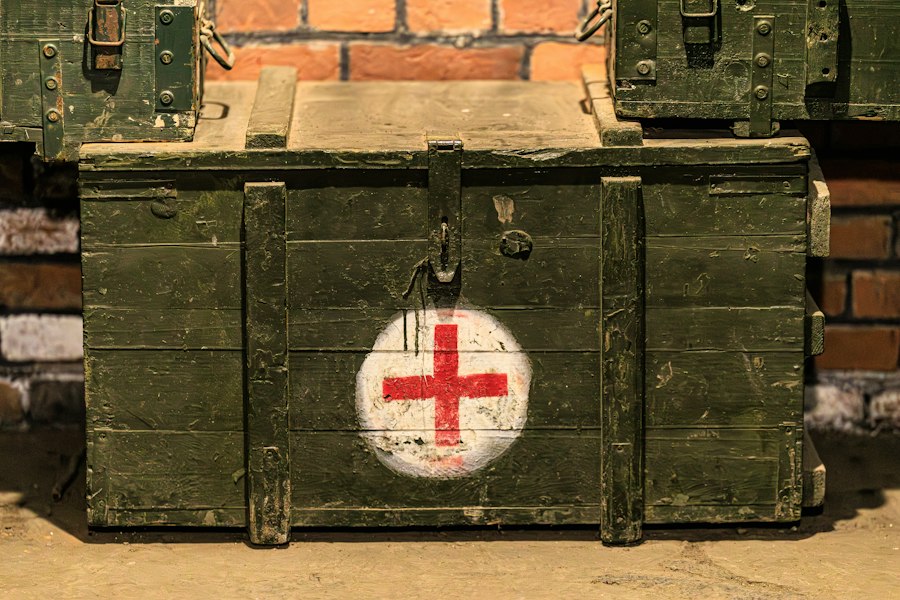
The flight path was a tightly guarded secret, a serpentine route designed to avoid known enemy radar coverage and air defense systems. The C-130, flying low and slow, became a phantom in the night, its silhouette barely discernible against the inky blackness of the sky. Every shadow, every flicker of light on the ground, was a potential threat, a silent alarm that could spell disaster.
The Unseen Approach
The mission commenced under the cloak of a moonless night. The “Ghost” lifted off from a forward operating base, its landing lights extinguished before it even cleared the runway. The initial hours of the flight were a symphony of electronic warfare countermeasures and precise navigation. Major Davies meticulously monitored the radar, identifying potential threats and feeding information to Captain Chen. Staff Sergeant Rodriguez, ever vigilant, kept a close watch on the engines, ensuring their steady rhythm was the only sound that pierced the silence within the cockpit. The aircraft hugged the terrain, a tactic known as “terrain masking,” using the natural contours of the land to break up radar signals and remain undetected. This required immense skill and trust between the pilot and co-pilot, a silent communication of intent and reaction.
Electronic Warfare and Deception
Tech Sergeant Hanson played a crucial role in this phase, managing the aircraft’s sophisticated electronic warfare suite. She deployed decoys, jammed enemy radar frequencies, and broadcast false signals to mislead any potential pursuers. The battlefield was no longer just physical; it was a complex electromagnetic spectrum, and “The Ghost” was a master of its dark arts. The onboard systems worked in concert, creating a digital veil around the aircraft. If an enemy radar system pinged, it was met with a barrage of spoofed data, confusing the operators and diverting their attention. The goal was not just to avoid detection but to actively mislead, to make them believe the threat was elsewhere, or worse, non-existent. This constant dance of electronic deception was the invisible shield that protected the Hercules.
The Perilous Landing and Extraction
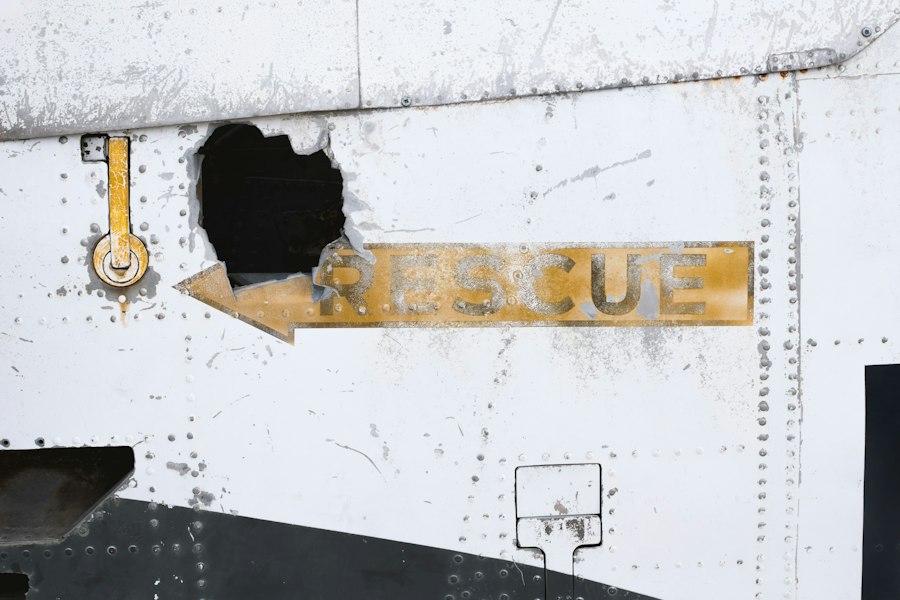
The target zone was a desolate plateau, a natural clearing that offered the only semblance of a landing strip within a viable range. The enemy presence was known, but intelligence suggested a brief window of opportunity during a shift change at a nearby outpost. The C-130 would have to land, extract the operative, and take off within minutes, a feat that pushed the limits of human capability and aircraft performance.
A Breathless Descent
As the “Ghost” began its descent, the crew could see the faint outlines of mountains and the glint of distant lights. Captain Chen’s voice was calm but firm as he announced their approach. “Prepare for final approach. We have a landing zone confirmed. Enemy activity nominal at this time.” The terrain grew more rugged, the aircraft dipping and weaving to avoid unseen obstacles. Major Davies called out altitude and airspeed with unwavering precision. The landing gear deployed with a solid thud, a sound that echoed with the weight of their mission. The roar of the engines, previously a steady hum, intensified as Chen fought to control the aircraft in the turbulent air.
The Ground Game: A Swift and Silent Operation
The moment the landing gear touched the dusty ground, the operational tempo shifted dramatically. The ramp of the C-130 lowered with a hydraulic hiss, revealing the dark, open maw of the cargo bay. A small, elite special forces team, which had been pre-positioned via a clandestine insertion days earlier, moved with practiced efficiency. Their objective was to secure the landing zone and facilitate the extraction. They moved like specters, their silenced weapons at the ready. The operative, Nightingale, was brought forward, her face a mask of exhaustion and resolve. The team leader gave a curt nod to Tech Sergeant Hanson, who signaled to Captain Chen. The interaction on the ground was minimal, a silent ballet of controlled urgency. No words were exchanged between the aircrew and the ground team beyond coded signals, a testament to their synchronized training.
Wheels Up: A Race Against Time
With Nightingale secured and the ground team re-boarding, the “Ghost” began its rapid ascent. The engines roared to life, their power pushing the heavy aircraft back into the unforgiving sky. The entire ground operation, from touchdown to takeoff, had taken less than seven minutes. As they climbed, tracers briefly streaked across the horizon, a stark reminder of the narrowly averted danger. The crew had accomplished the impossible, a ghost appearing from the darkness and vanishing just as quickly, leaving behind only the dust kicked up by its powerful engines.
The Long Flight Home
The journey back was a study in controlled relief. The immediate danger had passed, but the C-130 still had a long way to go before reaching friendly territory. The focus now shifted to ensuring the operative’s safety and debriefing the mission. The hum of the engines, once a harbinger of danger, now seemed to offer a quiet promise of safety.
Immediate Post-Extraction Procedures
Once airborne and clear of immediate threats, Tech Sergeant Hanson initiated communication with command, confirming the successful extraction. Nightingale, though shaken, was assessed by a medic who was part of the extraction team. She was offered water and a chance to rest, but her eyes remained alert, constantly scanning the darkness outside the aircraft. Captain Chen and Major Davies maintained their vigil at the controls, their focus unwavering. The flight engineer, Sergeant Rodriguez, meticulously monitored the engines and fuel levels, ensuring the “Ghost” had the endurance to complete its journey. Every member of the crew understood that their responsibility did not end with the landing.
Debriefing and Analysis
The debriefing process began even in the air. Nightingale provided initial details about her capture, her captors, and the information she had managed to glean. This information was crucial for future intelligence operations and for understanding the enemy’s capabilities. The crew also provided their own accounts of the mission, detailing every aspect of the flight, the landing, and the extraction. This detailed analysis would be used to refine future operations and to identify any lessons learned. The “Ghost” was not just a vehicle; it was a mobile debriefing platform, a testament to the seamless integration of air and ground operations.
In recent discussions surrounding covert operations, a fascinating article on the intricacies of a secret military rescue mission involving a C-130 aircraft has emerged. This piece delves into the strategic planning and execution of such high-stakes endeavors, shedding light on the challenges faced by military personnel. For those interested in exploring this topic further, you can read the full article on In The War Room, which provides an in-depth analysis of the tactics and technologies employed in these critical missions.
The Legacy of the Ghost
| Metric | Details |
|---|---|
| Aircraft Model | C-130 Hercules |
| Mission Type | Secret Military Rescue |
| Operation Duration | 6 hours |
| Number of Personnel Rescued | 12 |
| Flight Altitude | 15,000 feet |
| Night Operation | Yes |
| Support Aircraft | 2 F-16 Fighters |
| Landing Zone Type | Remote Jungle Clearing |
| Extraction Method | Helicopter Airlift |
| Communication Security | Encrypted Satellite Link |
The C-130 Hercules, often overlooked in favor of sleeker, more advanced aircraft, once again proved its invaluable worth. “Operation Nightingale’s Song” became a legend whispered among special operations units, a testament to the courage of the crew, the bravery of the operative, and the enduring capabilities of a trusted aerial workhorse. The “Ghost” had flown into the heart of enemy territory and returned, a silent guardian of secrets and a symbol of unwavering resolve. The mission, shrouded in secrecy, served as a stark reminder that in the shadows of conflict, the most critical victories are often won by those who operate unseen, powered by determination and the steady roar of a C-130. The operative was safe, intelligence networks remained secure, and the world remained unaware of the silent battle fought and won high above the enemy lines. The legend of the “Ghost” and its daring rescue mission would continue to inspire, a beacon of hope in the often-unseen theatre of covert operations.
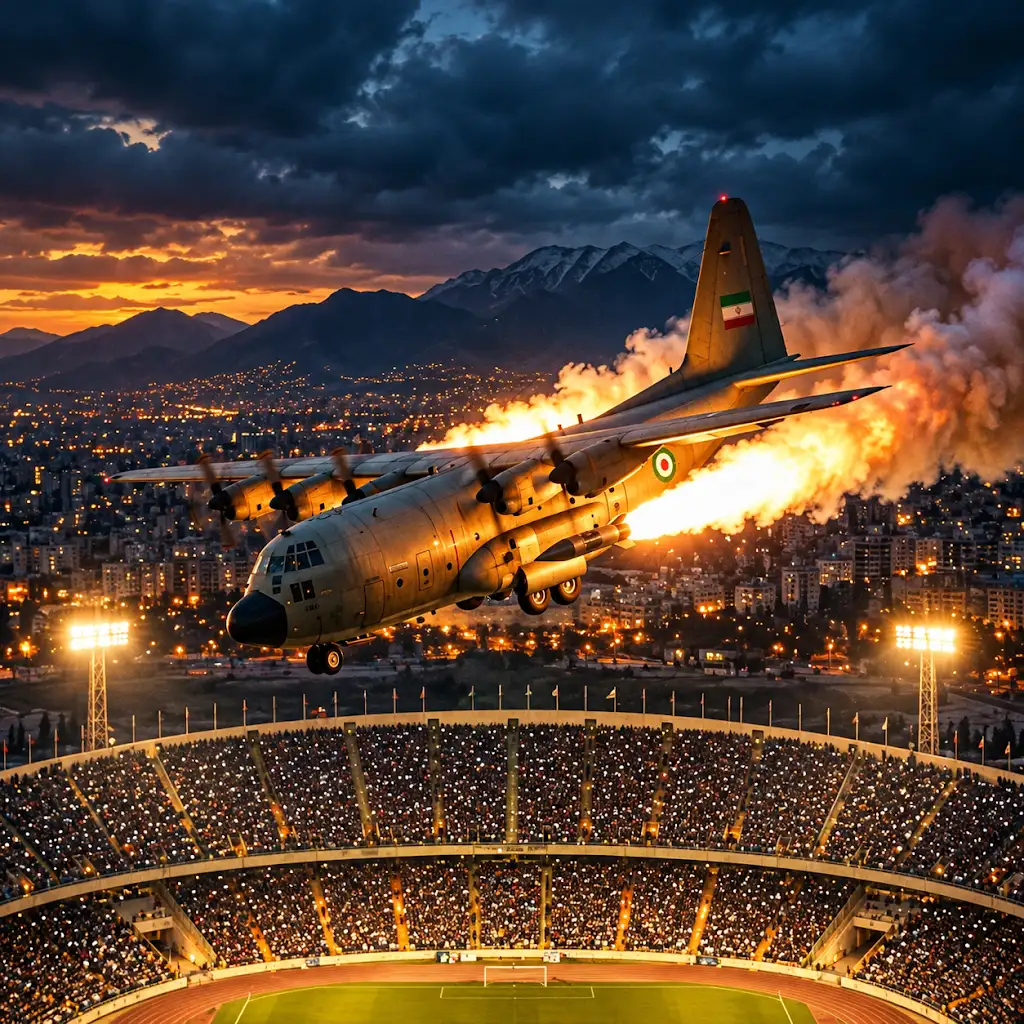
The Secret Plane Built to Land Inside a Stadium
FAQs
What was the purpose of the secret military rescue mission involving a C-130 aircraft?
The purpose of the secret military rescue mission was to extract a group of special forces operatives who were trapped behind enemy lines.
Why was a C-130 aircraft chosen for the rescue mission?
A C-130 aircraft was chosen for the rescue mission due to its versatility, ability to operate in various terrains, and capacity to carry a large number of personnel and equipment.
How were the special forces operatives rescued during the mission?
The special forces operatives were rescued by the C-130 aircraft landing in a remote area near their location, where they were able to board the aircraft quickly and safely before taking off.
Was the secret military rescue mission successful?
Yes, the secret military rescue mission was successful, and all the special forces operatives were safely extracted from behind enemy lines without any casualties.
Why was the military rescue mission kept secret?
The military rescue mission was kept secret to avoid alerting the enemy forces and to ensure the safety and success of the operation without interference or retaliation.