
The Decline of Hitler: A Psychological Analysis
The trajectory of Adolf Hitler’s life, from his meteoric rise to his ignominious end, is a study in contrasts. While his ascent was fueled by a potent, albeit destructive, charisma and a remarkable ability to articulate nationalist grievances, his final years were marked by a descent into delusion, paranoia, and an ever-increasing disconnect from reality. Understanding this decline requires a multifaceted psychological analysis, examining not only his personality disorders but also the environmental pressures that exacerbated his vulnerabilities.
At the core of Hitler’s personality lay a deeply ingrained narcissistic structure. This was not merely a case of vanity, but a profound and pervasive need for admiration, a grandiose sense of self-importance, and a fundamental lack of empathy, all hallmarks of Narcissistic Personality Disorder (NPD). This disorder, often rooted in early childhood experiences, likely manifested in Hitler’s desperate search for validation and his inability to tolerate criticism or perceived weakness.
The Grandiose Self and the Führer Myth
Hitler cultivated an image of the infallible leader, the savior of Germany. This was not simply propaganda; it was a reflection of his internal landscape. He saw himself as destined, as possessing a unique vision that transcended ordinary human limitations. This grandiose self-perception allowed him to dismiss dissenting opinions and proceed with his aggressive agenda, believing that history itself was on his side.
The Fragile Ego and the Dread of Inferiority
Beneath the veneer of supreme confidence, however, lay a profoundly fragile ego. Hitler was acutely sensitive to any perceived insult or challenge to his authority. His furious outbursts, his extreme reactions to setbacks, and his relentless pursuit of enemies all point to a deep-seated fear of inadequacy and exposure. This constant internal struggle between his perceived greatness and his underlying insecurity drove much of his behavior.
The Absence of Empathy and the Dehumanization of Others
A critical component of Hitler’s psychological makeup, and central to his atrocities, was his profound lack of empathy. He was incapable of genuinely understanding or sharing the feelings of others, particularly those he deemed “inferior.” This emotional void allowed him to orchestrate and oversee unimaginable suffering without apparent remorse. The systematic dehumanization of Jews, Gypsies, homosexuals, and political opponents was a necessary psychological mechanism to justify his actions to himself and his followers.
In the final weeks of World War II, Adolf Hitler’s psychological state deteriorated significantly, leading to increasingly erratic behavior and decisions. An insightful article that delves into this topic is available at In the War Room, where it explores the impact of isolation, paranoia, and the collapse of his regime on Hitler’s mental health. This analysis provides a comprehensive understanding of how these factors contributed to his ultimate downfall and the tragic events that unfolded during that tumultuous period.
Paranoia and the Perpetual Search for Enemies
As the fortunes of war turned against him, Hitler’s inherent paranoia intensified, evolving into a consuming obsession. This paranoia, initially a subtle undercurrent, became a dominant driver of his decision-making in the later stages of the war, leading to increasingly irrational and self-destructive strategies.
The Internal Enemy: Disloyalty and Betrayal
Hitler developed an almost pathological suspicion of those around him. He saw disloyalty and betrayal lurking in every shadow, convinced that his own inner circle was plotting against him. This led to purges and executions of his own officers and advisors, further eroding any remaining rational counsel and isolating him further. The intensification of his anti-Semitic rhetoric often mirrored this internal paranoia, projecting his fears of internal dissent onto the Jewish population.
The External Enemy: An Unrelenting and Existential Threat
While his paranoia was directed inward, it was also inextricably linked to his perception of external enemies. He viewed the Allied powers not as sovereign nations but as existential threats, driven by malevolent forces. This worldview fueled his refusal to negotiate or consider any outcome other than total victory or annihilation. The sheer scale of his perceived threat made compromise impossible.
The Siege Mentality and the Refusal to Retreat
The pervasive paranoia fostered a powerful siege mentality. Hitler increasingly saw Germany and himself as besieged, outnumbered, and surrounded by enemies actively seeking their destruction. This perception justified his increasingly desperate and unrealistic military strategies, such as holding untenable positions and committing dwindling resources to futile counteroffensives. Retreat was seen as an admission of failure and weakness, an affront to his grandiose self-image.
The Dissolution of Reality: Delusions and the Führerbunker
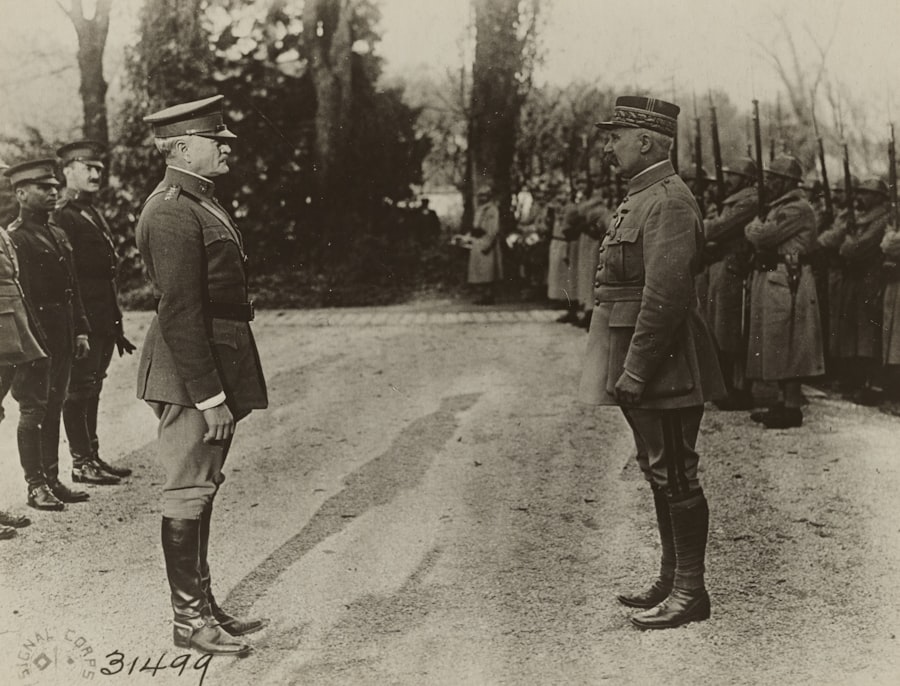
The profound psychological pressures of war and isolation, coupled with his pre-existing personality disorders, led to a significant detachment from reality in Hitler’s final months. His delusions became increasingly pronounced, rendering him incapable of objective assessment or strategic adjustment.
The Mystical Conviction: A Belief in Destiny and Divine Intervention
In his final days, Hitler seemed to cling to a mystical conviction that destiny, or some higher power, would intervene to save him and Germany. This belief was not rooted in rational thought but in a desperate attempt to maintain his grandiose self-image against overwhelming evidence of defeat. He interpreted coincidences and minor events as signs of impending divine intervention, further distorting his perception of the war’s progress.
The Grandiose Plans in the Face of Annihilation
Even as the Red Army closed in on Berlin, Hitler continued to issue grandiose military orders and make plans for a post-war Germany that no longer existed. This disconnect was staggering, highlighting his inability to accept the reality of his impending defeat. His mind was still operating within the framework of his earlier successes, unable to adapt to the present crisis.
The Führerbunker as a Microcosm of Isolation and Delusion
The Führerbunker became a physical manifestation of Hitler’s psychological state. This underground refuge, a claustrophobic and increasingly disconnected environment, amplified his paranoia and delusions. It was a world apart from the reality of the collapsing Reich, where his pronouncements were enforced not by military might but by the desperate obedience of his remaining followers. Within this confined space, his fantasies and realities became indistinguishable.
The Role of Addiction and Physical Deterioration
While psychological factors are paramount, it is also essential to consider the potential impact of physical health and possible substance abuse on Hitler’s mental state. Emerging historical accounts suggest a decline in his physical health, potentially exacerbated by self-medication, which may have further contributed to his cognitive and emotional deterioration.
The Mystery of His Health: Speculation and Evidence
There remains debate among historians and psychologists regarding the exact nature of Hitler’s physical ailments in his later years. However, accounts from his physicians and those in his close proximity suggest increasing physical weakness, tremors, and potential neurological issues. These physical declines could have significantly impacted his judgment and emotional regulation.
Possible Substance Abuse and Its Psychological Impact
Evidence suggests that Hitler may have been administered a cocktail of drugs by his personal physician, Dr. Theodor Morell. While not necessarily indicative of outright addiction in the conventional sense, the regular administration of various stimulants, sedatives, and other substances could have had a profound and detrimental effect on his mental acuity, contributing to heightened anxiety, erratic behavior, and further detachment from reality. The long-term impact of such a regimen on cognitive function and emotional stability is considerable.
The Ménage à Trois of Mind, Body, and War
The interplay between Hitler’s psychological predispositions, his potential physical deterioration, and the immense pressures of total war created a toxic synergy. His mind, already vulnerable, was likely further compromised by physical decline, making him even less equipped to process the catastrophic realities he faced. The war, in turn, provided the ultimate crucible for his existing psychological flaws, amplifying them to destructive proportions.
In the final weeks of World War II, Adolf Hitler’s psychological state deteriorated significantly, as evidenced by various accounts from those close to him. An insightful article explores this tumultuous period, detailing how his increasing paranoia and isolation influenced his decision-making. The piece highlights how his mental decline mirrored the crumbling situation of Nazi Germany, leading to erratic behavior and desperate measures. For a deeper understanding of Hitler’s mindset during this critical time, you can read more in this related article.
The Legacy of a Broken Mind: Lessons from Decline
| Psychological State | Final Weeks |
|---|---|
| Mood | Erratic and despondent |
| Paranoia | Heightened |
| Physical Health | Deteriorating rapidly |
| Isolation | Increasingly isolated |
| Delusions | Experiencing delusional thoughts |
The study of Hitler’s decline offers crucial, albeit grim, lessons about the fragility of the human psyche under extreme pressure and the devastating consequences of unchecked narcissistic tendencies and profound ideological blindness. His fall serves as a stark reminder of the importance of critical thinking, empathy, and the dangers of unbridled power.
The Dangers of Unchecked Narcissism in Leadership
Hitler’s absolute reign serves as a potent case study in the dangers of narcissism in leadership. When a leader’s ego eclipses reason and empathy, and when criticism is not tolerated, the foundations of sound decision-making crumble, leading to catastrophic outcomes not just for the leader but for entire nations.
The Importance of Reality Testing and Dissent
The isolation and delusion that characterized Hitler’s final years underscore the vital importance of reality testing and the embrace of dissent within any decision-making structure. The ability to hear unwelcome truths, to acknowledge setbacks, and to engage with opposing viewpoints is crucial for navigating complex challenges and avoiding destructive paths.
The Enduring Enigma and the Warning for Humanity
While a complete and definitive psychological autopsy of Adolf Hitler remains impossible, the analysis of his decline provides invaluable insights into the dark corners of the human psyche. His story is not merely a historical footnote but a perpetual warning about the potential for destructive ideologies to take root and flourish when combined with a compromised mind and an environment ripe for exploitation. The lessons learned from his self-destruction continue to resonate, urging vigilance against the forces that can lead to such profound human tragedy.
FAQs
What was Hitler’s psychological state in the final weeks of his life?
In the final weeks of his life, Adolf Hitler’s psychological state was deteriorating rapidly. He was reportedly suffering from extreme paranoia, depression, and delusions.
What were some of the factors that contributed to Hitler’s declining mental health?
Several factors contributed to Hitler’s declining mental health, including the stress of the war, the failure of his military campaigns, and the deteriorating situation in Germany. Additionally, his physical health was also in decline, as he was suffering from various ailments.
Did Hitler show any signs of mental instability before the final weeks of his life?
Yes, there were signs of Hitler’s mental instability before the final weeks of his life. Throughout his rule, he exhibited erratic behavior, extreme narcissism, and a tendency towards violent outbursts.
How did Hitler’s psychological state impact his decision-making in the final weeks of his life?
Hitler’s declining psychological state had a significant impact on his decision-making. He became increasingly detached from reality, making irrational and reckless decisions that further exacerbated the situation in Germany.
What is the historical significance of understanding Hitler’s psychological state in the final weeks of his life?
Understanding Hitler’s psychological state in the final weeks of his life provides valuable insight into the impact of mental health on leadership and decision-making. It also serves as a cautionary tale about the dangers of unchecked power and the consequences of a leader’s deteriorating mental health.