Russia’s commitment to maintaining a formidable and secure nuclear submarine fleet is a cornerstone of its national defense strategy. This dedication is reflected in the multifaceted and advanced security measures implemented to protect these vital assets, from their construction and deployment to their operational missions and eventual decommissioning. These measures are designed to counter a wide spectrum of threats, encompassing espionage, sabotage, cyber intrusions, and even accidental breaches. The sheer complexity and strategic importance of nuclear submarines necessitate a layered and sophisticated approach to security, ensuring their operational readiness and safeguarding the sensitive technologies and personnel they contain.
The initial stages of a nuclear submarine’s lifecycle are critical for embedding security from the ground up. Russia employs stringent protocols throughout the design and construction phases, recognizing that vulnerabilities introduced early on can have profound and lasting consequences. The principle of “security by design” is paramount, meaning that security considerations are not an afterthought but are integrated into every blueprint and engineering decision.
Compartmentalization and Physical Security of Sensitive Areas
A fundamental aspect of submarine design is its inherent compartmentalization. The hull itself is divided into numerous watertight compartments, which not only enhance survivability in case of damage but also serve to physically isolate critical areas. Access to these compartments, especially those housing nuclear propulsion systems, weapons magazines, and sensitive command and control centers, is strictly controlled. This is achieved through multiple layers of physical security, including reinforced doors, advanced locking mechanisms, and biometric access controls. The sheer number of bulkheads and the robust construction of the submarine’s hull create formidable physical barriers, making unauthorized entry exceptionally difficult. This physical segregation also limits the potential spread of any security breach, confining it to a specific area.
Secure Data Handling and Intellectual Property Protection
The design and construction of nuclear submarines involve highly classified information, including blueprints, engineering specifications, and operational data. Russia employs rigorous measures to protect this intellectual property. This includes the use of secure, air-gapped networks for design and development, preventing any connection to external or less secure systems. Physical security of design facilities and data storage is also paramount, with access restricted to authorized personnel and monitored by advanced surveillance systems. Furthermore, stringent protocols are in place for the handling, storage, and transmission of all sensitive data, often involving encrypted communications and secure physical transport of documents. The vetting of all personnel involved in the design and construction process is also a critical component, ensuring that only trusted individuals have access to this sensitive information.
Redundancy and Fail-Safe Systems in Nuclear Propulsion
The security of the nuclear reactor is of paramount importance. Russian nuclear submarines are equipped with highly advanced and redundant safety and fail-safe systems designed to prevent any uncontrolled nuclear reaction or the release of radioactive materials. These systems are not only designed to mitigate operational failures but also to withstand external interference or sabotage. The reactor core itself is protected by multiple layers of shielding, and the entire propulsion system is designed with multiple independent cooling and control mechanisms. The principle of “defense in depth” is applied, meaning that multiple independent safety barriers must fail before a catastrophic event can occur. This inherent robustness makes the nuclear propulsion system exceptionally resilient to attempts at compromise.
In recent discussions about global military strategies, an insightful article on how Russia protects its nuclear submarines can be found on In The War Room. This piece delves into the various measures taken by the Russian Navy to ensure the security and stealth of its underwater fleet, highlighting the technological advancements and strategic deployments that play a crucial role in safeguarding these vital assets. For more information, you can read the article here: In The War Room.
Operational Security: Maintaining Stealth and Preventing Detection
Once operational, nuclear submarines present a unique security challenge due to their inherent need for stealth and their extended periods of submerged operation. Russia invests heavily in measures to maintain the stealth of its submarines and to prevent their detection by potential adversaries, which is a critical aspect of their security.
Advanced Acoustic Signature Reduction Techniques
The primary method of stealth for submarines is to minimize their acoustic signature, making them harder to detect by sonar. Russian engineers have developed sophisticated techniques for acoustic signature reduction, including anechoic coatings on the hull that absorb sonar pings, advanced propeller designs that reduce cavitation noise, and noise reduction systems for all machinery onboard. The selection of materials used in the submarine’s construction also plays a role, with some materials chosen for their sound-dampening properties. Furthermore, operational tactics are employed to further reduce the acoustic footprint, such as slow-speed steaming and operating in acoustically favorable environments. The ongoing research and development in this area are crucial for maintaining the edge of Russian submarine forces.
Secure Communication Protocols and Evasion Tactics
Maintaining secure and covert communication is vital for submarines operating in hostile waters. Russia utilizes a combination of methods for secure communication, including extremely low-frequency (ELF) and very low-frequency (VLF) radio communications, which can penetrate seawater to a limited extent, and satellite communications when surfaced or near the surface. However, all communications are heavily encrypted and transmitted with strict security protocols to prevent interception or decryption. In addition to secure communication, evasion tactics are a critical element of operational security. This includes advanced maneuvering techniques, the use of natural oceanographic features for concealment, and the deployment of decoys and countermeasures to confuse enemy sonar and tracking systems. The goal is to make the submarine an elusive target, even if detected.
Personnel Security and Counterintelligence Measures
The human element is a critical component of any security strategy. Russia implements rigorous personnel security measures for its submarine crews, including extensive background checks, psychological evaluations, and ongoing monitoring. The crews of nuclear submarines are highly trained and entrusted with immense responsibility, and their loyalty and trustworthiness are paramount. Counterintelligence efforts are also a significant focus, with measures in place to prevent espionage and the infiltration of foreign agents. This includes strict protocols for shore leave, communication with the outside world, and the handling of any sensitive information encountered during operations. The isolation of submarine crews during extended missions also contributes to their security, minimizing their exposure to external threats.
Cyber Security: Defending the Digital Domain
In the modern era, cyber security is as crucial as physical security for any advanced military asset. Nuclear submarines, with their sophisticated electronic systems, are particularly vulnerable to cyber threats. Russia has invested significantly in developing robust cyber defenses to protect its submarine fleet.
Secure Network Architecture and Intrusion Detection Systems
Russian nuclear submarines utilize a highly segmented and secure network architecture. Critical systems, such as those controlling the nuclear reactor and weapons systems, are often air-gapped, meaning they are physically isolated from external networks and any potential internet connectivity. Less critical systems are still protected by advanced firewalls, intrusion detection systems, and intrusion prevention systems. These systems are designed to monitor network traffic for anomalous activity, identify potential threats in real-time, and automatically take action to block or mitigate cyberattacks. Regular security audits and vulnerability assessments are conducted to identify and patch any weaknesses in the network infrastructure.
Encryption and Data Integrity Measures
All data transmitted and stored by submarine systems is protected by strong encryption algorithms. This ensures that even if data is intercepted, it remains unintelligible to unauthorized parties. Data integrity measures are also in place to detect any unauthorized modification or corruption of data, ensuring that the information relied upon by the submarine’s command and control systems is accurate and trustworthy. This is particularly important for navigation, targeting, and operational status information. The use of cryptographic keys and secure key management practices further enhances the security of encrypted data.
Countering Sophisticated Cyber Warfare Tactics
The threats in the cyber domain are constantly evolving. Russia invests in research and development to counter sophisticated cyber warfare tactics, including zero-day exploits, advanced persistent threats (APTs), and nation-state sponsored attacks. This involves developing proactive defense strategies, including threat intelligence gathering, behavioral analysis of potential threats, and the creation of resilient systems that can continue to function even under cyberattack. The development of specialized cyber warfare defense units focused on protecting naval assets is also a key component of this strategy.
Physical Security of Bases and Ports

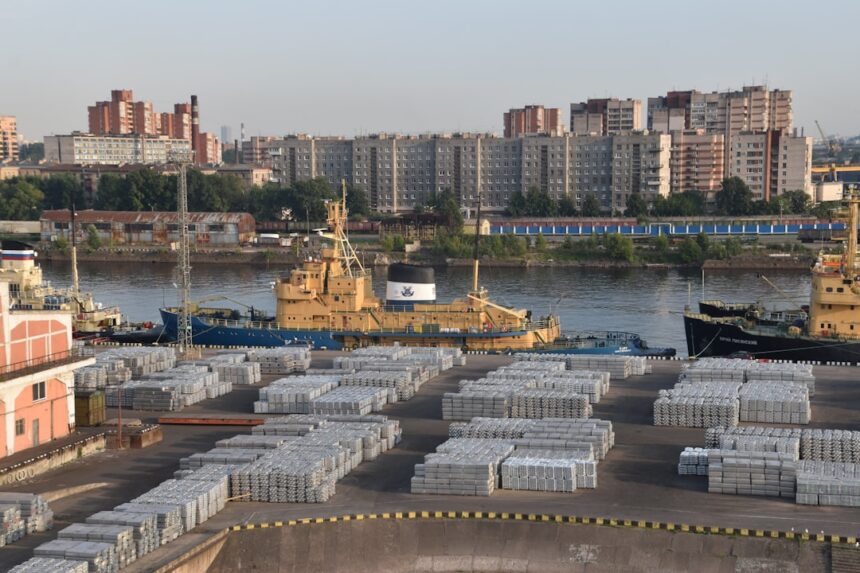
The security of nuclear submarines extends beyond the vessels themselves to the bases and ports where they are stationed and refitted. These facilities are critical nodes in the submarine lifecycle and are subject to stringent security measures.
Perimeter Security and Access Control at Naval Bases
Naval bases housing nuclear submarines are heavily fortified with multiple layers of perimeter security. This includes physical barriers such as high fences, walls, and natural obstacles, complemented by advanced surveillance systems like CCTV, radar, and motion sensors. Access to these bases is strictly controlled through checkpoints manned by armed guards, with all personnel and vehicles subjected to thorough vetting and inspection. Biometric scanners and multi-factor authentication are often employed for entry into sensitive areas within the base.
Protection of Dry Docks and Maintenance Facilities
Dry docks and maintenance facilities where submarines undergo repairs and refits are particularly vulnerable to sabotage and espionage. These areas are subject to enhanced security protocols, including round-the-clock surveillance, restricted access zones, and the presence of armed security personnel. Sensitive components, such as nuclear fuel and weapon systems, are often stored in secure, isolated areas within these facilities, with their own dedicated security measures. The movement of personnel and equipment within these areas is meticulously tracked and documented.
Maritime Security and Anti-Terrorism Measures
The waters surrounding naval bases and submarine operating areas are subject to robust maritime security patrols and anti-terrorism measures. This includes the use of patrol boats, aerial surveillance, and sonar to detect and deter any unauthorized vessels or threats approaching the base. Special forces units may also be deployed to respond to any maritime incursions. The objective is to maintain a secure maritime environment, preventing any attempts to approach or compromise the security of the submarines while in port.
Russia has implemented a range of strategies to ensure the security of its nuclear submarines, recognizing their critical role in national defense. These measures include advanced technological upgrades, enhanced surveillance systems, and strategic positioning in remote locations. For a deeper understanding of these protective tactics, you can explore a related article that discusses the broader implications of submarine security and military strategy. This insightful piece can be found here.
Decommissioning and Disposal Security
| Aspect | Protection Measure |
|---|---|
| Stealth | Advanced hull design and sound-dampening technology |
| Armament | Equipped with torpedoes, missiles, and anti-submarine weapons |
| Countermeasures | Deploy decoys and electronic warfare systems to evade detection |
| Security | Strict access control and surveillance to prevent unauthorized access |
| Communication | Secure communication systems to maintain contact with command centers |
The security considerations for nuclear submarines do not end with their operational life. The decommissioning and disposal of these complex vessels, particularly those containing nuclear materials, require meticulous planning and execution to prevent environmental contamination and the proliferation of sensitive technologies.
Secure Storage and Transport of Nuclear Materials
The safe and secure removal, storage, and eventual disposal of nuclear fuel from decommissioned submarines are of paramount importance. This process is governed by strict international and national regulations, and Russia employs highly specialized facilities and protocols for handling these hazardous materials. Secure transport of spent fuel is conducted using heavily shielded containers and dedicated logistics chains to minimize any risk of accident or unauthorized access.
Dismantling and Material Control Protocols
The dismantling of nuclear submarines involves the careful separation of hazardous materials from non-hazardous components. Strict protocols are in place to ensure that all radioactive waste is properly contained and disposed of in designated facilities. Furthermore, measures are taken to prevent the diversion of sensitive technologies or materials that could be used for illicit purposes. This often involves the thorough documentation and tracking of all salvaged components and materials.
Long-Term Monitoring and Environmental Safeguards
Even after dismantling, the long-term security and environmental impact of decommissioned submarines and their components are carefully managed. Designated sites for the storage of submarine hulls and other materials are subject to ongoing monitoring to ensure environmental integrity and prevent any unauthorized access or interference. This long-term commitment to security and environmental stewardship reflects Russia’s comprehensive approach to managing its nuclear submarine fleet throughout its entire lifecycle.

Russia’s Nuclear Submarines Depend on This Arctic Lifeline
FAQs
1. How does Russia protect its nuclear submarines?
Russia protects its nuclear submarines through a combination of physical security measures, advanced technology, and strict operational protocols. This includes the use of armed guards, surveillance systems, and secure facilities.
2. What advanced technology does Russia use to protect its nuclear submarines?
Russia employs advanced technology such as sonar systems, anti-torpedo defense systems, and advanced communication and encryption systems to protect its nuclear submarines from potential threats.
3. What are the operational protocols in place to protect Russia’s nuclear submarines?
Operational protocols for protecting Russia’s nuclear submarines include strict access control, regular security drills, and continuous monitoring of the submarines’ movements and activities.
4. How does Russia secure its nuclear submarine facilities?
Russia secures its nuclear submarine facilities through the use of perimeter fencing, access control points, surveillance cameras, and armed guards. These facilities are also often located in remote and strategically protected areas.
5. What measures does Russia take to prevent unauthorized access to its nuclear submarines?
Russia takes measures to prevent unauthorized access to its nuclear submarines by implementing strict security clearance procedures for personnel, utilizing biometric access controls, and continuously monitoring and patrolling the areas where the submarines are stationed.