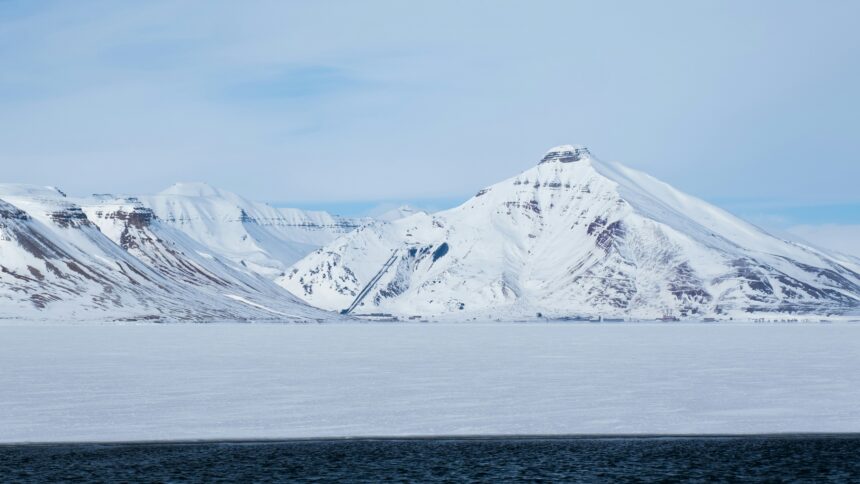
The vast, icy expanse of the Arctic, once considered a remote and inhospitable frontier, has transformed into a region of immense strategic importance. For Russia, this transformation is particularly profound, as its Northern Fleet stands as the vanguard of its ambitions in the High North. This strategic reorientation is not a recent phenomenon, but rather a culmination of decades of planning and investment, now accelerating with renewed vigor in response to evolving geopolitical realities and the increasing accessibility of the region. The Russian Northern Fleet’s Arctic strategy is a multi-faceted approach, encompassing military modernization, infrastructure development, resource exploitation, and the assertion of sovereignty in a region increasingly eyed by other global powers.
Historical Context and Evolving Priorities
The roots of Russia’s Arctic focus extend back to the Soviet era, when the Northern Sea Route (NSR) was recognized for its potential to connect European Russia with the Far East. However, the post-Soviet economic downturn led to a period of underfunding and neglect for the Northern Fleet. The early 2000s marked a turning point, as rising energy prices and a resurgent Russia enabled a significant reinvestment in the region. This resurgence was driven by a confluence of factors: the perceived military resurgence of the West, the growing economic opportunities presented by thawing Arctic ice, and a deep-seated national imperative to maintain control over its vast northern territories. The Arctic is not merely a strategic buffer; it is intrinsically linked to Russia’s national identity and its perceived place in the global order. The Northern Fleet, headquartered in Severomorsk on the Kola Peninsula, has thus been tasked with a dual mandate: to protect Russia’s sovereign interests and to project power in a strategically vital, yet increasingly contested, domain.
The Legacy of the Soviet Era
The Soviet Union placed a significant emphasis on its Arctic territories, recognizing their strategic value for both military and economic purposes. The Northern Fleet served as a crucial component of the Soviet Union’s global nuclear deterrence strategy, and the development of the Northern Sea Route was a key economic objective.
Military Significance of the Arctic During the Cold War
The Arctic was a critical theater of operations during the Cold War, with both NATO and the Soviet Union establishing significant military presences. The Northern Fleet’s submarines, in particular, played a vital role in the strategic balance.
Economic Aspirations for the Northern Sea Route
The Soviet government invested heavily in icebreakers and port infrastructure to make the Northern Sea Route a viable alternative for shipping, anticipating its economic benefits.
The Post-Soviet Resurgence
Following the collapse of the Soviet Union, the Northern Fleet experienced a period of decline. However, the early 21st century witnessed a strategic re-evaluation and a renewed commitment to the region.
Economic Stabilization and Increased Defense Spending
A more stable economy allowed Russia to allocate greater resources to its defense budget, with a significant portion directed towards modernizing the Northern Fleet.
Geopolitical Shifts and Perceived Threats
Rising tensions with NATO and the perceived encroachment of other Arctic nations spurred Russia to reinforce its military presence and assert its sovereignty more forcefully.
The Russian Northern Fleet’s Arctic strategy has garnered significant attention in recent discussions about geopolitical dynamics in the region. For a deeper understanding of this topic, you can explore the article titled “Russia’s Arctic Ambitions: The Northern Fleet’s Strategic Role,” which provides insights into the military and economic implications of Russia’s activities in the Arctic. To read more, visit this article.
Military Modernization and Force Projection
The cornerstone of Russia’s Arctic strategy is the continuous modernization and expansion of the Northern Fleet. This modernization is not simply about maintaining existing capabilities but about developing new platforms and technologies specifically suited to the harsh Arctic environment. The fleet’s operational capacity is being enhanced through the acquisition of advanced warships, submarines, and aircraft, all designed to withstand extreme cold, navigate treacherous ice conditions, and operate for extended periods far from shore. The emphasis is on creating a “balanced force,” capable of both defensive operations and power projection.
Submarine Dominance in the Arctic
Submarines remain the silent, yet potent, backbone of the Northern Fleet’s Arctic strategy. Russia continues to invest heavily in its nuclear-powered submarine fleet, which is crucial for both strategic deterrence and the protection of maritime trade routes. The unique acoustic properties of the Arctic environment, combined with the stealth capabilities of modern submarines, make them exceptionally difficult to detect and counter, thus providing a significant strategic advantage.
Development of Advanced Submarine Technology
Russia is actively developing new generations of nuclear-powered ballistic missile submarines (SSBNs) and nuclear-powered attack submarines (SSNs), incorporating advanced sonar, stealth technology, and increased operational endurance.
Strategic Importance of Submarine Patrols
These submarines conduct regular patrols in Arctic waters, not only to maintain a credible nuclear deterrent but also to monitor the activities of other nations and secure critical undersea infrastructure.
Surface Fleet Enhancements and Amphibious Capabilities
While submarines are a primary focus, the Northern Fleet is also bolstering its surface fleet. New frigates, corvettes, and specialized ice-capable vessels are being introduced. The development of amphibious capabilities is also crucial, allowing for the projection of forces and the rapid deployment of personnel and equipment to remote Arctic locations. This includes the modernization of landing ships and the establishment of dedicated Arctic assault units.
Introduction of New Ice-Class Vessels
The fleet is incorporating ice-strengthened frigates and corvettes, as well as dedicated Arctic patrol vessels designed to operate year-round in challenging ice conditions.
Strengthening Amphibious Assault Capabilities
Russia is enhancing its ability to conduct amphibious landings in the Arctic, crucial for securing strategic points and responding to potential incursions.
Air and Coastal Defense Reinforcements
The Northern Fleet’s capabilities are further bolstered by significant investments in its air arm and coastal defense systems. Long-range maritime patrol aircraft, fighter jets capable of operating in extreme conditions, and advanced air defense systems are being deployed to reinforce Russia’s Arctic airfields and naval bases. This integrated approach ensures comprehensive air superiority and territorial defense across the vast Arctic region.
Deployment of Advanced Fighter Jets and Maritime Patrol Aircraft
Russia is equipping its Arctic airbases with modern fighter aircraft and long-range maritime patrol planes to monitor vast swathes of airspace and sea.
Strengthening Coastal Missile Systems and Air Defense Networks
The deployment of sophisticated coastal defense missile systems and integrated air defense networks creates a formidable barrier against potential aerial or naval intrusions.
Infrastructure Development and the Northern Sea Route
The accessibility and economic potential of the Arctic are intrinsically linked to the development of robust infrastructure. Russia’s strategy heavily relies on the modernization and expansion of its Northern Sea Route (NSR) infrastructure. This includes upgrading existing ports, building new ones, and enhancing navigational aids to ensure the safe and efficient passage of commercial and military vessels. The NSR is envisioned not just as a Russian waterway but as a global transit route, generating significant economic benefits and solidifying Russia’s influence over Arctic maritime traffic.
Revitalizing and Expanding Port Facilities
Russia is undertaking ambitious projects to upgrade existing ports along the NSR, such as Murmansk and Arkhangelsk, and to develop new port facilities in strategic locations. These improvements are crucial for refueling, resupplying, and repairing vessels operating in the region.
Modernization of Key Arctic Ports
Significant investments are being made to modernize infrastructure in major Arctic ports, enhancing their capacity and capabilities to handle increased traffic.
Development of New Arctic Terminals and Logistics Hubs
New terminals and logistics hubs are being constructed in previously underdeveloped areas to support resource extraction and facilitate trade.
The Role of Icebreakers
Icebreakers are the indispensable workhorses of the Arctic, and Russia possesses the world’s largest fleet. The Northern Fleet’s icebreaker capabilities are being expanded with the construction of new, more powerful nuclear-powered icebreakers. These vessels are essential for escorting commercial shipping through the NSR, conducting scientific research, and maintaining a constant presence in the ice-covered waters.
Expansion of the Nuclear-Powered Icebreaker Fleet
Russia is investing heavily in building new, advanced nuclear-powered icebreakers, enhancing its ability to keep vital shipping lanes open year-round.
Operational Tasks of Icebreakers
Beyond escorting commercial vessels, icebreakers are crucial for scientific expeditions, search and rescue operations, and asserting Russia’s presence in remote Arctic areas.
Navigational Safety and Communication Systems
Ensuring navigational safety is paramount in the Arctic. Russia is investing in advanced navigational aids, satellite communication systems, and weather monitoring capabilities to support safe transit along the NSR and throughout its Arctic waters. This includes the establishment of new navigation beacons and the improvement of hydrographic surveying.
Enhancements to Navigation Aids and Hydrographic Surveying
Investments are being made in modernizing navigation beacons, buoys, and improving the accuracy of hydrographic charts for safer navigation.
Development of Arctic-Specific Communication Networks
Russia is working to establish reliable and robust communication networks that can function effectively in the extreme conditions of the Arctic.
Resource Exploitation and Economic Interests
The Arctic is a treasure trove of natural resources, including vast reserves of oil, natural gas, and minerals. Russia’s Arctic strategy is inextricably linked to its ambition to exploit these resources, which are crucial for its economic future. The Northern Fleet plays a vital role in protecting these resource extraction operations and ensuring the security of the associated infrastructure, such as pipelines and offshore platforms. The economic imperative drives much of Russia’s investment and operational tempo in the High North.
Securing Oil and Gas Reserves
The Arctic shelf is estimated to hold significant reserves of hydrocarbons. Russia views the Northern Fleet as essential for protecting its exploration and extraction activities in these remote and potentially contested areas.
Exploration and Production on the Arctic Shelf
The Northern Fleet provides security for Russian oil and gas exploration and production facilities operating on the Arctic continental shelf.
Protection of Subsea Infrastructure
Critical subsea infrastructure, such as pipelines, is also a key concern, with the fleet tasked with monitoring and protecting these vital assets from potential threats.
Mineral Wealth and Strategic Materials
Beyond hydrocarbons, the Arctic is rich in other valuable minerals, including rare earth elements, which are critical for modern technologies. Russia’s strategy aims to secure access to these resources, further solidifying its economic and geopolitical standing.
Accessing and Extracting Arctic Minerals
The Northern Fleet’s presence supports Russian efforts to access and extract valuable mineral deposits found in Arctic territories.
Strategic Importance of Rare Earth Elements
The growing global demand for rare earth elements makes securing Arctic deposits a matter of national economic and technological security.
The Northern Sea Route as an Economic Corridor
As mentioned, the NSR is not just a military asset but a crucial economic corridor. Russia actively promotes its use for international shipping, seeking to generate transit fees and boost its role as a global logistics provider. The Northern Fleet’s role in ensuring the safety and reliability of this route is therefore paramount to its economic success.
Promoting the NSR for International Trade
Russia is actively marketing the NSR as a viable and efficient alternative shipping route for international trade.
Economic Benefits of Increased Arctic Trade
Increased trade through the NSR is expected to generate significant economic benefits for Russia, including revenue from transit fees and job creation.
The Russian Northern Fleet has been increasingly focusing on its Arctic strategy, aiming to enhance its military presence and secure vital shipping routes in the region. This shift in strategy is part of a broader geopolitical maneuvering that has significant implications for global maritime security and environmental concerns. For a deeper understanding of these developments, you can read more in this insightful article on the topic. The article provides a comprehensive analysis of Russia’s ambitions in the Arctic and its potential impact on international relations. To explore further, visit this link.
Geopolitical Assertions and Sovereignty
In the face of increasing international interest in the Arctic, Russia is making clear and assertive claims to its sovereign rights and interests in the region. The Northern Fleet is the primary instrument for demonstrating this assertion of control. This includes conducting regular patrols, engaging in military exercises, and establishing a permanent military presence at strategic Arctic locations. Russia’s actions are aimed at deterring potential challenges to its sovereignty and ensuring that it remains the dominant power in its Arctic domain.
Military Exercises and Demonstrations of Force
The Northern Fleet regularly conducts large-scale military exercises in the Arctic, often involving multiple branches of the Russian armed forces. These exercises serve to test operational readiness, showcase capabilities, and signal Russia’s resolve to defend its interests.
High-Profile Arctic Military Drills
Russia consistently conducts prominent military exercises in the Arctic, involving naval, air, and ground forces.
Signaling Intent to Other Arctic Nations and Global Powers
These exercises are designed to communicate Russia’s military strength and its commitment to defending its Arctic territories to both neighboring countries and major global powers.
Establishing and Maintaining Arctic Military Bases
Russia is actively expanding and modernizing its military infrastructure across the Arctic archipelago. This includes re-establishing Soviet-era bases and building new facilities, such as airfields, radar stations, and naval bases, to ensure a persistent and robust military presence.
Reopening and Modernizing Soviet-Era Bases
Russia has been systematically reopening and extensively modernizing former Soviet military bases scattered across its Arctic territories.
Construction of New Arctic Military Installations
New military facilities, including airfields, radar stations, and naval installations, are being constructed to enhance Russia’s operational reach and defensive capabilities.
International Law and Arctic Governance
Russia emphasizes its adherence to international law, particularly the UN Convention on the Law of the Sea (UNCLOS), in its Arctic claims. However, it also asserts its interpretation of these laws to support its extensive territorial claims and its control over the Northern Sea Route. The Northern Fleet’s presence underpins these legal and diplomatic assertions.
Russian Interpretation of UNCLOS and Arctic Claims
Russia leverages its interpretation of international maritime law, specifically UNCLOS, to bolster its claims over Arctic territories and maritime zones.
Asserting Sovereignty over the Northern Sea Route
Russia considers the Northern Sea Route an internal waterway, a stance that is not universally accepted by other nations and highlights potential points of friction.
Challenges and Future Outlook
Despite its robust strategy and significant investments, the Russian Northern Fleet faces considerable challenges in the Arctic. The harsh environment places immense strain on personnel and equipment, requiring continuous technological innovation and substantial operational costs. Furthermore, the increasing international attention on the Arctic means Russia must contend with the growing military and economic presence of other nations, particularly NATO members and China. The future outlook for the Northern Fleet’s Arctic strategy will depend on its ability to adapt to these evolving dynamics, maintain its technological edge, and navigate the complex geopolitical landscape of the High North.
Environmental and Operational Hurdles
Operating in the Arctic presents unique environmental challenges, including extreme cold, sea ice, and limited daylight hours. These factors significantly increase operational complexity and maintenance costs.
Extreme Weather Conditions and Their Impact on Operations
The unforgiving Arctic climate poses constant threats to personnel and equipment, demanding specialized gear and robust operational protocols.
The High Cost of Arctic Operations and Maintenance
Maintaining a sustained presence and operating advanced military hardware in the Arctic incurs substantial financial costs due to specialized requirements.
Increasing International Interest and Competition
As the Arctic becomes more accessible, international interest in its resources and strategic importance grows, leading to increased competition. This includes the military buildup of other Arctic nations and the growing economic aspirations of non-Arctic states.
NATO’s Arctic Presence and Exercises
NATO members are also increasing their military activities and exercises in the Arctic, responding to Russia’s growing assertiveness.
China’s Growing Arctic Ambitions
China’s declaration of itself as a “near-Arctic state” and its investments in Arctic research and infrastructure signal its expanding interests in the region.
The Future of the Northern Sea Route
The future of the NSR as a major global shipping route remains contingent on factors such as climate change, economic viability, and international cooperation. Russia’s ability to manage this route effectively, while navigating potential disputes with other nations, will be crucial.
Balancing Commercialization with Security Concerns
Russia must balance its desire to commercialize the NSR with the need to maintain strict security and control over this strategically vital waterway.
Potential for International Disputes over Arctic Waters
Disputes over maritime boundaries, resource rights, and navigation in the Arctic are likely to continue, requiring careful diplomatic management alongside military preparedness.
The Russian Northern Fleet’s Arctic strategy represents a determined and comprehensive effort to secure the High North. It is a strategy deeply intertwined with Russia’s national security, economic aspirations, and its perception of its global role. As the Arctic continues to emerge as a critical global stage, the Northern Fleet will remain a central actor, its actions and capabilities shaping the future of this strategically vital and increasingly contested region.

Russia’s Nuclear Submarines Depend on This Arctic Lifeline
FAQs

What is the Russian Northern Fleet Arctic strategy?
The Russian Northern Fleet Arctic strategy is a military and geopolitical approach aimed at securing Russia’s interests in the Arctic region. It involves the deployment of naval and air assets to protect Russia’s northern borders, exploit natural resources, and assert its influence in the region.
What are the key objectives of the Russian Northern Fleet Arctic strategy?
The key objectives of the Russian Northern Fleet Arctic strategy include maintaining military presence in the Arctic, protecting Russia’s maritime borders, securing access to natural resources, and asserting Russia’s sovereignty over the region.
How does the Russian Northern Fleet Arctic strategy impact international relations?
The Russian Northern Fleet Arctic strategy has raised concerns among other Arctic nations and the international community due to its militarization of the region. It has also led to increased tensions and competition for resources in the Arctic.
What capabilities does the Russian Northern Fleet possess for implementing its Arctic strategy?
The Russian Northern Fleet possesses a range of naval and air assets, including submarines, icebreakers, surface ships, and aircraft, which are used to patrol and protect Russia’s interests in the Arctic region.
What are the potential implications of the Russian Northern Fleet Arctic strategy for the environment?
The Russian Northern Fleet Arctic strategy has the potential to impact the fragile Arctic environment through increased military activity, potential oil and gas exploration, and the risk of accidents or spills. This has raised concerns about the potential environmental consequences in the region.