The documentary, “Royal Navy Submarine History: Silent Service Legacy Revealed,” offers a compelling and comprehensive exploration into the secretive world of British submarine warfare. It delves deep into the evolution, triumphs, and sacrifices of the Silent Service, a branch of the Royal Navy whose operational prowess and historical significance are often overlooked in broader naval narratives. Through a combination of archival footage, expert interviews, and dramatic re-enactments, the film meticulously pieces together the story of these underwater warriors, from their rudimentary beginnings to their sophisticated modern-day capabilities. The documentary aims to bring to light the critical role submarines have played in shaping naval strategy, national defense, and global security over the past century and beyond.
The Dawn of the Underwater Age
The initial sections of the documentary meticulously trace the nascent stages of submarine development, highlighting the pioneering spirit and relentless experimentation that characterized the early days of underwater craft. These were not the sleek, technologically advanced vessels of today, but rather often rudimentary, perilous machines conceived out of necessity and a desire for tactical advantage. The film vividly portrays the sheer bravery and often blind faith required of the early submariners who ventured into the unknown depths in these experimental vessels.
Early Innovations and Their Challenges
The documentary emphasizes the groundbreaking, albeit often crude, designs that first gave the Royal Navy the capacity for submersible operations. It introduces viewers to figures like John Philip Holland, whose early submarine designs were instrumental in the development of the first operational submarines for the Royal Navy. The challenges faced by these early engineers and sailors were immense. Materials were less robust, navigation was rudimentary, and the dangers of the underwater environment were largely unquantified. The film uses historical accounts and visual reconstructions to illustrate the claustrophobic conditions, the constant threat of leaks, and the physical and mental toll of prolonged submersion. The primitive propulsion systems, often relying on battery power for underwater travel, meant limited range and speed, making operations incredibly risky. The concept of the “periscope” itself was a revolutionary, albeit basic, innovation, offering a crucial, albeit precarious, window to the world above. The documentary underscores that these early submarines were far from the silent hunters of later eras; they were noisy, slow, and their operational capabilities were severely restricted by the technology of their time. Yet, their very existence represented a paradigm shift in naval warfare.
The Baptism of Fire: Early Submarine Campaigns
The documentary highlights the critical, often unsung, role of early submarines in the Great War. These vessels, while technologically limited, proved to be a potent and terrifying weapon against surface fleets. The film recounts harrowing tales of early patrols, the desperate battles for survival, and the strategic impact these submarines had on enemy supply lines and naval movements. It details the innovative tactics developed by submariners, such as “snapping up” opportunities for attack, and the immense courage required to engage enemy vessels in confined waters. The narrative brings to life the sheer terror experienced by sailors on both sides of the conflict, as the unseen threat from beneath the waves became a constant source of anxiety. The documentary showcases how these early campaigns, despite their significant risks and losses, demonstrated the undeniable value of submarines as a force multiplier, prompting further investment and development in this emerging field. The personal accounts, often drawn from diaries and letters, provide a poignant human element to the technical and strategic narrative, underscoring the profound personal sacrifices made by these early pioneers of underwater warfare.
For those interested in the fascinating history of the Royal Navy’s submarines, a related article can provide deeper insights into their evolution and impact on naval warfare. You can explore this topic further by visiting the article on submarine history at In The War Room, which delves into the technological advancements and strategic significance of submarines throughout the years.
The Silent Service Comes of Age: World War II and Beyond
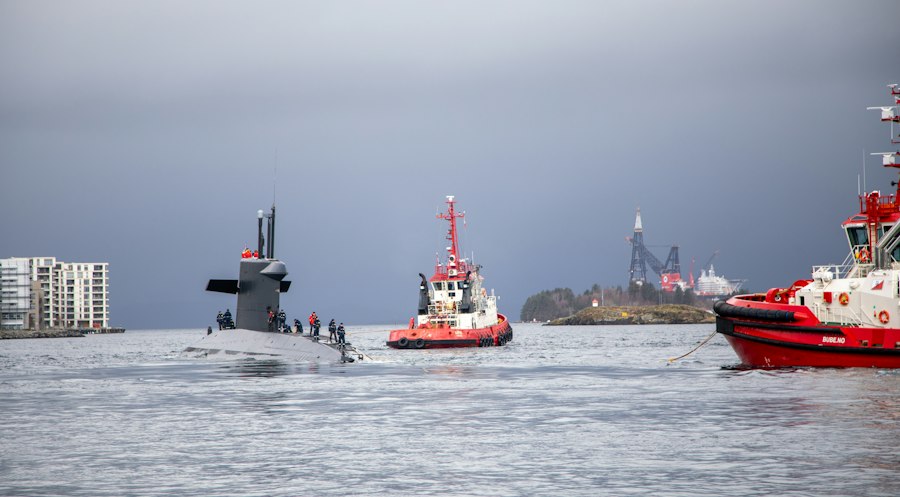
The period spanning World War II and the immediate post-war era marked a significant maturation for the Royal Navy’s submarine arm. The documentary dedicates substantial time to showcasing how the demands of total war accelerated technological advancements and strategic thinking within the Silent Service, transforming it into a truly formidable force.
The U-Boat Menace and the Allied Response
The film vividly depicts the escalating threat posed by German U-boats during World War II, a peril that plunged Britain to the brink of starvation. It details the desperate Allied efforts to counter this underwater onslaught, exploring the development of anti-submarine warfare (ASW) tactics and technologies, including sonar, depth charges, and escort carriers. The documentary highlights the crucial role of British submarines in disrupting enemy shipping, conducting vital reconnaissance missions, and even in clandestine operations behind enemy lines. The narrative emphasizes the cat-and-mouse game played out in the Atlantic, where skilled submarine commanders on both sides sought to outwit and outmaneuver their adversaries. The film uses dramatic reconstructions and expert analysis to illustrate the brutal realities of submarine warfare, the constant tension, the agonizing choices, and the profound sense of isolation experienced by crews. It also pays tribute to the intelligence and operational brilliance of Allied submariners who, despite facing a technically superior enemy in some respects, managed to turn the tide of the Battle of the Atlantic. The documentary underscores the symbiotic relationship between submarine operations and the broader naval conflict, demonstrating how the Silent Service was not merely a defensive asset but a vital offensive weapon that directly impacted the war’s outcome.
Post-War Expansion and the Cold War Shadow
Following the Second World War, the Royal Navy’s submarine fleet underwent a significant expansion and modernization. The documentary illustrates how the advent of the Cold War and the perceived threat from the Soviet Union propelled submarine technology into a new era. The focus shifted towards the development of nuclear-powered submarines, capable of extended patrols and armed with ballistic missiles, thus ushering in the age of nuclear deterrence. The film explores the strategic implications of this shift, detailing the covert operations and intelligence gathering missions undertaken by submarines in contested waters. It highlights the technological leaps made in areas such as silent running, advanced sonar, and weapons systems. The documentary also touches upon the psychological challenges faced by submariners during this period of sustained tension, the constant readiness, and the isolation of extended deployments in a world on the precipice of nuclear conflict. The narrative acknowledges the immense technological and operational advancements that distinguished these post-war submarines from their predecessors, emphasizing their transformation into highly sophisticated instruments of national defense and power projection. The film uses archival footage and interviews with former submariners to convey the sense of purpose and the unique operational environment of the Cold War Silent Service.
Innovation and Evolution: Technological Advancements
A significant portion of the documentary is dedicated to the relentless pace of technological innovation that has defined the Royal Navy’s submarine force. The film showcases how engineers and submariners have consistently pushed the boundaries of what is possible underwater, leading to a continuous evolution of design, operational capabilities, and strategic deployment.
The Nuclear Revolution: Power and Endurance
The introduction of nuclear propulsion is presented as a watershed moment in submarine history. The documentary explains how nuclear reactors provided submarines with virtually unlimited endurance, allowing them to remain submerged for months at a time, a capability that revolutionized strategic planning and operational scope. It details the complex engineering behind these power plants and the rigorous training required for crews to operate them safely. The film illustrates the significant increase in speed and maneuverability that nuclear power afforded, transforming submarines from lumbering craft into swift and agile hunters. The impact on global naval strategy is thoroughly explored, with the documentary explaining how nuclear-powered submarines became the silent guardians of the seas, capable of deploying nuclear deterrents and conducting deep-sea reconnaissance missions with unprecedented effectiveness. The narrative emphasizes that this technological leap not only enhanced the operational capabilities of the fleet but also fundamentally altered the nature of naval warfare, creating a new dimension of silent, persistent, and long-range power projection.
From Sonar to Stealth: Enhancing Detection and Evasion
The documentary delves into the continuous arms race in underwater acoustics and stealth technology. It traces the evolution of sonar from rudimentary listening devices to sophisticated multi-frequency systems capable of detecting submarines at vast distances. Conversely, it highlights the parallel advancements in submarine design aimed at reducing acoustic signatures, employing anechoic coatings, and designing hull shapes that minimize water noise. The film explains the concept of “silent running” and the meticulous training required for crews to achieve it. It also explores the development of towed arrays and other advanced sensors that enhance a submarine’s ability to detect and track targets while remaining undetected. The narrative uses animations and expert commentary to explain the complex physics and engineering involved in both active and passive sonar, and the sophisticated countermeasures employed by modern submarines. The documentary underscores that the ongoing battle between detection and evasion is a defining characteristic of modern submarine warfare, a constant technological duel that shapes the capabilities and operational doctrine of the Silent Service. The film emphasizes that success in this domain is not just about having the latest technology, but about the skill and dedication of the crews who operate it.
The Human Element: Life Aboard a Submarine
Beyond the impressive technology and strategic imperatives, “Royal Navy Submarine History: Silent Service Legacy Revealed” places a significant emphasis on the human experience of life aboard a submarine. The documentary acknowledges that operating these confined, often dangerous, underwater vessels requires a unique breed of individual, characterized by immense discipline, resilience, and camaraderie.
The Trials of Submarine Duty: Claustrophobia and Camaraderie
The film offers a visceral portrayal of the daily realities faced by submariners. It explores the psychological impact of living in close quarters for extended periods, often far from home and family, with limited privacy and constant underlying danger. The documentary highlights the importance of strict discipline, efficient routine, and a strong sense of shared responsibility in maintaining morale and operational effectiveness. Expert interviews and personal anecdotes from former submariners vividly illustrate the challenges of dealing with claustrophobia, the lack of natural light, and the perpetual hum of machinery. However, the film also emphasizes the profound bonds that form between crew members, a deep sense of camaraderie forged in shared adversity and mutual reliance. This “brotherhood” is presented as a critical coping mechanism and a vital component of a successful submarine crew. The documentary suggests that the unique pressures of submarine life create an unparalleled level of trust and interdependence, where the survival of each individual is directly linked to the actions and integrity of every other crew member.
Courage Under Pressure: Sacrifice and Service
The documentary dedicates considerable attention to the immense courage and dedication displayed by submariners throughout history. It recounts instances of extraordinary bravery in the face of enemy fire, mechanical failures, and the constant threat of disaster. The film brings to life the personal sacrifices made by these individuals, the missed family events, the prolonged periods of separation, and the inherent risks associated with their chosen profession. It highlights the stories of submariners who have received commendations for their valor and the tragic tales of those lost at sea, whose bravery remains a testament to the Silent Service’s commitment. The documentary also explores the rigorous training regimes and the high standards of professionalism expected of every submariner, underscoring that courage in this environment is not a spontaneous act but a cultivated quality, honed through relentless preparation and an unwavering sense of duty. The film aims to ensure that the sacrifices of these often anonymous heroes are not forgotten, acknowledging their pivotal role in safeguarding national security.
For those interested in the fascinating history of the Royal Navy’s submarines, a related article can provide deeper insights into their evolution and impact on naval warfare. This article explores key developments and notable missions that have shaped the submarine fleet over the years. You can read more about it in this comprehensive piece on naval history at In the War Room, which complements the documentary by offering additional context and details about the submarines’ roles in various conflicts.
The Future of the Silent Service
| Year | Submarine Class | Notable Event | Details |
|---|---|---|---|
| 1901 | Holland-class | First Royal Navy Submarine Commissioned | HMS Holland 1 became the first submarine commissioned by the Royal Navy. |
| 1939-1945 | T-class | World War II Service | T-class submarines played a significant role in Atlantic and Mediterranean operations. |
| 1958 | Porpoise-class | Introduction of Modern Diesel-Electric Submarines | Porpoise-class featured improved stealth and sonar capabilities. |
| 1963 | Resolution-class | First Nuclear-Powered Ballistic Missile Submarines | Carried Polaris missiles, marking the start of the UK’s nuclear deterrent at sea. |
| 1991 | Swiftsure-class | Cold War Patrols | Swiftsure-class submarines conducted covert surveillance and anti-submarine warfare. |
| 1998 | Astute-class | Introduction of Advanced Nuclear Attack Submarines | Astute-class features enhanced stealth, weapons systems, and sonar technology. |
| 2020 | Dreadnought-class | Next Generation Ballistic Missile Submarines | Designed to replace the Vanguard-class, ensuring continuous nuclear deterrence. |
The documentary concludes by looking towards the future, examining the evolving role and capabilities of the Royal Navy’s submarine force in the 21st century. It acknowledges the ever-changing geopolitical landscape and the new challenges that will demand continued innovation and adaptation from the Silent Service.
Modern Deterrence and Global Reach
The film showcases the current generation of Royal Navy submarines, particularly the Vanguard-class ballistic missile submarines, which form the backbone of the UK’s nuclear deterrent. It explains the strategic importance of these vessels in maintaining global stability and deterring potential adversaries. The documentary also highlights the Astute-class attack submarines, emphasizing their advanced stealth capabilities, their ability to conduct a wide range of missions from anti-submarine warfare to intelligence gathering, and their formidable offensive power. The film discusses the increasing integration of these submarines into joint military operations and their crucial role in projecting power and safeguarding national interests in a complex and often volatile world. The narrative emphasizes that the Silent Service remains a vital and indispensable component of modern naval power, its silent vigilance a crucial element in maintaining peace and security on a global scale. The documentary conveys a sense of continuity, demonstrating how the lessons learned from the past are informing the development and deployment of future submarine capabilities.
Emerging Threats and Technological Frontiers
The documentary explores the emerging threats and technological frontiers that will shape the future of submarine warfare. It discusses the rise of new naval powers, the proliferation of advanced anti-submarine technologies, and the increasing importance of cyber warfare in the underwater domain. The film examines how the Royal Navy is investing in research and development to counter these evolving challenges, including the exploration of artificial intelligence, unmanned underwater vehicles (UUVs), and enhanced sensor technologies. The documentary suggests that the Silent Service will need to remain at the cutting edge of innovation to maintain its operational effectiveness and strategic relevance. It posits that the future of submarine warfare will likely involve a blend of manned and unmanned systems, operating in increasingly complex and contested environments. The film concludes with a forward-looking perspective, emphasizing that while the technology may change, the core values of courage, discipline, and unwavering commitment will continue to define the Royal Navy’s Silent Service for generations to come.
The Soviet Submarine Britain Lost—Then Found Again
FAQs
1. What is the focus of the royal navy submarine history documentary?
The documentary delves into the rich history of the Royal Navy’s submarine fleet, exploring key events, technological advancements, and the crucial role submarines have played in naval warfare.
2. How long is the royal navy submarine history documentary?
The documentary has a runtime of 90 minutes, allowing for a comprehensive exploration of the Royal Navy’s submarine history from its early days to the present.
3. Are there interviews with former submariners in the documentary?
Yes, the documentary features interviews with former Royal Navy submariners who share their firsthand experiences and insights into life aboard submarines and the challenges they faced at sea.
4. Does the documentary cover any notable submarine missions or battles?
Yes, the documentary highlights some of the most significant submarine missions and battles in Royal Navy history, showcasing the bravery and skill of submariners in critical moments of conflict.
5. How was the royal navy submarine history documentary received by audiences and critics?
The documentary has received widespread acclaim for its in-depth exploration of Royal Navy submarine history, with audiences and critics praising its informative content, engaging storytelling, and archival footage.