The steadily growing stockpile of the Joint Air-to-Surface Standoff Missile (JASSM) within the United States military is increasingly becoming a focal point of strategic discussions, particularly as tensions escalate in the Indo-Pacific and the shadow of a potential conflict with China looms larger. This burgeoning arsenal, comprised of both the baseline JASSM and its extended-range variant, the JASSM-ER, represents a significant enhancement of American airpower projection capabilities. However, its expanding presence and stated operational objectives are not going unnoticed by Beijing, fueling concerns and contributing to a volatile geopolitical climate. This article will delve into the implications of the rising JASSM stockpile, exploring its strategic rationale, its potential role in a Taiwan contingency, and the mounting anxieties it engenders within China.
The United States has long relied on advanced missile technology to maintain its strategic advantage and deter potential adversaries. The JASSM program embodies this philosophy, providing a potent, low-observable, precision-guided weapon capable of striking heavily defended targets at significant standoff distances. The rationale behind the increasing production and deployment of JASSM and JASSM-ER is multi-faceted, driven by a desire to enhance both defensive and offensive capabilities in a rapidly evolving security landscape.
Adapting to Evolving Threats
The rise of sophisticated air defense systems and the proliferation of advanced weaponry by potential adversaries like China have necessitated a corresponding evolution in American strike capabilities. Traditional unguided munitions and even earlier generations of guided missiles are often vulnerable to modern integrated air defense systems (IADS). The JASSM, with its stealthy design and advanced guidance systems, is engineered to overcome these challenges, enabling aircraft to launch strikes from well outside the engagement envelope of many enemy air defenses. This standoff capability is crucial for preserving the survivability of U.S. and allied aircraft during high-intensity conflict scenarios.
Low-Observable Characteristics
The JASSM’s design incorporates radar-absorbent materials and a unique shape to minimize its radar cross-section. This stealth feature makes it exceedingly difficult for enemy radar systems to detect, track, and engage the missile during its flight. This inherent stealth is a cornerstone of its effectiveness, allowing it to penetrate sophisticated air defenses that would otherwise pose an insurmountable obstacle to less stealthy weapons.
Advanced Guidance Systems
Beyond its stealth, the JASSM boasts sophisticated navigation and targeting systems. It utilizes a combination of Inertial Navigation System (INS), Global Positioning System (GPS), and an infrared seeker to achieve remarkable accuracy, even in contested electronic warfare environments. The JASSM-ER further enhances this with an extended range, allowing for even greater standoff distances, thereby increasing the survivability of the launch platform and the likelihood of mission success against deeply buried or hardened targets.
The Role in Regional Power Balance
The Indo-Pacific region, with its complex geopolitical dynamics and the growing military might of China, has become a primary focus for U.S. defense strategy. The JASSM stockpile plays a pivotal role in maintaining a credible deterrent against Chinese aggression. By demonstrating the capacity to project significant airpower deep into contested territories, the U.S. aims to dissuade Beijing from pursuing aggressive actions, particularly concerning Taiwan and the disputed South China Sea.
Deterring Escalation
A substantial and capable JASSM arsenal serves as a clear signal to China that any attempt at forceful unification of Taiwan or aggressive expansion in the South China Sea would be met with a swift and devastating response. The ability to hold critical military infrastructure, command and control nodes, and logistical hubs at risk without committing vulnerable aircraft to heavily defended airspace significantly raises the cost of conflict for Beijing. This deterrence factor is arguably the most significant strategic driver behind the increasing JASSM production.
Enhancing Allied Capabilities
The JASSM is not solely a U.S. weapon. Its export to key U.S. allies in the region, such as Australia and Japan, further strengthens the collective security architecture. This proliferation of advanced strike capabilities among allies enhances their ability to contribute to regional defense and collective security operations, creating a more robust and integrated deterrent against potential aggression.
Recent discussions surrounding the JASSM missile stockpile have highlighted concerns about China’s military capabilities and its potential implications for regional stability. An insightful article that delves into these issues can be found at In The War Room, where experts analyze the strategic significance of missile stockpiles in the context of escalating tensions in the Asia-Pacific region. This piece provides a comprehensive overview of how advancements in missile technology could influence the dynamics of warfare and deterrence in the coming years.
JASSM in the Taiwan Contingency: A Game Changer?
The hypothetical scenario of a Chinese invasion of Taiwan is perhaps the most prominent context in which the rising JASSM stockpile is discussed. In such a conflict, the JASSM’s capabilities would be put to the ultimate test, potentially playing a decisive role in shaping the outcome of the battle. Its ability to strike critical Chinese assets from a safe distance could be instrumental in disrupting invasion plans and degrading Beijing’s ability to sustain an offensive.
Striking the Amphibious Assault Force
A primary objective in a Taiwan contingency would be to interdict the massive amphibious assault force that China would need to deploy. JASSM missiles, launched from F-15s, F-16s, B-1s, B-2s, and even potentially future platforms, could be employed to target the landing craft, transport ships, and supporting naval vessels staging for the invasion. The accuracy and range of the JASSM would allow for devastating strikes against these vulnerable targets before they reach Taiwanese shores.
Disruption of Seaborne Invasion
The sheer scale of a potential Chinese amphibious invasion necessitates a vast logistical and operational undertaking. The JASSM, by targeting key staging areas, transportation hubs, and even individual landing craft, could sow chaos and significantly disrupt the momentum of an invasion. The ability to degrade the enemy’s ability to get troops and equipment ashore is paramount to preventing a successful landing.
Targeting Logistics and Command Nodes
Beyond the direct assault force, JASSM missiles could also be used to target critical logistical nodes and command and control centers that support the invasion. This could include airfields used to launch air support, naval bases from which ships are deployed, and any onshore command centers coordinating the operation. By decapitating the enemy’s command structure and disrupting their supply lines, the U.S. and its allies could cripple the invasion’s effectiveness.
Neutralizing Island Air and Naval Defenses
Taiwan is itself a heavily fortified island, and any invasion would likely be preceded by significant air and naval bombardment from mainland China. JASSM missiles could be crucial in neutralizing these pre-invasion threats.
Suppressing Airfields and Missile Sites
The JASSM’s ability to penetrate heavily defended airspace makes it ideal for striking Taiwanese airfields, missile launch sites, and other critical military infrastructure. By degrading Taiwan’s ability to resist from the outset, the U.S. aims to preserve the island’s capacity to defend itself once the invasion begins, or to provide an advantage to U.S. and allied forces.
Targeting Naval Assets in the Strait
In addition to air defenses, China would likely employ its significant naval assets in the Taiwan Strait. JASSM missiles could be used to target warships, submarines, and other naval vessels operating in the strait, thereby reducing the threat to both Taiwanese defenders and potential U.S. and allied intervention forces. The standoff capability of the JASSM is particularly advantageous here, allowing for strikes against vessels operating within the strait without exposing the launching aircraft to the full spectrum of Chinese naval and air defenses.
China’s Growing Anxiety: A Perceived Escalation
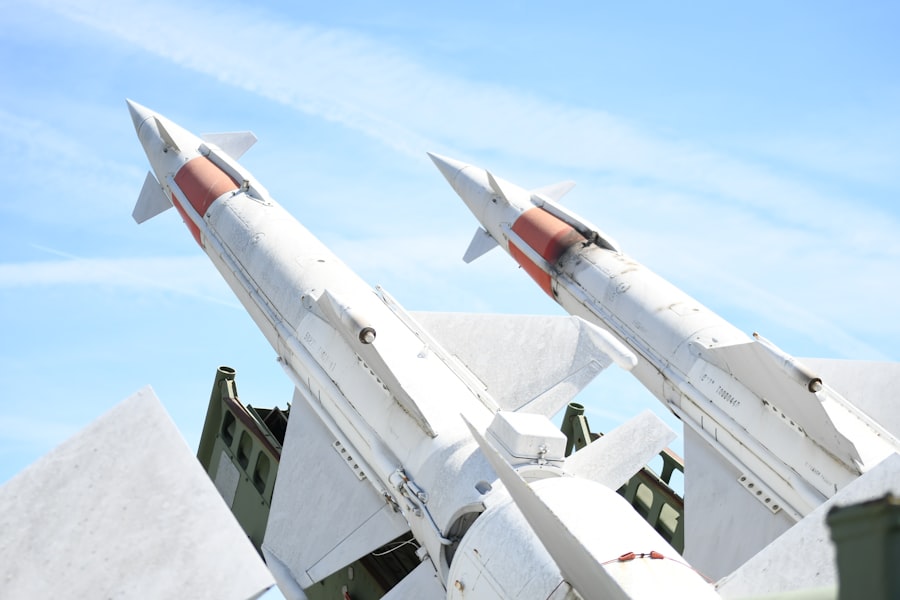
The increasing American investment in and deployment of JASSM missiles are not viewed with equanimity by Beijing. China perceives this growing stockpile as a direct challenge to its regional ambitions and a potential threat to its own national security. This perception fuels anxieties and contributes to an arms race dynamic in the Indo-Pacific.
Recent discussions surrounding the JASSM missile stockpile have raised concerns about China’s military capabilities and its potential implications for regional stability. In light of these developments, an insightful article on the topic can be found at In the War Room, which delves into the strategic significance of missile inventories and their role in modern warfare. This analysis provides a comprehensive overview of how nations are adapting their defense strategies in response to evolving threats.
The “String of Pearls” and Containment Concerns
China has long expressed concerns about what it perceives as American attempts to “contain” its rise, often referring to the U.S. military presence and alliances in the region as a “string of pearls” encircling its coastline. The deployment of advanced standoff missiles like the JASSM within this perceived strategic encirclement is seen as a direct enhancement of this containment strategy.
Strategic Encirclement and Offensive Capabilities
From Beijing’s perspective, the JASSM stockpile, when combined with U.S. forward-deployed forces and alliances, represents a significant offensive capability that can reach deep into Chinese territory. This is viewed as a direct threat to China’s ability to project power and secure its own interests, particularly in the context of Taiwan. The perceived increase in the range and lethality of these missiles only amplifies these concerns.
Regional Power Dynamics and Deterrence Reversal
China views itself as the dominant power in the Indo-Pacific and seeks to reorder the regional security landscape according to its own interests. The U.S. military presence and its advanced weaponry, including the JASSM, are seen as impediments to this objective. Beijing likely believes that a growing JASSM arsenal empowers the U.S. and its allies to effectively deter China, potentially reversing the traditional power dynamics that China seeks to establish.
The Counter-Response: Modernization and Asymmetric Warfare
In response to the perceived threat posed by the JASSM and other advanced Western weaponry, China is undertaking a rapid and comprehensive modernization of its own military. This includes the development of its own advanced missile systems, anti-access/area denial (A2/AD) capabilities, and strategies focused on asymmetric warfare.
Development of Counter-Missile Technologies
As the U.S. invests in standoff missiles, China is investing heavily in technologies to counter them. This includes advanced early warning systems, electronic warfare capabilities to jam or deceive missile guidance systems, and potentially even directed-energy weapons to intercept incoming missiles. The development of a robust missile defense network is a key priority for Beijing.
Escalation Dominance and Asymmetric Advantages
China’s military strategy often emphasizes achieving “escalation dominance,” meaning the ability to escalate a conflict to a level that is most advantageous to China. This could involve leveraging asymmetric advantages, such as cyber warfare, space-based capabilities, and its vast industrial capacity, to offset the technological superiority of the U.S. in certain domains. The JASSM, while a formidable weapon, is just one piece of a complex and evolving strategic puzzle.
The Arms Race in the Indo-Pacific: A Cycle of Escalation?
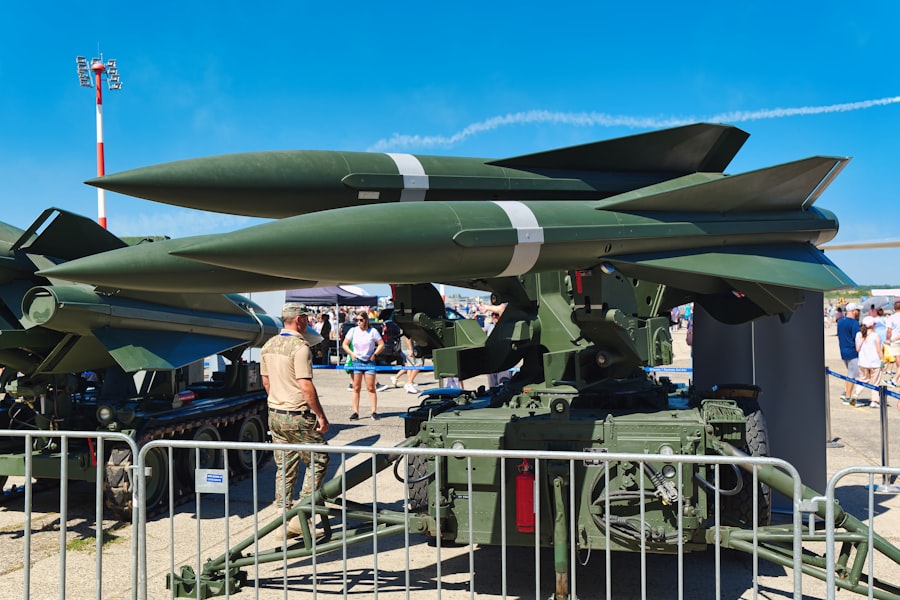
The rising JASSM stockpile and China’s subsequent counter-responses are emblematic of a broader arms race that is intensifying in the Indo-Pacific. This cycle of escalating military investment and development raises serious concerns about regional stability and the potential for miscalculation leading to conflict.
Increased Military Spending and Posturing
Both the United States and China, along with other regional powers, are significantly increasing their defense budgets and engaging in more assertive military posturing. This includes increased naval patrols, air force deployments, and joint military exercises, all of which contribute to a climate of heightened tension and suspicion.
Regional Alliances and Military Modernization
The United States is strengthening its alliances with countries like Japan, South Korea, Australia, and the Philippines, while China is bolstering its own regional partnerships and military capabilities. This dynamic fosters a complex web of competing interests and security concerns, making de-escalation increasingly challenging.
The Risk of Miscalculation and Accidental Conflict
In an environment of heightened military activity and suspicion, the risk of miscalculation or accidental conflict rises significantly. A minor incident at sea or in the air could quickly escalate into a larger confrontation if lines of communication are not robust and if trust is eroded. The presence of advanced offensive and defensive weapon systems, such as the JASSM, further amplifies the potential consequences of such an escalation.
The Diplomatic Imperative: De-escalation and Dialogue
While military modernization is a reality in the current geopolitical climate, the escalating tensions underscore the urgent need for diplomatic engagement and de-escalation. Open communication channels and a willingness to address underlying security concerns are crucial to preventing a slide towards wider conflict.
Arms Control and Transparency Measures
The establishment of arms control frameworks and greater transparency regarding military capabilities could help to reduce mutual suspicion and the risk of an arms race. While challenging to implement in the current environment, such measures are vital for long-term regional stability.
Addressing Root Causes of Tension
Ultimately, the rising JASSM stockpile and China’s anxieties are symptoms of deeper geopolitical tensions. Addressing the underlying issues, such as territorial disputes, economic competition, and differing visions for regional order, is essential for achieving lasting peace and stability in the Indo-Pacific. The continued growth of the JASSM arsenal, while strategically significant for the U.S., also serves as a stark reminder of the precarious balance in the region and the urgent need for effective diplomatic solutions.
The increasing JASSM stockpile represents a potent symbol of America’s commitment to maintaining a strong presence and deterrent capability in the Indo-Pacific. However, its strategic implications are far-reaching, fueling China’s anxieties, contributing to an escalating arms race, and raising the specter of a dangerous confrontation. As this potent weapon system continues to proliferate, the international community watches with bated breath, hoping that diplomacy and de-escalation will prevail over the looming threat of conflict.

What Happens If China Moves Before America Rearms?
FAQs
What is the current stockpile of JASSM missiles in the United States?
The United States currently has a stockpile of over 4,000 Joint Air-to-Surface Standoff Missiles (JASSM) in its inventory.
What is the significance of the JASSM missile in modern warfare?
The JASSM missile is a long-range, precision-guided weapon designed to destroy high-value, well-defended targets. It provides the capability to strike enemy targets from a safe distance, reducing the risk to pilots and aircraft.
How does the JASSM missile impact the military balance in the Asia-Pacific region?
The deployment of JASSM missiles in the Asia-Pacific region provides the United States with a significant advantage in power projection and deterrence. It enhances the ability to target and destroy key enemy assets, including those in China.
What is China’s response to the stockpiling of JASSM missiles by the United States?
China has expressed concerns about the deployment of JASSM missiles in the Asia-Pacific region, citing it as a destabilizing factor that could escalate tensions and lead to a potential arms race.
How does the stockpile of JASSM missiles impact the potential for conflict with China?
The stockpile of JASSM missiles by the United States increases its ability to conduct precision strikes against Chinese military targets, potentially influencing the calculus of any potential conflict and serving as a deterrent.