The roar of engines, the hum of propellers, and the chilling knowledge of a world divided – these were the sounds and feelings that defined the Berlin Airlift. More than just a logistical triumph, it was a testament to human ingenuity, resilience, and the unwavering commitment to freedom in the face of overwhelming adversity. This monumental aviation mission, born out of Cold War tensions, etched itself into the annals of history, not only for its sheer scale but for its profound impact on the geopolitical landscape and the spirit of a besieged people.
The Second World War had left Europe in ruins, and Germany, the heart of the conflict, bore the deepest scars. By 1948, the Allied powers – the United States, Great Britain, and France – occupied distinct zones of West Germany, while the Soviet Union controlled the East. Berlin, situated deep within the Soviet zone, was similarly divided, with each of the four powers administering a sector. This arrangement, intended to facilitate post-war reconstruction, soon became a powder keg.
Post-War Tensions Escalate
The ideological chasm between the Soviet Union and the Western Allies widened with alarming speed. The Soviets, under Joseph Stalin, viewed the Western presence in Berlin as an intrusion and sought to consolidate their control over the entire city. Conversely, the Western powers saw Berlin as a crucial outpost of democracy and a symbol of their commitment to a free Germany.
Ideological Clashes
The fundamental differences in political and economic systems created an environment of distrust and suspicion. The Soviet Union championed communism, advocating for a centralized state and collective ownership, while the Western Allies promoted democracy and market economies. These opposing ideologies fueled a constant ideological battle, with each side seeking to expand its influence.
The Currency Reform Spark
The immediate catalyst for the crisis was the introduction of a new currency, the Deutsche Mark, in the Western zones of Germany and Berlin on June 20, 1948. This reform, designed to stabilize the West German economy, was seen by the Soviets as a direct provocation, solidifying the economic division of Germany and undermining Soviet influence. They responded by withdrawing their own currency and demanding the withdrawal of the Western currency from their sector of Berlin.
The Soviet Blockade Begins
In retaliation for the currency reform and as a means to force the Western powers out of Berlin, the Soviet Union initiated a complete blockade of all land and water routes into West Berlin on June 24, 1948. Rail lines, canals, and roads were severed, cutting off vital supplies of food, fuel, medicine, and all other necessities for the city’s more than two million inhabitants. The Soviets believed that this crippling blockade would force the Western Allies to abandon their commitment to West Berlin.
Aiming to Starve the City
The intent of the blockade was clear: to isolate West Berlin and, through starvation and deprivation, compel its population to capitulate to Soviet demands and embrace Soviet-backed East German rule. It was a calculated gamble to assert Soviet dominance and push the Western powers out of their strategic foothold in Eastern Europe.
The Potsdam Agreement’s Ambiguity
The blockade also exploited an ambiguity in the post-war agreements, particularly the Potsdam Agreement, which granted the Western Allies access rights to Berlin but did not explicitly define the terms of transit. The Soviets argued that their actions were within their rights as the occupying power of the surrounding territory.
The Berlin Airlift, a pivotal event in aviation history, showcased the resilience and ingenuity of the Allied forces during the Cold War. For a deeper understanding of this remarkable operation and its impact on aviation logistics, you can read a related article that delves into the strategies and challenges faced by pilots and ground crews alike. To explore this fascinating topic further, visit this article.
The Birth of “Operation Vittles”
Faced with the immediate threat of starvation and the potential loss of a key democratic outpost, the Western Allies had to make a difficult decision. Surrender was not an option; abandoning West Berlin would be a monumental blow to Western credibility and a clear signal of Soviet ascendancy. The only viable alternative was to supply the city by air.
A Risky Proposition
The idea of supplying an entire city of over two million people solely by air was an unprecedented undertaking. The logistical challenges were immense. Existing airfields were limited, and the volume of supplies required was astronomical. Furthermore, the flights would have to operate under constant threat from Soviet fighter jets and the inherent dangers of flying in potentially hostile airspace.
Assessing the Capabilities
Military planners and aviation experts meticulously assessed the capabilities of their air forces. They considered the types of aircraft available, their cargo capacity, the range of operation, and the availability of skilled pilots and ground crews. The scale of the task demanded a level of organization and coordination never before seen.
The Stakes of Failure
The stakes of failure were immeasurable. If the airlift could not sustain West Berlin, the city would inevitably fall under Soviet control. This would represent a significant victory for communism and a devastating setback for the West, potentially emboldening further Soviet expansionism.
The Allies Unite
Despite the daunting challenges, the United States and Great Britain, with the support of other Allied nations, committed to the audacious plan. This unified resolve was crucial, demonstrating a shared determination to resist Soviet aggression.
American Leadership
The United States, with its superior airpower and logistical capabilities, took the lead in the operation. The U.S. Air Force, under the command of General Lucius D. Clay, was instrumental in designing and executing the airlift.
British Contribution
The Royal Air Force (RAF) played a vital role, contributing a significant number of aircraft and personnel. Their experience in air transport during the war proved invaluable.
The Mighty “Rosinenbomber” (Raisin Bombers)
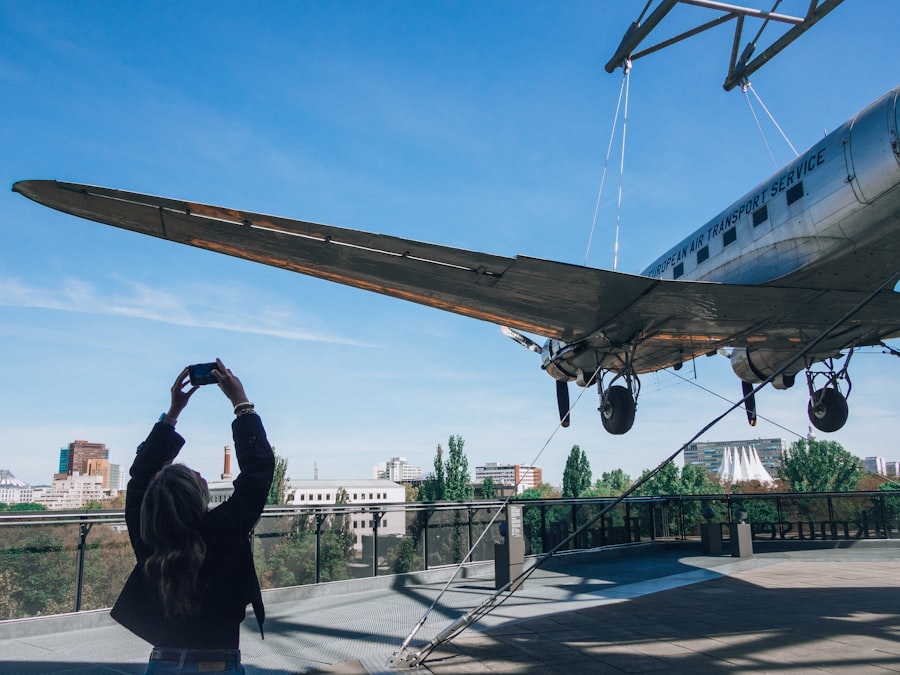
The Berlin Airlift, codenamed “Operation Vittles” by the Americans and “Operation Plainfare” by the British, quickly became known by the affectionate moniker “Rosinenbomber” (Raisin Bombers) by the grateful citizens of West Berlin. This nickname stemmed from the small candy-filled parachutes that pilots would drop for the children, a small but incredibly symbolic gesture of hope and defiance.
The Scale of the Operation
The airlift was a marvel of logistical planning and execution. Hundreds of aircraft, primarily American C-47 Skytrains (Dakotas) and C-54 Skymasters, alongside British Dakotas and Yorks, flew thousands of sorties. These planes carried everything from flour and coal to medicine and machinery.
Daily Deliveries
At its peak, the airlift was delivering nearly 5,000 tons of supplies to West Berlin every single day. This required an almost continuous stream of aircraft landing and taking off, creating a constant symphony of engines over the city.
Round-the-Clock Operations
The flights operated around the clock, in all weather conditions, often through treacherous fog and icy skies. Pilots flew with incredible precision, navigating narrow air corridors into Berlin, constantly aware of the risks involved.
The “Air Bridge” to Freedom
The airlift effectively created an “air bridge” connecting West Berlin to the outside world. It was a lifeline that sustained not only the physical needs of the population but also their morale and their belief in the continued support of the Western Allies.
Supporting Two Million People
The sheer volume of goods transported was staggering. Over the course of the airlift, an estimated 2.3 million tons of supplies were delivered, a feat that involved over 277,000 flights.
The Human Element
Beyond the statistics, there were countless stories of individual heroism and sacrifice. Pilots pushed their limits, mechanics worked tirelessly, and ground crews managed the complex logistics under immense pressure.
Challenges and Triumphs in the Skies

The Berlin Airlift was far from a smooth operation. It was fraught with peril, demanding extraordinary skill and resilience from all involved. The Soviets, while not engaging in direct combat, employed tactics to harass and intimidate the Allied aircraft.
Navigating Hostile Skies
The three narrow air corridors through which Allied aircraft entered and exited Berlin were heavily monitored by Soviet forces. While direct shoot-downs were largely avoided, the constant threat and the close proximity of Soviet aircraft created a tense atmosphere.
Soviet Harassment Tactics
Soviet fighters would sometimes shadow Allied transport planes, performing aggressive maneuvers and attempting to force them off course. Ground radar and anti-aircraft batteries were also a constant concern, though they were primarily aimed at deterring rather than destroying.
Navigational Difficulties
Flying in the dense post-war airspace, often in poor weather conditions, presented significant navigational challenges. Precision flying was paramount to avoid collisions and ensure safe landings.
The Human Cost of the Mission
Tragically, the airlift was not without its losses. Accidents occurred due to mechanical failures, pilot error, or adverse weather conditions. These incidents served as stark reminders of the dangers faced by those involved.
Aircraft Accidents
Over the course of the airlift, several aircraft crashed, resulting in the loss of lives. Each loss was deeply felt by the crews and the ground personnel.
The “Candy Bombers” and Their Legacy
Despite the dangers, the spirit of the pilots and crews remained indomitable. The practice of dropping candy for children became a powerful symbol of hope and friendship, fostering a deep connection between the airmen and the Berliners. The children eagerly awaited the sound of the approaching planes, their eyes scanning the skies for the telltale parachutes.
The Berlin Airlift remains one of the most significant events in aviation history, showcasing the power of air transport in times of crisis. For those interested in exploring more about the strategic implications and operational challenges faced during this monumental effort, a related article can be found at In the War Room. This resource delves into the intricate logistics and the heroic efforts of pilots who flew tirelessly to deliver essential supplies to the people of West Berlin, highlighting the vital role aviation played in shaping post-war Europe.
The End of the Blockade and Its Lasting Legacy
| Year | Event | Significance |
|---|---|---|
| 1948 | Berlin Airlift begins | Western Allies deliver food, fuel, and supplies to West Berlin during Soviet blockade |
| 1949 | Berlin Airlift ends | Successful effort to provide essential goods to West Berlin, demonstrating Western commitment to the city |
| 1953 | End of Soviet blockade | Blockade lifted, marking the end of the Berlin Airlift |
After nearly a year of sustained effort, the Berlin Blockade proved to be a costly and ultimately futile endeavor for the Soviet Union. The unwavering resolve of the Western Allies and the resilience of the West Berliners forced a reevaluation of Soviet strategy.
Soviet Concession
Recognizing the failure of their blockade to achieve its objectives and facing mounting international pressure, the Soviet Union finally lifted the blockade on May 12, 1949. This marked a significant victory for the Western Allies and a testament to the success of the airlift.
A Diplomatic Triumph
The lifting of the blockade was seen as a major diplomatic triumph for the West, demonstrating that aggression and coercion would not be tolerated. It solidified the Western commitment to West Berlin and to containing Soviet influence.
The “Spirit of Berlin”
The airlift fostered an enduring bond between the people of West Berlin and the Allied airmen. The “Spirit of Berlin,” characterized by resilience, defiance, and a deep appreciation for freedom, became a powerful symbol.
The Geopolitical Ramifications
The Berlin Airlift had profound and lasting geopolitical consequences. It significantly heightened Cold War tensions but also solidified the resolve of the Western powers to stand firm against Soviet expansionism.
The Formation of NATO
The perceived threat posed by the Soviet Union during the blockade was a major catalyst for the formation of the North Atlantic Treaty Organization (NATO) in April 1949. This military alliance was established to provide collective security for Western Europe against potential Soviet aggression.
A Divided Germany Solidifies
The airlift effectively cemented the division of Germany into two separate states: the Federal Republic of Germany (West Germany) and the German Democratic Republic (East Germany). The experience of the airlift further deepened the ideological and political divide.
A Symbol of Freedom’s Resilience
The Berlin Airlift stands as an enduring symbol of the triumph of human spirit, resilience, and the unwavering commitment to freedom. It demonstrated that even in the face of overwhelming odds, determined action and international cooperation could overcome seemingly insurmountable challenges. It proved that the roar of liberty could indeed drown out the whispers of oppression. The skies over Berlin, once a theater of war, became a highway of hope, carrying not just supplies, but the indomitable spirit of a people determined to remain free.

How 90 Seconds Kept 2 Million People Alive
FAQs
What was the Berlin Airlift?
The Berlin Airlift was a massive operation conducted by the Western Allies to supply West Berlin with food, fuel, and other necessities after the Soviet Union blockaded the city in 1948.
How long did the Berlin Airlift last?
The Berlin Airlift lasted for 11 months, from June 1948 to May 1949.
Which countries participated in the Berlin Airlift?
The United States, United Kingdom, France, Canada, Australia, New Zealand, and South Africa all participated in the Berlin Airlift.
What role did aviation play in the Berlin Airlift?
Aviation played a crucial role in the Berlin Airlift, as it was the primary method of delivering supplies to West Berlin. Cargo planes flew around the clock, delivering food, fuel, and other necessities to the city.
What was the significance of the Berlin Airlift in aviation history?
The Berlin Airlift was a significant event in aviation history as it demonstrated the capability of air transport to sustain a population under extreme circumstances. It also showcased the cooperation and coordination of multiple countries in a large-scale airlift operation.