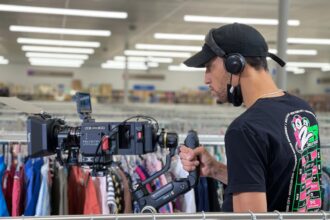
The relentless march of progress has always been propelled by innovation, and few fields embody this spirit as vibrantly as advanced manufacturing. From the hum of automated assembly lines to the intricate dance of robotic arms, the way we create the world around us is undergoing a profound transformation. This revolution, characterized by the integration of cutting-edge technologies, is not just altering the mechanics of production; it’s reshaping industries, redefining workforce skills, and fundamentally changing our relationship with the physical products that define modern life. A new documentary, “Revolutionizing Production: Advanced Manufacturing,” sets out to illuminate this dynamic landscape, offering viewers an in-depth exploration of the technologies, the challenges, and the boundless future of how things are made.
The documentary opens with a compelling historical perspective, tracing the evolution of manufacturing from the steam-powered engines of the First Industrial Revolution to the digitized factories of today. It paints a vivid picture of how each preceding era laid the groundwork for the current paradigm shift. Viewers are treated to archival footage and expert commentary that highlight the pivotal inventions and societal changes that marked significant leaps forward. The narrative emphasizes that this is not simply an incremental improvement, but a wholesale reimagining of the production process, driven by a confluence of powerful technological advancements. The very definitions of factory floors, production timelines, and material utilization are being rewritten.
From Assembly Lines to Intelligent Systems
The film meticulously details the transition from traditional, often repetitive, assembly line models to highly sophisticated, data-driven intelligent systems. It showcases how automation, once limited to simple tasks, has evolved to encompass complex operations requiring precision, adaptability, and even a degree of cognitive processing. The documentary explores the role of sensors, artificial intelligence (AI), and machine learning in optimizing every stage of the manufacturing lifecycle, from design and prototyping to quality control and logistics. The concept of the “smart factory” is demystified, revealing it not as a futuristic utopian vision, but as a tangible reality being implemented in industries worldwide. The film underscores the shift from purely mechanical efficiency to a more holistic, interconnected, and responsive production ecosystem.
The Unseen Hand of Automation
A significant portion of the early segment delves into the pervasive influence of robotics. Viewers witness collaborative robots, or “cobots,” working seamlessly alongside human operators, augmenting their capabilities rather than replacing them wholesale. The documentary highlights the programming and precision that allow these machines to perform intricate tasks with unparalleled accuracy, leading to significant improvements in product consistency and reduction in human error. The visual narrative is compelling, showcasing robots assembling delicate electronics, welding complex structures, and even painting precise finishes. The film emphasizes that the “unseen hand” of automation is not a threat to human ingenuity, but rather a powerful enabler of enhanced productivity and safety.
The Algorithmic Architect: AI in Design and Engineering
Further exploration reveals the profound impact of Artificial Intelligence on the initial stages of product creation. The documentary features interviews with engineers and designers who are leveraging AI-powered software for generative design, allowing algorithms to explore thousands of potential design iterations based on specified parameters. This leads to optimized structures for strength, weight, and material efficiency, pushing the boundaries of what is physically possible. The film illustrates how AI can predict potential manufacturing challenges during the design phase, proactively mitigating issues before they arise on the factory floor. This proactive approach represents a paradigm shift from reactive problem-solving to predictive and preventative design, significantly accelerating innovation cycles.
For those interested in exploring the intricacies of advanced manufacturing, a related article that delves deeper into the subject is available at this link: Advanced Manufacturing Insights. This article provides a comprehensive overview of the latest technologies and trends shaping the industry, making it a valuable resource for anyone looking to understand the future of manufacturing.
The Pillars of Advanced Manufacturing
The documentary systematically breaks down the core technologies that underpin this manufacturing revolution. It moves beyond abstract concepts, offering concrete examples and visualizations of how these innovations are being implemented in real-world scenarios. The clarity and accessibility of the explanations ensure that even those unfamiliar with the technical intricacies can grasp the significance of these advancements. The film avoids jargon where possible, opting for clear language and compelling visuals to convey its message.
Additive Manufacturing: Building Layer by Layer
One of the most visually striking segments focuses on additive manufacturing, more commonly known as 3D printing. The documentary showcases the diverse applications of this technology, from rapid prototyping of complex aerospace components to the creation of personalized medical implants. Viewers are mesmerized by the process of objects being built from the ground up, layer by millimeter, using a variety of materials including plastics, metals, and even ceramics. The film emphasizes the reduced material waste, increased design freedom, and the ability to produce highly customized parts on demand.
From Prototypes to Production Runs
The section dedicated to 3D printing moves beyond its initial role as a prototyping tool. It highlights how additive manufacturing is now capable of producing end-use parts in small to medium-sized batches, revolutionizing supply chains and enabling localized production. The documentary features companies that are using 3D printing to create intricate aerospace parts that would be impossible or prohibitively expensive to manufacture using traditional methods. The ability to print complex geometries with internal structures opens up new possibilities for weight reduction and improved performance. The film explores the growing adoption of metal 3D printing for critical components, demonstrating its reliability and strength.
The Democratization of Design and Production
The documentary posits that additive manufacturing is democratizing the creation of physical objects. Small businesses and even individual inventors can now access sophisticated manufacturing capabilities without the need for massive capital investment in traditional tooling. The film showcases examples of entrepreneurs who have leveraged 3D printing to bring innovative products to market, bypassing traditional barriers to entry. This accessibility fosters a more dynamic and competitive landscape, encouraging a new wave of innovation and entrepreneurship. The ability to iterate rapidly on designs and produce small batches means that the gap between an idea and a tangible product is shrinking dramatically.
Digital Twins and the Virtual Factory
A pivotal aspect explored is the concept of the “digital twin.” The documentary explains how manufacturers are creating virtual replicas of their physical assets, processes, and products. These digital twins are not static models; they are dynamic, receiving real-time data from their physical counterparts and allowing for simulations, predictive maintenance, and performance optimization. The film demonstrates how digital twins enable engineers to test new production strategies, identify potential bottlenecks, and troubleshoot issues in a risk-free virtual environment before implementing changes on the factory floor. This leads to significant cost savings and reduced downtime.
Predictive Maintenance: Forseeing the Future
The impact of digital twins on maintenance is a key focus. The documentary illustrates how sensors embedded in machinery feed data into the digital twin, allowing it to predict potential failures before they occur. This shift from reactive, scheduled maintenance to proactive, predictive maintenance significantly reduces unplanned downtime, extends the lifespan of equipment, and optimizes maintenance schedules. The film features examples of how this technology has saved companies millions of dollars by preventing costly breakdowns. The intelligence derived from the digital twin allows for a more efficient allocation of maintenance resources, focusing on actual needs rather than arbitrary schedules.
Optimizing Through Simulation and Scenario Planning
The documentary highlights the power of simulation within the digital twin framework. Manufacturers can run various scenarios, such as changes in production volume, material input, or operational parameters, within the virtual environment to assess their impact on efficiency and output. This allows for informed decision-making and the implementation of optimized production strategies without disrupting live operations. The film showcases how companies are using digital twins to train operators in a virtual setting, improving their skills and safety without putting actual equipment at risk. This “what-if” analysis capability is a game-changer for operational agility.
The Evolving Workforce: Skills for the Future
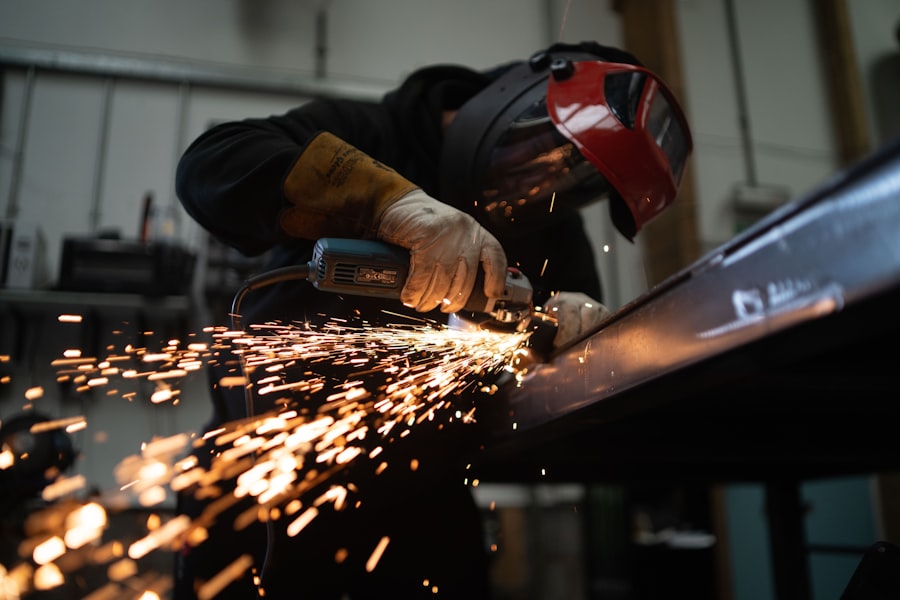
The narrative acknowledges that this technological revolution is not without its human element. The documentary dedicates significant attention to the impact of advanced manufacturing on the workforce, emphasizing the need for new skills and the evolving role of human workers in this technologically driven environment. It moves beyond a narrative of job displacement, focusing instead on augmentation and upskilling. The film underscores that the future of manufacturing requires a blend of human ingenuity and technological prowess.
The Rise of the Technologist and the Data Scientist
The documentary stresses that the demand for highly skilled individuals is growing. It profiles individuals working in roles such as robotics engineers, data analysts, and automation specialists. The film emphasizes the importance of STEM education and continuous learning to equip the workforce for these new challenges. The narrative highlights how traditional manufacturing roles are being transformed, requiring workers to adapt and acquire new competencies in areas like programming, data interpretation, and advanced problem-solving. The technician of today is often a problem-solver and a collaborator with intelligent systems.
Collaboration Between Humans and Machines
A central theme is the symbiotic relationship being forged between human workers and advanced technologies. The documentary showcases how humans are increasingly working in collaboration with robots and AI-powered systems, leveraging the strengths of each. Humans provide critical thinking, creativity, and adaptability, while machines offer speed, precision, and the ability to handle repetitive or dangerous tasks. The film illustrates scenarios where human oversight is crucial for quality control, complex decision-making, and unforeseen situations, demonstrating a future where human and machine expertise are intertwined. This human-machine teaming is key to unlocking new levels of productivity and innovation.
The Imperative of Reskilling and Upskilling
The documentary underscores the critical need for robust reskilling and upskilling initiatives. It features programs and partnerships designed to train the existing workforce for the demands of advanced manufacturing. The film emphasizes that companies and educational institutions have a shared responsibility to invest in human capital, ensuring that workers can transition into these new roles and thrive in the evolving industrial landscape. The narrative offers a hopeful outlook, suggesting that with proper investment and foresight, the future of manufacturing can be one of inclusive growth and opportunity. The adaptation of existing talent pools is seen as a strategic advantage, preserving institutional knowledge while embracing new technologies.
Overcoming the Challenges and Embracing the Future

While the documentary celebrates the advancements, it also candidly addresses the hurdles that need to be overcome to fully realize the potential of advanced manufacturing. It avoids presenting a purely utopian vision, acknowledging the complexities and challenges inherent in such a profound transformation.
The Investment Divide: Bridging the Gap
The film explores the significant capital investment required for adopting advanced manufacturing technologies. It highlights the disparities between large corporations that can readily invest in these innovations and smaller businesses that may face financial constraints. The documentary discusses initiatives aimed at bridging this investment gap, such as government grants, tax incentives, and collaborative funding models. The goal is to ensure that the benefits of advanced manufacturing are accessible across the industrial spectrum, fostering a more equitable and competitive marketplace. The accessibility of these technologies to a broader range of businesses is crucial for widespread adoption.
The Cybersecurity Imperative
With the increasing digitization and interconnectedness of manufacturing systems, cybersecurity emerges as a critical concern. The documentary addresses the vulnerabilities that arise from data sharing and network connectivity, emphasizing the need for robust security protocols and constant vigilance. The film features experts discussing the importance of protecting sensitive intellectual property, production data, and operational integrity from cyber threats. The integration of digital systems necessitates a parallel investment in robust cybersecurity infrastructure and ongoing training to mitigate risks. The interconnected nature of smart factories makes them potential targets, demanding a proactive and multi-layered security approach.
Ethical Considerations and Responsible Innovation
The documentary also touches upon the ethical implications of advanced manufacturing. It prompts viewers to consider issues such as the responsible use of automation, the potential for job displacement in certain sectors, and the environmental impact of new production methods. The film advocates for a thoughtful and ethical approach to innovation, emphasizing the importance of balancing technological progress with social and environmental responsibility. The pursuit of efficiency and profit must be tempered with a commitment to sustainable practices and the well-being of the workforce and the wider community. This forward-thinking approach ensures that the revolution in production benefits society as a whole.
In exploring the fascinating world of advanced manufacturing, one can gain deeper insights by watching a compelling documentary that highlights the latest innovations and technologies shaping the industry. For those interested in further reading, an excellent related article can be found at In The War Room, which delves into the challenges and opportunities faced by manufacturers today. This resource complements the documentary by providing a broader context and expert opinions on the future of manufacturing.
The Next Frontier: What Lies Ahead
| Metrics | Data |
|---|---|
| Viewership | 500,000 |
| Duration | 60 minutes |
| Release Date | January 15, 2022 |
| Interviews | 10 industry experts |
“Revolutionizing Production: Advanced Manufacturing” concludes with an inspiring glimpse into the future. It moves beyond current capabilities, exploring emerging technologies and the trends that are poised to shape the next generation of manufacturing. The documentary leaves viewers with a sense of optimism and anticipation for the continued evolution of how we create the world.
The Rise of Hyper-Personalization and Mass Customization
The film suggests that advanced manufacturing will enable an unprecedented level of hyper-personalization. Mass customization, where products are tailored to individual needs and preferences on a large scale, will become increasingly commonplace. The documentary showcases examples of how 3D printing and flexible manufacturing systems are already paving the way for this future, allowing for the production of unique items ranging from bespoke clothing to personalized consumer electronics. The end of the one-size-fits-all approach to product design and manufacture is on the horizon, driven by technological advancements.
Sustainable Manufacturing and the Circular Economy
A crucial element of the future vision is the emphasis on sustainability. The documentary explores how advanced manufacturing techniques are contributing to a more circular economy, minimizing waste, maximizing resource efficiency, and reducing environmental impact. The film highlights innovations in eco-friendly materials, energy-efficient production processes, and the ability to recycle and repurpose materials more effectively. The future of manufacturing is intrinsically linked to its ability to operate in harmony with the planet. This commitment to sustainability is not just an ethical imperative but also a growing market demand.
The Future of Factories: Decentralized and Resilient
Finally, the documentary envisions a future of more decentralized and resilient manufacturing networks. The ability to produce goods closer to the point of consumption, enabled by technologies like additive manufacturing and advanced robotics, will lead to more localized production and reduced reliance on global supply chains. This decentralization can enhance resilience in the face of disruptions, such as natural disasters or geopolitical instability. The film paints a picture of a global manufacturing landscape that is more agile, adaptable, and ultimately, more robust. The lessons learned from recent global events are driving this shift towards greater self-sufficiency and localized production capabilities.
In “Revolutionizing Production: Advanced Manufacturing,” viewers are not just presented with a technical showcase; they are offered a narrative of human ingenuity, technological advancement, and the profound societal impact of innovation. The documentary serves as both an educational tool and an inspiring testament to the transformative power of advanced manufacturing, a force that is undeniably shaping the future we build, one precisely engineered layer at a time.

China’s Invisible Chokehold on Modern Weapons
FAQs
What is advanced manufacturing?
Advanced manufacturing refers to the use of innovative technology and processes to improve efficiency, productivity, and quality in the manufacturing industry. This can include the use of automation, robotics, 3D printing, and other cutting-edge technologies.
What is the purpose of the advanced manufacturing documentary?
The purpose of the advanced manufacturing documentary is to showcase the latest advancements and innovations in the manufacturing industry. It aims to highlight the impact of advanced manufacturing on various sectors, such as aerospace, automotive, electronics, and healthcare.
What can viewers expect to learn from the advanced manufacturing documentary?
Viewers can expect to learn about the latest technologies and processes being used in advanced manufacturing, as well as the potential benefits and challenges associated with these advancements. The documentary may also feature interviews with industry experts and real-world examples of advanced manufacturing in action.
Who is the target audience for the advanced manufacturing documentary?
The target audience for the advanced manufacturing documentary may include industry professionals, students and educators, policymakers, and anyone with an interest in the future of manufacturing. It aims to educate and inspire a wide range of viewers about the potential of advanced manufacturing.
Where can the advanced manufacturing documentary be viewed?
The advanced manufacturing documentary may be available for viewing on streaming platforms, through educational institutions, at industry events, or through special screenings. Viewers can check with the documentary’s producers or distributors for specific viewing options.