The crisp autumn air carried the scent of pine and damp earth, a familiar backdrop to the focused intensity of the training grounds. But this was no ordinary exercise. The clatter of boots, the hushed commands, and the omnipresent murmur of strategic discussion weren’t directed at a physical enemy, but at an unseen adversary, meticulously crafted by a centuries-old, yet remarkably relevant, simulation: Kriegsspiel. Often relegated to historical footnotes or niche academic circles, Kriegsspiel, a German term for “wargame,” is experiencing a resurgence, proving itself not just a quaint relic, but the ultimate military training tool for the modern age.
Kriegsspiel, at its core, is a sophisticated board game designed to simulate warfare. Its origins can be traced back to the early 19th century, a period of profound military innovation in Prussia. The Napoleonic Wars had exposed the limitations of traditional military academies and the often-haphazard nature of battlefield decision-making. In response, military thinkers sought a method to train officers in strategic and tactical thinking, divorced from the high stakes of actual combat and the logistical nightmares of large-scale field exercises.
The Baron von Reisswitz and the Dawn of a New Era
The most widely recognized progenitor of modern Kriegsspiel was Baron von Reisswitz. In the 1820s, he developed a comprehensive system that involved maps, wooden pieces representing units, dice for determining outcomes, and a meticulously crafted rulebook. This early iteration was more than just a game; it was a rigorous pedagogical tool. Officers would be placed in command of opposing forces, presented with a specific operational scenario, and tasked with developing and executing plans.
The Role of the “Red” and “Blue” Teams
A fundamental element that has endured throughout Kriegsspiel’s evolution is the concept of opposing sides, often referred to as the “Red” and “Blue” teams. Each team is assigned a commander and a staff, tasked with achieving specific objectives. This adversarial setup is crucial for fostering a competitive spirit and encouraging proactive, rather than reactive, decision-making. The constant need to anticipate the opponent’s moves is a cornerstone of strategic acumen.
The Umpires: Guiding the Evolution of the Battlefield
Integral to the Kriegsspiel experience are the umpires. These individuals, typically experienced officers, act as the arbiters of the simulation. They interpret the rules, assess the feasibility of proposed actions, and determine the outcomes based on probabilities and historical precedents. Their role is not merely to enforce rules but to guide the learning process, offering insights and challenging assumptions. The umpire’s impartiality and expertise are paramount to the simulation’s educational value.
Evolution Through the Ages: From Board Games to Digital Simulations
While the foundational principles of Kriegsspiel remain, its execution has adapted to technological advancements. Early Kriegsspiel was played on physical maps with wooden pieces, a tactile and engaging experience. As technology progressed, so too did the simulations. The advent of computers allowed for more complex calculations, faster processing of information, and the ability to represent larger-scale conflicts.
The Impact of World Wars and Cold War Tensions
The crucible of the World Wars and the heightened tensions of the Cold War further underscored the importance of advanced military training. Kriegsspiel, in its various forms, was employed to explore new doctrines, test equipment, and prepare for hypothetical engagements. The complexity of modern warfare, with its multi-domain operations and intricate logistical chains, demanded ever more sophisticated simulation tools.
The Rise of Computer-Assisted Wargames
Today, Kriegsspiel has largely transitioned into computer-assisted wargames. These digital simulations offer unparalleled realism, allowing for the modeling of terrain, weather, logistics, electronic warfare, and even the psychological impact of combat. While the digital realm offers efficiency and scalability, the core principles of strategic thinking, leadership development, and informed decision-making remain the driving force behind these modern iterations.
Kriegsspiel, a military training game developed in the 19th century, has significantly influenced modern military strategy and education. For those interested in exploring the historical context and evolution of such training methods, a related article can be found at In the War Room, which delves into various military simulation techniques and their applications in contemporary warfare. This resource provides valuable insights into how games like Kriegsspiel have shaped military decision-making and tactics over the years.
The Multifaceted Benefits of Kriegsspiel Training
The enduring appeal and recent revival of Kriegsspiel lie in its unparalleled ability to cultivate a wide array of critical skills essential for military leadership. It transcends rote memorization and physical conditioning, delving into the intricate art of strategic and tactical decision-making under pressure.
Cultivating Strategic Acumen and Tactical Proficiency
At its heart, Kriegsspiel is a crucible for strategic thinking. Participants are forced to analyze complex situations, assess risks and rewards, and develop overarching plans. This is not simply about moving pieces on a board; it’s about understanding the interconnectedness of military actions, the importance of intelligence, and the impact of logistical constraints.
Developing Operational Art: The Bridge Between Strategy and Tactics
Kriegsspiel excels at fostering the development of “operational art.” This is the conceptualization and execution of campaigns and major operations to achieve strategic objectives within a given theater of operations. Players learn to translate strategic goals into actionable tactical objectives, understanding how battlefield successes contribute to broader campaign outcomes.
Mastering the Art of Deception and Counter-Deception
The adversarial nature of Kriegsspiel provides fertile ground for practicing deception and counter-deception. Commanders must think about how to mask their intentions, mislead the enemy, and exploit opportunities created by the opponent’s blind spots. Similarly, they must be vigilant in recognizing and thwarting the enemy’s attempts at deception.
Enhancing Leadership and Teamwork
Beyond individual strategic prowess, Kriegsspiel is a powerful tool for developing effective leadership and fostering cohesive teamwork. The simulation demands clear communication, delegation of authority, and the ability to inspire confidence in subordinates.
The Commander’s Role: Decision-Making Under Uncertainty
The commander in a Kriegsspiel scenario faces constant pressure to make critical decisions with incomplete information. They must weigh the advice of their staff, consider the capabilities of their forces, and anticipate the enemy’s reactions. This process hones their ability to make sound judgments in ambiguous and high-stress environments.
The Importance of Staff Integration and Coordination
Effective command is rarely a solo endeavor. Kriegsspiel emphasizes the crucial role of the staff. Players learn to delegate tasks, synthesize information from various intelligence sources, and coordinate the actions of different branches of service. This fosters a synergistic approach to problem-solving, where the collective intelligence of the team surpasses the sum of its individual parts.
Building Resilience and Adaptability
The dynamic nature of Kriegsspiel ensures that plans are rarely executed without encountering unforeseen challenges. This forces participants to adapt, improvise, and overcome setbacks. The ability to remain calm and make rational decisions in the face of adversity is a hallmark of effective leadership, and Kriegsspiel provides a safe environment to cultivate this resilience.
Kriegsspiel, a historical military training game developed in the 19th century, has influenced modern military strategies and simulations. For those interested in exploring the evolution of military training methods, a related article can be found at In the War Room, which delves into various simulation techniques used by armed forces today. This resource highlights how traditional games like Kriegsspiel have paved the way for contemporary approaches to tactical training and decision-making in military contexts.
Fostering Critical Thinking and Problem-Solving Skills
Kriegsspiel is inherently a critical thinking exercise. Participants must constantly analyze situations, evaluate options, and justify their decisions. This process encourages a deep understanding of cause and effect, and the ability to identify potential flaws in their own reasoning or the enemy’s plans.
Scenario Analysis and Risk Assessment
Each Kriegsspiel scenario presents a unique set of challenges and opportunities. Participants must meticulously analyze the terrain, the strengths and weaknesses of their forces, and the likely objectives of the adversary. This process involves a thorough risk assessment, where the potential gains of an action are weighed against the possible consequences of failure.
Iterative Learning and Continuous Improvement
The nature of the simulation allows for repeated engagement with similar scenarios, or variations thereof. This iterative process allows participants to learn from their mistakes, refine their strategies, and develop a deeper understanding of the principles of warfare. The feedback provided by umpires and peers is invaluable for continuous improvement.
Developing a “Feel” for the Battlefield
Beyond the purely analytical, Kriegsspiel helps participants develop an intuitive understanding of battlefield dynamics. This “feel” for the ebb and flow of combat, the impact of morale, and the nuances of troop movement is something that can only be truly cultivated through repeated exposure and thoughtful reflection.
The Modern Application of Kriegsspiel: Bridging Theory and Practice
While the historical roots of Kriegsspiel are undeniable, its contemporary relevance is what drives its resurgence. In an era of rapidly evolving threats and complex geopolitical landscapes, the ability to simulate and analyze potential conflicts is more critical than ever.
Simulating Modern Warfare: From Cyber to Space
The modern battlefield is no longer confined to traditional domains. Kriegsspiel simulations now incorporate elements of cyber warfare, space operations, information warfare, and the influence of non-state actors. This allows military planners to grapple with the complexities of multi-domain operations and the interconnectedness of global security.
The Challenges of Hybrid Warfare
Hybrid warfare, a blend of conventional military tactics, irregular tactics, and cyber warfare, presents a unique set of challenges. Kriegsspiel is an ideal tool for exploring the intricacies of these asymmetric threats, allowing commanders to practice identifying and countering the multifaceted tactics employed by adversaries.
Incorporating Artificial Intelligence and Emerging Technologies
As artificial intelligence and other emerging technologies become increasingly integrated into military operations, Kriegsspiel simulations are evolving to reflect these advancements. This allows for the exploration of how AI-powered systems might impact battlefield decision-making, command and control, and the overall conduct of warfare.
Training for Peacekeeping and Stability Operations
The utility of Kriegsspiel extends beyond the realm of traditional combat. It is also effectively employed in training for peacekeeping operations, humanitarian assistance, and stability operations. These scenarios often involve complex political considerations, the need for nuanced diplomatic engagement, and the management of diverse populations.
Navigating Complex Political Landscapes
Peacekeeping missions often require commanders to navigate intricate political landscapes, balancing the needs of various factions and international bodies. Kriegsspiel can simulate these challenging environments, allowing participants to practice negotiation, de-escalation, and the building of trust.
Managing Humanitarian Crises
The logistical and ethical challenges of managing humanitarian crises are also amenable to simulation. Participants can learn to allocate resources effectively, coordinate with aid organizations, and make difficult decisions under immense pressure when lives are on the line.
The Psychological and Ethical Dimensions of Warfare
Kriegsspiel offers a unique opportunity to explore the psychological and ethical dimensions of warfare in a controlled environment. Participants can confront the moral dilemmas that arise in combat and develop a deeper understanding of the human cost of conflict.
Confronting Moral Dilemmas
Through carefully crafted scenarios, participants can be presented with situations that require difficult ethical choices. This allows for reflection on the principles of just war, the rules of engagement, and the personal responsibility of commanders for the actions of their troops.
Understanding the Impact on Morale and Psyche
The psychological impact of prolonged combat and the stress of decision-making are critical factors in military effectiveness. Kriegsspiel can help participants understand these effects, both on themselves and on their subordinates, fostering empathy and a more holistic approach to leadership.
The Future of Kriegsspiel: Evolution and Integration
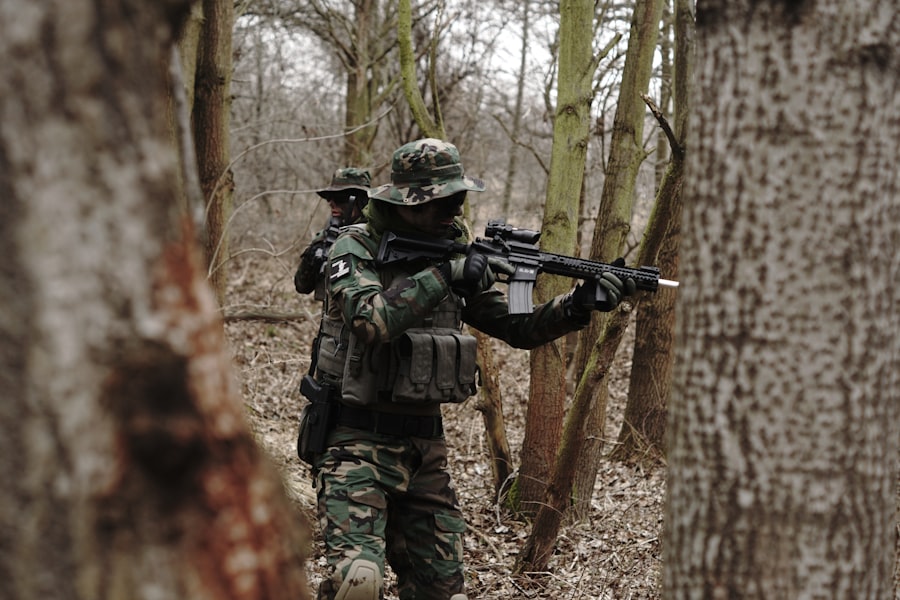
The enduring relevance of Kriegsspiel is a testament to its fundamental design. However, its future lies in its continued evolution and seamless integration with other training methodologies.
The Blurring Lines Between Simulation and Reality
As simulation technology becomes more sophisticated, the lines between Kriegsspiel and actual field exercises may blur. Immersive technologies like virtual and augmented reality are poised to further enhance the realism and engagement of wargames.
Virtual and Augmented Reality Integration
The integration of VR and AR technologies can create highly immersive environments where participants can experience the battlefield in a more visceral way. This can lead to a deeper understanding of spatial awareness, tactical movement, and the psychological impact of combat.
The Role of Big Data and Analytics
The vast amounts of data generated by digital Kriegsspiel simulations can be leveraged for advanced analytics. This data can provide valuable insights into individual and team performance, identify patterns of success and failure, and inform the development of personalized training programs.
Collaborative Wargaming and International Cooperation
The interconnected nature of modern security threats necessitates collaborative approaches to training. Kriegsspiel can serve as a platform for joint exercises with allied nations, fostering interoperability and a shared understanding of strategic challenges.
Joint Exercises with Allied Nations
By engaging in collaborative Kriegsspiel exercises with partner nations, military forces can build trust, develop common operating procedures, and enhance their ability to conduct joint operations in the face of common threats.
Developing a Common Strategic Language
The shared experience of participating in Kriegsspiel can help to develop a common strategic language and understanding between different military branches and allied forces. This shared vocabulary and conceptual framework are crucial for effective communication and coordinated action.
The Enduring Human Element: Beyond the Algorithm
Despite the increasing sophistication of digital simulations, the human element remains paramount. Kriegsspiel, at its core, is about developing human judgment, leadership, and the ability to think critically and creatively.
The Irreplaceable Role of Human Intuition
While algorithms can process vast amounts of data, they cannot replicate the nuanced intuition and experience that seasoned military leaders possess. Kriegsspiel continues to be a vital tool for honing these uniquely human qualities.
The Art of War: A Blend of Science and Artistry
Ultimately, the art of war is a complex blend of scientific principles and human artistry. Kriegsspiel, in its revived form, continues to be the ultimate training ground, where aspiring commanders can hone their understanding of both, preparing them for the challenges of an ever-evolving global landscape. The echoes of Baron von Reisswitz’s vision resonate today, proving that the most effective military training isn’t always the loudest or the most physically demanding, but the one that sharpens the mind and refines the strategic spirit.

The Military Machine That Didn’t Need a Napoleon
FAQs
What is Kriegsspiel military training?
Kriegsspiel military training is a type of wargame used for military training and education. It originated in Prussia in the 19th century and has been used by various military organizations around the world.
How is Kriegsspiel military training conducted?
Kriegsspiel military training involves simulated military scenarios, where participants take on the roles of different military units and commanders. The game is typically played on a map, and participants make decisions based on the information available to them.
What are the benefits of Kriegsspiel military training?
Kriegsspiel military training allows participants to practice strategic thinking, decision-making, and leadership skills in a simulated military environment. It also provides an opportunity to test and refine military tactics and strategies.
Who uses Kriegsspiel military training?
Kriegsspiel military training has been used by various military organizations, including the Prussian and German armies, as well as the United States military. It is also used in military academies and educational institutions.
Is Kriegsspiel military training still relevant today?
Yes, Kriegsspiel military training is still relevant today. It provides a valuable tool for military education and training, allowing participants to learn and practice military tactics and strategies in a controlled and simulated environment.