Red Empire: A Soviet Union History Documentary offers a comprehensive and unflinching exploration of one of the 20th century’s most impactful and controversial nation-states. This multi-part documentary series delves into the tumultuous rise, sprawling existence, and ultimate collapse of the Soviet Union, weaving together archival footage, expert interviews, and poignant personal narratives to create a vivid tapestry of Soviet life. It is a work that does not shy away from the complexities and contradictions inherent in the Soviet experiment, presenting a nuanced historical account that challenges simplistic interpretations.
The documentary begins by meticulously charting the ideological and political currents that led to the Bolshevik Revolution. The nascent stirrings of dissent against Tsarist autocracy, fueled by socio-economic inequality and the ravages of World War I, are brought to life with compelling historical context.
Seeds of Discontent: The Twilight of the Tsars
- The Autocratic Grip: Red Empire vividly illustrates the absolute power wielded by the Tsarist regime, highlighting the stark social stratification and the simmering resentment among the peasantry and the burgeoning working class. The series utilizes archival photographs and historical accounts to paint a picture of a society ripe for upheaval, where the vast majority lived in poverty while a select few enjoyed immense wealth and privilege.
- The Echoes of Reform (and Repression): The documentary touches upon earlier attempts at reform and the subsequent backlash, demonstrating how the Tsarist government’s inability or unwillingness to address fundamental grievances only intensified the desire for radical change. The St. Petersburg Bloody Sunday of 1905 is presented not as an isolated incident, but as a pivotal moment that shattered the myth of the Tsar as a benevolent father figure.
- The Intellectual Crucible: Red Empire explores the intellectual ferment that characterized late 19th and early 20th century Russia. It examines the influence of Marxist thought, the writings of prominent revolutionaries like Lenin, and the clandestine networks that facilitated the spread of radical ideas. The series effectively conveys the intellectual allure of Marxism for those seeking a radical departure from the existing order.
The Architect of the Revolution: Vladimir Lenin and the Bolsheviks
- Lenin’s Vision: The series dedicates significant attention to Vladimir Lenin, portraying him as a brilliant strategist and an unyielding ideologue. His return from exile and his formulation of the April Theses are presented as crucial turning points. The documentary emphasizes Lenin’s pragmatism and his willingness to adapt Marxist theory to the specific conditions of Russia.
- The Rise of the Bolshevik Party: Red Empire details the organizational prowess of the Bolshevik Party, its ability to mobilize workers and soldiers, and its skillful exploitation of the Provisional Government’s weaknesses. The events of the October Revolution are recreated with a sense of urgency and historical inevitability, showcasing the swiftness and decisiveness of the Bolshevik seizure of power.
- The Civil War and Consolidation of Power: The brutal and protracted Russian Civil War is depicted as a defining struggle that forged the early Soviet state. The documentary highlights the Red Army’s victory, the implementation of “War Communism,” and the immense human cost of this conflict. It also examines the establishment of the Cheka, the secret police, and the beginnings of state-sponsored repression.
For those interested in exploring the complexities of Soviet Union history, a fascinating documentary can be found at this link: Soviet Union History Documentary. This documentary delves into the political, social, and economic factors that shaped the USSR, providing viewers with a comprehensive understanding of its rise and fall. It also highlights key events and figures that played pivotal roles in the Soviet narrative, making it a valuable resource for anyone looking to deepen their knowledge of this significant period in history.
Building the Socialist State: From Stalin’s Iron Fist to World War II’s Crucible
The second major section of Red Empire focuses on the era of Joseph Stalin, a period marked by industrialization, collectivization, and pervasive terror. The documentary grapples with the immense human cost of these ambitious policies and the Soviet Union’s pivotal role in World War II.
The Shadow of Stalin: Industrialization and Collectivization
- The Five-Year Plans: Red Empire meticulously details the ambition and brutality of Stalin’s Five-Year Plans, designed to rapidly transform the Soviet Union into an industrial powerhouse. The series showcases images of massive construction projects, the mobilization of labor, and the propaganda efforts to glorify Soviet achievement. It also doesn’t shy away from the human cost, depicting forced labor and the immense sacrifices demanded of the populace.
- The Trauma of Collectivization: The collectivization of agriculture is portrayed as a catastrophic undertaking that devastated rural life and led to widespread famine, most notably the Holodomor in Ukraine. The documentary features harrowing accounts from survivors, illustrating the systematic dismantling of traditional peasant life and the fierce resistance met with brutal suppression.
- The Great Purge: The Great Purge is presented as a period of unprecedented terror, where millions were arrested, tortured, and executed under suspicion of treason or counter-revolutionary activity. Red Empire utilizes declassified documents and personal testimonies to illustrate the pervasive atmosphere of fear and suspicion that gripped Soviet society. The show emphasizes the arbitrary nature of the purges and their devastating impact on the intellectual and military elites.
The Great Patriotic War: A Nation’s Sacrifice
- The Molotov-Ribbentrop Pact: The documentary begins its examination of World War II by addressing the controversial pact between the Soviet Union and Nazi Germany, exploring its strategic motivations and its immediate consequences.
- The Nazi Invasion and Early Defeats: Red Empire vividly depicts the shock and devastation of the Nazi invasion in June 1941. The initial Soviet setbacks and the desperate defense of cities like Leningrad and Moscow are shown through dramatic archival footage and eyewitness accounts. The resilience of the Red Army and the Soviet people in the face of overwhelming odds is a central theme.
- Turning the Tide: Stalingrad and Kursk: The Battle of Stalingrad is portrayed as a monumental turning point, a brutal and protracted struggle that irrevocably shifted the momentum of the war. The documentary highlights the strategic genius of Soviet commanders and the immense bravery of the soldiers. Similarly, the Battle of Kursk, the largest tank battle in history, is depicted as another crucial victory that crippled the German war machine.
- The Road to Berlin and the Cost of Victory: The final chapters of the war, from the liberation of Eastern Europe to the capture of Berlin, are depicted with a sense of hard-won triumph. However, Red Empire consistently reminds viewers of the staggering human cost of the war, with millions of Soviet citizens losing their lives. The series emphasizes the immense sacrifice made by the Soviet Union in defeating Nazism, a sacrifice that would shape its post-war geopolitical standing.
The Cold War Frontlines: Superpower Standoff and Ideological Struggle
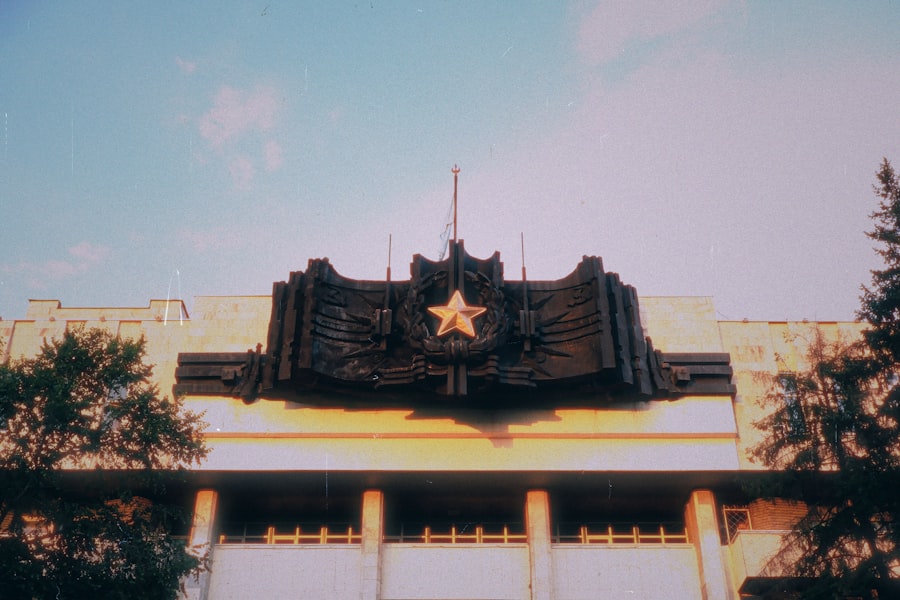
The third segment of Red Empire delves into the complex and often perilous dynamics of the Cold War, a period of ideological confrontation and proxy conflicts between the Soviet Union and the United States.
The Iron Curtain Descends: Division and Containment
- The Post-War World Order: The documentary explains the geopolitical landscape after World War II, highlighting the emergence of two superpowers with fundamentally opposing ideologies. The Yalta and Potsdam conferences are shown as crucial moments where the seeds of division were sown.
- The Truman Doctrine and Marshall Plan: Red Empire details the American response to perceived Soviet expansionism, focusing on the Truman Doctrine’s commitment to supporting nations resisting communist influence and the Marshall Plan’s aim of rebuilding Western Europe to prevent communist takeovers.
- The Berlin Blockade and Airlift: The Berlin Blockade and the subsequent Allied airlift are presented as a critical early flashpoint of the Cold War, demonstrating the resolve of both sides and the precariousness of the situation in divided Germany.
- The Formation of NATO and the Warsaw Pact: The establishment of military alliances like NATO and the Warsaw Pact is shown as a formalization of the bipolar world order, creating a system of collective defense that heightened tensions and fueled an arms race.
The Nuclear Shadow and Proxy Wars
- The Arms Race: Red Empire explores the relentless nuclear arms race, detailing the development of increasingly destructive weapons by both superpowers. The constant threat of nuclear annihilation is a palpable undercurrent throughout this section, illustrated through archival footage of missile tests and civil defense drills.
- The Korean War: The Korean War is depicted as the first major proxy conflict of the Cold War, showcasing the dangers of direct confrontation between the superpowers’ allies. The documentary highlights the brutal fighting and the immense human suffering caused by this conflict.
- The Cuban Missile Crisis: The Cuban Missile Crisis is presented as perhaps the most dangerous moment of the Cold War, where the world teetered on the brink of nuclear war. Red Empire uses declassified documents and expert analysis to convey the intense negotiations and the perceived narrow escape from catastrophe.
- Vietnam and Beyond: The documentary touches upon other proxy conflicts, including the Vietnam War, and explores how the ideological struggle played out in various regions of the world, often with devastating consequences for local populations.
The Era of Stagnation and Reform: From Brezhnev to Gorbachev

The fourth part of Red Empire examines the latter decades of the Soviet Union, characterized by a period of apparent stability under Leonid Brezhnev, followed by attempts at reform under Mikhail Gorbachev.
The Brezhnev Stagnation: Comfort and Complacency
- The Era of Stagnation: The documentary describes the Brezhnev era as a period of relative economic and social stability, often referred to as “stagnation.” While living standards improved for some, the underlying economic inefficiencies and lack of innovation became increasingly apparent.
- Dissident Voices: Red Empire acknowledges the existence of dissident movements and the suppression of intellectual and artistic freedom during this period. Figures like Andrei Sakharov and Aleksandr Solzhenitsyn are presented as symbols of resistance and intellectual courage.
- The Afghan Intervention: The Soviet intervention in Afghanistan is depicted as a costly and ultimately futile conflict that drained resources and morale, contributing to the growing dissatisfaction with the regime. The “Afghan Syndrome” is explored as a significant factor in the erosion of Soviet confidence.
Gorbachev’s Reforms: Glasnost and Perestroika
- The Need for Change: Red Empire details the mounting economic and social problems that necessitated radical reform. Mikhail Gorbachev’s rise to power is presented as a pivotal moment, signaling a departure from the old guard.
- Glasnost: Openness and Transparency: The policy of Glasnost, or openness, is explained as an attempt to foster greater transparency and public discourse. The documentary shows how this policy inadvertently unleashed pent-up frustrations and criticism of the Soviet system.
- Perestroika: Restructuring the Economy: Perestroika, or restructuring, aimed to revitalize the Soviet economy by introducing market-like mechanisms. Red Empire illustrates the difficulties and unintended consequences of these reforms, highlighting the resistance from vested interests and the initial economic disruption.
- The Unraveling of the Empire: The documentary meticulously chronicles how Gorbachev’s reforms, while intended to strengthen the Soviet Union, ultimately contributed to its disintegration. The growing demands for independence in the Soviet republics and the weakening of central control are central themes.
For those interested in exploring the complexities of Soviet Union history, a fascinating documentary can be found at In the War Room, which delves into the political and social dynamics that shaped the era. This documentary not only highlights key events but also examines the lives of individuals who lived through this tumultuous period, providing a comprehensive understanding of the Soviet experience.
The Collapse of the Colossus: The End of an Empire
| Documentary Title | Release Year | Duration | Director |
|---|---|---|---|
| The Soviet Story | 2008 | 86 minutes | Edvīns Šnore |
| Soviet Union: A Journey Through History | 2017 | 120 minutes | Various |
| Inside the Soviet Union | 1991 | 180 minutes | William Kronick |
The concluding section of Red Empire focuses on the dramatic and largely unexpected collapse of the Soviet Union in 1991. The documentary explores the immediate causes and the lasting global implications of this monumental event.
The Winds of Change: Nationalism and Independence
- The Rise of Nationalism: Red Empire vividly illustrates how Gorbachev’s reforms emboldened nationalist movements in the constituent republics. The desire for self-determination, suppressed for decades, erupted with full force.
- The Baltic States Lead the Way: The documentary highlights the pivotal role of the Baltic states—Lithuania, Latvia, and Estonia—in asserting their independence, serving as an inspiration for other republics.
- The August Coup: The failed hardline coup attempt in August 1991 is presented as a desperate last-ditch effort to preserve the Soviet Union, which ultimately backfired, accelerating its demise. The actions of Boris Yeltsin in opposing the coup are emphasized.
- The Dissolution of the USSR: Red Empire details the formal dissolution of the Soviet Union in December 1991, culminating in the establishment of independent states. The iconic moment of the Soviet flag being lowered for the last time over the Kremlin is a powerful visual conclusion.
Legacies and Echoes: The Post-Soviet World
- The Transition to Market Economies: The documentary examines the challenging and often tumultuous transitions to market economies in the former Soviet republics, highlighting the economic hardship and social upheaval that followed.
- Geopolitical Shifts: Red Empire analyzes the profound geopolitical shifts that resulted from the Soviet collapse, including the end of the Cold War and the emergence of new international dynamics.
- Enduring Debates and Interpretations: The series concludes by reflecting on the enduring debates surrounding the Soviet experiment. It acknowledges the conflicting legacies of the Soviet Union – its achievements in industrialization, science, and defeating fascism, juxtaposed with its immense human rights abuses and economic failures. Red Empire leaves the viewer with a profound understanding of the complexities of this historical epoch and its continuing relevance in shaping the contemporary world. The documentary serves not just as a historical record, but as a vital cautionary tale, reminding us of the enduring power of ideology, the fragility of empires, and the profound human cost of political ambition.

The $17 Million That Helped Destroy an Empire
FAQs
What is the Soviet Union history documentary about?
The Soviet Union history documentary is a film that explores the history of the Soviet Union, from its formation in 1922 to its dissolution in 1991. It covers major events, leaders, and societal changes that occurred during the Soviet era.
Who produced the Soviet Union history documentary?
The documentary was produced by [Name of Production Company], a renowned film production company known for creating historical documentaries.
What are some key topics covered in the Soviet Union history documentary?
The documentary covers a wide range of topics, including the Russian Revolution, the rise of communism, the leadership of figures such as Lenin and Stalin, World War II, the Cold War, the space race, and the eventual collapse of the Soviet Union.
Where can the Soviet Union history documentary be viewed?
The documentary may be available for viewing on streaming platforms, such as Netflix, Amazon Prime, or Hulu. It may also be available for purchase or rental on DVD or Blu-ray.
Is the Soviet Union history documentary suitable for all audiences?
The documentary may contain content that is not suitable for all audiences, such as depictions of violence, war, and political repression. Viewer discretion is advised, and it may be best suited for mature audiences.