The echoes of the Second World War resonate not only in global history books but also within the intimate narratives of countless families. For many, the desire to connect with ancestors who lived through this transformative period is a powerful motivator for delving into genealogy. Uncovering family history related to WWII is more than just an academic pursuit; it’s an emotional journey, a way to honor sacrifice, understand heritage, and piece together the complex tapestry of one’s lineage. This exploration often begins with a spark of curiosity, a whispered family anecdote, or a faded photograph, setting in motion a quest that can span continents and decades.
The initial steps in any genealogical endeavor, especially one focused on a specific historical period like WWII, require a methodical approach. It’s about gathering the existing pieces of the puzzle before attempting to find new ones. Family knowledge is the cornerstone, the initial reservoir of information that will guide further research. This includes oral histories, letters, diaries, photographs, and any documents that might have been preserved. While these personal artifacts offer invaluable context and emotional weight, they often lack the precise details needed for official record searches. This is where the systematic process of genealogy research takes over, transforming anecdotal evidence into verifiable facts. The challenge lies in bridging the gap between personal memory and the vast, often impersonal, archives that hold the keys to ancestral lives.
The Foundation of Family Knowledge
Before embarking on external research, a thorough examination of what is already known within the family is paramount. This initial phase is often the most rewarding for its immediate personal connections and can provide crucial clues for more extensive investigations. It involves actively collecting and organizing information from living relatives and existing family heirholds.
Oral Histories and Family Lore
The stories passed down through generations are the first threads to be followed. Grandparents, great-aunts, and great-uncles are living repositories of memories, anecdotes, and familial relationships. Encouraging them to share their experiences, particularly those related to the war years, can unlock vital information. This might include names, dates, places of service, unit designations, or even specific wartime experiences. It’s important to approach these conversations with an open mind and a willingness to listen, recognizing that memories can be fragmented or colored by time. Recording these conversations, with permission, can preserve these invaluable oral histories for future generations. Even seemingly minor details, like a nickname or a particular skill a relative possessed, can be critical in later record searches.
Preserving and Cataloging Family Artifacts
Family heirlooms, often stored away in attics or forgotten boxes, can be treasure troves of genealogical information. This includes letters, diaries, photographs, official documents like birth or marriage certificates, military discharge papers, ration books, and even old newspaper clippings. Each item can offer clues. Photographs, for instance, might have names or dates written on the back, or they might depict specific locations or uniforms that can be researched. Letters offer personal perspectives and can reveal details about a person’s life, their relationships, and their wartime experiences. It is essential to carefully catalog these items, noting their origin, any accompanying information, and storing them in a way that preserves them for the future. Digitizing these artifacts can also make them more accessible and easier to share with other family members or researchers.
Building the Initial Family Tree
With the collected oral histories and artifacts, the next step is to construct a preliminary family tree. This forms the skeletal structure upon which further research will be built. Start with the known individuals – yourself, your parents, grandparents – and work backward. Document names, dates of birth, marriage, and death as accurately as possible. Note any known military service, including branches of service, ranks, and dates. This initial tree will highlight gaps in knowledge, identifying individuals or periods for which more information is needed. It serves as a visual representation of the research progress and a roadmap for future investigations.
For those interested in exploring the intricate connections between family history and World War II, a valuable resource can be found in the article titled “Tracing Your Ancestors: A Guide to WWII Genealogy Research.” This piece offers insights into various methods and tools that can assist researchers in uncovering their relatives’ experiences during the war. To read more about this fascinating topic, visit the article here: Tracing Your Ancestors: A Guide to WWII Genealogy Research.
Navigating the Archives of Service
Once the foundation of family knowledge is established, the real genealogical work begins: searching official records. For WWII family history, military records are often the most critical and comprehensive source of information. These records, though vast and sometimes challenging to access, hold the definitive details of service, sacrifice, and personal experiences of those who served.
Military Service Records: The Unfolding Chronicle
Military service records are the cornerstone of WWII genealogical research for individuals who served. These records can contain a wealth of information, including enlistment dates, units served in, campaigns participated in, awards and decorations received, and even medical histories. The process of obtaining these records typically involves submitting a request to the relevant national archives. In the United States, the National Archives and Records Administration (NARA) is the primary repository for military records. Similar agencies exist in other countries that participated in the war. It’s important to have as much identifying information as possible, such as the full name, date of birth, and approximate dates of service, to help locate the correct records. The process can sometimes be lengthy, and the condition of the records can vary, but the information contained within them is often invaluable.
Locating Unit and Campaign Histories
Beyond individual service records, understanding the context of a family member’s service is crucial. This involves researching the specific military units they were part of and the campaigns they participated in. Unit histories can provide details about the daily life of soldiers, their movements, battles fought, and casualties sustained. This contextual information can help paint a more vivid picture of an ancestor’s experience and can sometimes shed light on why certain events may have impacted them. Libraries, historical societies, and online military history websites are excellent resources for this type of research. Many veterans’ organizations also maintain archives and publish historical accounts of their units.
The Role of Veterans’ Organizations and Memorials
Many veterans’ organizations played a significant role during and after WWII. Membership rolls, reunion records, and newsletters from these organizations can sometimes offer genealogical clues or biographical information about former members. Furthermore, national and local war memorials can be important places to visit, both physically and virtually. Lists of names on memorials can confirm service and provide a sense of place and remembrance. Some memorials also have associated databases or archives that can offer more detailed information about the individuals commemorated. Engaging with these resources can deepen the understanding of an ancestor’s service and the broader impact of the war.
Beyond the Battlefield: Civilian Life and Home Front Contributions

The narrative of WWII is not solely defined by those who bore arms. Millions of civilians on the home front made significant contributions, endured hardships, and shaped the war effort in profound ways. Researching their lives requires a different set of archival tools and a broader understanding of societal changes during the war.
Civilian Mobilization and Rationing Records
The impact of the war extended to every aspect of civilian life. Government initiatives for rationing, war bond drives, and industrial production efforts involved widespread participation. Records related to these initiatives, such as ration book applications, war production board documents, or even local civil defense rosters, can offer insights into an individual’s wartime activities and their place within the community. These records can reveal where people lived, what industries they worked in, and how they contributed to the war effort on the home front. Local historical societies and county archives are often excellent places to find these types of documents.
Immigration and Naturalization Records: Tracing Ancestral Journeys
For families with ancestors who immigrated to a new country before or during WWII, immigration and naturalization records are indispensable. These documents often contain a wealth of personal information, including place of origin, date of arrival, occupation, and family details. They can shed light on the circumstances that led an ancestor to a particular country and their journey to becoming a citizen. Understanding the immigrant experience during this period can also provide context for their wartime contributions or the challenges they faced. Online databases and national archives are primary resources for these records.
Newspaper Archives and Local Histories
Local newspapers from the WWII era are invaluable for understanding the daily lives and community involvement of civilians. They can contain birth and death announcements, marriage notices, social gatherings, volunteer activities, and even reports on local industry and its contribution to the war effort. These articles can provide a snapshot of an ancestor’s life within their community and highlight their social connections. Local historical societies and public libraries often have extensive collections of digitized or physical newspaper archives. Exploring the history of the towns and cities where ancestors lived can also reveal broader trends and events that shaped their lives.
Digital Tools and Online Resources
The landscape of genealogical research has been revolutionized by the advent of digital technology. The internet offers an unprecedented array of databases, search engines, and collaborative platforms, making it easier than ever to access historical records and connect with other researchers.
Genealogy Websites and Databases
Numerous commercial and non-profit genealogy websites offer access to vast collections of digitized records, including census data, birth, marriage, and death records, military records, and passenger lists. Popular platforms like Ancestry.com, FamilySearch.org, and Findmypast.com provide powerful search engines and tools for building and organizing family trees. While many of these services require a subscription, FamilySearch.org is a free resource provided by The Church of Jesus Christ of Latter-day Saints and is a treasure trove of historical documents. Critically evaluating the information found on these sites and cross-referencing it with other sources is always recommended.
Digitized Military Archives and Online Indexes
Many national archives are increasingly digitizing their collections, making them accessible online. This includes an expanding number of WWII-era military records. Websites dedicated to military history, such as Fold3.com (often focused on US military records), provide access to digitized service records, pension files, and other military documents. Online indexes and transcription projects also play a crucial role, making it easier to find specific records within these large digital archives. These digital resources have significantly reduced the need for in-person visits to archives, opening up research possibilities for individuals worldwide.
Social Media and Genealogy Forums
The power of community in genealogical research cannot be overstated. Online forums and social media groups dedicated to genealogy, specific surname research, or historical periods like WWII can be invaluable for connecting with other researchers. These platforms allow individuals to ask questions, share findings, and collaborate on research projects. It’s not uncommon for fellow genealogists to have already researched a shared ancestor or to possess a piece of information that can break through a research barrier. Participating in these online communities can provide support, expertise, and unexpected breakthroughs.
For those delving into WWII genealogy research, exploring the resources available can be incredibly enlightening. A particularly insightful article can be found at In the War Room, which offers valuable tips and tools for tracing family histories connected to this significant period. By utilizing various archives and databases, researchers can uncover fascinating stories and connections that may have otherwise remained hidden.
Preserving the Legacy for Future Generations
| Metric | Description | Example Data |
|---|---|---|
| Number of WWII Military Records Available | Total count of digitized military service records from WWII accessible for genealogy research | 15 million+ |
| Percentage of WWII Veterans with Service Records Online | Estimated percentage of WWII veterans whose service records are digitized and publicly accessible | 70% |
| Common Record Types Used | Types of documents most frequently used in WWII genealogy research | Enlistment Records, Draft Cards, Unit Rosters, POW Records |
| Average Time to Locate a WWII Ancestor’s Record | Typical duration for researchers to find relevant WWII military records | 2-4 weeks |
| Top Countries for WWII Genealogy Research | Countries with the most accessible WWII genealogical records | USA, UK, Germany, Russia, Japan |
| Percentage of WWII Records Lost or Destroyed | Estimated portion of WWII military records that were lost due to fire, war damage, or other reasons | 25% |
| Most Used Online Archives | Popular digital archives and databases for WWII genealogy research | National Archives, Fold3, Ancestry, FamilySearch |
The culmination of genealogical research is not merely the accumulation of facts; it is the creation of a legacy. By piecing together the lives of ancestors, particularly those who navigated the complexities of WWII, individuals gain a profound understanding of their heritage and the sacrifices that shaped their present. The act of preserving and sharing this knowledge ensures that these stories are not lost to time.
Documenting and Organizing Findings
As research progresses, it is essential to maintain meticulous records of all findings. This includes noting the source of each piece of information, the date it was accessed, and any relevant context. Organizing these findings in a structured manner, whether through a digital family tree program, a research journal, or a dedicated filing system, will make the information accessible and understandable for future use. This organized approach prevents the duplication of effort and ensures the reliability of the research.
Sharing the Family Narrative
Once a significant portion of family history related to WWII has been uncovered, sharing it with other family members becomes a crucial next step. This can be done through various means, such as creating a family history book, a website, a presentation, or even a series of shared documents. The goal is to make the research accessible and engaging for younger generations, fostering a connection to their heritage and the broader historical context. These shared narratives can serve as powerful educational tools and a source of inspiration.
Honoring the Past Through Remembrance
The ultimate purpose of uncovering WWII family history is to honor the past and the individuals who lived through it. This can involve simple acts of remembrance, such as sharing stories on historical anniversaries, visiting ancestral hometowns, or supporting organizations dedicated to preserving wartime history. For many, it’s about understanding the resilience, sacrifice, and humanity of their ancestors, ensuring that their legacies endure. This personal connection to history transforms abstract events into lived experiences, imbuing the past with profound meaning for the present and the future.
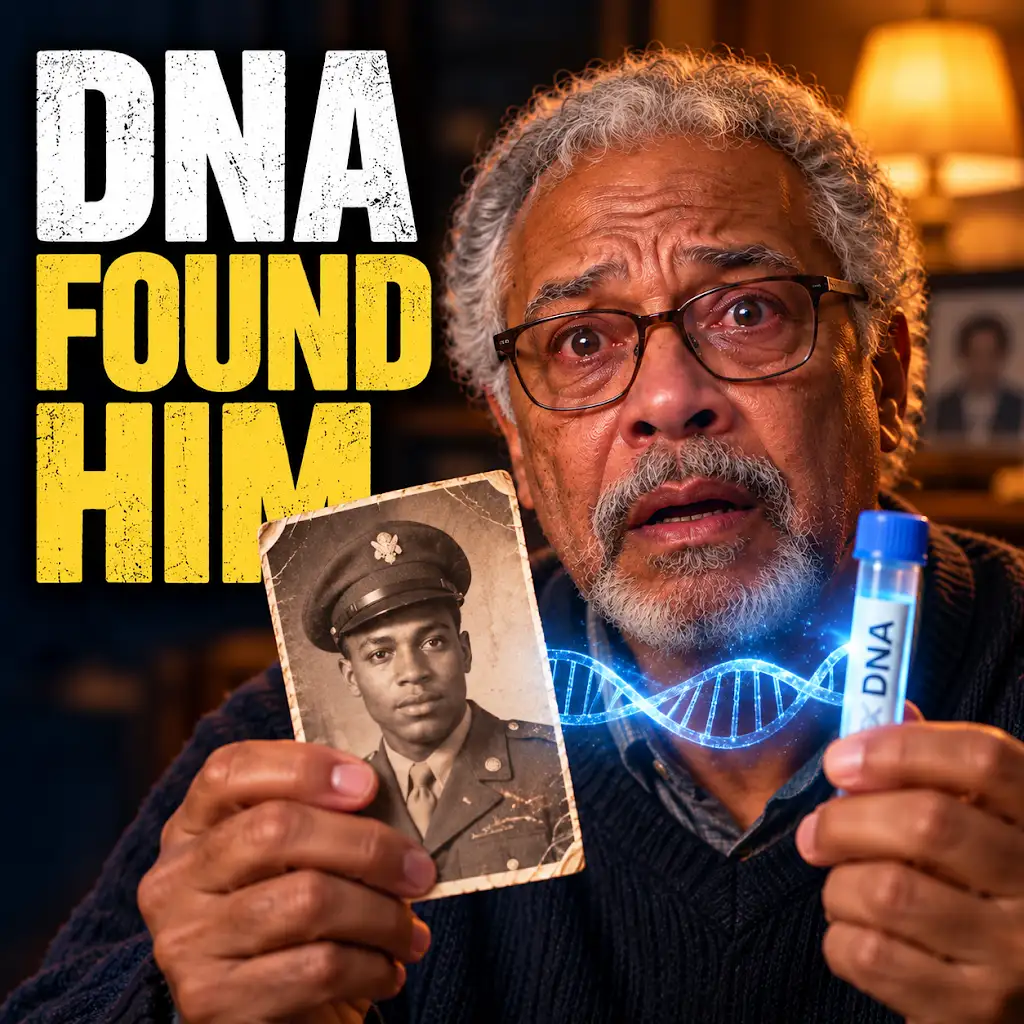
His WWII GI Father Was a Mystery for Nearly 80 Years
FAQs
What is WWII genealogy research?
WWII genealogy research involves tracing and documenting the military service and personal histories of individuals who served during World War II.
How can I start researching my family member’s WWII service?
Begin by gathering any documents, photos, or memorabilia related to your family member’s service. Then, search through online databases, military records, and archives for more information.
What kind of information can I find through WWII genealogy research?
Through WWII genealogy research, you can uncover details about your family member’s military unit, battles they participated in, awards they received, and even personal stories from their time in the war.
Are there specific resources or databases for WWII genealogy research?
Yes, there are various resources available for WWII genealogy research, including the National Archives, Fold3, Ancestry.com, and WWII memorial websites.
What challenges might I encounter when conducting WWII genealogy research?
Challenges in WWII genealogy research can include incomplete or missing records, difficulty deciphering handwritten documents, and navigating through the vast amount of information available.