The relentless pursuit of military excellence has always been a hallmark of Prussian ambition. From the disciplined ranks of its infantry to the strategic genius of its generals, the Prussian military machine was a formidable force throughout history. Central to this success, and perhaps the most crucial element in cultivating its elite leadership, was the rigorous and multifaceted system of officer selection exams. These were not mere academic hurdles but comprehensive assessments designed to unearth individuals possessing the intellectual acuity, moral fiber, and practical aptitude necessary to command effectively in the crucible of war. Understanding these exams is to understand the very foundation of Prussia’s military might and its enduring legacy in military thought.
The evolution of officer selection in Prussia was a gradual process, moving away from a system heavily reliant on aristocratic birth towards one that increasingly valued demonstrable merit. Initially, military commissions were largely the preserve of the nobility, a privilege often inherited rather than earned. However, as the demands of warfare grew more complex and the need for skilled leadership became paramount, a shift began to occur.
The Influence of Frederick the Great
Frederick the Great, a military genius in his own right, recognized the limitations of a purely aristocratic officer corps. While he himself was an aristocrat, his experiences on the battlefield impressed upon him the vital importance of competence. He fostered an environment where talent, regardless of social standing, could be recognized and nurtured, laying the groundwork for more formalized selection processes.
Emphasis on Practical Skills
Frederick’s reforms began to incorporate assessments that went beyond inherited status. Practical military knowledge, such as tactical maneuvers, fortification design, and logistical planning, started to be evaluated. This marked a significant departure from solely relying on lineage and began to introduce a degree of meritocracy into the system.
The Need for Standardization and Professionalism
As the Prussian army grew in size and sophistication, the need for a standardized and professional approach to officer recruitment became increasingly evident. The ad hoc methods of the past were insufficient to guarantee a consistent quality of leadership across the vast military establishment. This led to the development of more structured examination procedures.
The Role of Military Academies
The establishment and expansion of military academies played a pivotal role in this transition. These institutions provided formal training and education, creating a pipeline of potential officers whose abilities could be assessed through a structured curriculum and examinations. The curriculum itself became a form of preliminary vetting.
The Prussian officer selection exams were a pivotal aspect of military training and leadership development in the 19th century, emphasizing not only academic prowess but also physical and moral qualities. For a deeper understanding of the historical context and implications of these exams, you can explore a related article that delves into the evolution of military education and its impact on modern armed forces. To read more, visit this article.
The Core Components of the Prussian Officer Exam
The Prussian officer selection exams were not monolithic; they were a series of demanding evaluations designed to probe various facets of a candidate’s suitability. These exams evolved over time, becoming progressively more rigorous and comprehensive, particularly in the lead-up to major conflicts like the Franco-Prussian War. They were designed to identify not just book smarts, but true leadership potential.
Written Examinations: The Foundation of Knowledge
The initial stages of the selection process typically involved extensive written examinations. These tests covered a broad spectrum of knowledge essential for a military officer, reflecting the intellectual demands of the era and the Prussian emphasis on education.
History and Strategy
A deep understanding of military history was considered crucial. Candidates were expected to analyze past campaigns, learn from the successes and failures of previous commanders, and apply historical lessons to contemporary strategic challenges. This fostered a mindset of continuous learning and adaptation.
Case Studies and Critical Analysis
Beyond rote memorization, candidates were often presented with hypothetical battlefield scenarios and asked to develop strategies, analyze troop movements, and predict outcomes. This tested their ability to think critically under pressure and to apply theoretical knowledge to practical problems.
Mathematics and Sciences
The application of mathematics and the sciences to military endeavors was also a key component. Subjects like ballistics, surveying, engineering principles, and logistics demanded a strong quantitative aptitude. This reflected the increasing technicality of warfare.
Fortification and Siege Warfare
Understanding the principles of fortification, siege operations, and defensive strategies required a solid grasp of geometry, mechanics, and architectural concepts. Candidates were assessed on their ability to design and analyze defenses.
German Language and Literature
While perhaps less overtly military, proficiency in the German language and an appreciation for literature were also often tested. This was indicative of the broader cultural and intellectual expectations placed upon Prussian officers, who were expected to be educated gentlemen.
Eloquence and Persuasion
The ability to articulate ideas clearly and persuasively, both in writing and verbally, was deemed important for leadership. This contributed to the perception of the officer as an educated and articulate individual, capable of inspiring his troops.
Oral Examinations: The Crucible of Personality and Judgment
Following successful written assessments, candidates faced rigorous oral examinations. These were designed to assess intangible qualities that could not be easily gauged through written tests, such as temperament, judgment, and leadership presence.
Tactical and Strategic Discussions
Oral examinations often involved discussions of hypothetical tactical and strategic situations with experienced officers. This allowed examiners to observe how candidates reacted under questioning, their ability to defend their reasoning, and their capacity for innovative thinking.
Problem-Solving Under Pressure
The examiners would often probe, challenge, and introduce new variables into the scenarios, simulating the unpredictable nature of combat. A candidate’s ability to maintain composure, adapt their thinking, and offer sound solutions under duress was meticulously observed.
Character and Moral Assessment
Beyond intellectual prowess, the selection process also sought to evaluate a candidate’s character and moral compass. This was a subtle but vital aspect, aiming to ensure that future leaders possessed integrity, a sense of duty, and the courage to make difficult decisions.
Questions on Ethics and Responsibility
Examiners might pose questions that touched upon ethical dilemmas, the responsibility of command, and the consequences of leadership decisions. The candidate’s responses provided insight into their moral framework and their understanding of the weight of command.
General Knowledge and Culture
Examiners also assessed a candidate’s broader understanding of the world, their awareness of current events, and their general cultural knowledge. This contributed to the image of the Prussian officer as a well-rounded and educated individual.
The Art of Conversation and Demeanor
The overall demeanor, confidence, and ability to engage in intelligent conversation were also taken into account. This reflected the social expectations of the officer class and their role in representing the Prussian state.
Practical Assessments: The Test of Action
While written and oral examinations formed the intellectual backbone of the selection process, practical assessments were crucial for evaluating a candidate’s hands-on abilities and their comfort in a military environment.
Military Skills and Proficiency
Candidates were often required to demonstrate proficiency in basic military skills, such as marksmanship, drill, horsemanship, and the handling of military equipment. This ensured a fundamental level of competence.
Tactical Exercises and Maneuvers
More advanced practical assessments could involve participation in small-scale tactical exercises. These simulated battlefield conditions and allowed examiners to observe a candidate’s ability to lead a small unit, issue orders, and execute maneuvers.
Leadership Simulations
In some instances, candidates might be placed in leadership roles during practical exercises, tasked with commanding a small group of soldiers. This provided a direct observation of their leadership style, their ability to motivate others, and their decision-making in a dynamic setting.
Assessment of Initiative and Adaptability
These practical tests were not just about following instructions but about demonstrating initiative, adaptability, and the ability to think on one’s feet when faced with unexpected challenges.
The Psychological and Physical Dimensions of Selection

The Prussian approach understood that effective military leadership required more than just a sharp mind and technical skills; it demanded resilience, physical fortitude, and a certain psychological disposition.
Physical Fitness and Endurance
While not always as formalized as later fitness tests, a certain level of physical fitness was an implicit requirement. Officers were expected to endure long marches, strenuous field exercises, and the rigors of active service.
The Demands of Campaign Life
The examination process, even in its written and oral forms, implicitly tested a candidate’s ability to withstand the pressures and demands of military life. The intensity of the exams themselves served as a form of psychological conditioning.
Temperament and Stress Management
The ability to remain calm and rational under extreme pressure was paramount. The oral examinations, with their probing questions and challenging scenarios, served as a rudimentary form of stress testing.
The “Iron Will” of the Prussian Officer
The Prussian ideal emphasized an “iron will” – the capacity to persevere in the face of adversity and to maintain discipline even when circumstances were dire. The selection process aimed to identify individuals with this inherent quality.
Social Aptitude and Teamwork
While the focus was on individual leadership, an officer’s ability to integrate into a social hierarchy, foster camaraderie, and work effectively with peers was also indirectly assessed.
The Officer’s Mess and Social Cohesion
The Prussian officer corps was characterized by a strong sense of esprit de corps. The selection process sought individuals who could contribute to this social cohesion and uphold the honor of their regiment.
The Impact and Legacy of Prussian Officer Selection

The rigorous and comprehensive nature of the Prussian officer selection exams had a profound and lasting impact on the effectiveness and reputation of the Prussian military. It was a key factor in their consistent success and set a precedent for other military organizations.
Cultivating Elite Leadership
The exams were instrumental in identifying and cultivating a corps of highly competent and dedicated officers. This ensured that the Prussian army was not just a collection of soldiers but a cohesive and strategically astute fighting force.
Strategic Prowess and Tactical Innovation
The emphasis on history, strategy, and critical thinking fostered a generation of leaders capable of innovative tactics and sound strategic planning, which were evident in numerous Prussian victories.
The Foundation of Prussian Military Dominance
The effectiveness of their leadership was a direct contributor to Prussia’s rise as a major European power. Victories in wars like the Seven Years’ War and the Franco-Prussian War were testament to the quality of their military leadership.
The Franco-Prussian War as a Case Study
The swift and decisive victory over France in 1870-71 is often cited as a prime example of Prussian military superiority, with their well-trained and strategically adept officer corps playing a pivotal role.
Influence on Modern Military Recruitment
The Prussian model of officer selection has had a lasting influence on military recruitment and training practices worldwide. The emphasis on intellectual rigor, practical skills, and character assessment continues to be a cornerstone of modern military academies.
The Evolution of Officer Candidate Schools
Many modern officer candidate schools and military academies draw inspiration from the Prussian system, incorporating written, oral, and practical assessments to identify and develop future leaders.
A Model of Meritocratic Advancement
While the Prussian system still retained elements of social hierarchy, its commitment to merit-based selection was a significant step towards a more professional and effective military. It demonstrated that leadership could be cultivated through rigorous examination and training.
The Ideal of the “Citizen-Soldier”
The system sought to bridge the gap between the aristocratic tradition and the emerging ideal of the educated, capable “citizen-soldier,” ensuring that military leadership was accessible to those who demonstrated the requisite talent and dedication.
The Prussian officer selection exams were a pivotal aspect of military training and discipline in the 19th century, shaping the future of many leaders in the German army. For those interested in exploring the historical context and implications of these rigorous assessments, a related article can provide valuable insights. You can read more about the evolution of military education and its impact on leadership in this informative piece on military history.
Conclusion: The Enduring Relevance of the Prussian Model
| Exam Component | Metrics |
|---|---|
| Physical Fitness | Distance running, long jump, swimming |
| Academic Knowledge | Mathematics, history, geography |
| Leadership Skills | Problem-solving, decision-making, communication |
| Character Assessment | Integrity, discipline, resilience |
The Prussian officer selection exams were far more than a bureaucratic hurdle; they were a carefully crafted system designed to forge the backbone of a formidable military. By demanding intellectual depth, practical acumen, moral fortitude, and the ability to perform under pressure, these examinations ensured that only the most capable individuals rose to command. The legacy of this rigorous process is undeniable, contributing significantly to Prussia’s military dominance and leaving an indelible mark on the evolution of military leadership selection worldwide. The principles of comprehensive assessment, emphasizing both knowledge and character, remain as relevant today as they were in the heyday of the Prussian military machine.
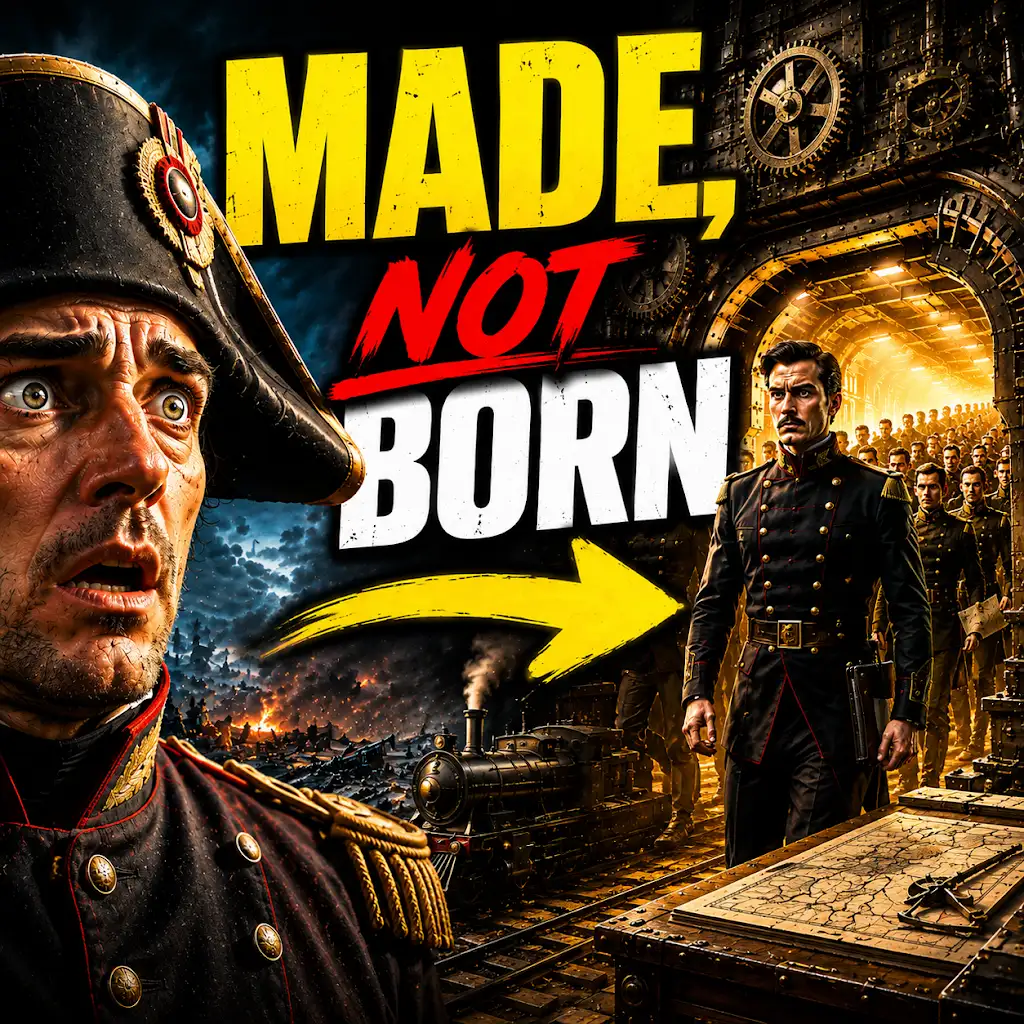
The Military Machine That Didn’t Need a Napoleon
FAQs
What are Prussian officer selection exams?
Prussian officer selection exams were a series of rigorous tests and evaluations used by the Prussian military to select and train officers for the army.
What did the Prussian officer selection exams consist of?
The exams consisted of written tests on military theory, physical fitness assessments, and evaluations of leadership potential and character.
When were the Prussian officer selection exams used?
The Prussian officer selection exams were used during the 19th and early 20th centuries, particularly during the time of the German Empire.
What was the purpose of the Prussian officer selection exams?
The exams were designed to ensure that only the most qualified and capable individuals were chosen to lead and command troops in the Prussian military.
How did the Prussian officer selection exams impact military leadership?
The exams helped to establish a highly professional and disciplined officer corps, which in turn contributed to the effectiveness and success of the Prussian military in various conflicts and wars.