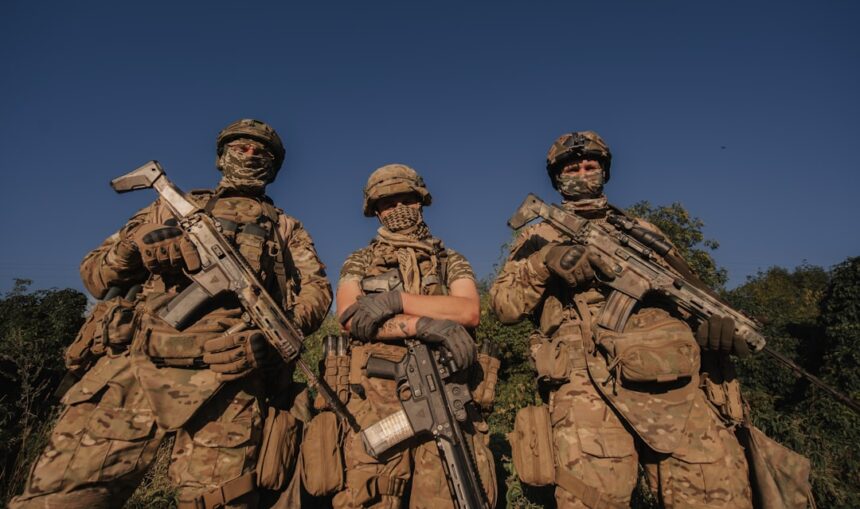
Private military companies (PMCs) have become an increasingly conspicuous element of the security landscape in Sub-Saharan Africa. Once a fringe phenomenon, their presence has solidified, their roles diversified, and their impact on regional stability and governance has become a subject of considerable debate and concern. What began in the wake of the Cold War, as a response to the perceived limitations of national militaries and international peacekeeping efforts, has evolved into a complex ecosystem with actors ranging from well-established international corporations to smaller, more localized groups. This growth is driven by a confluence of factors, including regional conflict, the demand for specialized security services, resource extraction, and the often-limited capacities of African states.
The traditional concept of state-sponsored military and policing functions is increasingly being supplemented, and in some cases supplanted, by private actors. This shift is not exclusive to Sub-Saharan Africa, but the region presents a unique set of challenges and opportunities that have facilitated the expansion of the PMC sector.
Historical Context and Early Engagements
Early deployments of PMCs in Sub-Saharan Africa were often linked to the resource-rich but politically unstable environments of the late 20th century. These engagements typically focused on protecting oil fields, mining operations, and other valuable infrastructure in areas where state security forces were stretched thin or compromised.
Sierra Leone and the Executive Outcomes Era
The intervention of Executive Outcomes in Sierra Leone during the late 1990s stands as a seminal example. Facing a brutal civil war and a collapsed state military, the Sierra Leonean government contracted Executive Outcomes to conduct military operations, train its forces, and restore order. This intervention, while ultimately successful in pushing back the Revolutionary United Front (RUF), also highlighted the ethical and political complexities of outsourcing core state functions.
Angola’s Diamond Diplomacy
Similarly, in Angola, PMCs played a significant role in protecting oil and diamond interests during the protracted civil war. Their involvement often blurred lines between private security provision and direct participation in hostilities, raising questions about accountability and the nature of warfare.
The Modern Landscape of Private Military Services
Today, the PMC industry in Sub-Saharan Africa encompasses a broader spectrum of services than simply combat roles. The demand has evolved to include not only direct security but also advisory, training, logistical, and even intelligence-gathering functions.
Beyond Combat: Training and Advisory Roles
Many PMCs now primarily operate in training and advisory capacities. They are contracted by governments to professionalize their militaries and police forces, equipping them with modern tactics, techniques, and procedures. This can be a valuable contribution to capacity building, but it also raises concerns about the proliferation of Western military doctrines and the potential for increased militarization without corresponding improvements in civilian oversight.
Logistics and Support Functions
The complex logistical challenges of operating in vast and often infrastructure-poor regions make PMCs valuable partners for both state and non-state actors. They provide services ranging from transportation and supply chain management to base operations and maintenance, freeing up state resources and personnel.
Intelligence and Surveillance
In an era of asymmetric warfare and evolving security threats, intelligence gathering and surveillance have become crucial. Some PMCs offer sophisticated technical capabilities, including drone operations and advanced communication monitoring, which can be attractive to states seeking to improve their situational awareness and threat assessment.
The increasing presence of private military companies (PMCs) in Sub-Saharan Africa has raised significant concerns regarding security, sovereignty, and human rights. A related article that delves into this complex issue is available at In the War Room, where it explores the implications of privatized military operations in the region, examining both the motivations behind their deployment and the potential consequences for local populations and governance.
Drivers of PMC Growth in Sub-Saharan Africa
The expansion of private military actors in Sub-Saharan Africa is a multifaceted phenomenon, driven by a combination of internal and external factors. Understanding these drivers is crucial to grasping the implications of their growing presence.
State Fragility and Capacity Deficits
A significant underlying driver is the prevalence of state fragility and the often-limited capacity of national security forces across many African nations. In regions plagued by protracted conflicts, weak governance, and economic underdevelopment, states struggle to adequately provide security for their citizens and protect their national interests.
Endemic Corruption and Resource Mismanagement
Corruption and the mismanagement of resources can further erode the effectiveness of state security institutions. Funds allocated for defense and security may be diverted, leading to under-equipped and poorly trained forces that are unable to fulfill their mandates. This creates a vacuum that PMCs can fill.
Limited Access to Advanced Military Technology and Training
Many African militaries lack access to the latest military hardware and advanced training programs. This technological and qualitative gap can make them less effective in confronting modern threats, creating an incentive to seek external expertise and capabilities offered by PMCs.
The Resource Curse and Extractive Industries
The abundant natural resources in many Sub-Saharan African countries, while a potential source of wealth, have also been a significant driver of conflict and insecurity. Protecting these valuable assets has become a primary concern for both governments and corporations.
Security for Oil and Mining Operations
Multinational corporations involved in the extraction of oil, diamonds, and other minerals often face high security risks in operational areas. They frequently contract PMCs to provide physical security for their facilities, personnel, and transportation routes, as well as to conduct risk assessments and intelligence gathering related to potential threats.
Protecting Infrastructure and Supply Chains
Beyond direct resource extraction, the infrastructure required to support these industries – pipelines, roads, ports – also requires significant security. PMCs are often employed to secure these vital arteries and ensure the continuity of supply chains.
Regional and Transnational Security Threats
Sub-Saharan Africa grapples with a range of complex and evolving security threats that often transcend national borders. These include terrorism, insurgencies, organized crime, and piracy.
Counter-Terrorism and Counter-Insurgency Operations
The rise of extremist groups such as Al-Shabaab and Boko Haram has necessitated a robust security response. While national forces are the primary responders, PMCs have been involved in providing specialized training, intelligence support, and even logistical assistance to counter-terrorism efforts.
Combating Transnational Organized Crime
The insidious growth of transnational organized crime, including drug trafficking, human trafficking, and illicit arms dealing, poses a significant challenge. PMCs can be engaged to provide security for law enforcement operations or to enhance the capabilities of national agencies in confronting these threats.
Maritime Security and Piracy
In certain coastal regions, particularly the waters off Somalia and the Gulf of Guinea, piracy has been a persistent problem. Private maritime security companies (PMSCs) have become integral to protecting shipping vessels, a role that often involves the use of armed guards.
The Operations and Modus Operandi of PMCs
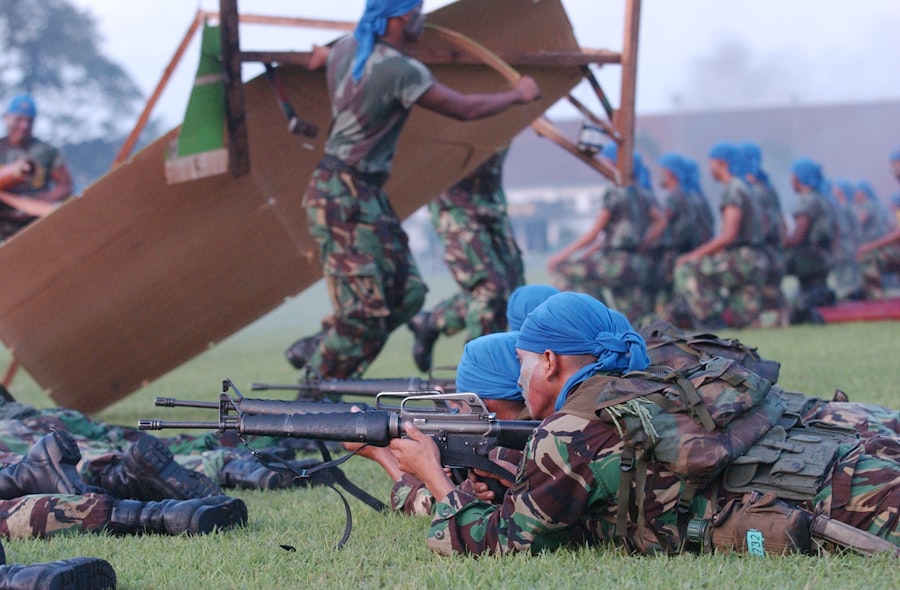
The manner in which PMCs operate in Sub-Saharan Africa is as varied as their client base. Their activities can range from overt support to discreet and sometimes opaque engagements.
Diverse Service Offerings
As previously noted, the services offered by PMCs are wide-ranging. This adaptability allows them to cater to the specific needs of different clients in diverse contexts.
Armed Security and Protection
This remains a core service, particularly in high-risk environments. It can involve personnel providing static security for installations, mobile protection for convoys, or even direct offensive operations in support of state forces.
Training and Capacity Building
The emphasis on training aims to enhance the skills and professionalism of national security forces. This can include tactical training, leadership development, and specialized skills such as intelligence analysis or counter-IED techniques.
Intelligence, Surveillance, and Reconnaissance (ISR)
The deployment of advanced technology for ISR purposes is becoming increasingly common. This can involve the use of drones, satellite imagery analysis, and signals intelligence to gather information on potential threats and adversaries.
Logistics and Support Services
These essential services encompass a broad range of activities, including facility management, transportation, equipment maintenance, and procurement of supplies. They are crucial for enabling the sustained operations of both state forces and other PMC deployments.
Contractual Arrangements and Client Base
The contractual arrangements and the types of clients engaging PMCs are diverse, reflecting the complex political and economic realities of the region.
Government Contracts
Many PMCs secure contracts directly from national governments, often through defense ministries or interior ministries. These contracts can be for a wide range of services, from training to direct operational support.
Corporate Clients
Corporations, particularly those in the extractive industries, are significant clients. They contract PMCs to protect their assets, personnel, and operations in challenging environments.
International Organizations and NGOs
While less common, some international organizations and non-governmental organizations working in conflict zones may also contract PMCs for security services, particularly for the protection of their staff and facilities.
Ethical and Governance Challenges
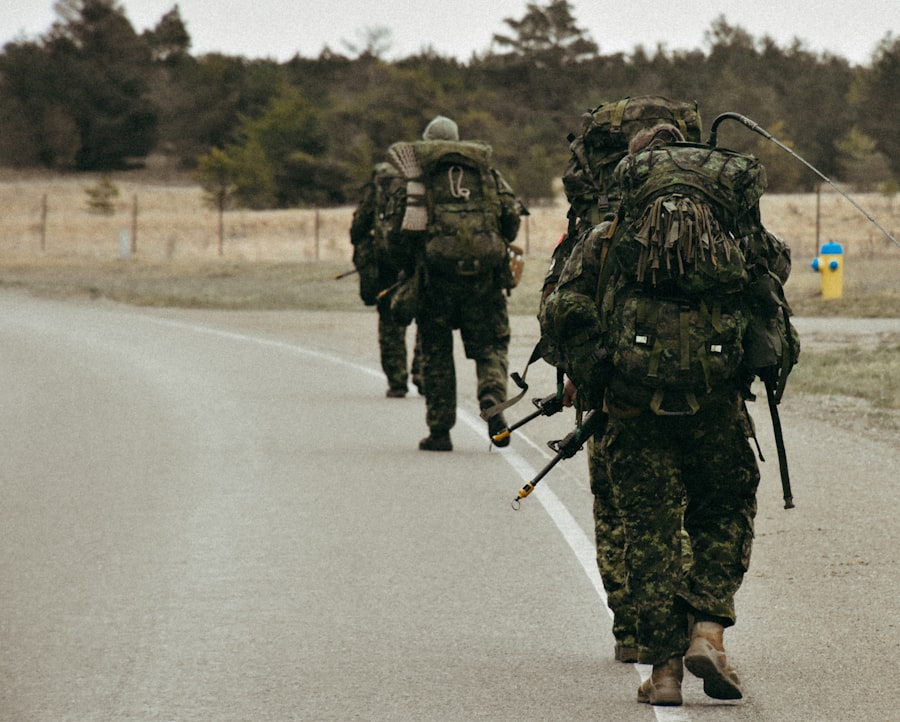
The increasing reliance on private actors for security functions in Sub-Saharan Africa raises profound ethical, legal, and governance challenges that demand careful consideration.
Accountability and Oversight
A central concern is the difficulty in ensuring adequate accountability and oversight of PMC operations. The lines of command and responsibility can become blurred, making it challenging to attribute actions and address grievances.
The “Mercenary” Label and Legal Ambiguities
The legal status of individuals working for PMCs can be ambiguous. While some countries have legislation to regulate their activities, others lack comprehensive frameworks, leading to debates about whether their actions constitute mercenary activity, which is illegal under international law.
Lack of Transparency in Contracting
The process of awarding PMC contracts is often opaque, leading to accusations of corruption and favoritheid. The lack of transparency can hinder effective oversight and make it difficult for civil society to monitor PMC activities.
Human Rights Implications
The involvement of PMCs in conflict zones carries significant risks for human rights. The potential for abuses, excessive force, and disregard for civilian populations is a serious concern.
Civilian Casualties and Use of Force
Incidents of civilian casualties attributed to PMC personnel have been reported. Ensuring that PMCs adhere to international humanitarian law and exercise restraint in the use of force is paramount.
Impact on Local Populations
The presence of armed private actors can create fear and insecurity among local populations, especially if they are perceived to be biased or unaccountable. This can undermine efforts at peacebuilding and reconciliation.
The Erosion of State Sovereignty
The outsourcing of core security functions to private companies can, in some instances, lead to an erosion of state sovereignty. When external actors become indispensable for maintaining internal security, it can diminish the state’s control and authority.
Dependence on External Security Providers
A prolonged reliance on PMCs can foster a dependency that makes it difficult for states to develop their own indigenous security capabilities. This can create a cycle of reliance rather than self-sufficiency.
Influence on Policy Decisions
In certain situations, powerful PMC contractors or their corporate clients may exert undue influence on government policy decisions, particularly regarding resource management and security.
The increasing presence of private military companies in Sub-Saharan Africa has raised significant concerns regarding security and sovereignty in the region. As nations grapple with internal conflicts and external threats, these private entities often step in to provide military support, which can lead to complex legal and ethical dilemmas. For a deeper understanding of the implications of this trend, you can read a related article that explores the dynamics of private military involvement in African conflicts. This insightful piece sheds light on the challenges faced by local governments and communities, and you can find it here: related article.
The Future of Private Military Companies in Sub-Saharan Africa
| Country | Number of Private Military Companies | Services Provided |
|---|---|---|
| Nigeria | 10 | Security consulting, training, and armed protection |
| Angola | 5 | Logistics support, risk assessment, and security training |
| South Africa | 15 | Armed security, intelligence gathering, and maritime security |
| Democratic Republic of the Congo | 8 | Armed protection, logistics, and infrastructure security |
The trajectory of PMC involvement in Sub-Saharan Africa is subject to a complex interplay of evolving security dynamics, economic imperatives, and political will. Several potential scenarios and considerations shape its future.
Increased Regulation and International Scrutiny
There is a growing recognition, both within Africa and internationally, of the need for greater regulation and oversight of PMCs. International initiatives, such as the Montreux Document, aim to provide guidelines for states and companies involved in private military and security activities.
Developing National Legal Frameworks
Many African states are beginning to develop or strengthen their national legal frameworks to govern the activities of PMCs. This includes registration requirements, licensing, and provisions for accountability.
The Role of Regional Bodies
Regional organizations, such as the African Union, have a critical role to play in developing common standards and mechanisms for addressing the challenges posed by PMCs. This could include shared intelligence, joint training initiatives, and coordinated policy responses.
The Evolving Nature of Demand and Services
The demand for PMC services is likely to continue to adapt to the changing security environment. As new threats emerge and existing ones evolve, so too will the types of services required.
Focus on Specialized Capabilities
There may be an increased demand for highly specialized capabilities, such as cyber security, advanced intelligence analysis, and counter-disinformation operations, as these threats become more prominent.
Integration with National Security Strategies
The ideal scenario involves a closer integration of PMC activities with national security strategies, ensuring that private actors are used to supplement, rather than replace, state capabilities, and that their operations align with national objectives.
Potential for Reduced Reliance
In the long term, the goal for many African states should be to build robust and professional indigenous security forces capable of meeting their own security needs. This would ideally lead to a reduced reliance on external private actors.
Investment in Human Capital and Institutions
Sustained investment in the training, education, and professionalization of national military and police forces is crucial for building long-term security capacity. Strengthening civilian oversight institutions is equally important.
Addressing Root Causes of Instability
Ultimately, the most effective way to reduce the need for private military intervention is to address the underlying root causes of instability and conflict in Sub-Saharan Africa, including poverty, inequality, poor governance, and lack of economic opportunity.
The growing presence of private military companies in Sub-Saharan Africa is an undeniable reality. While they can offer valuable support in certain circumstances, their expansion necessitates a critical examination of their role, their impact on governance, and the ethical implications of outsourcing security. A concerted effort towards greater transparency, accountability, and robust regulation is essential to ensure that these private actors contribute to, rather than detract from, the pursuit of sustainable peace and security in the region.
FAQs
What is the private military presence in Sub-Saharan Africa?
Private military presence in Sub-Saharan Africa refers to the involvement of private military and security companies (PMSCs) in providing various services, including security, training, and logistical support, to governments, multinational corporations, and international organizations in the region.
What services do private military and security companies provide in Sub-Saharan Africa?
Private military and security companies in Sub-Saharan Africa provide a range of services, including armed security for infrastructure and personnel, training and advisory services for local security forces, logistical support for military operations, and risk assessment and management for businesses operating in the region.
What are the reasons for the increasing presence of private military companies in Sub-Saharan Africa?
The increasing presence of private military companies in Sub-Saharan Africa can be attributed to factors such as the region’s complex security challenges, including terrorism, piracy, and civil conflicts, as well as the demand for security and logistical support from governments, multinational corporations, and international organizations operating in the region.
What are the potential implications of private military presence in Sub-Saharan Africa?
The presence of private military companies in Sub-Saharan Africa raises concerns about accountability, transparency, and human rights, as well as the potential for exacerbating conflict and instability in the region. Additionally, the reliance on private military companies may undermine the capacity and legitimacy of local security forces.
What regulations govern the activities of private military and security companies in Sub-Saharan Africa?
The activities of private military and security companies in Sub-Saharan Africa are subject to national laws and regulations, as well as international legal frameworks, such as the International Code of Conduct for Private Security Service Providers and the Montreux Document on Private Military and Security Companies. However, enforcement and oversight of these regulations vary across the region.