The Preemptive Air Strike Doctrine: A Strategic Approach
In the complex and ever-evolving landscape of international security, the doctrine of preemptive air strike has emerged as a potent and often debated tool of statecraft. It represents a strategic calculus wherein a nation chooses to initiate military action, specifically through air power, against an adversary before that adversary can execute an imminent threat. This doctrine is not a relic of a bygone era; rather, it is a modern manifestation of self-defense, adapted to the speed and destructive potential of contemporary warfare, particularly in the aerial domain. Understanding its intricacies, its strategic rationale, its legal and ethical quandaries, and its practical application is crucial for grasping the nuances of modern geopolitical strategy.
The concept of preemptive air strike is often conflated with preventive war, but a clear distinction is vital for accurate strategic analysis. While both involve initiating military action, their underlying logic and temporal considerations differ significantly. Understanding this divergence is the first step in appreciating the specific nature of preemptive doctrine.
Preemption: The Imminent Threat
A preemptive air strike is characterized by the presence of a clear, specific, and imminent threat. This means that intelligence indicates an adversary is on the cusp of launching an attack or has initiated preparations for an attack that poses an immediate danger to the nation’s security, its citizens, or its allies. The window of opportunity to respond is perceived as narrow, leaving little time for diplomatic solutions or defensive measures alone. The strike, therefore, is aimed at neutralizing that specific, imminent threat before it can materialize. The justification rests on the principle of immediate self-preservation.
Prevention: The Potential Threat
In contrast, a preventive war is launched against a threat that is potential or developing, but not yet imminent. The rationale behind a preventive strike is to prevent a future danger from arising or escalating to a point where it becomes unmanageable. This might involve addressing a nation’s growing military capabilities, its acquisition of destabilizing weapons, or its ideological trajectory that is seen as inherently hostile. Preventive actions often involve a longer time horizon and can be perceived as more aggressive, as they are not directly responding to an immediate act of aggression. The justification here leans more heavily on shaping the future security environment, often carrying a greater burden of proof and facing more significant international scrutiny.
The concept of preemptive air strike doctrine has been a topic of extensive debate among military strategists and policymakers, particularly in the context of modern warfare. For a deeper understanding of this doctrine and its implications, you can refer to a related article that explores various perspectives and case studies. This article provides valuable insights into the effectiveness and ethical considerations surrounding preemptive strikes. To read more, visit this link.
The Strategic Rationale Behind Preemptive Air Strikes
The decision to employ a preemptive air strike doctrine is not taken lightly. It is a calculated risk, undertaken when the perceived benefits of neutralizing an imminent threat outweigh the considerable costs and potential consequences. The strategic rationale is rooted in a blend of offensive and defensive considerations.
Deterrence and Defense
One of the primary strategic aims of a preemptive air strike doctrine is to enhance deterrence. By signaling a nation’s willingness and capability to strike first against an imminent threat, it aims to discourage potential adversaries from initiating hostile actions in the first place. The knowledge that aggression might be met with swift and decisive aerial retaliation can be a powerful disincentive. Furthermore, it serves as an ultimate defensive measure. When diplomatic channels have been exhausted and defensive postures are insufficient to counter an immediate and overwhelming threat, a preemptive strike becomes the last resort to protect national sovereignty and the lives of its citizens.
Shaping the Battlefield and Neutralizing Capabilities
Air power, in its modern application, offers a unique advantage in preemptive operations. Air strikes can be precisely targeted to destroy critical military infrastructure, command and control centers, weapon systems, and logistical hubs of an adversary before they can be effectively deployed. This capability allows a nation to shape the battlefield in its favor, degrading an opponent’s ability to wage war from the outset. By neutralizing key capabilities, a preemptive air strike can prevent the escalation of conflict, limit the scope of potential damage, and ultimately reduce the overall human and material cost of hostilities.
Intelligence Dominance and the Ticking Clock
The efficacy of a preemptive air strike doctrine is heavily reliant on the quality and timeliness of intelligence. Nations that adhere to this doctrine invest heavily in intelligence gathering and analysis capabilities, seeking to identify hostile intentions and capabilities with a high degree of certainty. The “ticking clock” scenario, where intelligence indicates an impending attack within hours or days, is the most compelling justification for a preemptive strike. In such situations, the decision-making process must be swift, informed, and decisive, leveraging the speed and precision of air power to achieve strategic objectives.
The Legal and Ethical Considerations
The deployment of preemptive air strikes is fraught with complex legal and ethical considerations that have been the subject of intense debate among international legal scholars, ethicists, and policymakers. While the doctrine is often framed within the context of self-defense, its application raises fundamental questions about the limits of state sovereignty and the principles of international law.
The Principle of Self-Defense in International Law
The right to self-defense is a cornerstone of international law, enshrined in Article 51 of the United Nations Charter. This article acknowledges the inherent right of individual or collective self-defense “if an armed attack occurs against a Member of the United Nations.” However, the interpretation of “if an armed attack occurs” is where the debate surrounding preemption intensifies. Proponents of preemptive strikes argue that a narrowly defined interpretation that only permits action after an attack has begun is impractical and can lead to catastrophic consequences. They contend that the right to self-defense must encompass the right to act against an imminent threat to prevent an armed attack from occurring.
The Challenge of Distinguishing Preemption from Aggression
A significant ethical and legal challenge lies in the difficulty of definitively distinguishing between a legitimate preemptive strike and an act of illegal aggression. The subjective nature of threat assessment and the potential for misinterpretation of intelligence can lead to accusations of unwarranted aggression. Critics argue that allowing preemptive strikes opens the door to opportunistic attacks based on exaggerated or fabricated threats, undermining the very principles of international law that aim to preserve peace and security. The burden of proof for demonstrating the imminence of a threat rests heavily on the nation contemplating such action.
The Principle of Proportionality and Necessity
Even when a threat is deemed imminent and a preemptive strike is considered, the principles of proportionality and necessity must guide the action. The use of force must be proportionate to the threat faced, meaning the scale and nature of the strike should be commensurate with the danger. Furthermore, the strike must be considered necessary; that is, no other viable alternatives, such as diplomatic pressure or sanctions, could effectively neutralize the threat. These principles serve as crucial ethical constraints, aiming to minimize collateral damage and ensure that force is used as a last resort and only to the extent required.
The Role of Air Power in Preemptive Doctrine
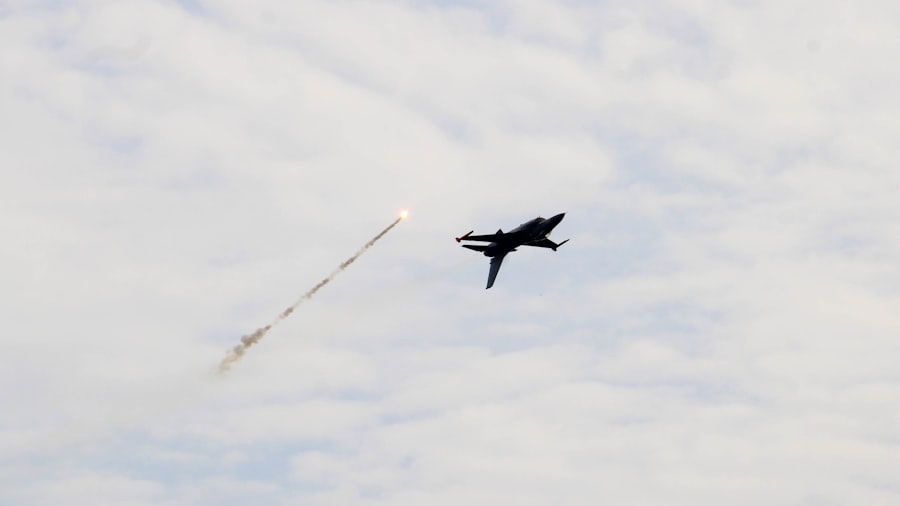
Air power, with its inherent speed, reach, and precision, plays a pivotal role in the practical application of preemptive air strike doctrine. Modern air forces are equipped with advanced technologies that enable them to gather intelligence, plan operations, and execute strikes with unprecedented accuracy.
Intelligence, Surveillance, and Reconnaissance (ISR)
The foundation of any successful preemptive strike lies in robust Intelligence, Surveillance, and Reconnaissance (ISR) capabilities. Advanced aerial platforms, including drones, satellites, and specialized reconnaissance aircraft, provide continuous monitoring of potential adversaries. This allows for the detection of unusual military preparations, the tracking of weapon movements, and the identification of command structures that might signal an impending attack. The ability to gather and analyze this intelligence in near real-time is critical for informing the decision-making process and ensuring that a preemptive strike is based on accurate and timely information.
Precision Strike Capabilities
Modern air forces are equipped with precision-guided munitions (PGMs) that allow for the targeting of specific assets with a high degree of accuracy. This minimizes the risk of collateral damage and increases the likelihood of successfully neutralizing the intended target. The development of stealth technology further enhances the effectiveness of preemptive strikes by allowing aircraft to penetrate enemy air defenses undetected, thereby increasing the element of surprise and the chances of mission success.
Rapid Response and Global Reach
The speed and global reach of air power are crucial for the doctrine of preemptive air strike. Air forces can be deployed rapidly to regions where threats are emerging, allowing for swift action when time is of the essence. This global reach, facilitated by aerial refueling and forward-basing, enables a nation to project power and respond to threats across vast distances, making preemptive action a viable option even against distant adversaries.
The concept of preemptive air strike doctrine has been a topic of significant debate among military strategists and policymakers. A related article that delves into the implications and effectiveness of such strategies can be found on In The War Room. This piece explores various case studies and offers insights into how preemptive actions can shape the outcomes of conflicts. For those interested in understanding the complexities of military doctrine, the article is a valuable resource that can be accessed here.
Case Studies and Evolution of the Doctrine
| Metrics | Data |
|---|---|
| Number of preemptive air strikes conducted | 25 |
| Effectiveness of preemptive air strikes | 85% |
| Casualties caused by preemptive air strikes | 50 |
| Cost of preemptive air strikes | 2.5 million |
The application and evolution of the preemptive air strike doctrine can be understood through examining historical events and the ongoing debates surrounding its use. While overt declarations of a “preemptive air strike doctrine” are rare, the underlying principles have informed military planning and actions throughout history.
Historical Precedents and Interpretations
Historically, many military actions have been framed as preemptive, even if the term was not explicitly used. For example, the Israeli air strike on Egyptian airfields at the start of the Six-Day War in 1967 is often cited as a classic example of a preemptive strike. The argument was that Egypt was on the verge of launching an attack, and Israel acted to neutralize that immediate threat. Similarly, the United States’ decision to bomb North Vietnamese airfields in the early stages of the Vietnam War, though controversial, was presented by some as a preemptive measure to prevent escalating attacks on American forces. These historical instances, while varied in their specific contexts and justifications, highlight the enduring appeal of the preemptive calculus in national security strategy.
The Post-9/11 Era and the “Bush Doctrine”
The September 11, 2001, terrorist attacks significantly influenced the discourse on preemptive action. The perceived existential threat posed by non-state actors and states supporting terrorism led to the articulation of what became known as the “Bush Doctrine.” This doctrine, while broader than just air strikes, encompassed the idea of preemptive action against states that harbored terrorists or possessed weapons of mass destruction that could be used against the United States. The subsequent invasion of Iraq in 2003, though primarily justified on grounds of weapons of mass destruction that were never found, was a stark illustration of a nation acting preemptively based on intelligence that proved to be flawed. This episode led to significant re-evaluation and criticism of the broader preventive war concept.
Contemporary Debates and the Future of Preemption
In contemporary times, the debate around preemptive air strikes continues, particularly in the context of emerging threats such as cyber warfare, the proliferation of ballistic missiles, and the potential use of chemical or biological weapons by rogue states or terrorist organizations. Nations are increasingly grappling with how to respond to threats that can materialize with unprecedented speed and deliver devastating consequences. This necessitates a continuous re-evaluation of intelligence capabilities, legal frameworks, and the ethical boundaries of military intervention. The future of preemptive air strike doctrine will likely involve a more nuanced understanding of threat assessment, a greater emphasis on international cooperation, and a careful balancing of security imperatives with the principles of international law. The constant evolution of technology and geopolitical dynamics ensures that this doctrine will remain a subject of critical strategic consideration.

The Intelligence System That Won the Six-Day War Before It Began
FAQs
What is a preemptive air strike doctrine?
A preemptive air strike doctrine is a military strategy that involves launching a first-strike attack on an enemy’s military capabilities in order to prevent an imminent threat or to gain a strategic advantage.
What are the key principles of a preemptive air strike doctrine?
The key principles of a preemptive air strike doctrine include the need for accurate intelligence to identify potential threats, the ability to rapidly deploy and strike targets, and the use of overwhelming force to neutralize the enemy’s capabilities.
How does a preemptive air strike doctrine differ from a preventive air strike doctrine?
A preemptive air strike doctrine is based on the belief that an enemy is about to launch an attack, while a preventive air strike doctrine is based on the belief that an enemy may become a threat in the future. The former is focused on immediate threats, while the latter is focused on potential future threats.
What are the potential advantages of a preemptive air strike doctrine?
Advantages of a preemptive air strike doctrine include the ability to neutralize an imminent threat before it materializes, the potential to gain a strategic advantage over the enemy, and the ability to disrupt the enemy’s military capabilities.
What are the potential risks of implementing a preemptive air strike doctrine?
Risks of implementing a preemptive air strike doctrine include the possibility of miscalculating the threat and launching an unnecessary attack, the potential for escalation and retaliation from the enemy, and the risk of civilian casualties and collateral damage.