The Cold War, a period of geopolitical tension and ideological conflict between the United States and the Soviet Union, was characterized by more than just proxy wars and nuclear brinkmanship. Beneath the surface of overt political maneuvering lay a shadowy world of espionage, where the acquisition of military secrets and the execution of covert operations were paramount. Both superpowers poured vast resources into intelligence gathering, creating vast networks of spies, defectors, and sophisticated surveillance technologies. This clandestine struggle played a crucial role in shaping the course of the Cold War, often influencing strategic decisions and international relations in ways that remained hidden from public view for decades. The relentless pursuit of an advantage, whether through technological superiority or the destabilization of the enemy, fueled an unprecedented era of espionage that continues to fascinate and inform.
The Architects of Secrecy
The intelligence agencies of the Cold War were not merely passive observers; they were active participants, meticulously planning and executing operations designed to gain an upper hand. The Directorate of Operations for the CIA and the First Chief Directorate of the KGB, among others, became central to national security. These organizations were tasked with a wide array of missions, from human intelligence gathering through recruitment of agents to the more technically driven approaches like electronic surveillance and photographic reconnaissance. The sheer scale of these operations is staggering, involving thousands of individuals operating in hostile territories, often under extreme pressure and facing severe penalties for discovery. The psychological toll on agents was immense, living lives of constant deception, with the threat of betrayal or capture a perpetual shadow. The organizational structures within these agencies were complex, with specialized departments focusing on specific regions, technologies, or types of intelligence. The development of specialized training programs, tradecraft techniques, and secure communication methods were all part of the intricate machinery of Cold War espionage.
Recruiting the Human Factor
The lifeblood of any intelligence agency has historically been its human assets. During the Cold War, the recruitment of agents became a highly sophisticated art. Motivations for recruitment varied wildly, ranging from ideological conviction and financial gain to personal grievances and blackmail. The KGB excelled in exploiting political and social divisions within Western nations, while the CIA sought to penetrate the Soviet bloc by identifying individuals disillusioned with the communist regime or attracted by the promise of a better life. The process of vetting and handling agents was fraught with peril. Double agents, compromised individuals, and the ever-present threat of counterintelligence operations meant that trust was a rare commodity. The training of agents was rigorous, encompassing skills such as clandestine communication, dead drops, safe house operations, and self-defense. The inherent risks involved meant that many agents operated with an awareness that their activities could lead to imprisonment, torture, or even death. The psychological manipulation employed by handlers to maintain loyalty and extract information was a critical element of this recruitment process.
The Double Agent Dilemma
The existence of double agents represented one of the most complex and dangerous facets of Cold War espionage. These individuals, ostensibly working for one side, were secretly feeding information to the other. Their loyalty was often fluid, driven by a combination of factors such as coercion, ideology, or a carefully orchestrated manipulation by intelligence services. For the agencies involved, a successful double agent could provide invaluable insights into the enemy’s plans, capabilities, and internal workings. Conversely, a compromised double agent could lead to the exposure of entire networks, the arrest of key operatives, and the loss of critical intelligence. The constant effort to identify and neutralize enemy double agents, while simultaneously cultivating and verifying the loyalty of their own, created a perpetual cat-and-mouse game within the intelligence world. The stakes were incredibly high, as a single misplaced trust could have devastating consequences for national security. The intricate dance of deception and counter-deception surrounding double agents underscores the sheer ingenuity and paranoia that defined this era.
Cold War espionage played a crucial role in shaping military strategies and international relations during the tense standoff between the United States and the Soviet Union. For a deeper understanding of the intricate web of intelligence operations and their impact on military decisions, you can explore the article titled “The Shadow War: Espionage and Military Strategy During the Cold War” available at In The War Room. This article delves into the various espionage tactics employed by both superpowers and highlights key events that defined this covert conflict.
Technological Arms Race in the Shadows
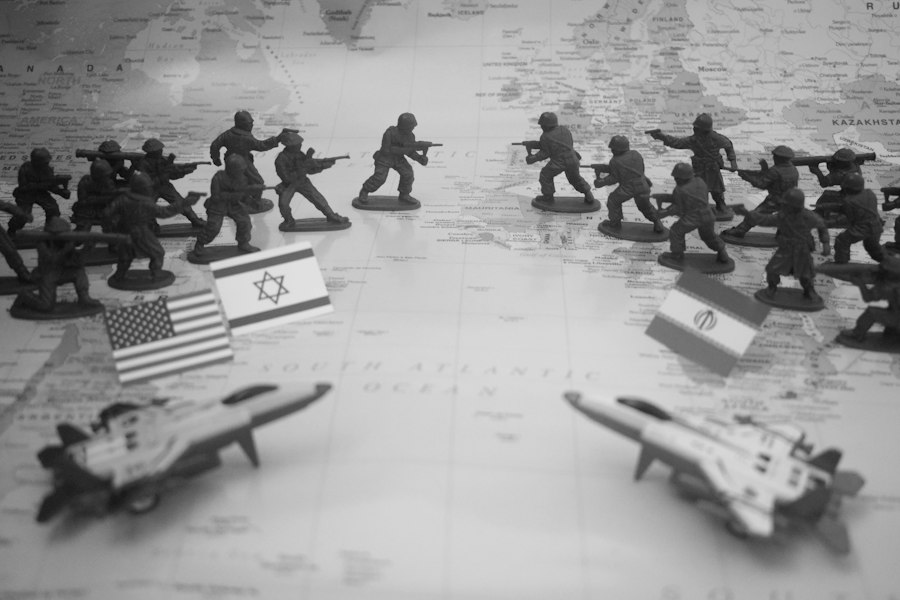
While human intelligence remained vital, the Cold War also witnessed an unprecedented technological arms race in the realm of espionage. Both superpowers invested heavily in developing and deploying advanced surveillance technologies that could penetrate the Iron Curtain and gather information without the direct risk to human agents. This technological push revolutionized the way intelligence was collected, moving beyond traditional methods to embrace the cutting edge of scientific and engineering innovation. The goal was clear: to achieve a tactical or strategic advantage by understanding the enemy’s military capabilities, technological advancements, and political intentions.
Eyes in the Sky and Under the Sea
The development of reconnaissance satellites and aerial surveillance aircraft represented a significant leap forward. The U-2 spy plane, famously shot down over Soviet territory in 1960, became a potent symbol of the risks and rewards associated with high-altitude intelligence gathering. Later, sophisticated satellite imagery allowed for continuous monitoring of military installations, missile sites, and troop movements across vast distances. Underwater espionage also played a crucial role, with both sides developing advanced submarine detection capabilities and deploying specialized submersible vehicles to tap undersea cables and monitor naval activities. The race to develop more powerful cameras, sophisticated sensors, and advanced data processing techniques was relentless. These technological marvels provided an invaluable, albeit often incomplete, picture of the adversary’s strength and intentions, influencing strategic planning and arms control negotiations.
Signal Intelligence and Cryptography
The interception and decryption of enemy communications, known as signals intelligence (SIGINT), became a cornerstone of Cold War espionage. The ability to eavesdrop on radio transmissions, telephone calls, and other forms of electronic communication offered a direct window into the enemy’s thoughts and plans. This led to a parallel arms race in cryptography, with both sides constantly striving to develop more secure encryption methods and break the codes of their adversaries. The code-breaking efforts were often highly classified, involving brilliant mathematicians and cryptanalysts working in secret facilities. The success or failure in deciphering enemy communications could have profound implications, revealing the locations of military units, the details of planned attacks, or the true intentions behind diplomatic pronouncements. The intricate interplay between code-making and code-breaking defined a significant portion of the clandestine technological struggle.
Covert Operations: The Art of Influence and Disruption
Beyond the collection of secrets, Cold War espionage was deeply involved in covert operations – actions designed to influence events in other countries without overt attribution. These operations ranged from propaganda campaigns and economic sabotage to political interference and paramilitary actions. The aim was often to destabilize hostile regimes, support friendly factions, or create diversions that would serve the strategic interests of the sponsoring power. These operations were inherently risky, with the potential for international outcry and retaliatory measures if discovered.
Propaganda and Psychological Warfare
The battle for hearts and minds was a crucial front in the Cold War. Intelligence agencies were deeply involved in the creation and dissemination of propaganda, aiming to undermine the enemy’s ideology and bolster their own. This included radio broadcasts, the distribution of leaflets, and the subtle manipulation of media outlets in targeted countries. Psychological warfare aimed to sow discord, promote dissent, and create an atmosphere of uncertainty and mistrust within the adversary’s society. The effectiveness of these operations was often difficult to measure, but they played a significant role in shaping public opinion and influencing political discourse on a global scale. The subtle art of persuasion, disguised as independent reporting or genuine popular sentiment, was a powerful tool in the arsenal of espionage.
Paramilitary Actions and Destabilization
In some instances, covert operations escalated to include paramilitary actions, supporting insurgent groups, or even engaging in direct intervention. The goal was to weaken or overthrow governments perceived as hostile, often through clandestine funding, training, and equipping of opposition forces. These operations were the most dangerous and ethically contentious, as they often involved blurring the lines between intelligence gathering and direct military intervention. The unintended consequences of such actions could be severe, leading to protracted conflicts, humanitarian crises, and a worsening of international relations. The legacy of some of these operations continues to be debated and felt in various parts of the world.
The Human Cost and Ethical Quandaries
The pursuit of military secrets and the execution of covert operations came at a significant human cost. The individuals involved, both agents and those caught in the crossfire, often bore the brunt of this clandestine struggle. The ethical considerations surrounding these activities also remain a subject of intense debate and scrutiny.
The Agent’s Sacrifice
The lives of intelligence agents were often characterized by immense personal sacrifice. They operated in constant fear, estranged from their families, and under the immense pressure of maintaining elaborate deceptions. Betrayal was a constant threat, and discovery often meant a harsh interrogation, lengthy imprisonment, or even execution. The psychological toll of living a double life, the moral compromises they were sometimes forced to make, and the isolation they experienced are often overlooked. Many agents served with a sense of patriotic duty, while others were driven by ideology or financial need, but all navigated a treacherous landscape where their survival was never guaranteed.
Ethical Debates and Lasting Legacies
The actions undertaken by intelligence agencies during the Cold War raised profound ethical questions. Was the pursuit of national security justification for undermining democratic processes, violating international law, or causing civilian casualties? The use of torture, the assassination of perceived enemies, and the manipulation of entire societies are all aspects of Cold War espionage that continue to be debated. The declassification of documents and the release of memoirs have slowly unveiled the darker aspects of this era, prompting a re-evaluation of the methods employed and their long-term consequences. The lessons learned, or perhaps not learned, from this period continue to inform contemporary debates about the role and oversight of intelligence agencies.
Cold War espionage played a crucial role in shaping military strategies and international relations during the tense standoff between the United States and the Soviet Union. The intricate web of spies, double agents, and covert operations not only influenced political decisions but also led to significant advancements in intelligence technology. For a deeper understanding of the complexities surrounding this era, you can explore a related article that delves into the various espionage tactics employed by both sides. Check it out here to gain more insights into the shadowy world of Cold War intelligence.
Unveiling the Hidden History
| Metric | Details |
|---|---|
| Number of Espionage Agencies | Over 10 major agencies including CIA (USA), KGB (USSR), MI6 (UK), Stasi (East Germany) |
| Estimated Number of Spies | Thousands active worldwide during peak Cold War years (1950s-1980s) |
| Key Espionage Technologies | Microdots, dead drops, encrypted radio transmissions, spy satellites, bugging devices |
| Major Espionage Operations | Operation CHAOS, U-2 Spy Plane missions, Berlin Tunnel Operation, Cambridge Five infiltration |
| Notable Spy Exchanges | Glienicke Bridge swaps, including Rudolf Abel for Francis Gary Powers (1962) |
| Impact on Military Strategy | Informed nuclear deterrence policies, missile deployment, and troop movements |
| Estimated Espionage Casualties | Hundreds of captured or executed spies on both sides |
| Duration of Cold War Espionage | Approximately 1947 to 1991 |
The true extent of Cold War espionage was largely unknown to the public for decades, hidden behind layers of secrecy and disinformation. The slow process of declassification, coupled with investigative journalism and historical research, has gradually lifted the veil on this clandestine world. This unveiling has not only provided a more complete understanding of the Cold War’s dynamics but has also revealed the extraordinary ingenuity and courage, as well as the often morally ambiguous actions, of those who operated in the shadows. The study of this hidden history is crucial for understanding the geopolitical landscape that emerged from the Cold War and for informing contemporary approaches to national security and international relations.
The Power of Declassified Information
The gradual release of classified documents has been instrumental in illuminating the complexities of Cold War espionage. These declassified files, ranging from operational reports and agent debriefings to presidential directives and internal memos, offer invaluable insights into the planning, execution, and consequences of clandestine activities. Historians and researchers have painstakingly sifted through these materials, piecing together narratives that were once buried in government archives. This process has confirmed many suspicions, revealed unexpected truths, and challenged long-held assumptions about the motivations and strategies of the superpowers. The sheer volume of information, however, means that the task of fully comprehending this hidden history is ongoing.
Enduring Impact on Global Politics
The operations of Cold War espionage have left an indelible mark on the global political landscape. The destabilization of regimes, the arming of proxy forces, and the covert influence exerted in various nations have contributed to long-standing conflicts and political instabilities in many regions. The lessons learned from these operations, both positive and negative, have shaped the development of modern intelligence agencies and continue to influence how nations approach foreign policy and national security. The legacy of Cold War espionage serves as a stark reminder of the far-reaching consequences of clandestine warfare and the critical importance of transparency and accountability in the conduct of state-sponsored secret operations.

A 3-Year Drought Hit the Hittite Empire. Did It Cause the Collapse?
FAQs
What were some common espionage tactics used during the Cold War?
Common espionage tactics during the Cold War included wiretapping, codebreaking, surveillance, propaganda, and the use of double agents.
Which countries were the main players in Cold War espionage?
The main countries involved in Cold War espionage were the United States and the Soviet Union, with their respective intelligence agencies, the CIA and the KGB, playing crucial roles.
How did the Cold War impact military strategies related to espionage?
The Cold War led to the development of advanced military strategies related to espionage, such as the use of satellites for surveillance, encrypted communication systems, and the establishment of covert operations units.
What were some famous espionage incidents during the Cold War?
Some famous espionage incidents during the Cold War include the Cambridge Five spy ring, the U-2 incident, the Cuban Missile Crisis, and the defection of Oleg Penkovsky.
How did technology advancements influence Cold War espionage tactics?
Advancements in technology, such as the development of spy satellites, miniaturized cameras, and encrypted communication devices, greatly influenced and enhanced Cold War espionage tactics.