A Shadow of Duty: Pierce Cobb’s Wartime Journey
The annals of history are replete with tales of valor and sacrifice, yet often the individual narratives, particularly those of marginalized communities, remain unsung. Pierce Cobb’s story is one such testament to resilience, duty, and the enduring spirit of a Black American soldier navigating the complexities of war and a segregated society. His experiences, etched not in grand pronouncements but in the quiet fortitude of a man serving his country, offer a profound glimpse into the realities faced by African Americans in uniform during a pivotal period of global conflict.
Pierce Cobb, a notable figure among Black American GIs during World War II, exemplifies the courage and resilience of African American soldiers who fought for their country while facing racial discrimination at home. His story is intricately connected to the broader narrative of Black service members, as highlighted in the article “The Unsung Heroes: Black American Soldiers in WWII” found on the In The War Room website. This article delves into the challenges and triumphs of Black GIs, providing a deeper understanding of their contributions to the war effort. For more insights, you can read the article here: The Unsung Heroes: Black American Soldiers in WWII.
Early Life and the Call to Service
Pierce Cobb’s early life unfolded in a landscape marked by the persistent inequalities of Jim Crow America. Born in the early 1920s, his childhood was shaped by the societal norms and prejudices that defined the era. Yet, alongside these challenges, there was also the burgeoning sense of national identity and the pervasive understanding that, in times of crisis, service to the nation was an expectation for all citizens. The Second World War, a global conflagration of unprecedented scale, irrevocably altered the trajectory of millions of lives, and Pierce Cobb was no exception.
The Looming Shadow of Global Conflict
Even before direct American involvement, the war in Europe and the Pacific cast a long shadow. Newsreels, radio broadcasts, and newspaper accounts painted a stark picture of aggression and the fight for freedom. For young Black men like Pierce, this global struggle intersected with their own fight for basic human rights and dignity at home. The irony was not lost on many: called to defend democracy abroad while denied its full privileges within their own borders. This internal conflict would become a recurring theme for many Black soldiers, shaping their perspective on the war and their place within it.
Enlistment and Initial Training
The decision to enlist, for Pierce, was likely a confluence of factors. Patriotism, a desire for opportunity, and perhaps a sense of obligation to contribute to a world-altering event. The process of enlistment for Black men often meant facing a military system that, while ultimately fighting against fascism, still harbored its own internal divisions and discriminatory practices. Upon entering the service, Pierce would have been assigned to segregated units, a stark reality that underscored the persistent racial hierarchy even within the armed forces. His initial training, likely conducted at a segregated base, would have been rigorous, instilling the discipline and skills necessary for combat. However, the social environment remained decidedly unequal, with Black soldiers often relegated to support roles and facing overt or subtle forms of discrimination from their white counterparts and even some superiors.
Forge of War: European Theater
Pierce Cobb’s military journey led him to the European theater of operations, a crucible where the fate of nations was being decided on battlefields across France, Belgium, Germany, and beyond. The war in Europe was a brutal testament to human endurance and the devastating impact of modern warfare. For Black soldiers, the fight was twofold: to defeat the Axis powers and to prove their worth and humanity in a system that often sought to deny them both.
Normandy and the Push Inland
The invasion of Normandy on D-Day, June 6, 1944, marked a turning point in the war, and while the precise details of Pierce Cobb’s unit and role require further historical corroboration, it is within the context of these pivotal campaigns that his bravery was likely tested. Following the initial landings, Allied forces embarked on a relentless push inland, facing heavily fortified German defenses. The hedgerows of Normandy proved a formidable obstacle, and the subsequent battles for strategic towns and cities were hard-fought, often involving intense close-quarters combat. It was in these grinding engagements that the true mettle of soldiers like Pierce Cobb was forged. The constant threat of enemy fire, the grueling marches, and the psychological toll of witnessing the horrors of war would have been immense.
Life on the Front Lines
Life on the front lines was a stark departure from anything Pierce had known. The camaraderie forged in the face of shared danger became a vital coping mechanism. Soldiers relied on each other, forming bonds that transcended the racial lines that divided society back home. However, the practicalities of segregation still loomed. Black units often received older equipment, were assigned to less glamorous but equally dangerous support roles such as logistics, engineering, or medical units, and frequently faced longer tours of duty. Despite these disadvantages, Black soldiers consistently demonstrated exceptional courage and dedication. Pierce Cobb, like countless others, would have experienced the constant adrenaline surge of combat, the gnawing fear of the unknown, and the profound sense of purpose that comes with fighting for a cause larger than oneself. The stories whispered around campfires, the letters from home, and the shared experiences of hardship and survival were the threads that wove together the tapestry of their wartime existence.
The Psychological Scars of Combat
The physical wounds of war were readily apparent, but the psychological scars ran just as deep. The constant exposure to death and destruction, the loss of comrades, and the relentless pressure of combat undoubtedly left an indelible mark on Pierce Cobb, as it did on all soldiers. The transition back to civilian life for many veterans was challenging, and for Black veterans, this struggle was compounded by the very same racial prejudices they had fought against abroad. The mental toll of war is a universal experience, and understanding the unique pressures faced by Black soldiers within a segregated military adds another layer of complexity to their post-war reintegration.
Bridging the Divide: Post-War Realities
The cessation of hostilities in Europe brought an end to the immediate combat, but the war’s impact on Pierce Cobb’s life was far from over. Returning home, he, like millions of other veterans, faced the daunting task of reintegrating into a society that was still grappling with its own internal contradictions and racial tensions. The skills and experiences gained in service often felt out of sync with the opportunities available to Black Americans.
The Promise and the Prejudice
The end of the war brought a sense of hope and anticipation for a better future. Black soldiers, having served with distinction and demonstrating their patriotism, harbored expectations of greater equality and recognition. However, the reality of returning to the American South, or indeed many parts of the country, was often a harsh reacquaintance with segregation and discrimination. While some veterans found opportunities to utilize their military training in civilian jobs, many faced significant barriers. The G.I. Bill, a landmark piece of legislation designed to aid returning servicemen, was often administered in ways that excluded or disadvantaged Black veterans, particularly in areas like housing and education. Pierce Cobb’s post-war journey was likely characterized by a similar struggle to navigate these systemic inequalities.
Rebuilding a Life and a Community
Despite the challenges, veterans like Pierce Cobb were instrumental in rebuilding their communities and advocating for change. Their wartime experiences, while often traumatic, also instilled a sense of agency and a desire to contribute to a more just society. Many became active in civil rights organizations, using their voices and experiences to challenge segregation and demand equal rights. The resilience and determination forged in the crucible of war were now channeled into the fight for justice at home. Pierce Cobb’s story, therefore, is not just about his military service but also about his enduring commitment to his community and his belief in the possibility of a more equitable future. The bonds forged in the military, even within segregated units, may have also provided a unique network for support and collective action upon returning home.
Pierce Cobb, a notable figure among Black American GIs during World War II, represents a significant yet often overlooked aspect of military history. His experiences highlight the challenges faced by African American soldiers in a segregated army, as well as their contributions to the war effort. For those interested in exploring more about the broader context of African American military service, a related article can be found at this link, which delves into the struggles and triumphs of Black soldiers throughout various conflicts.
A Legacy of Quiet Strength
| Metric | Details |
|---|---|
| Full Name | Pierce Cobb |
| Ethnicity | Black American |
| Military Role | GI (Government Issue – U.S. Army Soldier) |
| Service Period | World War II Era |
| Rank | Unknown |
| Branch | U.S. Army |
| Notable Achievements | Contributed to the integration of African Americans in the military |
The story of Pierce Cobb, though specific details may be lost to the mists of time, represents a powerful archetype of the Black American soldier. Their contributions to the Allied victory were undeniable, yet their experiences are often overlooked in broader historical narratives. Pierce’s journey, from his enlistment to his return, encapsulates the profound impact of war on individuals and the enduring struggle for equality.
Contributions Often Unacknowledged
The official histories of World War II often focus on the grand strategies and the contributions of predominantly white units, leaving the vital roles played by Black soldiers in the background. Pierce Cobb and his fellow servicemen were essential in countless capacities, from the arduous labor of building infrastructure in combat zones to the bravery displayed in combat engagements. Their dedication and sacrifice were critical to the Allied success, yet the recognition and acknowledgment of these contributions have often been delayed or diminished. Understanding Pierce’s story means understanding the broader narrative of Black Americans in uniform, a narrative that is still being fully unearthed and appreciated.
The Enduring Impact of Service
The service of Black American GIs like Pierce Cobb had a profound and lasting impact, not only on the war effort but also on the trajectory of the American Civil Rights Movement. Their wartime experiences, witnessing both the fight against tyranny abroad and the persistent injustices at home, fueled a desire for change. The skills, discipline, and sense of purpose cultivated during their military service were often channeled into post-war activism and community building. Pierce Cobb’s story, therefore, is a reminder of the quiet strength and unwavering dedication of a generation of Black men who answered the call to duty and, in doing so, helped shape the course of American history. Their legacy is one of courage, resilience, and an unyielding pursuit of a more perfect union, a pursuit that continues to resonate today.
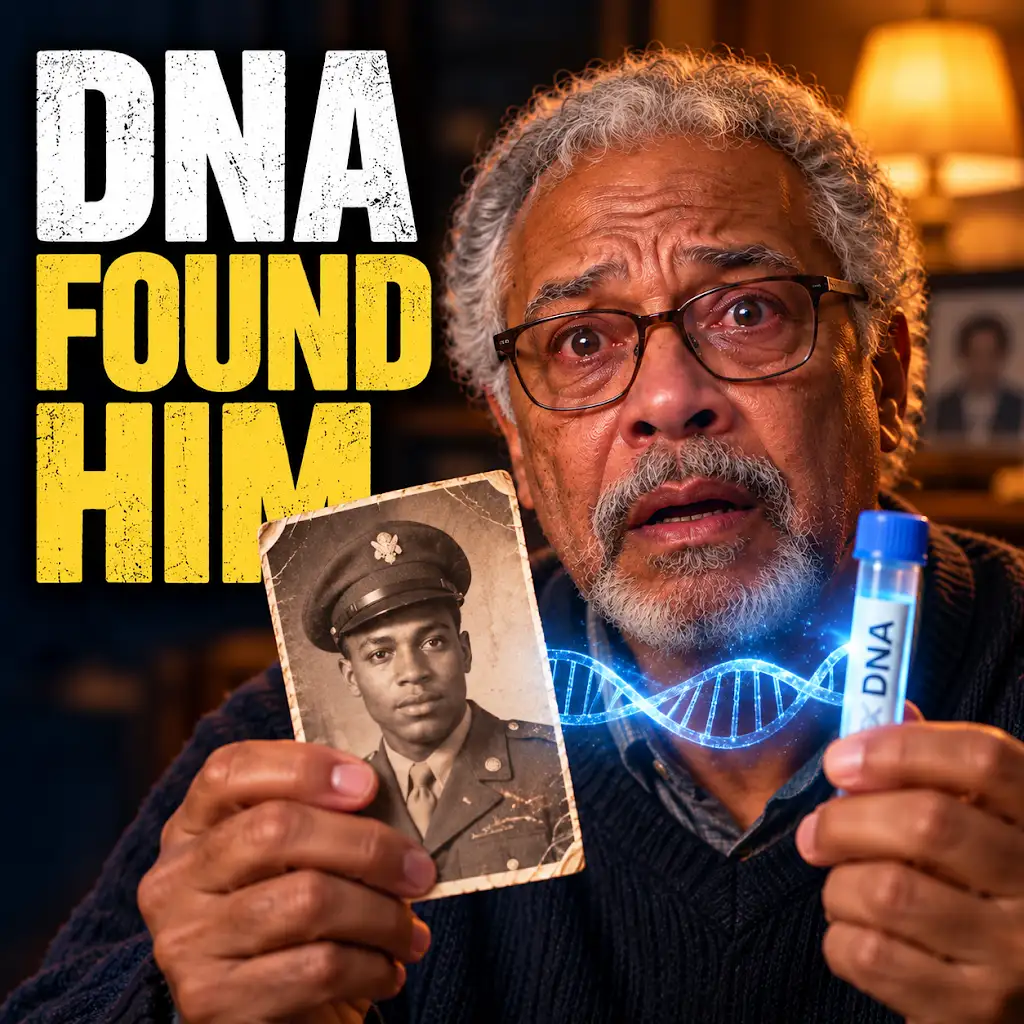
His WWII GI Father Was a Mystery for Nearly 80 Years
FAQs
What is the background of Pierce Cobb?
Pierce Cobb was a Black American GI who served in the United States military during World War II.
What was Pierce Cobb’s role during the war?
Pierce Cobb served as a soldier in the segregated U.S. Army during World War II.
What challenges did Pierce Cobb face as a Black American GI?
As a Black American GI, Pierce Cobb faced discrimination, segregation, and unequal treatment within the military during World War II.
What impact did Pierce Cobb have on the military and society?
Pierce Cobb’s service as a Black American GI helped pave the way for desegregation in the U.S. military and contributed to the broader civil rights movement.
How is Pierce Cobb remembered today?
Pierce Cobb is remembered as a trailblazer who fought for equality and justice both on the battlefield and in society.