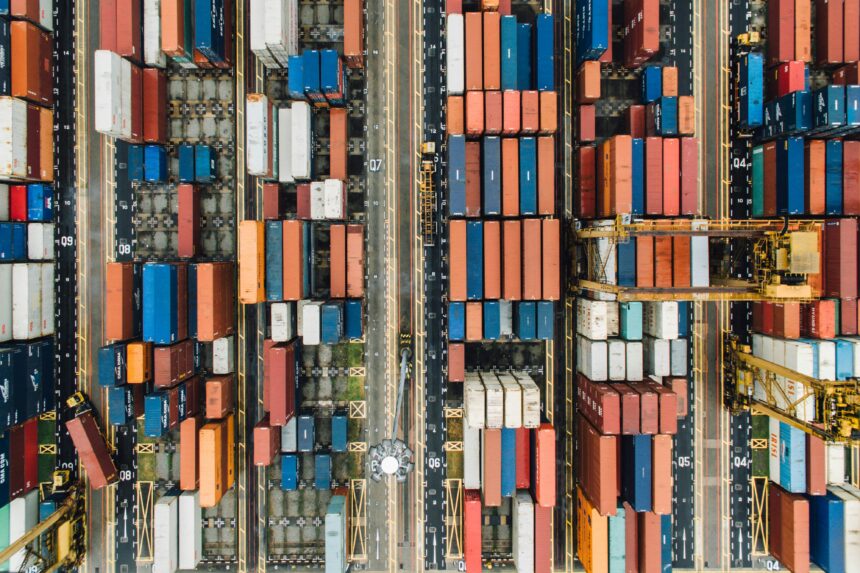
The Pentagon, a colossus of military might, relies on a labyrinthine and often opaque supply chain to maintain its global operational readiness. This intricate network, stretching from raw material extraction to the delivery of advanced weaponry, has historically been a critical, yet vulnerable, component of national security. In recent years, the Department of Defense has grappled with a growing array of challenges that threaten the efficiency, resilience, and security of this vital system. From geopolitical instability and technological disruption to burgeoning cyber threats and a dwindling manufacturing base, the Pentagon’s supply chain is under immense pressure. Overcoming these multifaceted hurdles requires a strategic and comprehensive approach, one that embraces modernization, collaboration, and a profound understanding of the evolving global landscape.
The Pentagon’s supply chain has never operated in a vacuum. It is intrinsically linked to the global geopolitical and economic environments, and any significant shift in these spheres inevitably sends ripples through its operations. The nature of modern warfare, characterized by hybrid threats, sophisticated adversaries, and extended operational deployments, demands a supply chain that is not only robust but also agile and adaptable.
Geopolitical Volatility and its Ripple Effects
The 21st century has witnessed a surge in geopolitical tensions. From regional conflicts to the rise of great power competition, these dynamics directly impact the flow of goods and materials critical to defense. Dependence on foreign suppliers, particularly in regions experiencing instability, creates inherent risks. Disruptions to shipping lanes, trade embargoes, or outright conflict in supplier nations can lead to immediate shortages and project delays. For instance, reliance on specific rare earth minerals, commonly sourced from politically sensitive areas, presents a significant strategic vulnerability.
Dependence on Unstable Regions
Many critical components and raw materials essential for defense manufacturing are sourced from countries with volatile political climates or those susceptible to external pressure. This dependence can be exploited by adversaries, leading to deliberate supply chain disruptions or the imposition of unfavorable trade terms. The Pentagon must actively work to diversify its sourcing and explore alternative materials and suppliers to mitigate these risks.
The Impact of International Trade Disputes and Tariffs
Trade wars, protectionist policies, and the imposition of tariffs can significantly inflate the cost of imported components and raw materials. This directly impacts defense budgets, making it more expensive to procure necessary equipment and sustain operations. Furthermore, these disputes can lead to retaliatory measures, further complicating international logistics and potentially cutting off access to vital supplies.
Technological Disruption and the Pace of Innovation
The rapid pace of technological advancement presents both an opportunity and a challenge for the Pentagon’s supply chain. While new technologies can enhance efficiency and provide a strategic advantage, they also require a supply chain capable of adapting to rapid obsolescence, emerging threats, and the integration of novel materials and manufacturing processes.
The Rise of Counterfeit and Substandard Components
As supply chains become more globalized and complex, the risk of counterfeit or substandard components entering the defense ecosystem escalates. These inferior parts can compromise the integrity and performance of critical systems, potentially leading to mission failure or catastrophic incidents. The Pentagon must implement rigorous screening and verification processes to combat this pervasive threat.
The Need for Advanced Manufacturing Capabilities
The traditional manufacturing base for defense articles has, in some areas, eroded or failed to keep pace with the demands of modern technology. The Pentagon needs to invest in and foster advanced manufacturing capabilities, including additive manufacturing (3D printing), precision machining, and the development of novel materials, to ensure a domestic industrial base that can meet future needs.
The Pentagon is currently facing significant supply chain challenges that have raised concerns about national security and military readiness. For a deeper understanding of these issues and their implications, you can read a related article on this topic at In the War Room, which explores the complexities of military logistics and the impact of global supply chain disruptions on defense operations.
Modernizing the Pentagon’s Supply Chain
In response to these evolving challenges, the Pentagon is undertaking significant efforts to modernize its supply chain. This modernization goes beyond simply updating equipment; it involves a fundamental rethinking of processes, leveraging advanced technologies, and fostering a more collaborative and transparent ecosystem.
Embracing Digital Transformation and Data Analytics
The digital transformation of the supply chain is paramount. This involves the integration of digital technologies across all stages, from procurement and inventory management to logistics and maintenance. Data analytics plays a crucial role in providing real-time visibility, enabling predictive maintenance, and optimizing resource allocation.
Implementing Blockchain for Transparency and Traceability
Blockchain technology offers a revolutionary approach to enhancing transparency and traceability within the supply chain. By creating an immutable and distributed ledger of transactions, it can track the origin and journey of every component, from raw material to finished product. This significantly reduces the risk of counterfeit parts, improves accountability, and streamlines auditing processes.
Leveraging Artificial Intelligence and Machine Learning for Optimization
Artificial intelligence (AI) and machine learning (ML) can unlock unprecedented levels of efficiency within the supply chain. These technologies can be used to forecast demand with greater accuracy, optimize inventory levels, predict equipment failures for proactive maintenance, and identify potential bottlenecks before they impact operations. AI-powered simulations can also help in scenario planning and risk assessment.
The Role of the Internet of Things (IoT) in Real-Time Monitoring
The Internet of Things (IoT) enables the real-time monitoring of assets and inventory across the supply chain. Sensors on vehicles, warehouses, and even individual components can provide constant streams of data on location, condition, and environmental factors. This granular visibility allows for immediate response to disruptions and more efficient management of resources.
Strengthening Domestic Industrial Base and Reshoring Initiatives
A key focus of modernization is the revitalization of the domestic industrial base, particularly in critical manufacturing sectors. This involves strategic investments, policy changes, and collaborative efforts to bring manufacturing back onshore, reducing reliance on foreign sources.
Investing in Skilled Workforce Development
A strong industrial base requires a skilled workforce. The Pentagon, in conjunction with industry partners and educational institutions, must invest in programs that train and retrain workers for the demands of advanced manufacturing, cybersecurity, and logistics. This includes apprenticeships, vocational training, and STEM education initiatives.
Incentivizing Domestic Production and Innovation
Government incentives, such as grants, tax credits, and preferential contracting, can encourage companies to invest in domestic manufacturing facilities and research and development. This fosters innovation and creates a more robust and self-sufficient supply chain.
Strategic Partnerships with Domestic Manufacturers
Building strong and collaborative partnerships with domestic manufacturers is essential. This involves early engagement in the design and development phases, clear communication of future needs, and a commitment to long-term relationships that foster stability and mutual growth.
Enhancing Supply Chain Resilience and Security

Beyond modernization, the Pentagon’s supply chain must be engineered for resilience and fortified against a spectrum of security threats, both physical and digital. This involves building redundancy, diversifying suppliers, and implementing robust cybersecurity measures.
Diversifying the Supplier Base and Mitigating Single Points of Failure
Over-reliance on a single supplier for critical components creates a significant vulnerability. Diversifying the supplier base, both domestically and among trusted international partners, is crucial for mitigating the impact of any individual supplier failure.
Developing Secondary and Tertiary Sourcing Options
For every critical component, the Pentagon needs to identify and qualify secondary and tertiary sourcing options. This ensures that if a primary supplier is disrupted, there are readily available alternatives to maintain production and operational capability.
International Collaboration and Interoperability Agreements
Engaging in strategic partnerships with allied nations for defense industrial cooperation can strengthen global supply chains and ensure interoperability of systems. This allows for shared manufacturing capabilities and mutual support during times of crisis.
Fortifying Against Cyber Threats and Information Warfare
The digital nature of modern supply chains makes them attractive targets for cyberattacks. Protecting sensitive data, intellectual property, and operational integrity is paramount.
Implementing Robust Cybersecurity Protocols and Standards
The Pentagon must enforce stringent cybersecurity protocols and standards across all tiers of its supply chain. This includes regular security audits, vulnerability assessments, and the implementation of advanced threat detection and response systems.
Protecting Intellectual Property and Sensitive Data
The defense supply chain handles highly sensitive data and proprietary information. Robust measures must be in place to protect this intellectual property from theft, espionage, and unauthorized access. This includes encryption, access controls, and continuous monitoring.
Training and Awareness Programs for Supply Chain Personnel
Human error remains a significant vulnerability in cybersecurity. Comprehensive training and awareness programs for all personnel involved in the supply chain are essential to educate them about cyber threats and best practices for data security.
Building Redundancy and Contingency Planning
A resilient supply chain is one that can withstand unexpected disruptions. Building redundancy into key areas and developing comprehensive contingency plans are vital for maintaining operational continuity.
Establishing Strategic Stockpiles of Critical Materials
Maintaining strategic stockpiles of essential raw materials and critical components can provide a buffer against short-term supply disruptions. These stockpiles should be regularly reviewed and replenished.
Developing Alternative Logistics and Transportation Networks
Relying on a single transportation network or route can be risky. Developing alternative logistics and transportation networks, including leveraging different modes of transport and routes, enhances resilience in the face of disruptions.
Crisis Management and Business Continuity Planning
Comprehensive crisis management and business continuity plans are essential for enabling a swift and effective response to major supply chain disruptions. These plans should outline clear roles, responsibilities, and communication protocols.
Fostering Collaboration and Industrial Partnerships
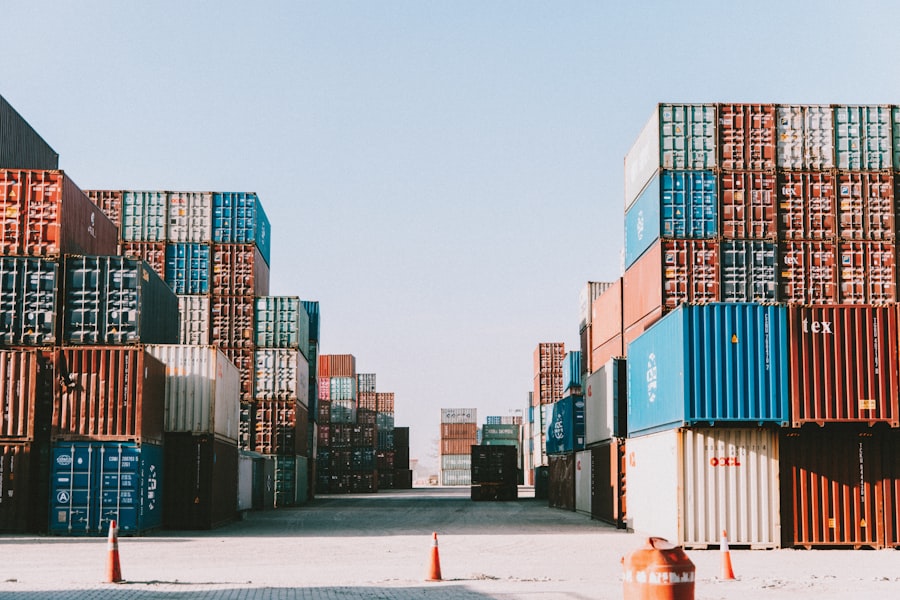
The challenges facing the Pentagon’s supply chain cannot be overcome by the Department of Defense alone. A collaborative approach, involving industry, academia, and international allies, is essential for developing innovative solutions and building a more resilient ecosystem.
Strengthening Public-Private Partnerships
Public-private partnerships are instrumental in driving innovation, sharing expertise, and leveraging the strengths of both sectors. These partnerships can facilitate the development of new technologies, the adoption of best practices, and the sharing of risk.
Joint Ventures and Collaborative Research Initiatives
Encouraging joint ventures and collaborative research initiatives between government agencies and industry can accelerate the development and adoption of cutting-edge solutions for supply chain challenges. This allows for the pooling of resources and expertise.
Streamlining Regulatory Processes and Bureaucracy
Excessive bureaucracy and complex regulatory processes can hinder innovation and slow down the adoption of new technologies. Streamlining these processes, while maintaining essential oversight, can foster a more agile and responsive supply chain.
Engaging Academia and Research Institutions
Academia and research institutions play a crucial role in advancing supply chain theory, developing new technologies, and providing a pipeline of skilled talent.
Supporting Research into Emerging Supply Chain Technologies
Investments in academic research focused on areas like AI, blockchain, advanced materials, and cybersecurity are vital for staying ahead of emerging threats and developing future-proofing solutions.
Developing Specialized Supply Chain Education Programs
Academia can develop specialized education programs to train the next generation of supply chain professionals with the skills needed to manage complex, digitally-enabled, and globally integrated defense supply chains.
International Cooperation with Allied Nations
As highlighted earlier, international cooperation is not just about procurement; it extends to industrial cooperation and shared resilience strategies.
Harmonizing Standards and Interoperability Requirements
Working with allies to harmonize technical standards and interoperability requirements can simplify joint procurements, facilitate mutual logistics support, and enhance overall coalition effectiveness.
Collaborative Threat Assessment and Intelligence Sharing
Sharing intelligence on potential supply chain threats and conducting joint threat assessments with allies can provide a more comprehensive understanding of the challenges and enable proactive mitigation strategies.
The Pentagon has been facing significant supply chain challenges, which have raised concerns about the efficiency and reliability of military logistics. A related article discusses how these issues impact national security and the readiness of armed forces. For more insights on this topic, you can read the full article here. Addressing these challenges is crucial for ensuring that the military can respond effectively to various global threats.
The Future of the Pentagon’s Supply Chain: A Strategic Imperative
| Challenges | Impact |
|---|---|
| Complexity of supply chain | Increased risk of disruptions |
| Global sourcing | Dependency on international suppliers |
| Cybersecurity threats | Data breaches and system vulnerabilities |
| Regulatory compliance | Costly and time-consuming processes |
The Pentagon’s supply chain is not merely an operational facilitator; it is a strategic imperative. Its strength and resilience are directly correlated with national security capabilities and the ability to project power effectively. The challenges are significant, but the opportunities for transformation are equally profound.
Embracing a Proactive and Agile Approach
The era of reactive supply chain management is over. The Pentagon must embrace a proactive and agile approach, continuously anticipating potential disruptions, adapting to emerging threats, and innovating to stay ahead of the curve. This requires a cultural shift towards foresight, flexibility, and continuous improvement.
Investing in Foresight and Scenario Planning Capabilities
Developing robust foresight and scenario planning capabilities allows the Pentagon to identify potential future challenges and develop mitigation strategies before they materialize. This includes horizon scanning for emerging technologies, geopolitical shifts, and potential vulnerabilities.
Cultivating a Culture of Innovation and Continuous Improvement
A culture that encourages innovation, experimentation, and continuous improvement is essential for evolving the supply chain. This involves empowering personnel to identify problems and propose solutions, and providing the resources necessary to implement them.
The Role of Leadership and Policy
Effective leadership and forward-thinking policies are critical drivers of supply chain transformation. Clear strategic direction, adequate funding, and consistent support are essential to achieve the desired outcomes.
Championing Supply Chain Modernization at the Highest Levels
Supply chain modernization must be championed at the highest levels of the Department of Defense and the U.S. government. This ensures that it receives the necessary attention, resources, and political will to succeed.
Developing and Implementing Comprehensive Supply Chain Strategies
The development and consistent implementation of comprehensive, long-term supply chain strategies are crucial. These strategies should encompass all aspects of the supply chain, from procurement and logistics to manufacturing and cybersecurity, and be regularly reviewed and updated.
Building a Future-Ready Defense Supply Ecosystem
The ultimate goal is to build a future-ready defense supply ecosystem – one that is not only resilient and secure but also agile, efficient, and capable of supporting the evolving needs of the U.S. military in an increasingly complex world. This undertaking is a marathon, not a sprint, and requires sustained commitment, strategic vision, and collaborative action. The investments made today in modernizing the Pentagon’s supply chain will ultimately determine its capacity to meet the security challenges of tomorrow.

China’s Invisible Chokehold on Modern Weapons
FAQs
What are the main challenges in the Pentagon’s supply chain?
The main challenges in the Pentagon’s supply chain include complex and lengthy procurement processes, outdated technology systems, and a lack of visibility and coordination among different departments and agencies.
How do these challenges impact the Pentagon’s operations?
These challenges can lead to delays in acquiring necessary equipment and supplies, increased costs, and inefficiencies in the overall supply chain. This can ultimately impact the readiness and effectiveness of the military.
What steps is the Pentagon taking to address these supply chain challenges?
The Pentagon is working to modernize its procurement processes and technology systems, improve coordination among different departments and agencies, and enhance supply chain visibility through the use of advanced analytics and data management.
What role does technology play in addressing these challenges?
Technology plays a crucial role in addressing the Pentagon’s supply chain challenges by enabling automation, real-time tracking of inventory and shipments, and data-driven decision-making. This can help streamline processes and improve overall efficiency.
What are the potential implications of successfully addressing these supply chain challenges?
Successfully addressing these challenges can lead to cost savings, improved readiness and responsiveness, and a more agile and resilient supply chain for the Pentagon. This can ultimately enhance the military’s ability to fulfill its mission effectively.