The Prussian Army’s ascent to military preeminence in the 18th and 19th centuries was not a matter of chance, but a testament to a meticulously cultivated system of discipline and a remarkably innovative approach to strategy. This potent combination allowed a relatively small, resource-scarce kingdom to repeatedly outmaneuver and defeat larger, more established European powers. The roots of this success lay in a deep-seated understanding that military effectiveness was not solely about brute force, but about the precise application of manpower, guided by an unyielding adherence to order and a foresightful application of tactical principles.
The cornerstone of the Prussian Army’s formidable reputation was its legendary discipline. This was not merely a matter of soldiers obeying orders; it was a deeply ingrained ethos, woven into the very fabric of the military institution and permeating every level of command. The training and indoctrination were rigorous, designed to forge a fighting force that was not only obedient but also resilient, adaptable, and utterly dedicated to its mission.
The Cultivation of Absolute Obedience
From the moment a recruit entered the Prussian ranks, the emphasis was on instilling absolute obedience. This began with a harsh and systematic training regimen that left no room for individual initiative or dissent. Marching drills were executed with astonishing precision, demanding perfect synchronization and an unwavering adherence to the commands of superior officers. The sheer repetition and the constant presence of authority figures were designed to erode any nascent tendencies towards independent thought or hesitation.
The Role of Non-Commissioned Officers
Crucially, the effectiveness of this disciplined environment was amplified by the role of non-commissioned officers (NCOs). These men, often drawn from the ranks of experienced soldiers, were not merely enforcers of discipline but also vital conduits of information and authority. They were expected to be experts in drill, to understand the nuances of battlefield tactics, and to be capable of maintaining order and motivation in the heat of battle. Their close proximity to the common soldier meant they could identify and address minor infractions before they escalated, and their personal example often inspired loyalty and a shared sense of duty. The NCO corps served as the backbone of the Prussian military, ensuring that orders were not just heard but executed without question.
The Importance of Drill and Maneuver
The relentless focus on drill was not an end in itself, but a means to an end: battlefield effectiveness. Prussian soldiers were trained to execute complex maneuvers with astonishing speed and precision, even under fire. This ability to swiftly change formations, advance in disciplined lines, or deploy artillery with coordinated efficiency provided a significant tactical advantage. The Prussian military understood that a disorganized or hesitant force was a vulnerable one.
The “Gefechtsdrill” (Battle Drill)
Beyond basic marching, Prussian forces developed sophisticated “Gefechtsdrill,” or battle drill. This involved rehearsing various combat scenarios, from infantry charges to artillery bombardments, with a meticulous attention to detail. Soldiers learned to load and fire their muskets in rapid succession, to advance in ordered lines, and to respond to signals from their officers with immediate and unified action. This ingrained muscle memory allowed them to perform effectively even when under the stress of combat, minimizing confusion and maximizing firepower.
The Social and Cultural Integration of Military Service
In Prussia, military service was not simply a job; it was a fundamental aspect of citizenship and social identity. For many young men, especially from the lower nobility, the army represented a career path and a route to social advancement. This deep integration meant that the values of duty, honor, and sacrifice associated with military life were deeply ingrained in the national consciousness.
The “Gutsbesitzer” (Estate Owner) and the Army
The Prussian Junker class, the landed aristocracy, played a pivotal role in this integration. Many of them served as officers, and their families often had a long tradition of military service. This created a powerful sense of continuity and a vested interest in the army’s success. The estate owners also contributed significantly to the army’s manpower through their control of land and labor, and their own sons were often destined for officer careers. This created a symbiotic relationship where the army was a reflection of Prussian society and vice versa.
The success of the Prussian Army in the 19th century can be attributed to various factors, including its innovative military strategies, efficient organization, and the integration of advanced technology. A related article that delves deeper into these aspects is available at this link: Why the Prussian Army Was Successful. This article explores the pivotal changes in military doctrine and the impact of leadership on the Prussian military’s effectiveness during key conflicts.
Strategic Ingenuity: Thinking Beyond the Battlefield
While discipline provided the engine, Prussian strategy was the art of directing that engine effectively. Prussian military thinkers and commanders consistently sought to innovate, to analyze past conflicts, and to develop theories that would grant them a decisive edge over their opponents. They understood that battles were not isolated events but part of a larger campaign, and that success depended on meticulous planning, understanding the enemy, and exploiting weaknesses.
The Emphasis on Mobility and Speed
A defining characteristic of Prussian strategy was its unwavering emphasis on mobility and speed. Unlike many of their rivals who relied on ponderous, linear warfare, the Prussians sought to outmaneuver their enemies, striking them where they were weakest and before they could fully deploy their forces. This often involved rapid marches, surprise attacks, and a willingness to operate independently of supply lines when necessary.
Moltke the Elder’s Innovations
Helmuth von Moltke the Elder, a pivotal figure in Prussian military history, masterfully encapsulated this strategic philosophy. He recognized that in an increasingly complex battlefield, centralized command could become a bottleneck. His concept of “Auftragstaktik” (mission-type tactics) empowered subordinate commanders to exercise initiative within the overall strategic framework. This allowed for greater flexibility and responsiveness on the battlefield, as commanders on the ground could adapt to local conditions without waiting for explicit orders from a distant headquarters. This decentralized approach to execution, coupled with a clear understanding of the overarching strategic goals, proved incredibly effective.
The Art of the Offensive and Decisive Battle
Prussian military doctrine heavily favored offensive action and the pursuit of a decisive battle. They believed that by seeking out and engaging the enemy in a climactic confrontation, they could shatter their will to fight and achieve a swift, conclusive victory. This was a stark contrast to the more attritional warfare favored by some other European powers.
The “Schlieffen Plan” (Though later in development, its roots are in Prussian offensive doctrine)
While the infamous Schlieffen Plan was developed in the early 20th century, its underlying principles of rapid offensive action and encirclement can be traced back to earlier Prussian strategic thinking. The desire to avoid protracted wars and to achieve quick, decisive outcomes was a recurring theme. The Prussians understood that a prolonged conflict could drain their resources and play into the hands of larger, more populous nations. Therefore, the focus was always on delivering a knockout blow.
The Role of Intelligence and Reconnaissance
Understanding the enemy was paramount to Prussian strategic success. They invested heavily in intelligence gathering and reconnaissance, seeking to gain a comprehensive picture of enemy strengths, weaknesses, movements, and intentions. This allowed them to anticipate enemy actions and to exploit opportunities effectively.
The “Kriegs-Akademie” (War Academy) and its Influence
The establishment of institutions like the Prussian General Staff and the Kriegs-Akademie played a crucial role in fostering this intellectual approach to warfare. These institutions were not merely training grounds for officers; they were centers of strategic thought, where historical battles were analyzed, military theories were debated, and future conflict scenarios were meticulously studied. This ensured that a new generation of officers was equipped with a sophisticated understanding of military history and strategy.
The Prussian Officer Corps: Leaders Forged in Fire and Intellect
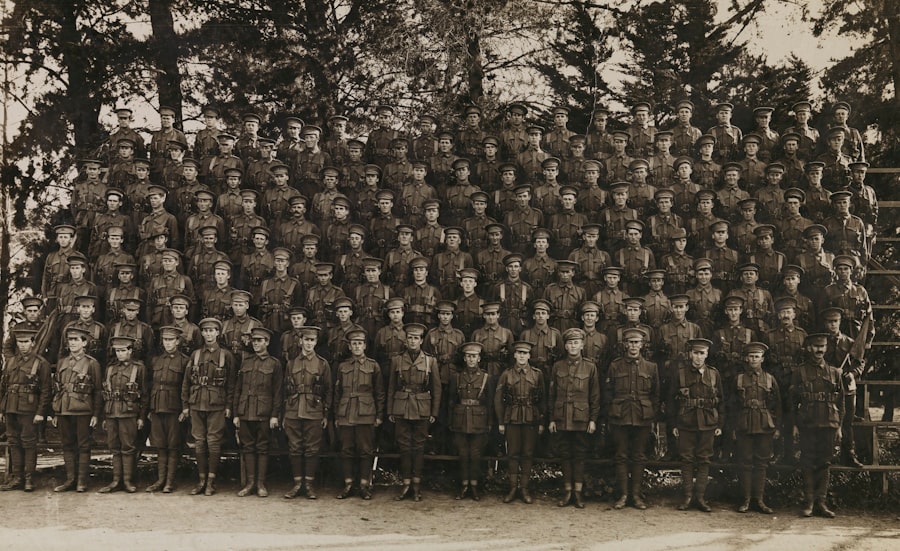
The effectiveness of Prussian discipline and strategy was inextricably linked to the quality of its officer corps. Prussian officers were not simply drawn from aristocratic privilege; they were expected to possess a combination of martial prowess, intellectual acumen, and an unwavering commitment to duty. This rigorous selection and training process ensured that they were capable of leading their men effectively in battle and of contributing to the formulation of sound military strategy.
The “Offizierskorps” as a Meritocracy (with caveats)
While aristocratic background remained a significant factor in officer appointments, Prussia increasingly embraced a degree of meritocracy within its officer corps. Talent, skill, and dedication were recognized, and opportunities for advancement were made available to those who demonstrated exceptional ability. This helped to ensure that the most capable individuals were in positions of command.
The Emphasis on Education and Training
Prussian officers underwent extensive education and training, both before and during their service. They were expected to be proficient in tactics, logistics, and the administration of their units. The aforementioned Kriegs-Akademie was instrumental in this regard, producing officers who were not only skilled soldiers but also astute strategists.
The Unwavering Loyalty to the Crown and State
A defining characteristic of the Prussian officer corps was their absolute loyalty to the Prussian monarchy and the Prussian state. This loyalty was not merely a matter of obligation but a deep-seated belief in the importance of the Prussian mission and the divine right of kings. This unwavering allegiance provided a stable and unifying force within the military.
The “Krügerschen Verordnungen” (Krüger Ordinances) and their Impact
Reforms in the mid-19th century, such as the Krüger Ordinances, further professionalized the officer corps. These reforms aimed to standardize training, improve promotion criteria, and ensure that officers possessed the necessary skills and knowledge to lead in modern warfare. They emphasized a more scientific and analytical approach to military matters, moving away from purely traditional methods.
The Prussian Infantry: The Backbone of the Army
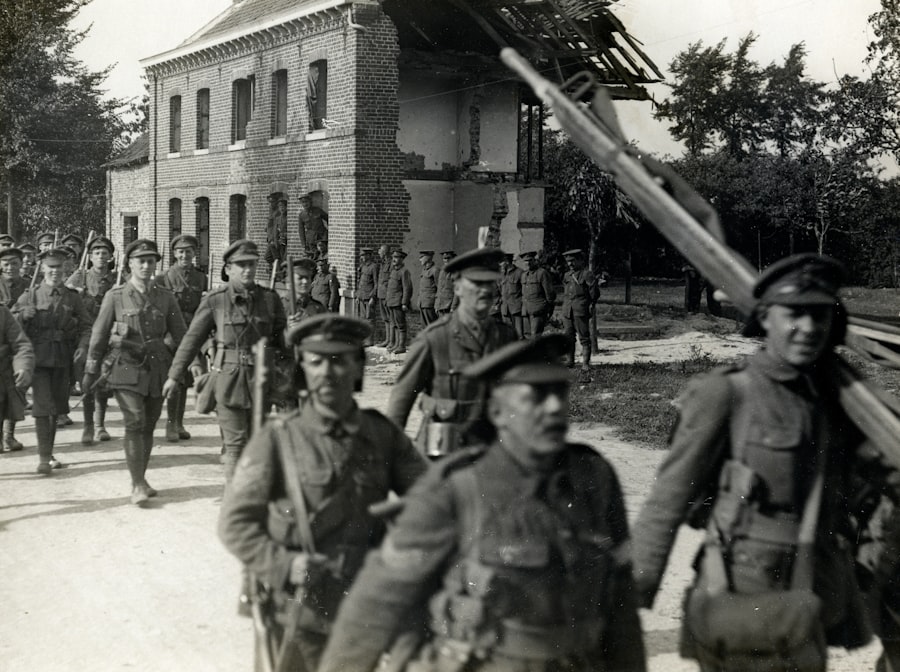
The Prussian infantry was renowned for its discipline, its unwavering morale, and its devastating firepower. They were the instrument through which much of Prussian strategic thinking was translated into battlefield reality. Their ability to advance in disciplined lines, to deliver volleys of fire with remarkable speed, and to maintain their cohesion under the most intense pressure was a key factor in Prussian victories.
The “Line Infantry” and its Doctrine
The traditional Prussian line infantry was trained to advance in dense formations, delivering coordinated volleys of fire. This doctrine, while seemingly vulnerable, was highly effective when combined with superior drill and discipline. The massed firepower of these formations could shatter enemy lines and overwhelm opponents who were less organized.
The “Volley Fire” and its Effectiveness
The emphasis on synchronized volley fire was a hallmark of Prussian infantry tactics. Soldiers were trained to load and fire their muskets in rapid succession, creating a continuous stream of bullets that could decimate attacking or defending enemy formations. This required immense discipline and coordination.
The “Fusiliers” and “Jäger” for Skirmishing and Reconnaissance
Alongside the line infantry, Prussia also fielded specialized units like the Fusiliers and Jäger. These troops were trained for skirmishing, reconnaissance, and independent operations. Their lighter equipment and greater mobility allowed them to harass enemy formations, gather intelligence, and provide support to the main body of the army.
The Role of Light Infantry in Modern Warfare
The integration of light infantry units recognized the evolving nature of warfare. These units were crucial for tasks that required more flexibility and initiative than the rigid formations of the line infantry could provide. They played an important role in screening advances, disrupting enemy communications, and exploiting battlefield opportunities.
The success of the Prussian Army can be attributed to various factors, including its innovative tactics, rigorous training, and effective leadership. A detailed analysis of these elements can be found in a related article that explores the military strategies that set the Prussian forces apart from their contemporaries. For a deeper understanding of this topic, you can read more about it in this insightful piece on military strategy. The combination of these factors not only contributed to their victories but also laid the groundwork for modern military practices.
The Prussian Artillery: A Force Multiplier
| Reasons for Prussian Army Success | Metrics |
|---|---|
| Discipline | High level of obedience and adherence to orders |
| Training | Extensive and rigorous military training |
| Leadership | Effective and experienced military leadership |
| Organization | Well-structured and efficient military organization |
| Strategy | Strategic planning and tactical flexibility |
The Prussian artillery was not merely a supporting arm; it was a powerful force multiplier that could shatter enemy formations, break defensive positions, and pave the way for infantry assaults. Prussian artillerymen were known for their accuracy, their rapid firing rates, and their ability to integrate seamlessly with other branches of the army.
The Development of Breech-Loading Rifled Cannon
A significant technological advancement that bolstered Prussian artillery power was the adoption of breech-loading, rifled cannon. This innovation allowed for faster reloading, greater accuracy, and a longer range compared to the muzzle-loading smoothbore cannons used by many of their adversaries.
Krupp’s Influence on Prussian Artillery
The adoption of artillery pieces manufactured by the Krupp company was a game-changer for the Prussian army. Krupp’s innovative designs and high-quality steel provided Prussian artillery with a distinct advantage in terms of range, accuracy, and reliability. This technological superiority allowed Prussian artillery to dominate enemy batteries and to inflict heavy casualties on enemy formations.
The Integration of Artillery with Infantry and Cavalry
Prussian artillery doctrine emphasized the close integration of artillery support with infantry and cavalry operations. Artillery was often positioned to provide direct fire support for advancing infantry, to break up enemy counter-attacks, or to cover retreats. This coordinated approach ensured that all branches of the army worked in concert to achieve battlefield objectives.
Combined Arms Warfare and its Advantages
The Prussian military pioneered the effective use of combined arms warfare. They understood that by coordinating the actions of infantry, cavalry, and artillery, they could create a synergistic effect that was far greater than the sum of its parts. This allowed them to overcome numerically superior enemies by applying overwhelming force at critical points.
In conclusion, the Prussian Army’s remarkable success was not a singular achievement but a multifaceted phenomenon. It was the product of an unyielding commitment to discipline, instilling in its soldiers an almost superhuman obedience and a mastery of battlefield maneuvers. This discipline was coupled with a strategic vision that prioritized speed, decisive action, and a deep understanding of the enemy. The quality of its officer corps, a blend of intellect and martial prowess, ensured that this vision was effectively translated into action. Furthermore, the integration of specialized units like light infantry and the decisive impact of its modernized artillery created a military machine that was both fearsome and remarkably adaptable. The Prussian Army’s legacy serves as a enduring testament to the power of disciplined execution married with strategic foresight, a formula that reshaped the landscape of European warfare.
The Military Machine That Didn’t Need a Napoleon
FAQs
1. What factors contributed to the success of the Prussian Army?
The success of the Prussian Army can be attributed to several factors, including its well-organized and disciplined structure, effective training and tactics, and strong leadership.
2. How did the Prussian Army’s training and tactics differ from other armies of the time?
The Prussian Army placed a strong emphasis on rigorous training, drill, and discipline, which set it apart from other armies of the time. It also developed innovative tactics, such as the use of rapid infantry movements and flexible formations.
3. What role did leadership play in the success of the Prussian Army?
The Prussian Army benefited from strong leadership, particularly from influential military leaders such as Frederick the Great and Helmuth von Moltke. These leaders implemented strategic reforms and modernized the army, contributing to its success.
4. How did the Prussian Army’s organizational structure contribute to its success?
The Prussian Army’s organizational structure was highly efficient, with clear lines of command and a focus on merit-based promotions. This allowed for effective coordination and communication on the battlefield, contributing to its success.
5. What impact did the success of the Prussian Army have on military tactics and strategy?
The success of the Prussian Army had a significant impact on military tactics and strategy, influencing the development of modern warfare. Its emphasis on training, discipline, and innovative tactics set a standard for military organizations around the world.