The chilling echoes of “Remember the Maine!” a rallying cry that fueled American entry into the Spanish-American War, resonate with unsettling familiarity when examining the classified documents declassified in the late 1990s concerning “Operation Northwoods.” While the historical narrative of the USS Maine’s explosion in Havana Harbor remains a subject of debate, the explicit planning of a false flag operation under Northwoods, intended to provoke a war, unveils a stark and disturbing truth about the extent to which some within the U.S. government were willing to manipulate public opinion and engage in manufactured conflict. This wasn’t merely a historical footnote; it was a blueprint for deception on a grand scale, a chilling testament to a darker, more Machiavellian undercurrent in American foreign policy deliberations.
The Genesis of a Deceptive Strategy
In the crucible of the Cold War, the United States found itself in a protracted ideological struggle with the Soviet Union. Cuba, under the charismatic leadership of Fidel Castro, had undergone a communist revolution in 1959, aligning itself with Moscow and establishing a hostile presence just 90 miles off the coast of Florida. This proximity, coupled with Castro’s nationalization of American businesses and his increasingly anti-American rhetoric, created a palpable sense of threat and unease within American political and military circles. The fear of communist expansion in the Western Hemisphere was a dominant concern, and various strategies were considered and, in some cases, implemented to counter this perceived threat.
The Bay of Pigs Fiasco and its Aftermath
The disastrous Bay of Pigs invasion in April 1961, a CIA-backed attempt to overthrow Castro, served as a brutal awakening for the Kennedy administration. The failure of the invasion exposed significant intelligence and planning flaws, emboldened Castro, and deepened his ties with the Soviet Union. The lingering animosity and the continued presence of a Soviet-aligned regime so close to American shores created a fertile ground for more extreme, and arguably, desperate measures. The desire to remove Castro, coupled with the broader anxieties of the Cold War, laid the psychological and political groundwork for proposals like Operation Northwoods.
Operation Northwoods and the infamous rallying cry “Remember the Maine” both serve as pivotal examples of how governments can manipulate public sentiment to justify military action. For a deeper understanding of these historical events and their implications, you can explore a related article that delves into the intricacies of government operations and public perception. Check it out here: In the War Room.
Unveiling Operation Northwoods: A Plan for Manufactured Crisis
Operation Northwoods, a series of proposals drafted in March 1962 by the Joint Chiefs of Staff, was a chillingly detailed plan to justify military intervention in Cuba. The documents, declassified in 1997, revealed a level of premeditation and a willingness to engage in extreme measures that shocked many historians and the public alike. The core of Northwoods was to create a pretext for war by staging attacks on U.S. soil and blaming Cuba. This was not a plan born out of desperation alone, but rather a calculated effort to manipulate public opinion and create a narrative that would garner widespread support for military action.
The Joint Chiefs of Staff and Their Motivations
The Joint Chiefs of Staff, at the time, were deeply concerned about the perceived threat posed by Castro’s regime. They viewed Cuba as a communist beachhead in the Americas, a potential staging ground for Soviet aggression, and a symbol of Soviet influence that they were determined to eradicate. The failure of the Bay of Pigs invasion had only amplified their frustration and their belief that a more decisive approach was necessary. They were operating within a broader context of Cold War paranoia, where the threat of communism was perceived as existential.
The Anti-Castro Sentiment Within the Military
A significant segment of the military and intelligence community harbored a deep-seated animosity towards Fidel Castro and his revolutionary government. They saw him as a direct affront to American interests and a destabilizing force in the region. This sentiment fueled a desire for action, and when conventional means proved ineffective, more unconventional and ethically questionable strategies began to emerge from the shadows of classified planning.
The Proposed Tactics: A Tapestry of Deception
The proposals within Operation Northwoods were not abstract ideas; they were concrete, albeit horrifying, tactical suggestions. The Joint Chiefs meticulously outlined a variety of scenarios designed to ignite public outrage and justify a declaration of war. These plans were characterized by their audaciousness and their blatant disregard for human life and international law.
Fabricating Terrorist Attacks
One of the most egregious proposals involved staging terrorist attacks within the United States and blaming Cuba. This included bombing civilian aircraft, staging attacks on military bases, and even assassinating Cuban refugees who had defected to the United States. The intention was to create a wave of fear and anger, a national trauma that would make the idea of retaliation seem not only justified but necessary.
The Hijacking of a Civilian Airliner
A particularly disturbing element of the plan was the suggestion of hijacking a civilian airliner, possibly a Pan American World Airways or a similar commercial flight, en route from the United States to Puerto Rico or Jamaica. The passengers would then be released, and the plane would be landed at an airbase in Florida. The incident would be portrayed as a Cuban-orchestrated act of terror, designed to sow fear and chaos.
The Bombing of a U.S. Military Facility
Another scenario involved the detonation of a bomb at an American military installation. This could be a naval base or an air force base, creating a tangible and undeniable act of aggression against the United States. The blame would, of course, be placed squarely on the shoulders of the Cuban government.
The Assassination of Cuban Exiles
Perhaps the most morally reprehensible proposal was the assassination of Cuban exiles who had come to the United States. The idea was to kill these individuals and then frame the Cuban government for their deaths. This would have been a particularly insidious act, preying on the existing animosity between Castro’s regime and those who had fled it, and using the exiled community as pawns in a deadly game.
The Downing of a U.S. Navy Ship
The Joint Chiefs also considered the possibility of staging an attack on a U.S. Navy ship in the vicinity of Cuba. This could involve faking a naval engagement or even deliberately sinking a vessel, further escalating tensions and creating a clear justification for military intervention.
The “Morgue” of Cuban Defectors
A chilling detail within the proposals was the suggestion of fabricating a “morgue” of Cuban defectors who would be assassinated and presented as victims of Cuban repression. This would have involved staging fake assassinations and then using the fabricated bodies to bolster the narrative of Cuban barbarity.
The Unseen Hand: The Role of Public Opinion and Propaganda
The architects of Operation Northwoods understood the profound power of public opinion and the role of propaganda in shaping national sentiment. Their plans were not simply about military action; they were about engineering consent for that action. The notion of “remembering the Maine” was a powerful historical precedent, demonstrating how a single, albeit disputed, event could galvanize a nation towards war. Northwoods aimed to replicate and amplify this phenomenon through deliberate deception.
The Power of the Media as a Tool
The proposals implicitly acknowledged the media’s crucial role in disseminating information and shaping public perception. The staged events were intended to be sensational enough to capture headlines and dominate news cycles, ensuring that the desired narrative of Cuban aggression would be widely accepted.
Controlling the Narrative
The overarching goal was to control the narrative, to paint Cuba as an unprovoked aggressor and the United States as a victim forced to defend itself. This would allow for a swift and decisive response, with minimal domestic opposition.
Operation Northwoods, a proposed plan by the U.S. Department of Defense in the early 1960s, aimed to create a pretext for military intervention in Cuba. This controversial operation has drawn parallels to historical events like the sinking of the USS Maine, which was used to justify the Spanish-American War. For a deeper understanding of the implications of such military strategies, you can explore a related article that discusses these events in detail. The article can be found here.
The Legacy of Operation Northwoods: A Scar on the Conscience
Operation Northwoods was ultimately not implemented. The documents reveal that President Kennedy, who had already been burned by the Bay of Pigs, was reportedly appalled by the proposals and rejected them outright. This fact, while offering a glimmer of hope, does little to diminish the disturbing implications of the plan itself. It exposed a dark willingness within some segments of the U.S. military and government to contemplate extreme measures, including the deliberate orchestration of death and destruction, to achieve their foreign policy objectives.
A Cautionary Tale for the Present and Future
The declassification of Operation Northwoods serves as a potent reminder of the importance of transparency and accountability in government. It highlights the dangers of unchecked power and the potential for even well-intentioned policies to be corrupted by the pursuit of national interests through morally bankrupt means. The echoes of “Remember the Maine!” and the chilling reality of Operation Northwoods urge a continuous vigilance against the allure of manufactured conflict and the seductive power of deception in shaping the course of nations. It is a chapter in history that demands not just remembrance, but a profound and ongoing examination of the ethical boundaries of statecraft.
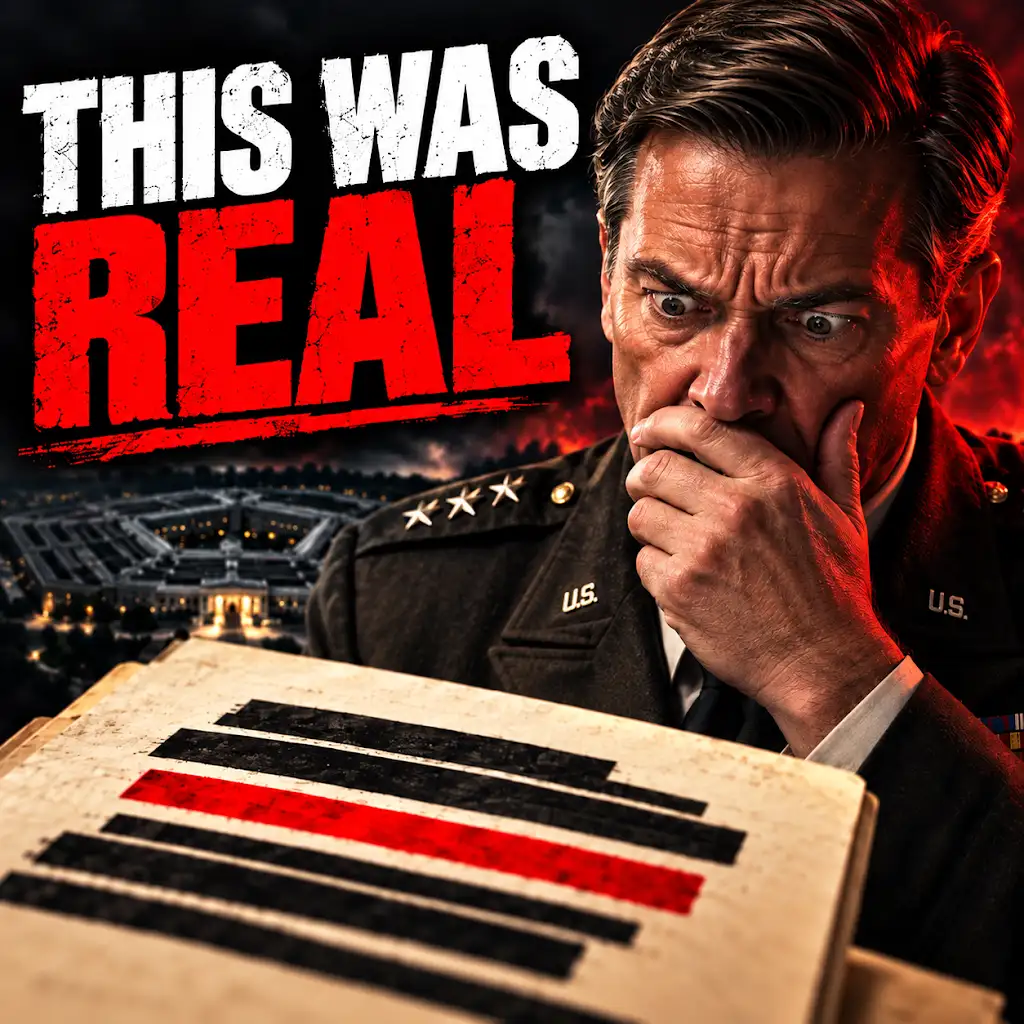
The Pentagon Plan to Fake an Attack on America—and Blame Cuba
FAQs

What was Operation Northwoods?
Operation Northwoods was a proposed false flag operation by the U.S. Department of Defense in 1962. It involved plans to stage terrorist attacks on U.S. soil and blame them on Cuba, in order to justify military intervention in Cuba.
What was the purpose of Operation Northwoods?
The purpose of Operation Northwoods was to create public support for a war against Cuba, by fabricating incidents that would portray Cuba as a threat to the United States.
Was Operation Northwoods approved and carried out?
No, Operation Northwoods was not approved or carried out. The plan was ultimately rejected by President John F. Kennedy and his administration.
What was the significance of the phrase “Remember the Maine” in relation to Operation Northwoods?
“Remember the Maine” refers to the rallying cry used during the Spanish-American War, which was based on the false belief that the USS Maine was sunk by the Spanish. This historical event was cited as a precedent for using a similar incident to justify military action, as proposed in Operation Northwoods.
What impact did the revelation of Operation Northwoods have on public perception of government actions?
The revelation of Operation Northwoods raised concerns about the potential for government deception and manipulation of public opinion. It led to increased scrutiny of government actions and a greater awareness of the potential for false flag operations.