The Cold War, a period defined by ideological conflict and proxy wars, was also a breeding ground for suspicion and elaborate strategies, none more chilling than the concept of a “false flag” operation. While often relegated to the realm of conspiracy theories, the reality of false flag proposals during this era is a stark reminder of the lengths to which superpowers would consider going to achieve their strategic objectives. These were not mere acts of espionage; they were meticulously planned deceptions designed to implicate an adversary in an attack or incident, thereby justifying a decisive response, often military, without the perpetrator bearing direct responsibility. Understanding these proposals requires delving into the psychology of fear, the mechanics of statecraft, and the ever-present threat of escalation that characterized the bipolar world.
The Cold War’s ideological chasm fostered an environment where each side viewed the other with deep-seated paranoia. The Soviet Union, a nation built on Marxist-Leninist principles and aiming for global revolution, was perceived by the West as an existential threat. Conversely, the West, led by the United States, was seen by Moscow as a capitalist imperialist power seeking to encircle and undermine socialist states. This pervasive distrust created fertile ground for the idea that any aggressive act could be a manufactured event.
The Psychology of Fear and Paranoia
The very nature of the Cold War – a struggle for global dominance fought through propaganda, espionage, and proxy conflicts – amplified existing fears. Citizens on both sides were bombarded with narratives that painted the opposing ideology as inherently evil and expansionist. This constant psychological pressure made populations more susceptible to believing their leaders when they claimed an enemy had launched an unprovoked attack.
The Impact of Propaganda
Propaganda machines on both sides of the Iron Curtain were highly effective at demonizing the adversary. News outlets, cinema, and public discourse were carefully managed to reinforce a particular worldview. This created an echo chamber where dissenting opinions were suppressed, and narratives of existential threat were consistently reinforced, making the idea of a “false flag” attack seem not only plausible but almost inevitable from the “other side.”
The Role of Intelligence Agencies
Intelligence agencies like the CIA and the KGB were at the forefront of this psychological warfare. Their clandestine operations, while often aimed at gathering information or influencing events, also laid the groundwork for the perception of a covert and deceptive enemy. The very existence of secret operations contributed to the atmosphere of suspicion, making it easier to believe that the enemy was capable of staging elaborate deceptions.
Statecraft and the Doctrine of Provocation
Beyond the psychological, false flag proposals were rooted in pragmatic, albeit Machiavellian, principles of statecraft. The idea was to create a casus belli – a justification for war – that was palatable to domestic audiences and the international community, while also serving the strategic interests of the instigating nation.
Creating a Casus Belli
The primary objective of a false flag operation was to manufacture a legitimate reason for retaliation. In the context of nuclear brinkmanship, a direct, unprovoked attack by one superpower on another would have been disastrous. A false flag provided a way to circumvent this, by appearing to be the victim of aggression, thus garnering international sympathy and justifying a military response.
Deniability and Strategic Advantage
The core appeal of a false flag was deniability. If an operation could be successfully executed and the blame convincingly pinned on the adversary, the true perpetrator could escape immediate retribution and potentially gain a significant strategic advantage. This was particularly attractive in situations where direct confrontation was too risky.
During the Cold War, the concept of false flag operations became a topic of intense debate and speculation, with various proposals suggesting that governments might orchestrate events to manipulate public perception and justify military actions. A related article that delves deeper into this subject is available at In The War Room, where it explores the historical context and implications of such tactics during this tumultuous period.
Documented Proposals: The Shadows of Operation Northwoods
While the existence of false flag proposals is undeniable, it is crucial to distinguish between proposals and actual executed operations. The most famous and well-documented example of a false flag proposal comes from the United States during the early years of the Cold War.
Operation Northwoods: A Chilling Blueprint for Deception
In March 1962, the Joint Chiefs of Staff of the United States proposed a series of covert operations to provoke a conflict with Cuba. These proposals, later declassified, revealed a chilling willingness to stage attacks on American soil and innocent civilians to create a pretext for invading Cuba.
The Rationale Behind Northwoods
The rationale behind Operation Northwoods was to create a public outcry and political pressure that would force the US government to take decisive action against Fidel Castro’s communist regime. The Joint Chiefs argued that the existing justifications for intervention were insufficient and that a more dramatic event was needed to galvanize public support.
The Threat of Cuban Influence
Cuba, under Castro, had become a potent symbol of communist expansion in the Western Hemisphere. Its proximity to the United States and its alignment with the Soviet Union posed a significant strategic and ideological challenge. The US government was determined to remove Castro from power, but the international political climate and the potential for Soviet retaliation made a direct invasion a highly risky endeavor.
The Perceived Inadequacy of Current Justifications
Despite numerous incidents involving Cuba, such as the Bay of Pigs fiasco and ongoing propaganda battles, the Joint Chiefs felt that the existing justifications for a full-scale invasion were weak. They believed that a fabricated event would provide the necessary “proof” of Cuban aggression and hostility, thus justifying a military response.
The Proposed Scenarios: A Catalogue of Atrocities
Operation Northwoods outlined a disturbing array of potential scenarios, including:
Hijacking of Civilian Aircraft
One of the most audacious proposals involved hijacking an American civilian airliner, crashing it into Cuba, and then fabricating evidence that Castro’s government was responsible. This would have resulted in the deaths of innocent American citizens, with the explicit intention of blaming Cuba.
Staged Terrorist Attacks in US Cities
The Joint Chiefs also proposed orchestrating terrorist attacks in cities like Miami, Washington D.C., or New York. These attacks would have been carried out by fake Cuban terrorists, complete with planted evidence, to further inflame public opinion and demand a strong governmental response against Cuba.
Sinking of a US Naval Vessel
Another chilling suggestion was to stage an attack on a US naval vessel, potentially a destroyer, in the waters near Cuba. The attack would have been blamed on Cuba, creating a maritime incident that could have escalated into a broader conflict.
Fabricated Attacks on US Military Installations
The proposals also included the possibility of staging attacks on US military installations, such as Guantanamo Bay, using “Cuban” forces. This would have directly involved American military personnel and facilities, creating a clear and undeniable act of aggression.
The Rejection of Northwoods: A Glimmer of Restraint?
Remarkably, Operation Northwoods was ultimately rejected by the Kennedy administration. While the exact reasons for rejection are debated, it is believed that President Kennedy and his advisors were unwilling to sanction such a morally reprehensible and potentially catastrophic plan. The sheer barbarity of the proposals, which would have involved the deliberate killing of American citizens, likely played a significant role.
The Role of Secretary of Defense Robert McNamara
While the ultimate decision rested with the President, Secretary of Defense Robert McNamara is often credited with recognizing the extreme nature of the proposals and pushing for their rejection. His pragmatic approach and understanding of the potential for uncontrolled escalation may have been instrumental.
The Risk of International Condemnation
Even if successful in its immediate goals, a false flag operation of this magnitude would have carried immense risks of international condemnation and exposure. The potential for a leak or subsequent investigation to reveal the truth would have been devastating for American credibility.
Beyond Northwoods: Rumors and Speculation
While Operation Northwoods remains the most concrete example of a false flag proposal, the Cold War was replete with rumors and speculation about similar machinations by both sides. The nature of clandestine operations means that many such plans may have existed but were never declassified or have remained hidden in the archives of intelligence agencies.
Allegations Against the Soviet Union
The Soviet Union, with its own history of covert operations and its pervasive influence over Eastern Bloc intelligence services, was frequently accused of employing false flag tactics. However, concrete evidence to support these allegations is often scarce and subject to the same political biases that permeated the Cold War.
The Role of KGB and Soviet Bloc Intelligence
The KGB, and its associated intelligence agencies in countries like East Germany and Czechoslovakia, were known for their sophisticated methods of deception and provocation. While specific false flag proposals are less documented than those from the US, the methods employed in their broader operations suggest a capacity and willingness for such tactics.
The Iron Curtain as a Veil of Secrecy
The tightly controlled information environment behind the Iron Curtain made it incredibly difficult to verify or debunk any claims of Soviet false flag operations. This secrecy, while a tool for the Soviet regime, also fueled suspicion and made it easier for the West to attribute untoward events to Soviet machinations.
Allegations Against the United States
Conversely, the United States was also the subject of accusations, particularly concerning events in regions where its influence was strong or where it sought to destabilize hostile regimes.
The CIA’s Covert Operations
The CIA, notorious for its extensive and often controversial covert operations, was a natural target for such accusations. Its mandate included a wide range of activities, from propaganda and political subversion to paramilitary operations, which could easily blur the lines into the realm of deception.
The Domino Theory and Interventionism
The prevailing “domino theory” – the belief that if one nation fell to communism, others would follow – fueled a proactive and often interventionist US foreign policy. This proactive stance, combined with a desire to appear as the defender of freedom, could have created incentives for staging incidents to justify intervention.
The Psychological Warfare Dimension
False flag proposals were not just about military or political strategy; they were deeply intertwined with psychological warfare. The goal was not only to provoke a physical response but also to manipulate public opinion and shape perceptions on a global scale.
Manufacturing Consent and Justifying Intervention
The most significant psychological impact of a successful false flag would be the manufacturing of consent for war or aggressive action. By presenting a clear enemy and a fabricated act of aggression, leaders could rally their populations and legitimize their actions in the eyes of the world.
The “Pearl Harbor” Effect
The ultimate aim was often to create a situation akin to the attack on Pearl Harbor – an event so shocking and unambiguously hostile that it united a nation and galvanized it for war. The hope was to achieve this effect without the genuine, devastating consequences of a surprise attack from a recognized enemy.
Manipulating International Opinion
Beyond domestic audiences, false flag operations were designed to influence international opinion. By presenting a seemingly undeniable act of aggression by the adversary, the instigating nation could seek international condemnation of the enemy and garner support for its own actions from allies and neutral parties alike.
Undermining Trust and Fostering Division
On the flip side, the very threat of false flag operations, or the successful execution of them, could be used to undermine trust and foster division. If one side could convincingly blame the other for atrocities, it could sow discord and weaken alliances.
The Erosion of Diplomatic Channels
When every hostile act is suspected of being a deception, the channels for diplomacy and de-escalation begin to erode. This can lead to a more volatile and unpredictable international environment, where miscalculation is more likely.
The Perpetuation of the Security Dilemma
False flag proposals and operations are a potent manifestation of the security dilemma, where actions taken by one state to increase its security are perceived as a threat by another, leading to a cycle of fear and counter-measures. In the Cold War, this cycle was amplified by the constant suspicion of deception.
During the Cold War, the concept of false flag operations became a topic of intense debate, as various nations engaged in covert actions that often blurred the lines between truth and deception. A fascinating exploration of this subject can be found in a related article that delves into the historical context and implications of these proposals. For those interested in understanding the intricate strategies employed during this tense period, the article provides valuable insights into how misinformation was used as a tool for political maneuvering. You can read more about it in this detailed analysis.
The Legacy of Suspicion and the Dangers of Deception
| Proposal | Year | Country | Outcome |
|---|---|---|---|
| Operation Northwoods | 1962 | United States | Rejected by President Kennedy |
| Operation Gladio | 1956-1991 | Europe | Involved in various false flag operations |
| Operation INFEKTION | 1980s | Soviet Union | Disinformation campaign |
The existence of documented false flag proposals like Operation Northwoods serves as a stark warning about the ethical boundaries that can be crossed in the name of national security and ideological struggle. It underscores the importance of transparency, robust oversight of intelligence agencies, and a commitment to factual reporting in preventing such horrors.
The Enduring Impact on Public Trust
The knowledge that such plans were seriously considered can have an enduring impact on public trust in governments and intelligence agencies. It fuels skepticism and can make it harder for citizens to accept official narratives, particularly during times of crisis.
The Importance of Independent Verification
In an era where information can be easily manipulated, the need for independent verification of events and official statements is paramount. Without robust mechanisms for fact-checking and accountability, the potential for deception remains a significant threat.
The Ethical Imperative of Restraint
The Cold War’s legacy of suspicion and near-catastrophe highlights the ethical imperative of restraint. The pursuit of strategic advantage must be balanced with a profound respect for human life and the principles of international law. False flag proposals, by their very nature, violate these principles, representing a descent into morally bankrupt tactics. The study of these proposals is not merely an academic exercise; it is a critical lesson in the dangers of unchecked power, pervasive fear, and the enduring allure of deception in international relations.
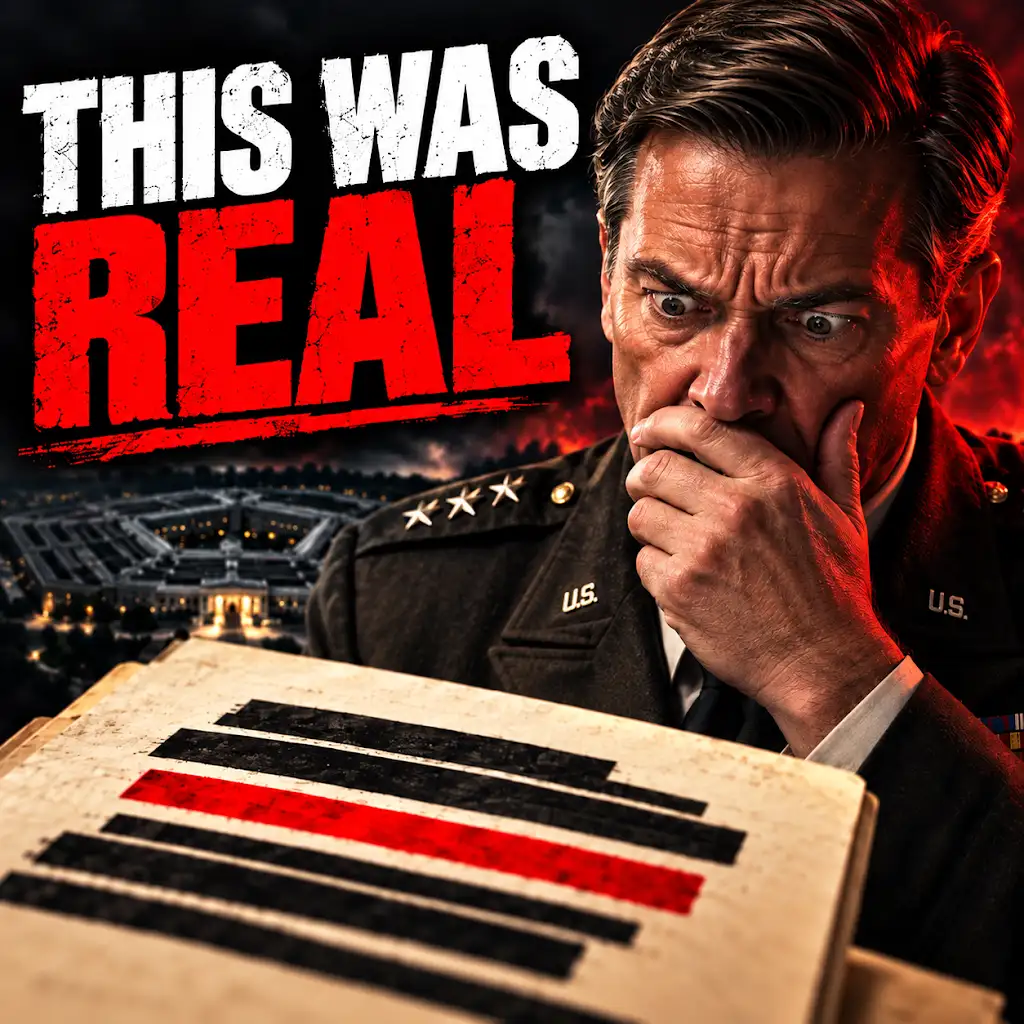
The Pentagon Plan to Fake an Attack on America—and Blame Cuba
FAQs
What is a false flag proposal in the context of the Cold War?
A false flag proposal in the context of the Cold War refers to a covert operation in which a government stages an attack or other event and makes it appear as though it was carried out by another entity, such as a rival country or political group. The goal of such a proposal is typically to justify military action or other aggressive measures against the falsely accused party.
Can you provide an example of a false flag proposal during the Cold War?
One example of a false flag proposal during the Cold War is the Operation Northwoods, a plan developed by the U.S. Department of Defense in the early 1960s. The plan involved staging terrorist attacks in the United States and blaming them on Cuba in order to justify military intervention in the country.
What were the motivations behind false flag proposals during the Cold War?
The motivations behind false flag proposals during the Cold War varied, but they often revolved around creating a pretext for military action or other aggressive measures against perceived enemies. These proposals were driven by geopolitical tensions, ideological conflicts, and the desire to gain strategic advantages in the global power struggle between the United States and the Soviet Union.
How were false flag proposals carried out during the Cold War?
False flag proposals during the Cold War were typically carried out through covert operations orchestrated by intelligence agencies and military organizations. These operations involved careful planning, deception, and the manipulation of information to create the appearance of an attack or event carried out by a particular enemy, even though it was actually orchestrated by the proposing party.
What are the implications of false flag proposals during the Cold War?
The implications of false flag proposals during the Cold War are significant, as they demonstrate the lengths to which governments were willing to go in order to achieve their strategic and ideological objectives. These proposals also raise questions about the ethics of using deception and manipulation to justify military action and the potential for such tactics to escalate tensions and lead to conflict.