The history of nations is often punctuated by acts of courage and strategic brilliance, but it is also marked by moments that delve into darker, more complex ethical territories. Among these, Operation Northwoods stands out as a particularly unsettling testament to the lengths some might consider going to achieve perceived national security objectives. This clandestine proposal, hatched by the United States Joint Chiefs of Staff in 1962, envisioned a series of provocations against Cuba, designed to generate public support for a full-scale invasion. The sheer audacity and chilling nature of these plans, which involved orchestrating attacks on American soil and blaming them on Cuban forces, offer a stark and disturbing insight into the mindset of military planners during a period of intense Cold War tension.
The Genesis of a Controversial Proposal
The early 1960s were a time of heightened geopolitical anxiety. The Cuban Revolution, led by Fidel Castro and aligning itself with the Soviet Union, had created a communist stronghold just off the coast of Florida. This proximity was viewed with extreme alarm by the American government, particularly by military strategists who saw it as an unacceptable threat to national security and a potential staging ground for Soviet aggression. The Bay of Pigs invasion in 1961, a failed attempt by the CIA to overthrow Castro, had only exacerbated this tension, leaving the United States feeling vulnerable and Castro more entrenched than ever.
It was within this charged atmosphere that the Joint Chiefs of Staff began to explore unconventional and, to many, morally reprehensible solutions. Their primary objective was to find a pretext for military action against Cuba. The existing diplomatic and covert actions had proven insufficient, and a desire for a more decisive, forceful approach began to take root within the highest echelons of the U.S. military. Operation Northwoods emerged as a direct response to this perceived impasse, a meticulously detailed plan to manufacture consent for war through a series of staged incidents. The underlying logic, however flawed and ethically bankrupt, was that a sufficiently dramatic and public display of Cuban aggression would galvanize the American public and Congress, making an invasion politically palatable, if not inevitable.
The Cold War Crucible: A Climate of Fear and Suspicion
The global landscape of the early 1960s was dominated by the Cold War. The ideological struggle between the United States and the Soviet Union, along with their respective allies, fueled a pervasive sense of fear and suspicion. The arms race, the proxy wars, and the constant threat of nuclear annihilation created a psychological environment where extraordinary measures were not only considered but actively debated. Cuba, with its newfound alignment with the Eastern Bloc, became a focal point of this anxiety. The missile crisis of 1962, a direct confrontation that brought the world to the brink of nuclear war, underscored the perceived danger of a Soviet-aligned Cuba.
Post-Bay of Pigs Frustration: A Need for Decisive Action
The failure of the Bay of Pigs invasion had a profound impact on American foreign policy and military planning. It exposed weaknesses in intelligence gathering, operational execution, and political will. For the Joint Chiefs, it represented a missed opportunity and a clear indication that less direct approaches were insufficient to dislodge Castro’s regime. There was a palpable frustration with the status quo, a desire to move beyond what they considered incremental and ineffective measures. Operation Northwoods can be seen, in part, as a product of this frustration, a desperate attempt to find a “smoking gun” – or, in this case, a manufactured one – that would justify a more aggressive stance.
Operation Northwoods was a proposed plan by the Joint Chiefs of Staff in the early 1960s that aimed to create a pretext for military intervention in Cuba. This controversial operation included various strategies, such as staging false-flag attacks on American citizens and military installations. For a deeper understanding of the implications and historical context surrounding Operation Northwoods, you can read a related article on the topic at In The War Room.
The Disturbing Details of the Proposal
Operation Northwoods was not a vague suggestion; it was a comprehensive and disturbingly detailed document outlining a variety of scenarios. The proposals were presented in a memorandum from the Joint Chiefs of Staff to the Secretary of Defense, Robert McNamara, dated March 13, 1962. The document, declassified in 1997, reveals a chilling willingness to engage in acts of terrorism and deception on American soil. The overarching goal was to create a compelling narrative of Cuban hostility that would force the hand of the American government.
The proposed actions ranged from relatively minor acts of sabotage to more extreme acts of violence. The common thread was the careful orchestration to ensure that the blame would fall squarely on Cuba. This included the meticulous planning of “evidence” and the establishment of false narratives to support the fabricated aggression. The chilling aspect was not just the idea of using deception, but the extent to which it was envisioned, including the potential loss of American lives.
Scenario A: Commencing the Campaign of Terror
The most infamous and disturbing aspect of Operation Northwoods involved the proposal to stage terrorist attacks in the United States. These attacks were designed to be significant enough to elicit a strong public outcry and a demand for retribution. The details within the memorandum are stark:
Hijacking and Bombing of Civilian Aircraft
One of the most shocking proposals involved hijacking commercial airliners, potentially with passengers aboard, and then crashing them into Cuba or staging them to appear as if they had been attacked by Cuban forces. The goal was to create a national tragedy and directly link it to Cuban aggression. This would have involved the potential loss of innocent American lives, a fact that the planners seemed to have rationalized as a necessary sacrifice for a greater strategic objective. The memorandum even suggested that the victims could be from a “university campus” or a “holiday crowd” to maximize public outrage.
Faking a Harbor Attack
Another scenario envisioned fabricating an attack on a U.S. naval base or a civilian harbor. This could have involved using naval vessels to simulate an attack or even detonating explosives to create the illusion of damage. The intent was to create a visual and visceral demonstration of Cuban hostility, a clear act of war that would demand a forceful response. The proposal specifically mentioned using a naval vessel to stage a mock attack on the U.S. fleet in Guantanamo Bay, further blurring the lines of deception.
Inciting Riots and Civil Unrest
The plan also included suggestions for inciting riots and civil unrest in Cuban-American communities or even in major American cities. This would have been done to create an atmosphere of instability and chaos, which could then be blamed on Cuban agents attempting to destabilize the United States from within. The objective was to foster a pervasive sense of fear and insecurity, making the public more receptive to the idea of military intervention.
Scenario B: The Use of Proxies and Deception
Beyond direct provocations, Operation Northwoods also considered more indirect methods of creating a pretext for war. The Joint Chiefs were acutely aware that direct U.S. military action without a clear provocation would be politically difficult. Therefore, the plan involved creating situations where Cuba would appear to be the aggressor, even if the actions were orchestrated by the United States.
Attacking a U.S. Vessel in International Waters
The proposal included the idea of attacking a U.S. naval vessel in international waters and attributing the attack to Cuban forces. This would have been a clear violation of international law and a direct act of aggression, providing a casus belli. The memorandum suggested using a captured Cuban vessel or a disguised U.S. vessel to carry out the attack, further enhancing the deception.
Sabotaging U.S. Facilities and Blaming Cuba
The plan also suggested the possibility of sabotaging U.S. military installations or civilian infrastructure and then planting evidence to implicate Cuban operatives. This could have involved anything from minor acts of sabotage to more significant acts of destruction, all designed to create a narrative of ongoing Cuban aggression and a threat to American security.
The Rejection and its Implications
Remarkably, Operation Northwoods was not enacted. The proposals were met with skepticism and ultimately rejected by high-level civilian leadership, most notably by Secretary of Defense Robert McNamara and President John F. Kennedy. While the exact reasons for the rejection are not fully documented, it is widely believed that the ethical implications and the extreme nature of the plans were a significant factor. The idea of orchestrating attacks on American citizens and soil, even to achieve a perceived national security goal, was too far for even the most hawkish among them to stomach.
The rejection of Operation Northwoods, however, does not diminish the significance of its existence. It serves as a chilling reminder of the extreme measures that were considered by some within the U.S. military during a period of intense geopolitical pressure. It highlights the potential for unchecked military power to contemplate actions that are deeply antithetical to democratic values and international norms.
McNamara’s Scrutiny: A Voice of Reason?
Robert McNamara, the Secretary of Defense at the time, played a crucial role in the eventual shelving of Operation Northwoods. While his exact internal deliberations are not fully detailed, the fact that the proposals were presented to him and subsequently rejected indicates that he, at least, saw the profound ethical and strategic flaws in the plan. His role in questioning and ultimately dismissing these extreme measures is a point of historical interest, suggesting a degree of restraint and adherence to principles even in the face of immense pressure.
The President’s Oversight: Upholding Democratic Norms
The ultimate authority on such matters rested with President John F. Kennedy. While direct presidential involvement in the initial contemplation of the operation is not explicitly stated, any such plan would have ultimately required his approval. The fact that the operation never materialized strongly suggests that it did not gain traction at the highest levels of government, indicating a commitment, at least at that moment, to maintaining a certain ethical boundary and avoiding such extreme and deceptive tactics.
The Unveiling and the Public Reaction
The declassification of the Operation Northwoods documents in 1997 sent shockwaves through the public and historical communities. For many, it was a startling revelation that the U.S. government had seriously contemplated such a deceitful and violent course of action. The revelations sparked widespread debate about the nature of national security, the ethics of covert operations, and the potential for military planning to stray into morally ambiguous territory.
The public reaction was largely one of disbelief and outrage. The idea that the U.S. government might have been willing to sacrifice its own citizens to justify a military intervention was deeply disturbing. It raised questions about the trustworthiness of government institutions and the transparency of their decision-making processes, particularly in matters of war and peace.
A Shadow on American Foreign Policy
Operation Northwoods casts a long shadow on the perception of American foreign policy. While often lauded for its promotion of democracy and human rights, this episode serves as a stark reminder that the pursuit of national interests can, at times, lead to the contemplation of actions that are morally questionable and deeply concerning. It forces a re-examination of historical narratives and a more nuanced understanding of the complexities and ethical challenges inherent in international relations.
The Importance of Transparency and Oversight
The declassification of Operation Northwoods underscores the vital importance of transparency and robust oversight in government. The fact that these plans remained hidden for decades before being brought to light highlights the dangers of unchecked power and the need for mechanisms that ensure accountability. The public’s right to know about the actions and considerations of their government is paramount, particularly when those actions could have profound implications for domestic and international affairs.
Operation Northwoods, a plan proposed by the Joint Chiefs of Staff in the early 1960s, aimed to create a pretext for military intervention in Cuba through a series of covert actions. This controversial proposal has sparked significant debate over the ethics of government-sanctioned deception. For those interested in exploring the broader implications of such military strategies, a related article can be found here, which delves into the historical context and consequences of similar operations throughout history.
Lessons Learned (or Should Have Been)
The legacy of Operation Northwoods is a somber one, offering a stark lesson about the potential for extreme thinking within military and intelligence circles, especially during times of perceived national crisis. While the plans were ultimately rejected, their mere existence serves as a cautionary tale. It highlights the importance of:
The Ethical Compass in National Security
Operation Northwoods is a potent reminder that the pursuit of national security must always be guided by a strong ethical compass. The ends, however justifiable they may seem in theory, cannot always justify the means, especially when those means involve deception, violence, and the potential sacrifice of innocent lives. The proposal demonstrated a willingness to erode fundamental moral principles in the name of strategic advantage, a dangerous precedent that must be vigilantly guarded against.
The Dangers of Unchecked Military Power
The Joint Chiefs of Staff are entrusted with the defense of the nation, but this power must always be subject to civilian oversight and democratic accountability. Operation Northwoods suggests a scenario where military planning could become detached from broader societal values and ethical considerations. The existence of such a plan, even if never executed, raises questions about the internal checks and balances that are in place to prevent such extreme proposals from gaining traction.
Operation Northwoods remains a disturbing chapter in American history, a chilling testament to the difficult ethical choices and complex pressures that can arise during times of international tension. It serves as a potent reminder that the pursuit of security can, at times, lead down dark and dangerous paths, and that vigilance, transparency, and an unwavering commitment to ethical principles are essential safeguards for any nation.
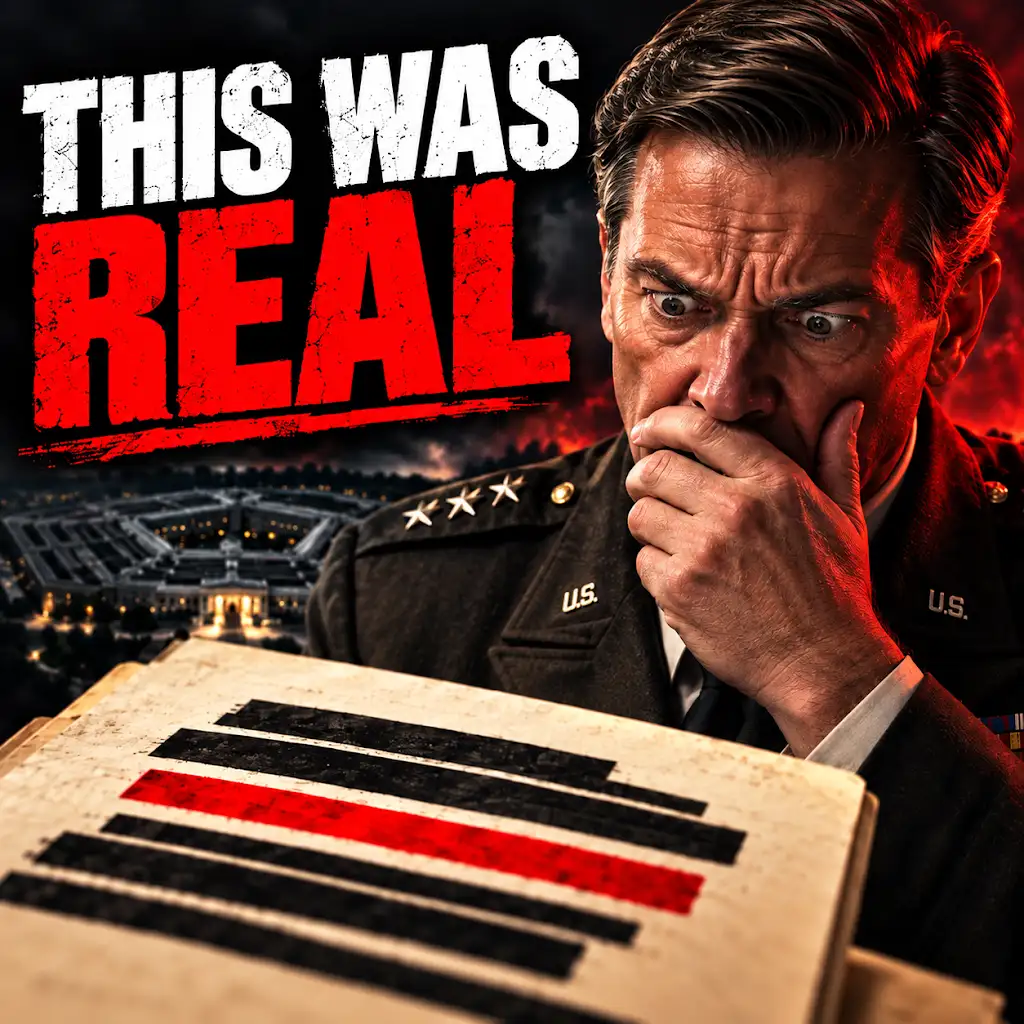
The Pentagon Plan to Fake an Attack on America—and Blame Cuba
FAQs

What is Operation Northwoods?
Operation Northwoods was a proposed false flag operation by the United States government in the early 1960s. It involved plans to stage terrorist attacks on US soil and blame them on Cuba in order to justify military intervention.
Who proposed Operation Northwoods?
The plan was proposed by the Joint Chiefs of Staff, the highest-ranking military officers of the United States Department of Defense, in 1962.
Was Operation Northwoods put into action?
No, Operation Northwoods was never put into action. The plan was ultimately rejected by President John F. Kennedy.
What were the proposed actions in Operation Northwoods?
The proposed actions included hijacking planes, sinking boats, and orchestrating bombings in US cities, as well as creating fake evidence to blame Cuba for these attacks.
What was the purpose of Operation Northwoods?
The purpose of Operation Northwoods was to create public support for a war against Cuba, which was seen as a threat to US interests at the time. The plan aimed to manipulate public opinion and justify military intervention.