The night of May 2, 2011, remains etched in the collective memory of a world holding its breath. It was the culmination of years of relentless intelligence gathering, meticulous planning, and the unwavering resolve of elite special operations forces. The target: Osama bin Laden, the architect of global terror, residing in a fortified compound in Abbottabad, Pakistan. This operation, codenamed “Geronimo,” was not merely a military strike; it was a complex symphony of human courage, technological prowess, and strategic brilliance, designed to achieve an almost impossible objective with minimal collateral damage and maximum operational security.
The Genesis of Operation Geronimo: A Long and Winding Road
The hunt for Osama bin Laden had been a defining pursuit for the United States and its allies since the horrific attacks of September 11, 2001. For over a decade, intelligence agencies worked tirelessly, piecing together fragments of information, pursuing leads across continents, and navigating the labyrinthine complexities of international relations. The ultimate breakthrough, the pinpointing of bin Laden’s likely location in Abbottabad, was not a sudden revelation but the result of sustained, painstaking effort.
The Shadow Network: Unraveling the Human Intelligence Puzzle
The initial seeds of the Abbottabad compound’s discovery were sown in the whispers and shadows of the intelligence world. The painstaking efforts to infiltrate bin Laden’s inner circle, identify his couriers, and understand his operational security were crucial. This was a game of patience, where a single piece of information, seemingly insignificant on its own, could unlock a much larger puzzle.
Interrogations and Denials: The Persistent Search for the Kingpin
Following the initial revelations about Al-Qaeda’s operational structure, intelligence agencies focused on identifying key individuals who might have direct access to bin Laden. Interrogations of captured operatives, while often yielding fragmented or misleading information, gradually built a picture of a clandestine network designed to protect its leader at all costs. This was a world of coded language, hidden movements, and a deeply ingrained culture of secrecy.
The Courier’s Trail: A Critical Lead Emerges
One of the most significant breakthroughs came with the identification and subsequent tracking of a trusted courier who was believed to be in direct communication with bin Laden. This individual, whose identity remained classified for years, led intelligence analysts to the Abbottabad compound. The sheer audacity of bin Laden to reside in such a prominent, albeit fortified, location in a supposedly friendly nation was a shock, but it also presented a unique opportunity.
The Intelligence Cycle: From Suspicion to Certainty
The intelligence gathered regarding the Abbottabad compound was subjected to an intense and rigorous vetting process. Analysts worked around the clock, cross-referencing information from various sources, including signals intelligence, human intelligence, and satellite imagery. The goal was to move from a high probability of bin Laden’s presence to a level of certainty that would justify such a high-stakes operation.
Satellite Surveillance: A Glimpse into the Fortress
Advanced satellite imagery provided crucial visual confirmation of the compound’s unusual features. Its high walls, reinforced gates, and the absence of external communication lines suggested a deliberate attempt at concealment and security. The sheer size of the compound, relative to its neighbors, also raised suspicions.
Human Intelligence on the Ground: Confirming the Unseen
While satellite imagery offered a broad overview, human intelligence played a vital role in filling in the details. Informants, whose identities are still closely guarded secrets, provided critical information about the daily routines within the compound and the individuals who frequented it. This allowed analysts to corroborate the findings from other intelligence streams.
The Abbottabad raid, which resulted in the death of Osama bin Laden, has been a focal point for discussions on special operations and counter-terrorism strategies. For a deeper understanding of the intricacies involved in such high-stakes missions, you can refer to the related article that explores various aspects of special operations in detail. This article provides insights into the planning, execution, and implications of the raid, making it a valuable resource for anyone interested in military tactics and operations. To read more, visit this link.
The Art of Precision: Crafting the Operational Plan
Once the certainty of bin Laden’s location was established, the focus shifted to the execution of the raid. This was not a decision taken lightly. The geopolitical implications, the potential for casualties, and the immense risk involved necessitated an extraordinarily detailed and meticulously planned operation. The Joint Special Operations Command (JSOC) was tasked with this monumental undertaking.
Risk Assessment and Mitigation: Weighing the Unforeseen
Every conceivable scenario was analyzed, from the compound’s defenses and the potential for booby traps to the reaction of Pakistani authorities and the possibility of collateral damage. The plan had to account for the unexpected, for the moment when theory met reality, and for the inherent chaos of a clandestine operation in hostile territory.
The Stealthy Approach: Navigating Airspace and Defenses
The raid relied on a precisely orchestrated helicopter insertion. The choppers had to navigate Pakistani airspace undetected, avoid radar, and approach the compound under the cover of darkness. The low-altitude flight and the use of specialized aircraft were critical to maintaining surprise.
The Compound’s Layout: A Tactical Blueprint
Understanding the internal layout of the compound was paramount. Detailed reconnaissance, including floor plans derived from intelligence, allowed the assault team to plan their entry points, the sequence of clearing rooms, and the most efficient routes for achieving their objective.
The Night of the Raid: Echoes of Fury and Precision
The operation began on the evening of May 1, 2011, with the launch of two specialized MH-60 Black Hawk helicopters and two CH-47 Chinook helicopters from Afghanistan. The pilots navigated a complex and perilous route, maintaining radio silence and relying on advanced navigation systems. The element of surprise was their greatest weapon.
The Approach and Insertion: A Whisper in the Darkness
As the helicopters neared the Abbottabad compound, the tension in the air was palpable. The low-flying aircraft were designed to minimize detection. The lead helicopters, equipped with specialized stealth technology, executed a precise hover and deployed the assault team.
Breaching the Walls: A Calculated Entry
The SEALs, the elite naval special warfare operators, initiated their breach of the compound’s outer wall. The method of entry was designed to be swift and decisive, minimizing the time exposed to potential fire. Explosives and specialized breaching tools were employed to overcome the formidable defenses.
Clearing the Compound: Room by Room, Objective by Objective
Once inside, the SEALs moved with practiced precision, clearing each building and room methodically. The operation was conducted under intense pressure, with the knowledge that bin Laden was likely present and could resist. The team’s training and discipline were put to the ultimate test.
The Abbottabad raid, a pivotal moment in the fight against terrorism, has been analyzed extensively in various articles, shedding light on the intricacies of special operations. For those interested in a deeper understanding of the tactics and strategies employed during this mission, a related article can be found at In The War Room, which provides a comprehensive overview of the planning and execution involved in such high-stakes operations. This resource offers valuable insights into the complexities faced by special forces and the implications of their actions on global security.
The Confrontation: The Climax of a Decade-Long Hunt
The SEALs encountered resistance within the compound. Bin Laden, alerted to the intrusion, was found on the third floor of the main building. The confrontation was brief but intense. The objective was clear: apprehend or neutralize the target.
The Shot Heard Around the World: The Neutralization of Bin Laden
In a swift and decisive engagement, Osama bin Laden was shot and killed by SEALs. The iconic image of a silenced world was a testament to the successful completion of the primary objective. The raid, however, was far from over.
Securing the Evidence: A Treasure Trove of Intelligence
The SEALs did not just leave after neutralizing the target. They meticulously searched the compound, collecting a significant amount of intelligence material. This included computers, hard drives, documents, and other media that would prove invaluable in understanding Al-Qaeda’s current operational capabilities and future plans. This was a critical secondary objective that significantly enhanced the value of the raid beyond the elimination of bin Laden himself.
The Aftermath: Geopolitical Ripples and Unanswered Questions
The immediate aftermath of the Abbottabad raid was a global sensation. The news of bin Laden’s death sent shockwaves across the world, sparking celebrations in some quarters and condemnation in others. The operation, while lauded by many as a triumph, also raised significant questions about international law, sovereignty, and the implications of unilateral military action.
The Unveiling of Secrets: What the Compound Revealed
The intelligence gathered from the Abbottabad compound provided a unprecedented glimpse into the inner workings of Al-Qaeda. It revealed the organization’s operational plans, its financial networks, and the identities of key operatives. This information allowed intelligence agencies to disrupt numerous planned attacks and to further degrade Al-Qaeda’s capabilities.
Counter-Terrorism Momentum: A Blow to Global Terror
The elimination of Osama bin Laden was a significant symbolic and strategic blow to Al-Qaeda and the broader global terrorist movement. It demonstrated that even the most elusive targets could be brought to justice. This boosted morale for counter-terrorism efforts worldwide and instilled a sense of vulnerability among terrorist organizations.
The Pakistan Dilemma: Sovereignty and Cooperation
The fact that the operation was conducted entirely within Pakistani territory, without the explicit knowledge or consent of the Pakistani government, created significant diplomatic tensions. Pakistan’s official stance was one of anger and denial, while questions were raised about their potential knowledge or complicity in harboring bin Laden. This incident strained bilateral relations and highlighted the complex challenges of counter-terrorism cooperation between nations with differing interests and intelligence capabilities.
The Legacy of Geronimo: A New Era of Special Operations
The Abbottabad raid stands as a watershed moment in the history of special operations. It showcased the evolution of intelligence gathering, the sophistication of military technology, and the extraordinary capabilities of highly trained special forces. The operation set a new benchmark for what could be achieved in high-stakes, clandestine missions.
The Power of Intelligence Fusion: A Model for Future Operations
The success of Geronimo was a testament to the power of intelligence fusion – the seamless integration of data from various sources. The ability to connect disparate pieces of information and to transform raw intelligence into actionable insights was critical to the operation’s planning and execution. This approach has become a cornerstone of modern counter-terrorism strategies.
The Human Element: Courage, Sacrifice, and Professionalism
Beyond the technology and strategy, the Abbottabad raid underscores the indispensable role of the human element. The bravery of the SEALs who executed the raid, the dedication of the intelligence analysts who hunted their target, and the unwavering commitment of all those involved are the true hallmarks of this historic operation. Their professionalism, resilience, and willingness to put their lives on the line in pursuit of a critical objective remain an inspiration. The echoes of that night in Abbottabad continue to resonate, a stark reminder of the complex and often dangerous world of special operations and the enduring fight against terrorism.
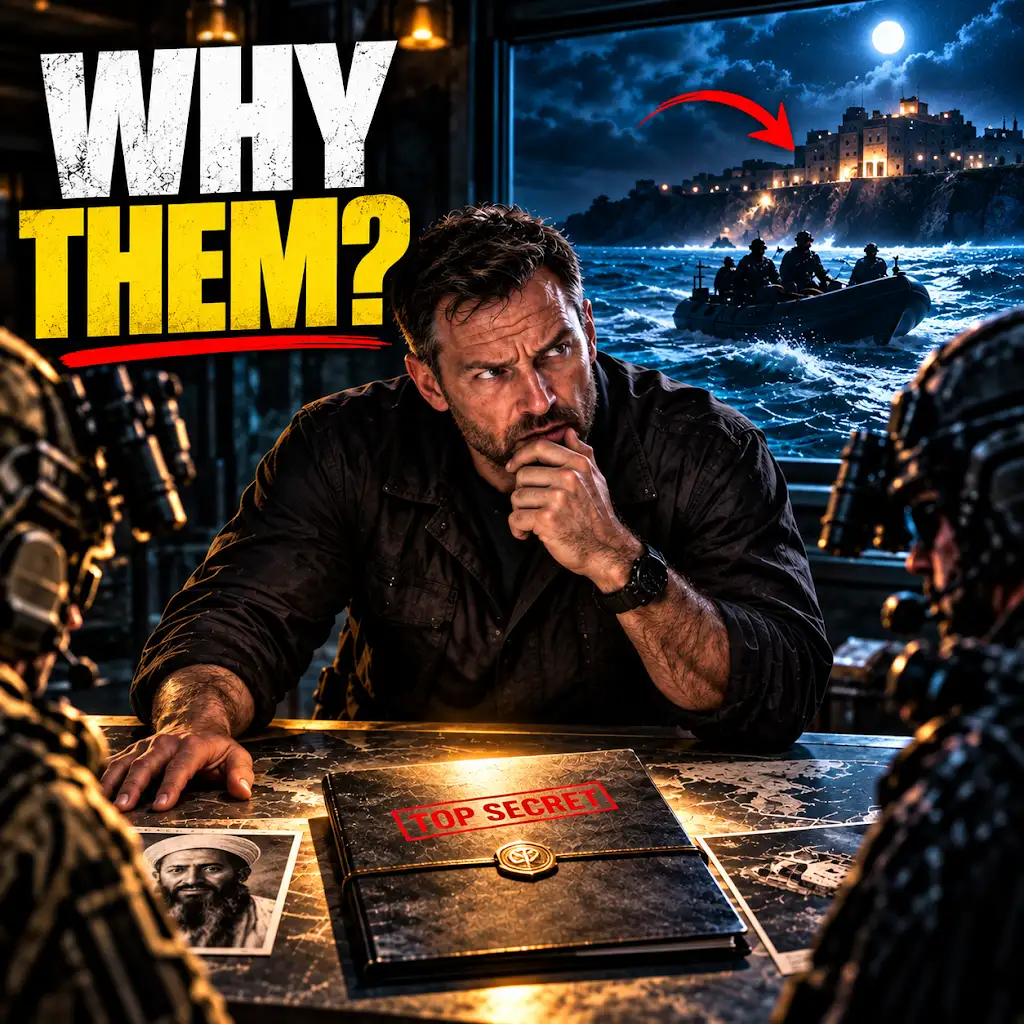
Why SEAL Team Six Got the Bin Laden Raid — Not Delta Force
FAQs
What was the Abbottabad raid?
The Abbottabad raid, also known as Operation Neptune Spear, was a special operations mission conducted by the United States Navy SEALs on May 2, 2011, in Abbottabad, Pakistan. The mission aimed to capture or kill Osama bin Laden, the leader of the terrorist group al-Qaeda.
Who was involved in the Abbottabad raid?
The Abbottabad raid was carried out by the United States Navy SEALs, specifically the Naval Special Warfare Development Group (DEVGRU), also known as SEAL Team Six. The operation was authorized by then-President Barack Obama and coordinated with various U.S. government agencies.
How was the Abbottabad raid executed?
The Abbottabad raid involved a team of Navy SEALs flying into Pakistan via helicopters under the cover of darkness. The SEALs conducted a daring raid on the compound where Osama bin Laden was believed to be hiding. The operation lasted approximately 40 minutes and resulted in the death of bin Laden.
What was the significance of the Abbottabad raid?
The Abbottabad raid was a significant milestone in the global fight against terrorism, as it led to the death of Osama bin Laden, the mastermind behind the 9/11 terrorist attacks. The successful operation dealt a major blow to al-Qaeda and provided closure to the victims of the 9/11 attacks.
Were there any controversies surrounding the Abbottabad raid?
The Abbottabad raid sparked controversy in Pakistan and raised questions about the country’s knowledge of bin Laden’s presence in Abbottabad. Additionally, the unilateral nature of the operation and violation of Pakistani sovereignty led to diplomatic tensions between the United States and Pakistan.