The Spectacle of Deception: Operation Fortitude’s Grand Illusion
World War II was a conflict characterized by unprecedented industrial might, technological innovation, and immense human sacrifice. Yet, amidst the thunder of artillery and the roar of aircraft, a more insidious weapon was forged: deception. Few operations exemplify this clandestine art form as powerfully as Operation Fortitude, a meticulously orchestrated campaign of misinformation designed to mislead the German High Command regarding the true objectives and timings of the D-Day landings. Its success was not merely a matter of clever tactics; it was a testament to the psychological manipulation of an adversary, exploiting their fears, assumptions, and existing intelligence gaps to create a phantom threat so potent it would divert crucial German resources away from the actual invasion beaches. Operation Fortitude, in its dual guise of “Fortitude North” and “Fortitude South,” represented a monumental gamble, a high-stakes poker game played with lives and the very future of the war.
The genesis of Operation Fortitude lay in a fundamental strategic imperative: to ensure the success of Operation Overlord, the Allied invasion of Normandy. The Allied planners recognized that a direct assault, even with overwhelming force, would be incredibly costly if the Germans could react swiftly and effectively. The Wehrmacht, despite its setbacks on the Eastern Front, remained a formidable fighting force, capable of launching devastating counterattacks. The key to mitigating this threat was to sow confusion and delay. The goal was not just to convince the Germans that an invasion was coming, but to persuade them that it was coming elsewhere and later, thereby diluting their defensive strength along the Normandy coast and buying precious time for the Allied bridgehead to be established and expanded. This was the ambitious canvas upon which Fortitude would paint its masterpiece of illusion.
Operation Fortitude, a crucial part of the Allied deception strategy during World War II, involved both Fortitude North and Fortitude South to mislead the German forces about the location of the D-Day invasion. For a deeper understanding of the intricacies of these operations and their impact on the war, you can read a related article that explores the various tactics employed by the Allies. This insightful piece can be found at In the War Room.
Fortitude North: The Ghost Army of Scotland

The northern prong of Operation Fortitude, codenamed “Fortitude North,” was designed to create the impression that the main Allied invasion would target the Pas-de-Calais region of France. This geographic choice was strategically astute. The Pas-de-Calais, being the closest point of mainland Europe to Britain, was the most logical and expected landing site for an Allied invasion. Furthermore, it offered the shortest sea crossing and the most direct route to vital German communication and supply lines. The German High Command had long anticipated an attack in this area, reinforcing its defenses and concentrating significant troop formations. Fortitude North aimed to exacerbate these existing expectations, transforming a likely target into an overwhelmingly probable one, thereby drawing German attention and resources away from Normandy.
The Creation of a Phantom Force
The core of Fortitude North was the creation of a fictional Allied army group, designated the First U.S. Army Group (FUSAG), commanded by the highly respected and famously aggressive General George S. Patton. Patton’s reputation as a brilliant tactician and an unyielding combat leader made him the ideal figurehead for a phantom army. The sheer visibility and perceived threat of Patton, even in absentia, lent considerable weight to the deception. The narrative constructed around FUSAG was elaborate and pervasive, involving numerous elements designed to be detected by German intelligence.
Fabricating Troop Movements and Infrastructure
To lend credence to the existence of FUSAG, vast quantities of fabricated evidence were systematically deployed. Dummy landing craft, constructed from wood and canvas, were assembled and dispersed across the Scottish coastline and in ports in eastern England, creating the illusion of a massive embarkation force preparing to sail. These were often positioned in areas that would be observed by reconnaissance aircraft or naval patrols. Radio traffic was carefully managed, with constant feints and coded messages suggesting large-scale troop movements and logistical preparations for an invasion of the Pas-de-Calais. Dummy airfields were established, complete with fake aircraft and the sounds of engine activity, further reinforcing the impression of a substantial military presence. Even civilian radio broadcasts were subtly manipulated to include conversations hinting at troop deployments and embarkation schedules, designed to be intercepted and reported by German agents.
The Role of Double Agents and Forged Intelligence
Crucially, Fortitude North relied heavily on the careful management of double agents and the dissemination of deliberately misleading intelligence. Agents working for the British, such as the highly successful “Garbo” (Juan Pujol Garcia), were fed carefully crafted information that consistently pointed towards an imminent invasion of the Pas-de-Calais. These agents, who were fed information by the Germans as well, played a vital role in confirming the deception in the eyes of the German High Command. Forged documents, maps, and operational plans were also “leaked” to German intelligence, all meticulously designed to corroborate the Pas-de-Calais invasion scenario. The objective was to create a consistent and overwhelming stream of “evidence” that would leave no room for doubt in the minds of German planners.
Fortitude South: The Threat to the Pas-de-Calais

While Fortitude North focused on creating a phantom army in Scotland, Fortitude South aimed to directly deceive the German forces defending the French coast, particularly in the Pas-de-Calais. This element of the operation was arguably the most audacious, as it involved simulating the presence of an invasion fleet and army poised to strike at the most heavily fortified part of the Atlantic Wall. The psychological impact of this constant, looming threat was intended to keep German reserves pinned down in the Pas-de-Calais, desperately waiting for an attack that would never come.
The Construction of an Imaginary Armada
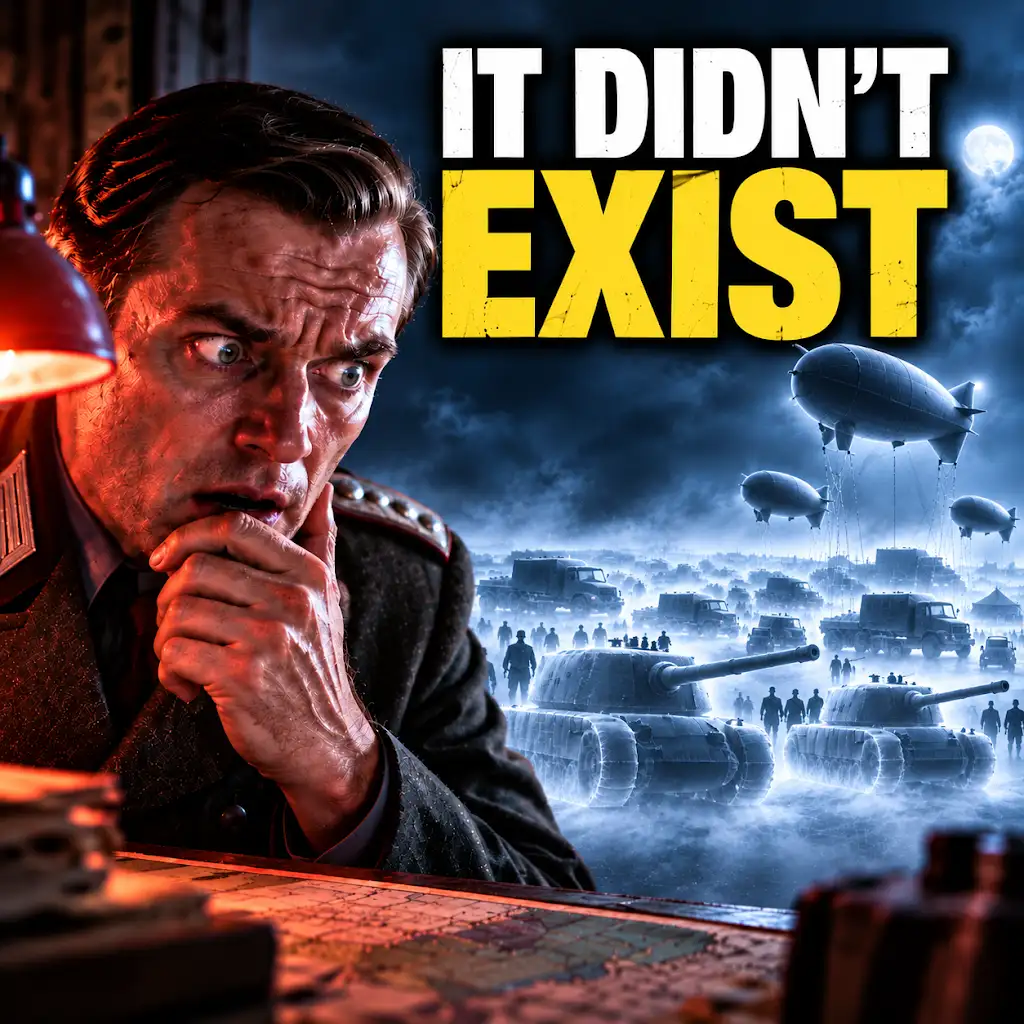
Fortitude South involved the creation of a substantial, albeit entirely fake, invasion fleet in the south-east of England, positioned across the Strait of Dover. This involved the use of inflatable tanks, trucks, and artillery, as well as the strategic placement of real landing craft in visible locations. These were often arranged in patterns that mimicked invasion formations. The sheer scale of these deceptive preparations was designed to be overwhelming. Dummy encampments were established, complete with tents, vehicles, and the sounds of military activity, all carefully placed within the field of vision of German reconnaissance.
Operation Fortitude North and South played crucial roles in the deception strategies employed during World War II, effectively misleading the German forces about the true location of the Allied invasion. For a deeper understanding of these operations and their impact on the war, you can explore a related article that delves into the intricacies of these deceptive tactics. This article provides valuable insights into how misinformation shaped military strategies and outcomes, making it a compelling read for anyone interested in the complexities of wartime operations. To learn more, visit this informative piece.
Orchestrating Deceptive Radio Communications
Similar to Fortitude North, radio played a crucial role in Fortitude South. Extensive and complex radio traffic was generated, simulating the communications of a massive invasion force. This included coded messages, troop deployment orders, and logistical updates, all designed to be intercepted by German monitoring stations. The objective was to create the impression of a highly organized and imminent operation targeting the Pas-de-Calais. The sheer volume and complexity of this radio traffic were intended to overwhelm German intelligence analysts and reinforce the perceived threat.
Exploiting German Intelligence Vulnerabilities
Fortitude South was highly effective in exploiting existing vulnerabilities within German intelligence. The Germans had a deep-seated belief that the Pas-de-Calais was the primary invasion target. This pre-existing bias made them more susceptible to accepting deceptive information that confirmed their expectations. Furthermore, the German intelligence apparatus, while extensive, was often fragmented and struggled to reconcile conflicting information. The overwhelming and consistent narrative presented by Fortitude South, coupled with the perceived authority of Patton and FUSAG, managed to override any potential doubts or inconsistencies. The German habit of heavily relying on reconnaissance aircraft also played into the hands of the deception, as these aircraft provided visual confirmation of the fabricated military build-up.
The Art of Psychological Warfare: Manipulating the Enemy Mind
Operation Fortitude was more than just a matter of building fake tanks or broadcasting deceptive radio signals. It was a sophisticated exercise in psychological warfare, aimed at manipulating the enemy’s perceptions, anxieties, and decision-making processes. The architects of Fortitude understood that a successful deception was not only about what the enemy saw, but also about what they believed. They exploited the human tendency to seek confirmation of existing biases and the fear of missing a critical threat.
The Power of Credibility and Consistency
The success of Fortitude hinged on the unwavering credibility and consistency of the deception. Every element, from the smallest radio transmission to the largest dummy invasion fleet, had to be meticulously coordinated to present a unified and believable narrative. The involvement of high-ranking officers and the use of Patton’s name lent an undeniable air of authority to the FUSAG deception. The consistent flow of information, reinforcing the Pas-de-Calais invasion scenario through multiple channels, ensured that German intelligence had little reason to doubt the primary narrative.
Creating a “Fog of War” on Steroids
In essence, Operation Fortitude amplified the inherent “fog of war” that surrounds any military operation, but with deliberate intent. By creating multiple, conflicting, or seemingly overwhelming potential threats, the Allies aimed to paraly
How the Allies Built an Army for Germany to Discover
FAQs
What is Operation Fortitude North and South?
Operation Fortitude North and South were military deception operations carried out by the Allies during World War II to mislead the German forces about the location and timing of the D-Day invasion.
When did Operation Fortitude North and South take place?
Operation Fortitude North and South took place in the months leading up to the D-Day invasion on June 6, 1944.
What was the goal of Operation Fortitude North and South?
The goal of Operation Fortitude North and South was to deceive the German forces into believing that the Allies would launch the D-Day invasion at a location other than Normandy, in order to divert their attention and resources away from the actual invasion site.
How were Operation Fortitude North and South carried out?
Operation Fortitude North involved creating a fictional First United States Army Group (FUSAG) in southeast England, while Operation Fortitude South involved creating a fictional British Fourth Army in southeast England. Both operations used fake radio traffic, dummy equipment, and double agents to deceive the Germans.
What was the impact of Operation Fortitude North and South on the D-Day invasion?
Operation Fortitude North and South were successful in deceiving the German forces, leading them to believe that the main invasion would take place at Pas-de-Calais rather than Normandy. This diversion helped the Allies achieve surprise and gain a foothold in France on D-Day.