Operation Desert Storm: A Military History Documentary meticulously chronicles the swift and decisive coalition victory in the 1991 Persian Gulf War, offering a comprehensive examination of the political prelude, the strategic planning, the technological marvels, and the battlefield realities that defined this pivotal conflict. The documentary delves into the intricate tapestry of events that led to the liberation of Kuwait from Iraqi occupation, providing viewers with a granular understanding of the unprecedented military undertaking.
The narrative of Operation Desert Storm, as presented in the documentary, begins not with the roar of jets or the rumble of tanks, but with the subtle shifts in regional power dynamics and the aggressive expansionist ambitions of Saddam Hussein’s Iraq. The documentary traces the roots of the conflict back to the prolonged and costly Iran-Iraq War, a conflict that, while draining Iraq’s resources, also left its military battle-hardened and increasingly assertive.
Saddam Hussein’s Growing Ambitions
The documentary highlights how Saddam Hussein, emboldened by his perceived victory against Iran (despite the immense human and economic cost), turned his attention towards his smaller, oil-rich neighbor, Kuwait. The documentary features interviews with historians and former diplomats who articulate the intricate web of historical claims and perceived economic injustices that Hussein used to justify his eventual invasion. The discovery of vast oil reserves in the region, coupled with Iraq’s significant war debts, created a potent cocktail of motivation for Hussein’s aggressive posture.
The Economic Motivations
A significant portion of this section is dedicated to the economic underpinnings of the invasion. The documentary meticulously explains Iraq’s claims that Kuwait was exceeding its OPEC oil production quotas, driving down oil prices and exacerbating Iraq’s financial woes. Furthermore, the documentary explores the long-standing territorial dispute, with Iraq historically claiming Kuwait as its 19th province. These economic grievances, whether legitimate or manufactured, formed a crucial part of Saddam Hussein’s public justification for his actions.
The International Response: A Gathering Storm
The documentary then meticulously details the immediate international outcry following Iraq’s invasion of Kuwait on August 2, 1990. It showcases the swift condemnation from the United Nations Security Council, illustrating the broad international consensus against Iraq’s unilateral aggression. Expert commentary emphasizes the shock and disbelief that rippled through the international community, particularly within the United States and its key allies.
United Nations Condemnation and Sanctions
The documentary highlights the pivotal role of UN Security Council Resolution 660, which demanded Iraq’s immediate and unconditional withdrawal from Kuwait. It then details the subsequent resolutions, including those imposing comprehensive economic sanctions on Iraq, designed to cripple its war-making capability and pressure Hussein into compliance. The documentary uses archival footage and expert analysis to underscore the seriousness of these diplomatic efforts and the unprecedented nature of the global sanctions regime.
The Birth of a Coalition
Crucially, this section emphasizes the formation of a broad international coalition, spearheaded by the United States, to counter Iraq’s aggression. The documentary explores the complex diplomatic negotiations that brought together a diverse group of nations, from Arab states like Saudi Arabia and Egypt to European powers like the United Kingdom and France, all united by a common goal: the liberation of Kuwait. This coalition building is presented as a testament to the power of collective security and the international order established in the post-World War II era.
For those interested in a deeper understanding of Operation Desert Storm and its significance in military history, the documentary provides a comprehensive overview of the conflict, highlighting key strategies and outcomes. Additionally, you may find the related article on military operations and their impact on modern warfare insightful. You can read more about it here: Related Article on Military Operations.
The Diplomatic Stalemate and Military Buildup: Operation Desert Shield
With diplomacy failing to dislodge Iraqi forces from Kuwait, the documentary pivots to the massive military buildup that became known as Operation Desert Shield. This phase of the documentary meticulously illustrates the logistical and strategic challenges involved in amassing such a formidable force in a hostile desert environment.
Saudi Arabia: The Crucial Ally
The documentary underscores the critical decision by Saudi Arabia to allow coalition forces to deploy on its territory. This decision, fraught with political and religious sensitivities, is presented as a bold act of defiance against Iraqi aggression and a vital strategic necessity for any offensive operations. The documentary shows how Saudi Arabia transformed from a passive observer to the central staging ground for the liberation of Kuwait.
The Scale of the Deployment
Viewers are presented with staggering statistics and visual representations of the sheer scale of Operation Desert Shield. The documentary details the deployment of hundreds of thousands of personnel from over 30 nations, along with thousands of tanks, aircraft, and naval vessels. It showcases the immense logistical undertaking, from transporting troops and equipment across vast distances to establishing robust supply lines in the arid desert.
Airlift and Sealift Capabilities
The documentary dedicates significant attention to the unprecedented airlift and sealift operations that underpinned Desert Shield. It highlights the role of military and civilian transport aircraft in ferrying troops and essential equipment, while also showcasing the vital role of naval transport in moving heavier assets like tanks and artillery. The sheer coordination required for these operations is presented as a logistical marvel.
Infrastructure Development in the Desert
The documentary also illustrates the rapid development of military infrastructure within Saudi Arabia and the surrounding regions. It depicts the construction of temporary airfields, troop encampments, hospitals, and maintenance facilities. This rapid transformation of the desert landscape into a vast military staging area is a testament to the efficiency and planning capabilities of the coalition forces.
The Psychological Warfare and Deterrence
Beyond the physical deployment, the documentary examines the psychological dimensions of Operation Desert Shield. It explores the efforts to deter further Iraqi aggression and to sow doubt within the Iraqi command structure. This includes public statements by coalition leaders, targeted intelligence operations, and the visible presence of a powerful military force aimed at conveying a clear message of resolve.
The Ultimatum and the Deadline
The documentary revisits the diplomatic efforts that continued even as the military buildup progressed. It focuses on the UN Security Council Resolution 678, which set a deadline of January 15, 1991, for Iraq to withdraw from Kuwait, warning of the use of all necessary means if it failed to comply. This resolution is presented as the final diplomatic hurdle before the inevitable military engagement.
The Air Campaign: Striking the Enemy with Precision

With the deadline passed and Iraqi forces remaining defiant, the documentary shifts its focus to the explosive commencement of Operation Desert Storm and the critical role of the air campaign. This phase highlights the technological superiority and strategic brilliance employed by the coalition air forces.
“Shock and Awe”: The Opening Hours
The documentary vividly recreates the opening hours of the air campaign, commencing on January 17, 1991. It depicts the precision strikes against key Iraqi military targets, including command and control centers, air defense sites, and communication infrastructure. The term “shock and awe,” though more commonly associated with later conflicts, is implicitly evoked by the sheer scale and precision of the initial aerial onslaught.
Tomahawk Cruise Missiles
The documentary showcases the deployment of Tomahawk cruise missiles, a relatively new and highly effective weapon system at the time. It explains how these missiles, launched from naval vessels, provided a stealthy and precise means of striking hardened targets deep within Iraq, minimizing the risk to coalition aircraft.
Stealth Technology and F-117 Nighthawks
The documentary dedicates significant attention to the groundbreaking use of stealth technology, particularly the F-117 Nighthawk stealth fighter. It explains how these aircraft, virtually invisible to radar, were instrumental in penetrating heavily defended Iraqi airspace to target critical infrastructure with impunity. The documentary often features interviews with pilots who describe the surreal experience of flying missions without the usual threat of enemy detection.
Degrading Iraqi Air Defenses
A primary objective of the initial air campaign was the systematic degradation of Iraq’s air defense network. The documentary illustrates how coalition aircraft relentlessly targeted surface-to-air missile (SAM) sites, radar installations, and anti-aircraft artillery positions, effectively neutralizing Iraq’s ability to contest coalition air superiority.
The Role of SEAD (Suppression of Enemy Air Defenses)
The documentary explains the crucial role of Suppression of Enemy Air Defenses (SEAD) missions. It details how specialized aircraft and electronic warfare systems were employed to jam enemy radar and disrupt communications, paving the way for other strike aircraft to operate more safely.
Targeting Command and Control
The documentary emphasizes the strategic importance of decapitating the Iraqi command structure. It showcases how coalition air power was used to target Saddam Hussein’s inner circle, communication lines, and command centers, thereby sowing confusion and disarray within the Iraqi military.
The Impact on Iraqi Morale
The relentless aerial bombardment, coupled with the isolation of Iraqi forces, is presented as having a significant impact on enemy morale. The documentary includes testimony from former Iraqi soldiers who describe the psychological toll of constant air attacks and the lack of clear directives from their leadership.
The Ground War: The Hundred-Hour War
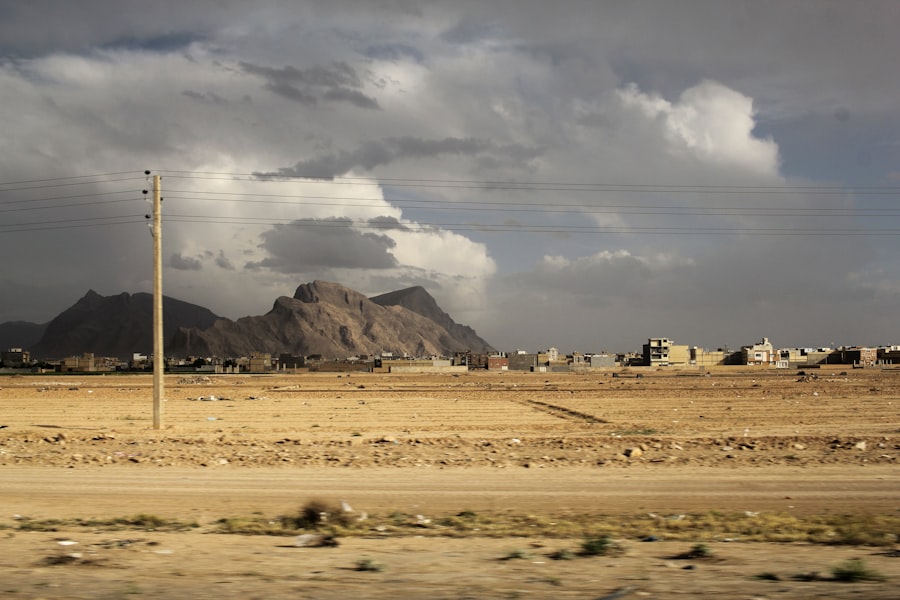
While the air campaign effectively crippled Iraq’s military and weakened its resolve, the documentary dedicates a significant portion to the swift and decisive ground offensive that ultimately led to the liberation of Kuwait. This segment, often referred to as the “Hundred-Hour War,” highlights the speed and overwhelming force of the coalition’s ground assault.
The “Left Hook”: A Masterstroke of Maneuver
The documentary meticulously details the strategic brilliance of the ground offensive, particularly the flanking maneuver known as the “left hook.” It explains how coalition forces, under the command of General Norman Schwarzkopf, executed a vast pincer movement, swinging deep into western Iraq to cut off Iraqi forces in Kuwait from their supply lines and escape routes.
The Role of Armor
The documentary showcases the pivotal role of armored divisions, particularly U.S. Army and Marine Corps units, in spearheading the ground assault. It features vivid imagery of tanks and armored personnel carriers advancing across the desert, engaging and overwhelming Iraqi defenses.
The Importance of Combined Arms Warfare
A recurring theme in this section is the effective integration of different military branches and capabilities – what is known as combined arms warfare. The documentary illustrates how air power, artillery, and infantry worked in concert to achieve battlefield dominance.
The Battle of Khafji and Other Engagements
While the overall ground war was relatively short, the documentary acknowledges key engagements, such as the Battle of Khafji, where Iraqi forces attempted to make a stand. It presents these battles as crucial tests of the coalition’s readiness and combat effectiveness.
The Iraqi Retreat and the Highway of Death
The documentary graphically depicts the chaotic retreat of Iraqi forces from Kuwait. It focuses on the infamous “Highway of Death,” where retreating Iraqi soldiers and vehicles were targeted by coalition aircraft, a controversial but strategically significant event.
The Liberation of Kuwait City
The climax of the ground war, as presented in the documentary, is the liberation of Kuwait City. It features archival footage and eyewitness accounts of Kuwaiti citizens celebrating the arrival of coalition forces and the end of their occupation.
The Aftermath and Humanitarian Concerns
While celebrating the military victory, the documentary also touches upon the aftermath of the conflict, including the lingering environmental damage caused by Iraqi scorched-earth tactics and the ongoing efforts to rebuild Kuwait.
In exploring the complexities of military history, the documentary on Operation Desert Storm provides a comprehensive overview of the strategic decisions and outcomes of the conflict. For those interested in delving deeper into the broader implications of this operation, a related article can be found at In the War Room, which offers insightful analysis and perspectives on the Gulf War and its lasting effects on modern military engagements. This resource enhances the understanding of the historical context surrounding Operation Desert Storm and its significance in shaping contemporary warfare.
The Technological Edge and Human Cost
| Metrics | Data |
|---|---|
| Duration | Approximately 1 hour |
| Release Year | 1991 |
| Director | Various |
| Production Company | Various |
| Narrator | Various |
| Featured Interviews | Military personnel, political figures, journalists |
Operation Desert Storm was a watershed moment in military history, largely due to the unprecedented application of advanced technology. The documentary dedicates substantial time to exploring this technological advantage and its profound impact on the battlefield, while also acknowledging the human cost of war.
Precision-Guided Munitions (PGMs)
The documentary emphasizes the revolutionary impact of precision-guided munitions. It explains how these “smart bombs” allowed coalition aircraft to strike targets with unprecedented accuracy, minimizing collateral damage and maximizing the effectiveness of each sortie. The documentary often features interviews with engineers and defense analysts who highlight the leap in technological capability.
Laser-Guided Bombs and GPS
The documentary details the various types of PGMs employed, including laser-guided bombs, which relied on ground-based or airborne designators, and GPS-guided munitions, which offered a more autonomous targeting capability. The documentary uses animations and simulations to illustrate how these technologies functioned.
Advanced Communication and Intelligence
The documentary highlights the sophisticated communication networks and intelligence-gathering capabilities that enabled seamless coordination among coalition forces. It explains how real-time information flow, from satellite imagery to signals intelligence, provided commanders with a clear and comprehensive picture of the battlefield.
The Role of Satellites and Drones
The documentary showcases the crucial role of reconnaissance satellites and unmanned aerial vehicles (UAVs), or drones, in providing vital intelligence on Iraqi troop movements and dispositions. This constant stream of information was essential for adapting strategies and identifying emerging threats.
The Human Element: Courage and Sacrifice
Despite the technological prowess, the documentary never loses sight of the human element. It features interviews with soldiers from various coalition nations, sharing their experiences, their fears, and their moments of courage. The documentary acknowledges the sacrifices made by those who fought and the impact of the conflict on their lives.
The Psychological Impact of Combat
The documentary explores the psychological toll of combat, including the stress, fear, and adrenaline of battlefield engagements. It features interviews with medical personnel and chaplains who discuss the challenges of supporting troops in a high-intensity conflict.
The Ethics of Modern Warfare
The documentary also raises questions about the ethics of modern warfare, particularly concerning the use of advanced technology and the potential for minimizing casualties through technological superiority. It prompts viewers to consider the broader implications of such conflicts.
Legacy and Lessons Learned
The documentary concludes by examining the enduring legacy of Operation Desert Storm and the valuable lessons learned from this pivotal conflict. It posits that the war had a profound and lasting impact on international relations, military doctrine, and the global balance of power.
The Reshaping of the Middle East
The documentary asserts that Operation Desert Storm fundamentally reshaped the geopolitical landscape of the Middle East. It solidified the role of the United States as a dominant military power in the region and set the stage for future interventions and alliances.
The Question of Post-War Stability
The documentary delves into the complex question of post-war stability, particularly in Iraq. It explores the challenges of containing Saddam Hussein’s regime and the long-term consequences of the decisions made in the war’s aftermath.
Modernizing Military Doctrine
The documentary argues that Operation Desert Storm served as a catalyst for significant changes in military doctrine worldwide. It underscored the importance of air power, combined arms warfare, and the integration of advanced technologies in modern conflict.
The Rise of Network-Centric Warfare
The documentary suggests that Desert Storm laid the groundwork for the concept of “network-centric warfare,” emphasizing the ability to share information and coordinate actions across dispersed units in real-time.
The Enduring Impact on International Law
The documentary also touches upon the impact of Operation Desert Storm on international law and the concept of collective security. It highlights the precedent set by the international coalition in confronting blatant aggression and the ongoing debates surrounding the legitimacy of military intervention.
The Future of Global Security
Ultimately, the documentary leaves viewers with a profound understanding of Operation Desert Storm not just as a military victory, but as a transformative event that continues to influence the discourse on global security, technological advancement in warfare, and the complex interplay between politics, economics, and military action in the modern world. It serves as a crucial historical document, reminding us of the complexities and consequences of armed conflict.
The Invisible Attack That Crippled Iraq’s Army | Desert Storm Documentary
FAQs
What was Operation Desert Storm?
Operation Desert Storm was a military operation conducted by a coalition of 35 nations, led by the United States, against Iraq in response to Iraq’s invasion and annexation of Kuwait.
When did Operation Desert Storm take place?
Operation Desert Storm began on January 17, 1991, and lasted for 42 days, officially ending on February 28, 1991.
What were the main objectives of Operation Desert Storm?
The main objectives of Operation Desert Storm were to liberate Kuwait from Iraqi occupation, enforce United Nations Security Council resolutions, and to reduce Iraq’s ability to wage aggressive warfare.
What were the key events and battles during Operation Desert Storm?
Key events and battles during Operation Desert Storm included the aerial and naval bombardment of Iraq, the ground assault by coalition forces, and the liberation of Kuwait.
What was the outcome of Operation Desert Storm?
The outcome of Operation Desert Storm was a decisive victory for the coalition forces, leading to the liberation of Kuwait and the restoration of its sovereignty. Iraq’s military capabilities were significantly degraded, and a ceasefire agreement was reached.