The Unseen Eye: Radar’s Genesis and Early Applications
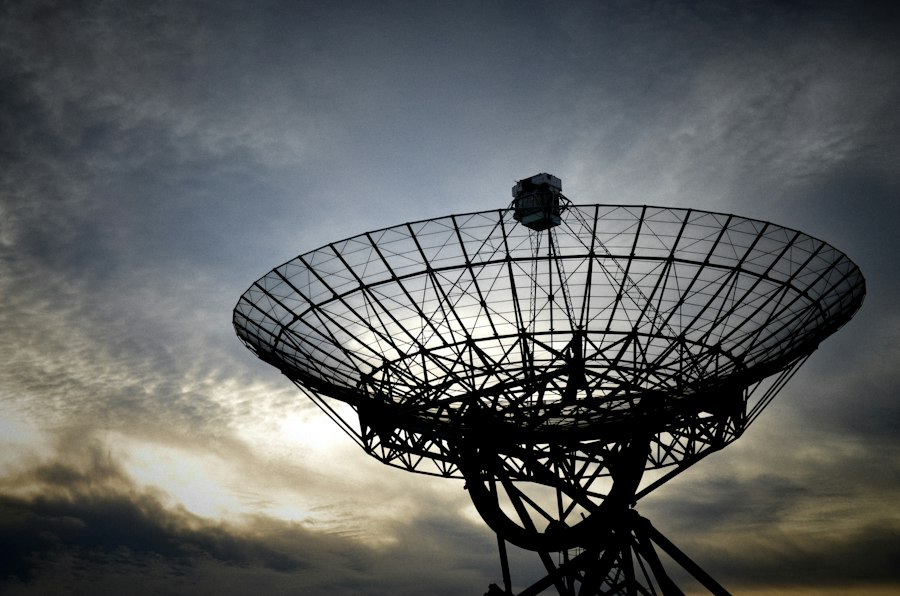
Before delving into the specific impact of radar on the Suez War, it is crucial to understand its development and the context in which it emerged. Radar, an acronym for Radio Detection and Ranging, is a system that uses radio waves to determine the range, angle, or velocity of objects. Its conceptual underpinnings can be traced back to the late 19th and early 20th centuries with the discovery of radio waves and their reflective properties. However, it was the escalating geopolitical tensions of the 1930s and the looming threat of aerial warfare that truly spurred its development into a practical military technology.
The impetus for radar’s military application was the growing realization that conventional visual detection methods were becoming increasingly inadequate against the speed and scale of modern air power. Aircraft were becoming faster, capable of operating in conditions of poor visibility such as fog and darkness, and could carry significant payloads for bombardment. This presented a profound challenge to air defense systems, which relied heavily on human observation and rudimentary acoustic detection devices. The need for an “early warning” system that could detect enemy aircraft at significant distances, regardless of weather or time of day, became paramount.
The United Kingdom, facing the immediate threat from Nazi Germany, was at the forefront of radar development. The establishment of the Bawdsey Research Station in Suffolk, England, in 1935, marked a pivotal moment. Here, scientists like Robert Watson-Watt and Arnold Wilkins worked to translate theoretical principles into working radar systems. Their early efforts focused on detecting aircraft, and by 1938, a chain of radar stations, known as the Chain Home system, stretched along the British coast. These systems were revolutionary, capable of detecting aircraft at ranges of up to 100 miles, providing precious minutes of warning time for fighter aircraft to scramble and intercept. This early warning capability proved to be a critical factor in the Battle of Britain in 1940, demonstrating the profound tactical advantage that radar offered in air defense.
Beyond the United Kingdom, other nations were also pursuing radar research. Germany, despite its later reliance on radar for its own air defense, initially lagged behind in its development and deployment for early warning. The United States, meanwhile, was also making significant strides, particularly in naval radar applications. The development of radar for ships was driven by the need to navigate safely in fog and darkness, detect other vessels, and, crucially, to detect and track enemy aircraft and ships during combat. The Pearl Harbor attack in 1941, while a devastating surprise, ironically highlighted the potential of radar as a defensive tool, even if it had not been fully utilized by the defenders at that moment. Throughout World War II, radar technology advanced rapidly, becoming smaller, more powerful, and more sophisticated. It was employed in a multitude of roles, including airborne interception, ground-based air defense, naval search and fire control, and even for battlefield surveillance. This widespread adoption solidified radar’s position as an indispensable component of modern warfare, laying the groundwork for its future applications in conflicts like the Suez War.
The role of radar technology during the Suez War of 1956 is a fascinating topic that highlights the impact of modern warfare on military strategy. For a deeper understanding of this subject, you can explore the article that discusses the advancements in radar and their implications during the conflict. To read more about it, visit this article.
Precursors to the Conflict: Geopolitical Tensions and the Role of Technology

The Suez Crisis of 1956 was not an isolated event but the culmination of a complex web of geopolitical factors, simmering resentments, and evolving military doctrines. Understanding these precursors is essential to appreciating the context in which radar’s tactical advantage became significant. At the heart of the crisis lay the strategic importance of the Suez Canal, a vital waterway connecting the Mediterranean Sea to the Indian Ocean, and its nationalization by Egyptian President Gamal Abdel Nasser on July 26, 1956. This act was a direct challenge to the colonial powers of Britain and France, who had significant economic and strategic interests in the canal, which was then operated by the Suez Canal Company, largely owned by British and French shareholders.
Nasser’s nationalization was fueled by a potent mix of Arab nationalism, anti-colonial sentiment, and a desire to assert Egypt’s sovereignty and independence. He saw the canal as a symbol of foreign domination and sought to use its revenue to fund Egypt’s development, including the ambitious Aswan High Dam project, which had been denied funding by Western powers. This move was met with immediate and fierce opposition from Britain and France, who viewed it as a direct threat to their economic lifelines and global influence. The United States, while concerned about the potential for wider conflict and the disruption of oil supplies, initially urged restraint and diplomatic solutions, but found itself increasingly drawn into the escalating tensions.
The military implications of the nationalization were profound. Britain and France, along with Israel, began to formulate plans for military intervention to regain control of the canal. Israel, in particular, had its own long-standing grievances with Egypt, including border disputes, blockades of the Straits of Tiran, and the pervasive threat of Arab hostility. The shared strategic interests of these three nations, despite underlying suspicions and differing objectives, coalesced into a secret agreement to launch a coordinated military operation.
It was within this burgeoning military planning that the role of emerging technologies, including radar, began to be considered. By the mid-1950s, radar had evolved significantly from its World War II applications. Miniaturization and increased reliability had led to its integration into a wider array of platforms, including naval vessels and aircraft. The development of more sophisticated radar systems, capable of higher resolution and longer detection ranges, offered the potential for improved situational awareness and more effective targeting. For the naval forces of Britain and France, tasked with projecting power across vast distances and conducting amphibious operations, radar was no longer just a tool for navigation; it was becoming a critical component for intelligence gathering, force protection, and tactical planning.
The Israeli military, though perhaps not as technologically advanced as its European counterparts in all areas, was known for its innovative adoption and integration of available technologies. Their understanding of the need for superior intelligence and early warning, honed by their constant state of alert, meant that any technological advantage, including radar, would be seriously evaluated. The ability to detect incoming aircraft, track naval movements, and guide weapon systems with greater precision would offer a significant edge in a conflict that promised to be fast-paced and heavily reliant on air and sea power. Therefore, while the political and strategic motivations were the primary drivers of the Suez Crisis, the technological landscape, with radar at its forefront, was quietly shaping the potential tactical approaches and advantages that could be exploited by the involved parties.
The Deployment and Capabilities of Radar in 1956
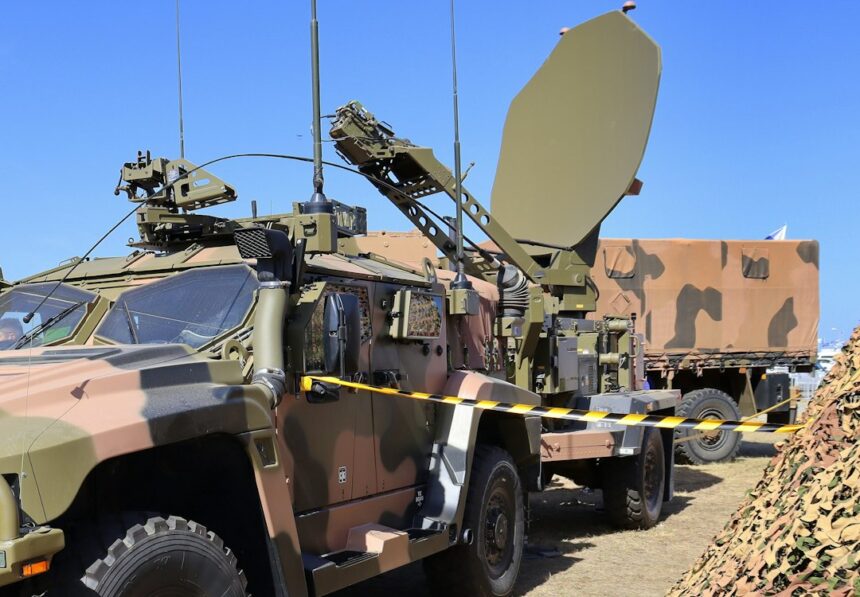
By the time the Suez Crisis erupted in 1956, radar technology had moved beyond its rudimentary World War II applications. While not as ubiquitous or advanced as today’s sophisticated systems, the radar equipment available to the major powers involved offered significant tactical advantages, particularly in the realms of air defense, naval operations, and intelligence gathering. The sophistication and deployment of radar varied between the participating nations, with the British and French navies generally possessing more advanced and integrated systems compared to their Egyptian counterparts.
The British Royal Navy, a significant player in the Suez operation, was equipped with a range of radar systems. These included air search radars, such as the Type 960, which provided long-range detection of aircraft, and surface search radars, like the Type 147, used for detecting ships and low-flying aircraft. Fire control radars, such as the GSA.2, were crucial for guiding gun batteries and later, guided missiles, with accuracy. For airborne operations, carrier-borne aircraft were equipped with radar for navigation, target acquisition, and even early forms of airborne intercept. The sophistication of these systems allowed for greater situational awareness at sea, enabling ships to detect potential threats from afar, navigate safely in potentially hostile waters, and maintain effective command and control under challenging conditions. The ability to track multiple air and surface contacts simultaneously was a considerable advantage, providing a more comprehensive picture of the operational environment than visual observation alone could offer.
The French Navy also possessed a capable fleet with radar systems that mirrored many of the British capabilities. Their emphasis was on anti-submarine warfare and fleet defense, areas where radar played a vital role in detecting submerged submarines (via airborne radar or specialized sonar integrated with radar for surface confirmation) and surface threats. The integration of radar into their naval aviation, with carrier-based aircraft contributing to the overall radar picture, further enhanced their operational effectiveness.
On the Israeli side, while perhaps not having the same sheer volume of advanced naval radar as the British and French, they were known for their efficient utilization of available technology. Their air force, in particular, was a key component of their strategy, and radar played a crucial role in their air defense network and offensive operations. They had a growing capability in ground-based early warning radar and employed radar on their fighter aircraft for target acquisition and engagement. Their understanding of the threat from the air and sea was acute, and they actively sought to leverage any technological advantage to offset numerical disadvantages.
The Egyptian armed forces, while receiving some Soviet-bloc military aid, generally lagged behind their adversaries in terms of radar technology and integration. Their air defense network, though present, was likely less sophisticated in terms of range, resolution, and the ability to discriminate between friendly and hostile aircraft. Their naval radar capabilities would have been more limited, primarily focused on coastal defense and ship navigation. This disparity in radar capabilities would inevitably create a significant tactical imbalance during any conflict. The ability to see further, track more accurately, and react faster due to superior radar would translate directly into a tangible advantage in combat. It allowed for proactive engagement rather than reactive defense, the ability to dictate the terms of engagement, and a significant reduction in vulnerability to surprise attacks.
Tactical Applications of Radar During Hostilities
The Suez War, erupting in late October 1956, quickly demonstrated the tangible tactical advantages conferred by superior radar capabilities. The combined Anglo-French-Israeli assault, codenamed Operation Musketeer, was characterized by its rapid tempo and reliance on air and naval power. In this environment, radar’s ability to provide early warning, facilitate precision targeting, and enhance situational awareness proved indispensable.
Air Defense and Interception
For the attacking forces, radar was paramount in establishing air superiority. The British and French navies operated aircraft carriers equipped with radar-guided aircraft. These planes, supported by ship-based radar, could detect Egyptian aircraft and missile threats at significant distances. The long-range air search radars on warships provided critical early warning of incoming raids, allowing fighter aircraft to scramble and intercept enemy bombers or reconnaissance planes before they could reach their targets. This proactive approach significantly degraded the effectiveness of the Egyptian Air Force. Furthermore, airborne radar on interceptor aircraft allowed pilots to lock onto targets in low visibility conditions, such as at night or through cloud cover, ensuring a higher probability of successful engagement. The ability to track multiple targets simultaneously meant that even large formations of enemy aircraft could be engaged effectively.
Naval Operations and Navigation
At sea, radar played a crucial role in navigation and force coordination. The Suez Canal itself, while navigable, could present navigational challenges, especially at night or in congested waters. Surface search radars on warships allowed for safe passage, the detection of mines or submerged obstacles, and the avoidance of collisions. More significantly, radar was vital for coordinating the naval bombardment of shore targets and the amphibious landings. By accurately determining the range and bearing of coastal defenses, radar enabled naval gunnery to be precisely directed, neutralizing enemy positions with greater efficiency. This minimized collateral damage and reduced the risk to landing craft and troops. For the British and French, projecting power into a contested zone relied heavily on their ability to maintain a constant, clear picture of the maritime environment, and radar was the primary tool for achieving this.
Intelligence Gathering and Reconnaissance
Beyond immediate combat applications, radar served as a vital intelligence-gathering tool. Aircraft equipped with sophisticated radar systems could conduct reconnaissance flights over Egyptian territory, mapping terrain, identifying military installations, and tracking the movement of enemy forces. Even in the absence of active bombing missions, these radar-equipped aircraft provided invaluable intelligence that informed subsequent tactical decisions. Ground-based radar installations, though perhaps less prominent in the immediate amphibious assault, would have contributed to a broader understanding of Egyptian air and missile capabilities, allowing for more informed strategic planning. The ability to detect and track radar emissions from enemy systems also provided crucial electronic intelligence, offering insights into the types of radar being used by the Egyptians and their operational deployment.
Targeting and Fire Control
The precision afforded by radar was a critical differentiator. Fire control radars were able to track targets with extreme accuracy, allowing for the directed fire of artillery, naval guns, and later, guided missiles, with a high degree of success. This meant that fewer rounds were needed to achieve desired effects, conserving ammunition and reducing the time spent engaging targets. For the Anglo-French forces, the ability to effectively neutralize Egyptian defenses with precise radar-guided fire was a key factor in their relatively swift progress in the initial stages of the conflict. The limited nature of the conflict and the specific objectives of the invading forces meant that precision was often prioritized over overwhelming force, and radar was the enabler of that precision.
The role of radar technology during the Suez War is a fascinating topic that highlights the evolution of military strategy in the mid-20th century. As nations began to recognize the importance of advanced surveillance systems, radar became a crucial tool for both offense and defense. For a deeper understanding of how radar influenced the dynamics of this conflict, you can read more in this insightful article on the subject. The analysis provided sheds light on the technological advancements that shaped the outcomes of key battles during the war. To explore this further, visit this article.
The Aftermath and Lasting Impact of Radar’s Advantage
| Aspect | Details |
|---|---|
| Conflict | Suez Crisis (1956) |
| Countries Involved | Egypt, Israel, United Kingdom, France |
| Role of Radar | Early warning and detection of enemy aircraft and naval vessels |
| Radar Technology Used | Ground-based radar stations and airborne radar on military aircraft |
| Impact on Military Operations | Improved coordination of air strikes and naval blockades, enhanced situational awareness |
| Limitations | Radar jamming and countermeasures by opposing forces |
| Outcome | Radar contributed to tactical advantages but did not decisively determine the conflict’s outcome |
The Suez War, though short-lived due to intense international pressure, particularly from the United States and the Soviet Union, offered a stark illustration of how technological superiority, specifically in the domain of radar, could translate into significant tactical advantages. While the political fallout was immense and ultimately led to the withdrawal of British and French forces, the military lessons learned, particularly regarding the efficacy of radar, were profound and had a lasting impact on military doctrine and technological development.
The overwhelming success of the Anglo-French-Israeli air and naval operations, often conducted in challenging weather conditions or at night, was in no small part attributable to their superior radar capabilities. They were able to maintain situational awareness, coordinate complex maneuvers, and deliver precise strikes with a degree of effectiveness that the Egyptian forces, with their less advanced radar systems, could not match. The early warning provided by radar allowed the attacking forces to dictate the pace of engagement, neutralizing threats before they could materialize and minimizing their own vulnerabilities. This demonstrated that in modern warfare, the ability to “see” and understand the battlefield, regardless of environmental conditions, was a decisive factor.
The war also highlighted the interconnectedness of different radar applications. Air search radar provided the initial warning, airborne radar on interceptors facilitated the kill, and naval radar enabled the coordination of the entire operation. This integration of radar systems across different platforms and roles showcased the potential for a networked battlefield, where information from multiple sources could be fused to create a comprehensive operational picture. This concept, nascent in 1956, would become a cornerstone of future military development.
For the United States, the Suez Crisis served as a sobering reminder of the importance of maintaining technological superiority. While they had not directly participated in the fighting, they observed the strategic implications of radar’s effectiveness and the potential for other nations to acquire and deploy advanced radar systems. This observation likely contributed to the continued investment in radar research and development within the U.S. military, leading to further advancements in areas like electronic countermeasures, stealth technology, and more sophisticated surveillance and reconnaissance systems.
Moreover, the Suez War underscored the growing importance of electronic warfare. The ability of radar to detect and track enemy forces also meant that radar emissions themselves could be detected and analyzed. This led to increased focus on developing methods to jam enemy radar, deceive radar systems, and protect friendly radar from enemy countermeasures. The cat-and-mouse game between radar technology and electronic warfare countermeasures became an enduring feature of modern military competition.
In conclusion, the Suez War, despite its controversial political outcome, was a significant proving ground for radar technology. It unequivocally demonstrated that radar was no longer a secondary or supporting technology but a primary enabler of tactical success. The ability to detect, track, and engage targets with precision, independent of visual limitations, provided an undeniable advantage that shaped the conduct of the conflict. The lessons learned from this conflict reverberated through military establishments worldwide, solidifying radar’s role as a crucial component of modern defense capabilities and spurring further innovation that would continue to define the landscape of warfare for decades to come. The unseen eye of radar had proven its worth, leaving an indelible mark on military strategy and technology.

A 3-Year Drought Hit the Hittite Empire. Did It Cause the Collapse?
FAQs
What role did radar play in the Suez War?
Radar played a crucial role in the Suez War by providing early warning of enemy aircraft and ships, allowing for better defense and strategic positioning of forces.
How did radar technology impact the outcome of the Suez War?
Radar technology gave the defending forces a significant advantage in detecting and tracking enemy movements, which helped in disrupting enemy attacks and ultimately contributed to the successful defense of key positions.
Which countries involved in the Suez War utilized radar technology?
During the Suez War, both the Egyptian and Israeli forces utilized radar technology to monitor and defend their respective territories, showcasing the importance of this technology in modern warfare.
Was radar technology a new development during the Suez War?
While radar technology had been in use for some time before the Suez War, its effectiveness and strategic importance were highlighted during the conflict, leading to further advancements and integration in military operations.
How did radar contribute to the evolution of military tactics post-Suez War?
After the Suez War, the successful use of radar technology led to its increased adoption in military operations worldwide, influencing the development of new tactics and strategies that relied on early detection and surveillance capabilities.