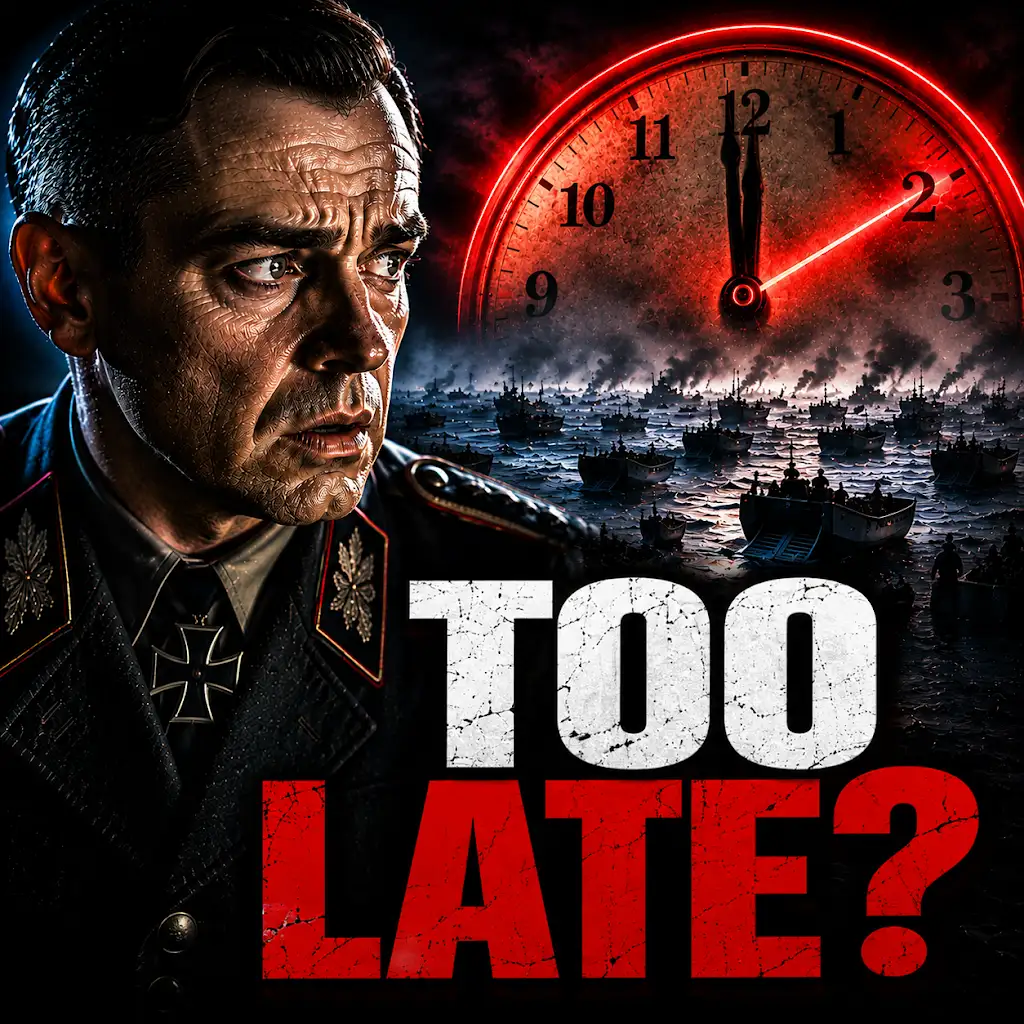
The flickering screen projected stark black and white images, a grainy testament to a pivotal moment in history. A hush fell over the audience as the narrator’s voice, deep and resonant, began to weave the narrative of Operation Overlord – the Normandy Invasion. This documentary, a meticulously crafted tapestry of archival footage, expert interviews, and poignant personal accounts, offered a comprehensive and deeply affecting exploration of the D-Day landings and the ensuing Battle of Normandy. It wasn’t merely a recounting of facts and figures; it was an immersive journey back to June 6, 1944, a day that irrevocably altered the course of the Second World War.
The documentary meticulously laid the groundwork for the immense undertaking that was D-Day, illustrating the sheer audacity and logistical brilliance required to conceive and execute such a massive amphibious assault. The pre-invasion phase, often overlooked in broader historical narratives, was given due prominence, highlighting the complex political machinations, strategic planning, and the immense sacrifices made long before the first soldier hit the beaches.
The Seeds of Liberation: Strategic Imperatives
The film powerfully articulated the strategic imperative that drove the Allied decision to launch a second front in Western Europe. The relentless pressure on the Eastern Front, with millions of Soviet soldiers bearing the brunt of the Nazi war machine, demanded a diversion. The documentary explained how the closure of the Mediterranean and the difficulties in other theaters of war made an invasion of France the most viable, albeit terrifying, option. It underscored the desperate need to liberate occupied Europe from Nazi tyranny and to alleviate the burden on the Soviet Union, preventing a potential collapse that could have extended the war indefinitely. The discussions between Roosevelt, Churchill, and Stalin, often fraught with tension and differing priorities, were vividly portrayed through archival photographs and expert commentary, emphasizing the global stakes involved.
Operation Bolero: The American Buildup
A significant portion of the documentary was dedicated to “Operation Bolero,” the colossal logistical effort undertaken by the United States to transport men and materiel across the Atlantic. The sheer scale of this operation was staggering. Thousands of ships, countless tons of equipment, and millions of soldiers were marshaled, often under the constant threat of U-boat attacks. The film showcased the construction of temporary ports, the training of vast armies in the United Kingdom, and the incredible industrial output required to equip these forces. It was a testament to American industrial might and organizational prowess, a foundation upon which the invasion would be built. The challenges of training soldiers for a completely alien form of warfare – amphibious assault – were also highlighted, underscoring the dedication and resilience of those involved in this preparatory phase.
The Deception that Deceived: Operation Fortitude
One of the most compelling aspects of the pre-invasion narrative was the meticulous planning and execution of Operation Fortitude, the elaborate deception campaign designed to mislead the Germans about the true landing sites. The documentary explained how the Allies created phantom armies, complete with inflatable tanks and aircraft, and broadcast fake radio transmissions to convince the Nazi high command that the main invasion would occur at the Pas-de-Calais, the shortest crossing point from Britain. Expert analysis revealed the psychological warfare involved, playing on German fears and assumptions. This section of the film was a masterclass in intelligence and strategic misdirection, demonstrating how cleverness and cunning could be as potent as brute force on the battlefield. The sheer ingenuity and nerve required to pull off such a large-scale deception were awe-inspiring.
The Longest Day: Landings on the Beaches
The heart of the documentary lay in its vivid portrayal of the D-Day landings themselves. The transition from the tense calm of the pre-dawn hours to the brutal chaos of the assault was handled with unflinching realism. Archival footage, some rarely seen, brought the soldiers’ experiences to life, immersing the viewer in the sheer terror and extraordinary bravery that unfolded on the beaches of Normandy.
The Airborne Assault: Seizing the Bridges
Before the seaborne assault, airborne divisions were dropped behind enemy lines to secure key bridges and objectives. The documentary showed the perilous drop in darkness, the scattered landings, and the fierce fighting that ensued. Paratroopers, often outnumbered and cut off, fought valiantly to prevent German reinforcements from reaching the beaches. The personal stories of these soldiers, recounting their disorientation, their fear, and their determination, were particularly moving. The film highlighted the critical role of these airborne operations in disrupting German defenses and paving the way for the main landings. The sheer bravery of jumping into enemy territory in the dead of night, with limited visibility and no support, was a stark reminder of the human cost of war.
Utah and Omaha: The Tide of Battle
The film then focused on the two American landing sectors: Utah Beach and Omaha Beach. While Utah saw relatively lighter opposition and achieved its objectives with fewer casualties, Omaha Beach became synonymous with the brutal reality of a frontal assault against heavily fortified positions. The documentary utilized harrowing footage and soldier testimonies to depict the devastating German fire that rained down on the landing craft and the beaches. The sheer bravery of men who, despite the carnage, pushed forward, often without clear orders or support, was deeply inspiring. The narration conveyed the desperate struggle for survival, the moments of heroism, and the staggering loss of life. The raw emotion in the soldiers’ voices as they recounted their experiences was palpable, making the viewer feel a profound sense of empathy.
Gold, Juno, and Sword: The British and Canadian Efforts
The documentary also dedicated significant attention to the British and Canadian sectors: Gold, Juno, and Sword beaches. It showcased the determined assaults, the specialized equipment deployed to overcome beach obstacles, and the fierce resistance encountered. The Canadian forces at Juno Beach, in particular, were highlighted for their tenacity in pushing inland against a well-prepared enemy. The film emphasized the coordination required between different Allied nationalities, a testament to the international cooperation that underpinned the invasion. The varied terrain and defensive strategies employed by the Germans across these sectors were explored, providing a nuanced understanding of the challenges faced by each landing force.
The Battle for Normandy: A Grueling Campaign
The Normandy Invasion was not a single day’s event, but the beginning of a protracted and brutal campaign to liberate France. The documentary skillfully transitioned from the landings to the ensuing battle, illustrating the fierce fighting that characterized the Normandy campaign.
The Bocage: A Deadly Labyrinth
The film delved into the treacherous terrain of the Norman bocage, a landscape of dense hedgerows that provided ideal cover for German defenses. This section vividly depicted the close-quarters fighting, the ambushes, and the constant threat of unseen enemies. The documentary explained how the Allies struggled to adapt to this unique environment, which negated the advantages of their tanks and air superiority. Expert analysis detailed the tactics employed, such as “hedgehopping,” to overcome these obstacles, highlighting the ingenuity and adaptability of the Allied soldiers. The sheer claustrophobia and relentless nature of this fighting were effectively conveyed, making the viewer appreciate the immense difficulty of advancing through this region.
Operation Cobra: Breaking the Stalemate
The documentary then focused on Operation Cobra, the Allied offensive launched in late July 1944, which ultimately broke the German lines and paved the way for the liberation of much of France. The film explained the strategic objective of Cobra: to exploit a weakness in the German defenses. The massive aerial bombardment that preceded the ground assault was depicted, emphasizing its devastating impact on German positions but also, tragically, on some Allied troops due to a “friendly fire” incident, which the documentary did not shy away from addressing with sensitivity and historical accuracy. The subsequent ground advance, although costly, proved to be the turning point in the campaign.
The Falaise Pocket: The Net Closes
A significant portion of the Battle of Normandy narrative was dedicated to the Falaise Pocket, the encirclement and destruction of a large German army. The documentary meticulously illustrated how Allied forces converged from the north and south, trapping the retreating German forces. The harrowing scenes of devastation within the pocket, the desperate attempts of German soldiers to escape, and the overwhelming Allied victory were portrayed with dramatic intensity. Expert analysis explained the strategic importance of this victory in crippling the Wehrmacht and accelerating the liberation of Western Europe. The film underscored how this tactical success was a culmination of the broader strategic objectives of Operation Overlord.
The Human Cost: Stories of Courage and Sacrifice
Beyond the strategic maneuvers and tactical battles, the documentary underscored the profound human cost of the Normandy Invasion. The personal stories of soldiers, nurses, and civilians painted a poignant picture of the sacrifices made and the enduring impact of the war.
Voices from the Front Lines: Testimonies of Survivors
The documentary featured interviews with a remarkable array of D-Day veterans, their faces etched with the passage of time, their voices tinged with the memories of that fateful day and the subsequent battles. These men, from different nationalities and branches of service, recounted their personal experiences – the fear, the camaraderie, the moments of intense action, and the profound sense of loss. Their testimonies were raw, honest, and deeply moving, offering an intimate glimpse into the realities of combat. The film allowed these veterans to bear witness to history, ensuring their stories would not be forgotten. Their recollections provided an invaluable perspective, grounding the grand strategy in individual acts of bravery and suffering.
The Home Front: Waiting and Worrying
The documentary also acknowledged the crucial role of the home front. It showcased the efforts of those who supported the war effort, the anxieties of families waiting for news from loved ones, and the sacrifices made by civilians in the occupied territories. The film highlighted how the invasion was not just a military operation but a collective endeavor involving entire nations. The resilience of those who endured rationing, bombing raids, and the constant worry for their sons, husbands, and brothers was a testament to the strength of the human spirit. This broader perspective emphasized that the impact of D-Day resonated far beyond the beaches of Normandy.
The Aftermath: Scars and Survivors
The concluding sections of the documentary addressed the immediate aftermath of the Battle of Normandy and the long-term consequences of the invasion. The devastation of the landscape, the immense number of casualties on both sides, and the immense task of rebuilding were starkly depicted. The film also touched upon the psychological toll on the survivors, many of whom carried the scars of war for the rest of their lives. The narrative offered a somber reflection on the price of victory and the enduring legacy of D-Day. It served as a powerful reminder that the “longest day” was merely the beginning of a long and arduous journey towards peace.
Legacy and Remembrance: The Enduring Impact
The documentary concluded by reflecting on the enduring legacy of the Normandy Invasion and the importance of remembrance. It emphasized that the sacrifices made on June 6, 1944, and in the subsequent months, were not in vain.
A Turning Point in History
The film underscored D-Day’s undeniable role as a turning point in the Second World War. The establishment of the Western Front significantly weakened Nazi Germany, ultimately leading to its defeat. The liberation of France and the subsequent Allied advance into Germany marked the beginning of the end for Hitler’s regime. Expert commentary reinforced the strategic and ideological significance of this pivotal moment, highlighting how it preserved democracy and prevented the further spread of fascism across Europe.
Preserving the Memory: Memorials and Museums
The documentary showcased the various memorials, cemeteries, and museums dedicated to preserving the memory of D-Day and the Battle of Normandy. These sites serve as solemn reminders of the sacrifices made and act as vital educational resources for future generations. The film highlighted the ongoing efforts to maintain these sacred grounds and to share the stories of those who fought and died. The importance of remembrance was presented not just as a historical obligation but as a moral imperative to learn from the past and to strive for a more peaceful future.
The Continuing Relevance of D-Day
Finally, the documentary posed a question to the audience: what is the continuing relevance of D-Day in the 21st century? It suggested that the courage, sacrifice, and international cooperation demonstrated during Operation Overlord offer timeless lessons for contemporary challenges. The fight against tyranny, the importance of alliances, and the pursuit of freedom remain as crucial today as they were in 1944. The film concluded not with a sense of closure, but with a call to reflection, urging viewers to carry the torch of remembrance and to uphold the values for which so many fought and died. The stark images and powerful narratives left an indelible mark, a testament to the enduring significance of the Normandy Invasion.