The Berlin Tunnel’s Unveiling: A Relic Resurfaces
The discovery of a remarkably preserved tunnel system beneath the bustling streets of Berlin has sent ripples of excitement and intrigue through the historical and archaeological communities. Initially unearthed during routine subterranean utility work near the historic Potsdamer Platz, the entrance to what is now being referred to as the “Potsdamer Chasm” was almost missed, a mere anomaly in the blueprints of modern infrastructure. However, the persistent curiosity of a site engineer, who noticed an unusual void in the ground-penetrating radar scans, led to a more thorough investigation. What followed was a carefully orchestrated excavation that revealed not just a tunnel, but a sophisticated network of passageways, chambers, and what appear to be living quarters, all remarkably intact, shielded from the ravages of time and the destructive forces of war that reshaped Berlin for decades.
The sheer scale of the discovery is staggering. Early estimates suggest the network extends for several hundred meters, with multiple branching paths and at least three distinct larger chambers. The construction itself speaks of significant human effort and planning, with reinforced brickwork, rudimentary but effective ventilation shafts, and even evidence of water management systems. The air within the tunnel, though musty, is surprisingly breathable, a testament to the sealed environment. Artifacts are already being cataloged, ranging from personal effects like leather shoes and pottery shards to more utilitarian items such as tools, simple furniture, and even what are believed to be primitive lighting fixtures. The preservation of organic materials, usually a rarity in such environments, is prompting a wave of new research possibilities. The initial dating of the construction materials points to a period likely pre-dating the most intense periods of World War II, a crucial detail that immediately began to fuel speculation. The implications of this find are far-reaching, not only for understanding Berlin’s layered history but also for potentially rewriting narratives about clandestine activities and forgotten chapters of the city’s past.
The recent staged discovery of the Berlin tunnel has sparked significant interest in historical espionage activities during the Cold War. For those looking to delve deeper into the complexities of such covert operations, a related article can be found at this link, which explores the intricate web of intelligence gathering and the impact of such tunnels on international relations.
Whispers from the Past: Unraveling the Tunnel’s Purpose
The immediate question on everyone’s mind is: what was this tunnel system built for? Its precise purpose remains shrouded in mystery, but the nascent evidence is already sparking a lively debate among historians and archaeologists. The prevailing theories, fueled by the location and the nature of the discovered artifacts, revolve around its potential role during pivotal moments in Berlin’s turbulent 20th-century history.
Echoes of Espionage and Evasion
One of the most compelling theories suggests the tunnel was part of a sophisticated network for espionage, evasion, or even smuggling during the Cold War. Berlin, divided and fraught with tension, was a hotbed of clandestine operations. The existence of such an elaborate underground system could have provided a discreet pathway for agents, defectors, or illicit goods to move across the heavily guarded border. The presence of what appear to be sealed compartments and hidden alcoves further lends credence to this idea. Imagine agents using these passages to rendezvous, exchange information, or spirit individuals to safety on the other side of the Iron Curtain. The sheer ingenuity and secrecy involved in its construction would have been essential for such operations. The discovery of specific items, such as coded messages or communication devices, if found, would undoubtedly bolster this theory. Researchers are meticulously examining every inch of the tunnel for any hint of such evidence, understanding that the smallest detail could unlock a significant piece of this historical puzzle. The remote possibility of escape routes for individuals seeking to flee the East also looms large, offering a silent testament to the desperation and ingenuity of those caught in the ideological divide.
Pre-War Operations and the Shadow of Conflict
Another prominent theory posits that the tunnel’s origins predate the Cold War, possibly extending back to the interwar period or even the early days of Nazi Germany. Berlin was a city of secrets long before the division. During the Weimar Republic and the rise of the Third Reich, clandestine activities, political maneuvering, and preparations for war were rampant. Could this tunnel have been a hidden base for underground resistance movements, a secure storage facility for sensitive documents, or even a rudimentary air-raid shelter that was later expanded and repurposed? The architectural style and construction techniques employed are being carefully analyzed by experts to pinpoint a more accurate timeline. If the tunnel’s construction can be definitively dated to the 1930s, it opens up a Pandora’s Box of questions about its role in the lead-up to World War II. Could it have been used for the clandestine movement of personnel or materials for the Nazi regime, or conversely, by those plotting against it? The lack of obvious military fortifications within the primary sections of the tunnel, as initially observed, might suggest a purpose less overtly combative and more focused on movement and concealment.
Beyond the Obvious: Civilian Use and Community Needs
While the more dramatic theories of espionage and war are captivating, historians are also exploring less sensational but equally plausible explanations. Could the tunnel have served a vital civilian purpose that has been lost to time? In densely populated urban environments, underground spaces have historically been utilized for various communal needs. Perhaps it was an extensive network of interconnected cellars and storage areas for businesses or residences, expanded over time to facilitate easier movement between properties during harsh weather or for logistical purposes. The discovery of what appear to be simple seating arrangements and even rudimentary cooking implements in some of the chambers could point towards a more communal, albeit secret, function. It’s conceivable that during periods of social unrest or economic hardship, these underground spaces provided a degree of security or communal gathering for certain segments of the population. The archaeological team is also investigating the possibility that the tunnel was part of a lost industrial infrastructure, perhaps serving as an unrecorded transport system for goods or materials between factories or workshops that have long since vanished from the city’s landscape.
Artefacts of Intrigue: Clues from the Subterranean Depths

The ongoing excavation of the Potsdamer Chasm has yielded a treasure trove of artifacts, each a potential key to unlocking the tunnel’s secrets. The preservation of these items is exceptional, offering an unprecedented glimpse into the lives and activities of those who utilized these subterranean passages. The careful cataloging and analysis of these objects are proving to be a crucial element in developing historical theories.
Personal Traces: Echoes of Daily Life
Among the most poignant discoveries are personal items that offer intimate glimpses into the lives of the tunnel’s users. Numerous pairs of leather shoes, varying in size and style, suggest a range of individuals passed through these tunnels. Faded textiles, remnants of clothing, and even personal grooming items like brushes and combs have been recovered, painting a picture of people who lived, or at least spent considerable time, in this hidden world. The presence of simple wooden furniture – benches, tables, and what might be rudimentary sleeping platforms – indicates that these chambers were not merely transit points but spaces where people sought refuge or conducted daily activities. Small, personal trinkets, such as carved wooden figures or intricately patterned buttons, hint at the emotional lives of those who sought solace or purpose underground. The discovery of these personal effects is a powerful reminder that behind the grand historical narratives, there were individuals with their own hopes, fears, and daily routines.
Tools of the Trade: Unmasking Occupations and Activities
Beyond personal effects, a significant collection of tools and utilitarian objects has been unearthed, offering vital clues about the tunnel’s original function. Metal implements, including spades, chisels, and hammers, point to the manual labor involved in the tunnel’s construction and maintenance. The presence of specialized tools, the exact purpose of which is still being determined by experts, could indicate particular trades or industries that utilized the tunnels. For instance, tools that appear to be designed for intricate metalwork or electrical wiring might suggest a more technologically advanced purpose than initially assumed. In areas that seem to have served as living quarters, archaeologists have found simple pottery, cooking utensils, and even remnants of food storage containers, suggesting that occupants were preparing and consuming meals within the tunnel system. The analysis of these objects, including their materials and manufacturing techniques, will help historians place them within a specific technological and economic context.
Cryptic Communications: The Hunt for Messages
The most eagerly anticipated discoveries are any form of written communication or encoded materials. While no definitive written documents have been found thus far, the archaeological team is meticulously sifting through every scrap of material for any hint of script or symbols. The possibility of discovering coded messages, maps, or journals remains a significant hope, as such findings would provide direct insight into the tunnel’s clandestine activities. Even the discovery of rudimentary graffiti or markings on the tunnel walls, if decipherable, could offer valuable chronological or social information. Researchers are employing advanced imaging techniques to examine seemingly blank surfaces, hoping to reveal faded ink or impressions that might have been missed by the naked eye. The hunt for any form of written record is paramount, as it holds the potential to definitively answer the question of who built this tunnel and why.
New Historical Narratives: Rewriting Berlin’s Underside
The Potsdamer Chasm discovery is not merely an archaeological find; it is a catalyst for a significant re-evaluation of Berlin’s already complex historical narrative. The existence of such a well-preserved and extensive underground network challenges existing assumptions and opens new avenues for historical interpretation.
Rethinking Cold War Operations
The prevailing understanding of Cold War espionage and clandestine activities in Berlin, largely focused on surface-level operations and well-known crossing points, may need to be revised. The Potsdamer Chasm suggests a far more intricate and perhaps extensive underground infrastructure was in place than previously documented. This discovery could lead to a reassessment of the scale and sophistication of covert operations conducted by both East and West. It raises questions about how many other such hidden networks might still exist, undiscovered, beneath the city. Historians are now delving into declassified documents and eyewitness accounts with renewed vigor, searching for any hints that might corroborate the existence and use of this newly found tunnel. The potential for its use in facilitating escapes, smuggling sensitive information, or even as a secret communication channel for agents fundamentally alters our perception of the Iron Curtain’s physical and operational realities.
The Unseen City: A Hidden Layer of Urban History
Beyond the immediate implications for the Cold War, the tunnel’s existence adds a fascinating new dimension to Berlin’s long and often tumultuous urban history. It reveals a “hidden city” beneath the familiar streets, a subterranean world that existed in parallel to the visible one. This discovery prompts a re-examination of how urban spaces are utilized and perceived, particularly in times of conflict, political upheaval, or rapid development. It highlights the ingenuity of Berliners in adapting and creating spaces for survival, secrecy, or community. The very act of constructing such a tunnel implies a degree of organization and resourcefulness that speaks volumes about the society that built it. Future urban planning and historical preservation efforts in Berlin will undoubtedly need to consider this subterranean layer, potentially influencing how new construction projects are approached and how existing underground infrastructure is managed and protected. The tunnel serves as a potent reminder that history is not solely written in grand monuments and public squares, but also in the hidden arteries that lie beneath our feet.
Implications for Archaeological Methodology
The successful excavation and preservation of the Potsdamer Chasm also offer valuable lessons for archaeological methodology, particularly in urban environments. The challenges of working beneath a modern, active city are immense, requiring a delicate balance between preservation and progress. The techniques employed in the discovery and initial investigation, including the use of advanced non-invasive survey technologies followed by meticulous, controlled excavation, will likely become models for future urban archaeological projects. The remarkable preservation of delicate organic materials within the tunnel also underscores the importance of specialized conservation techniques and controlled environmental monitoring. As urban centers continue to grow and develop, the potential for uncovering significant historical sites beneath the surface increases. The Potsdamer Chasm discovery serves as a compelling case study, demonstrating the critical need for interdisciplinary collaboration between archaeologists, engineers, geologists, and city planners to ensure that such invaluable historical remnants are not lost or damaged during the inevitable march of modernization.
The recent staged discovery of the Berlin tunnel has sparked significant interest among historians and archaeologists alike, prompting discussions about its implications for our understanding of Cold War espionage. A related article explores the broader context of such covert operations and their impact on international relations during that era. For those intrigued by the complexities of this topic, you can read more about it in this insightful piece on intelligence operations.
The Ongoing Investigation: A Future of Unanswered Questions
| Metric | Value | Description |
|---|---|---|
| Number of Tunnel Sections Discovered | 5 | Total sections of the Berlin tunnel uncovered during staged discovery |
| Length of Tunnel Discovered | 1.2 km | Combined length of all tunnel sections found |
| Discovery Period | 2019-2023 | Years over which the staged discovery took place |
| Depth Below Surface | 15-30 meters | Range of tunnel depth below ground level |
| Artifacts Found | 120+ | Number of historical artifacts recovered from the tunnel |
| Estimated Construction Date | 1940s | Period when the tunnel was originally built |
| Purpose of Tunnel | Cold War Escape Route | Historical use of the tunnel |
| Current Status | Under Preservation | Ongoing efforts to preserve the tunnel for historical significance |
The initial unveiling of the Potsdamer Chasm is just the beginning of a long and complex process. The vastness of the tunnel system and the multitude of artifacts yet to be fully analyzed mean that the historical revelations are likely to continue for years to come. The meticulous work of archaeologists, historians, and conservators is currently underway, with each layer of earth, each artifact, and each inch of the tunnel promising to shed more light on its enigmatic past.
Preservation and Protection: Safeguarding a Subterranean Treasure
A paramount concern following the discovery is the long-term preservation and protection of the tunnel system. The delicate environment within the tunnel, crucial for the preservation of its contents, is also vulnerable to external influences. Strict protocols have been established to control temperature, humidity, and air quality within the excavated areas. Security measures are in place to prevent unauthorized access and potential damage. Plans are being developed for how best to study and, perhaps eventually, present this remarkable discovery to the public. The question of whether the tunnel will be fully excavated or partially preserved and made accessible for research and limited public viewing is a subject of ongoing debate. The primary goal, however, remains the safeguarding of this invaluable piece of history for future generations, ensuring that it continues to offer its silent testimony for decades to come.
Scientific Analysis and Dating: Pinpointing the Past with Precision
The scientific analysis of the discovered materials is a critical next step. Radiocarbon dating of organic samples, metallurgical analysis of metal artifacts, and stratigraphic analysis of the tunnel’s construction layers will all be employed to establish a precise timeline for its creation and use. Advanced imaging techniques, such as laser scanning, are being used to create detailed 3D models of the tunnel network, aiding in its mapping and structural analysis. Researchers are also conducting detailed examinations of any soil samples taken from different levels of the tunnel, looking for microscopic evidence of past human activity, flora, or fauna that could provide further environmental context. The meticulous application of scientific methods will be crucial in moving beyond speculation and grounding historical theories in concrete evidence. This rigorous scientific approach is essential to unraveling the chronological mysteries of the Potsdamer Chasm.
Public Engagement and Scholarly Discourse: Sharing the Journey of Discovery
While the scientific and archaeological work proceeds, efforts are also underway to engage the public and stimulate scholarly discourse. Exhibitions showcasing selected artifacts are being planned, and public lectures and online resources will share the ongoing story of the discovery. Historians and researchers from around the globe are being invited to contribute their expertise, fostering a collaborative environment for interpreting the findings. The Potsdamer Chasm discovery is not just a local event; it is an international historical enigma that demands a global conversation. The ongoing sharing of information, both in academic journals and through more accessible public platforms, will be vital in ensuring that the full implications of this extraordinary find are understood and appreciated by a wide audience, fostering a renewed interest in Berlin’s hidden history and the enduring power of archaeological discovery.
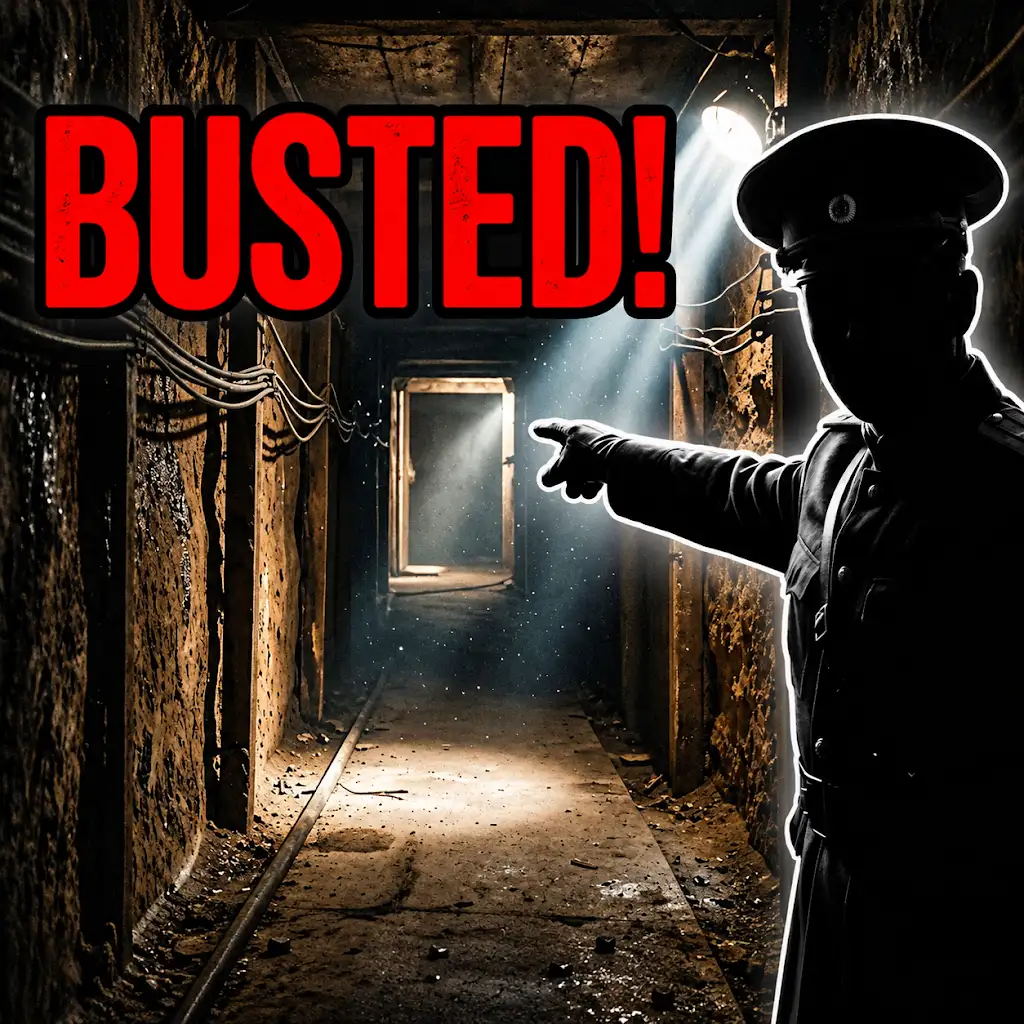
Operation Gold: The Day the Soviets Busted the CIA’s Secret Tunnel
FAQs
What is the Berlin tunnel staged discovery?
The Berlin tunnel staged discovery refers to the event in 1962 when a tunnel built by the CIA and British intelligence was discovered by East German authorities.
Where was the Berlin tunnel located?
The Berlin tunnel was located in West Berlin, near the border with East Berlin. It ran from a building in West Berlin to a location in East Berlin, allowing for the interception of communications.
Who was involved in the construction of the Berlin tunnel?
The construction of the Berlin tunnel was a joint operation between the CIA and British intelligence agencies. It was part of an effort to intercept communications from the Soviet Union and East Germany.
How did East German authorities discover the Berlin tunnel?
East German authorities discovered the Berlin tunnel through a tip-off from a mole within the operation. They then conducted a thorough search and eventually found the tunnel, leading to its public exposure.
What were the consequences of the Berlin tunnel discovery?
The discovery of the Berlin tunnel caused a major diplomatic incident between the United States, Britain, and the Soviet Union. It also led to increased tensions during the Cold War period.