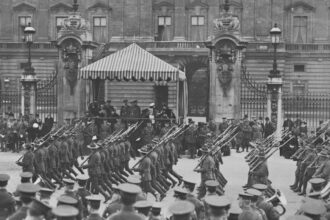
The vast, churning waters of the English Channel whispered secrets of impending invasion. Yet, the most profound secret wasn’t the location of the Allied landings, but the meticulously crafted illusion designed to conceal them. Operation Fortitude, the overarching deception campaign for the D-Day landings, stands as a testament to the power of psychological warfare and strategic misdirection. Its success hinged on Operation Fortitude’s diversion, a critical component that aimed to draw German attention and resources away from the true invasion beaches. This intricate web of lies, forged from phantom armies, fictitious equipment, and cleverly placed misinformation, was instrumental in ensuring the success of one of history’s most pivotal military operations.
The Genesis of Deception
The need for deception was immediately apparent to Allied planners. D-Day, codenamed Operation Overlord, was an audacious undertaking, requiring a massive concentration of troops, ships, and aircraft. Such a formidable force, even if partially obscured, would inevitably be detected by German reconnaissance. The Axis powers, particularly their formidable intelligence apparatus, were not to be underestimated. The Allies understood that if the Germans could accurately predict the landing sites and the timing, they could amass their reserves and launch a devastating counterattack, potentially turning the tide of the war before it truly began. Therefore, the deception had to be comprehensive, credible, and, most importantly, diverting.
The Stakes of Overlord
Operation Overlord, the Allied invasion of Normandy, was conceived as the pivotal moment of the European theater of World War II. Its objective was to liberate Western Europe from Nazi occupation, a task fraught with immense peril. The German Atlantic Wall, a formidable line of coastal defenses stretching for thousands of miles, represented a significant barrier. Beyond the wall lay heavily armed German divisions, ready to repel any invasion. The success of Overlord was contingent on achieving a crucial tactical advantage: surprise. Without surprise, the overwhelming strength of the German defenses could prove insurmountable. The Allies recognized that simply landing on the beaches would not be enough; they needed to land with enough initial force to establish a beachhead and then expand it, all while fending off a potentially massive German response. This delicate balance hinged on the enemy’s uncertainty regarding the true invasion location and timing.
The Role of Operation Fortitude
Operation Fortitude was not merely an afterthought; it was a cornerstone of the D-Day strategy. Its primary objective was to deceive the German High Command into believing that the main Allied invasion would occur at a different location and, if possible, at a different time than the actual landings. This would force the Germans to commit their strategic reserves, including vital armored divisions, to defend the perceived threat, leaving Normandy relatively weaker and more vulnerable to a successful Allied assault. The campaign was meticulously planned and executed by the British deception organization, known as the London Controlling Section (LCS), and implemented by various agencies across the Allied forces. It was a masterpiece of psychological warfare, exploiting the enemy’s fears, assumptions, and intelligence vulnerabilities.
Operation Fortitude, the elaborate deception plan that misled the Germans about the location of the D-Day invasion, is a fascinating topic in the study of World War II strategies. For those interested in exploring this subject further, a related article can be found at In the War Room, which delves into the intricacies of the Normandy diversion and the broader implications of military deception during the war. This resource provides valuable insights into how misinformation played a crucial role in the success of the Allied forces.
The Phantom Army of Pas-de-Calais
The most prominent and impactful element of Operation Fortitude was the creation of a fictitious army group, designated the First United States Army Group (FUSAG), commanded by the highly respected and charismatic General George S. Patton. This phantom army was positioned in southeastern England, directly across the Strait of Dover from the Pas-de-Calais region of France, the most logical and historically probable landing site for an invasion of continental Europe. The Germans, having anticipated an invasion for years, had always considered Pas-de-Calais the most advantageous crossing point. FUSAG was designed to exploit this ingrained assumption to its fullest.
Crafting the Illusion of FUSAG
The creation of FUSAG was a monumental undertaking, requiring the fabrication of an entire army on paper and through various visible manifestations. Thousands of dummy landing craft, constructed from wood and canvas, were amassed in ports like Dover and Ramsgate, creating the visual impression of an imminent invasion fleet poised to cross the narrowest part of the English Channel. Inflatable tanks, trucks, and artillery pieces were strategically placed in fields and encampments, illuminated at night to simulate a massive military presence. Radio traffic was meticulously managed, with constant communications purportedly from FUSAG units, broadcasting in a convincing manner and tone that suggested a real and active force. Dummy airfields were established, complete with mock aircraft and visible activity, further reinforcing the illusion of a large-scale buildup.
The Power of Patton’s Persona
General George S. Patton’s involvement was crucial to the credibility of FUSAG. His aggressive reputation and his known proximity to previous invasion plans made him the ideal figurehead for this phantom army. German intelligence monitored his movements and communications closely, and the constant “buzz” surrounding Patton and his supposed command lent immense weight to the deception. Agents provocateurs, carefully vetted and trained, fed information to German contacts that reinforced the narrative of an imminent Pas-de-Calais invasion led by Patton. The sheer spectacle of FUSAG, combined with the magnetic personality of its supposed commander, was designed to capture and hold German attention, diverting their gaze from the actual invasion objective.
Whispers in the Ether: Radio and Agents
The electromagnetic spectrum and the network of spies operating within occupied Europe were critical conduits for Operation Fortitude’s diversionary tactics. Radio communications, a vital tool for any military operation, were weaponized to broadcast deceptive messages, while double agents played a dangerous game of feeding misinformation to their German handlers. The Allies understood that the German intelligence services were actively seeking information, and they were determined to provide them with exactly what they wanted to hear.
Deceptive Radio Traffic
The objective was to make the German High Command believe that FUSAG was a real and fully operational army, preparing for a major offensive. To achieve this, Allied radio operators meticulously crafted and transmitted simulated radio traffic. This traffic included routine operational messages, troop movements, supply requests, and even casual chatter that mimicked the rhythm and content of genuine military communications. The broadcasts were timed and patterned to suggest a genuine operational buildup, designed to lull the German listener into a false sense of security regarding their true intentions. The sheer volume and apparent authenticity of this radio traffic created a convincing illusion of a massive force preparing to cross the Channel at Pas-de-Calais. Specialized listening posts and radio direction-finding units were used to ensure that these deceptive signals were received and interpreted by the German command as intended.
The Double Agent Network
The use of double agents, also known as “turned” agents, was a highly sensitive but crucial element of Operation Fortitude. These were individuals who had previously worked for German intelligence but had been captured, turned, and then tasked with feeding carefully selected misinformation back to their former handlers. The “Rote Kapelle” (Red Orchestra) and other networks provided a fertile ground for these operations. The agents would provide detailed, yet fabricated, information about FUSAG’s strength, deployment, and intended invasion routes. This information was often presented in a way that appeared to be an insider’s revelation, lending it a veneer of credibility. Crucially, the information provided by these agents was corroborated by other elements of the deception, such as the visual displays and radio traffic, creating a reinforcing loop of false intelligence that German analysts were inclined to trust.
Misinformation and Mistaken Identities
Beyond the grand spectacle of FUSAG, Operation Fortitude employed a multitude of smaller, yet equally vital, deceptions to further solidify the illusion of a Pas-de-Calais invasion. These ranged from the seemingly innocuous to the subtly menacing, all designed to sow confusion and misdirect German resources.
The Art of the Decoy
The Allies employed various methods to create the impression of ongoing activity in areas other than Normandy. This included small-scale feints and demonstrations designed to draw German attention and reconnaissance away from the true invasion area. Patrols were launched in areas where no invasion was planned, and dummy parachute drops were conducted to simulate airborne assaults. The goal was to keep German forces constantly reacting to perceived threats in multiple locations, stretching their resources and attentional capacity thin. This constant “chasing shadows” tactic ensured that any genuine reconnaissance efforts that might stumble upon the real invasion preparations in Normandy would be dismissed as a minor diversionary effort.
The “Jelly” and “Kitten” Operations
The success of the deception relied heavily on the ability to control and manipulate the flow of information to the German High Command. Operation Fortitude utilized specific codenames for its various deception efforts, and the information disseminated through these channels was carefully curated. For example, the “Jelly” operations focused on creating the impression of an imminent invasion by the Royal Air Force (RAF) in the Pas-de-Calais area, while “Kitten” operations involved the use of misinformation about naval movements and potential amphibious assaults. The naming of these operations itself was part of the psychological game, designed to sound plausible and to be easily understood by the German analysts who were privy to them. The consistent dissemination of information under these codenames, often corroborated by visual evidence and radio traffic, created a cohesive and believable narrative of an impending invasion of Pas-de-Calais.
Operation Fortitude, the elaborate deception plan that misled the Germans about the true location of the D-Day invasion, was a crucial element of the Allied strategy during World War II. This operation involved a series of deceptive tactics, including fake radio transmissions and the creation of phantom armies. For those interested in exploring more about the intricacies of this operation and its impact on the Normandy landings, a related article can be found at this link. Understanding the significance of such deceptions provides valuable insight into the complexities of wartime strategy and the art of misdirection.
The Aftermath and Legacy
| Metric | Details |
|---|---|
| Operation Name | Operation Fortitude |
| Purpose | Deception to mislead German forces about the location of the D-Day invasion |
| Duration | January 1944 – June 1944 |
| Main Deception Areas | Fortitude North (Norway), Fortitude South (Pas de Calais) |
| Fake Units Created | Over 10 divisions, including the fictitious First U.S. Army Group (FUSAG) |
| Key Techniques | Fake radio traffic, dummy tanks and aircraft, double agents, controlled leaks |
| Impact on German Forces | Delayed German reinforcements to Normandy by several weeks |
| Notable Double Agents | Juan Pujol García (Garbo), Roman Czerniawski (Brutus) |
| Outcome | Successful diversion contributing to the success of the Normandy landings |
The success of Operation Fortitude’s diversion was not immediately apparent in the chaotic hours and days following D-Day. However, as the dust settled and the Allies began to consolidate their gains, the strategic impact of the deception became undeniably clear. The German High Command, having been thoroughly misled, was slow to react, failing to commit their strategic reserves to Normandy until it was too late.
The Delayed German Response
Crucially, the German military, particularly their armored divisions, remained positioned in the Pas-de-Calais area for a significant period after the Normandy landings. This was a direct consequence of the effective deception orchestrated by Operation Fortitude. The German commander, Field Marshal Gerd von Rundstedt, and his staff were convinced that the Normandy landings were merely a feint, a preliminary attack designed to draw their attention away from the “real” invasion that was still to come at Pas-de-Calais. This misjudgment, fueled by months of carefully crafted misinformation, proved to be a catastrophic error. The delay in committing these vital reserves allowed the Allied forces in Normandy to establish and expand their beachhead, transforming a precarious foothold into a viable staging ground for the liberation of Europe.
A Masterclass in Deception
Operation Fortitude, and specifically its diversionary efforts, cemented its place in military history as a paradigm of successful deception. It demonstrated the profound impact that psychological warfare could have on the outcome of a conflict. By exploiting the enemy’s preconceptions and desires, and by meticulously constructing a plausible, albeit fictitious, reality, the Allies were able to achieve a critical strategic advantage without firing a shot in anger at the diversionary targets. The meticulous planning, the ingenious execution, and the sheer audacity of Operation Fortitude’s diversion served as a potent reminder that in war, the battle for the mind could be just as decisive as the battle for territory. The silent, unseen victory of deception paved the way for the overt, hard-fought triumph of the Normandy landings and the subsequent liberation of Europe.
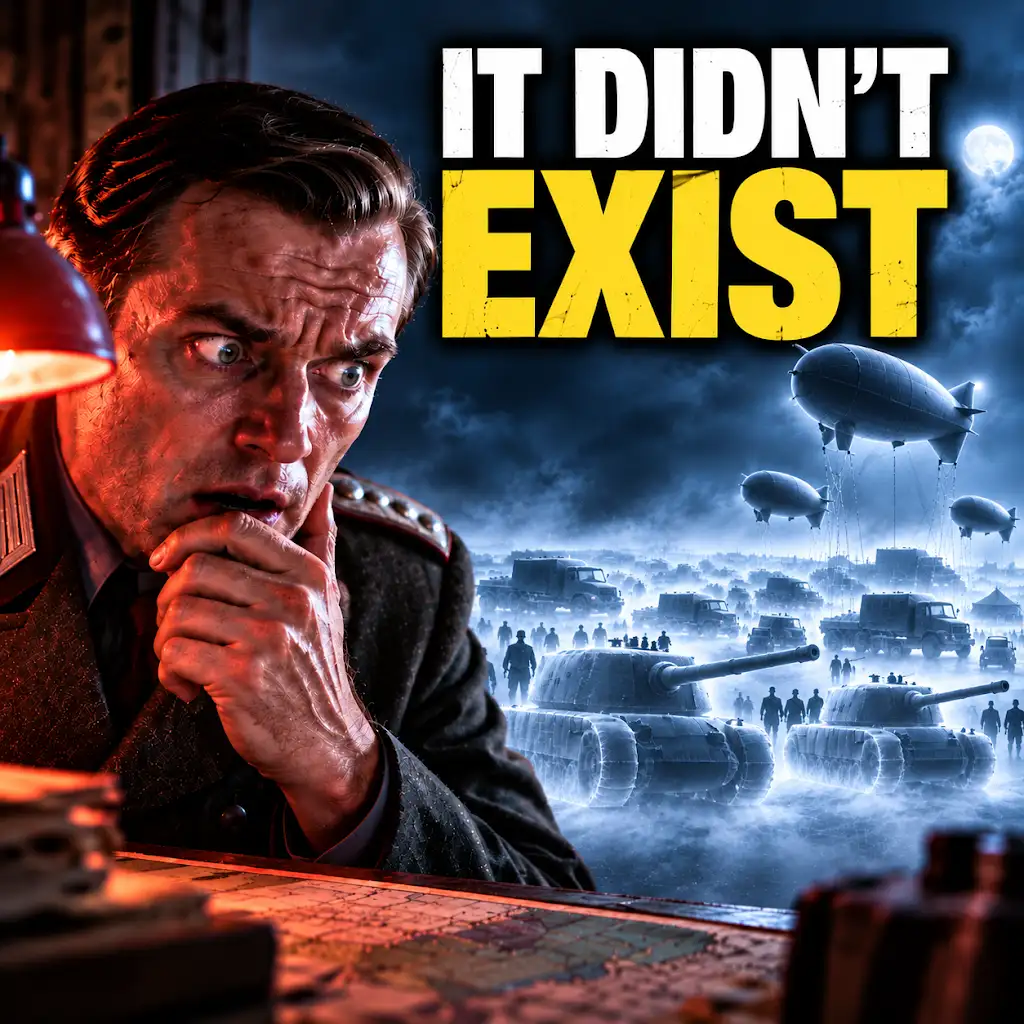
How the Allies Built an Army for Germany to Discover
FAQs
What was Operation Fortitude?
Operation Fortitude was a World War II military deception plan employed by the Allied forces to mislead the German military about the location and timing of the D-Day invasion.
What was the purpose of Operation Fortitude?
The main purpose of Operation Fortitude was to divert German attention away from the actual invasion site in Normandy by creating the illusion of a fake invasion force in a different location.
How was Operation Fortitude carried out?
Operation Fortitude involved the creation of a fictitious First United States Army Group (FUSAG) led by General George S. Patton, with fake radio traffic, inflatable tanks, and other deceptive measures to convince the Germans that the invasion would take place at Pas-de-Calais instead of Normandy.
Did Operation Fortitude contribute to the success of the D-Day invasion?
Yes, Operation Fortitude played a crucial role in the success of the D-Day invasion by confusing and misleading the German high command, causing them to keep significant forces in the wrong location and delaying their response to the actual invasion at Normandy.
What impact did Operation Fortitude have on the outcome of World War II?
Operation Fortitude is considered one of the most successful deception operations in military history and is credited with helping to ensure the success of the D-Day invasion. By keeping the Germans off guard and misinformed, it significantly weakened their defenses and contributed to the eventual Allied victory in Europe.