
Uncovering Roots: DNA Ancestry Documentary delves into the profound human quest to understand our origins. The film, a compelling exploration of personal history through the lens of genetic science, invites viewers on a journey across continents and generations. It posits that within the intricate code of our DNA lies not just biological information, but also a tapestry of stories, migrations, and ancestral connections waiting to be unraveled. The documentary meticulously details how modern DNA ancestry testing, once a niche scientific pursuit, has become a mainstream phenomenon, empowering individuals to connect with their heritage in ways previously unimaginable. Through a series of captivating personal narratives, interspersed with expert interviews and historical context, Uncovering Roots illustrates the transformative power of understanding where we come from. It challenges viewers to consider not only their immediate family tree but also the vast, often surprising, expanse of their ancestral lineage. The film emphasizes that this exploration is more than just an academic exercise; it is an emotional and often deeply personal experience that can reshape one’s identity and worldview.
The Science Behind the Story
The documentary begins by demystifying the science underpinning DNA ancestry testing. It breaks down complex genetic concepts into accessible explanations, making the process understandable to a lay audience. The film highlights the key types of DNA that are analyzed and the unique information each provides, effectively laying the groundwork for the subsequent personal stories.
Mitochondrial DNA: Tracing the Maternal Lineage
Uncovering Roots explains that mitochondrial DNA (mtDNA) is inherited exclusively from the mother. Because it mutates at a relatively slow and predictable rate, mtDNA is an excellent tool for tracing maternal lineage back tens of thousands of years. The film shows how this type of testing can pinpoint ancient migratory routes and identify shared ancestry with groups who lived in distant prehistoric eras. Viewers learn about the concept of the “Mitochondrial Eve,” the most recent common matrilineal ancestor of all humans, and how tracing mtDNA can connect individuals to specific haplogroups that represent vast swathes of human history. The documentary features scientists explaining the process of extracting and analyzing mtDNA, often from minuscule samples, and how this data is then compared against extensive databases to identify matches and patterns.
Y-Chromosome DNA: Unraveling the Paternal Path
In parallel to mtDNA, the documentary explores Y-chromosome DNA (Y-DNA). This genetic material is passed down exclusively from father to son, making it ideal for tracing paternal lineage. Similar to mtDNA, Y-DNA also carries mutations that accumulate over time, allowing for the tracking of paternal ancestors back through millennia. Uncovering Roots demonstrates how Y-DNA testing can reveal connections to ancient warrior tribes, seafaring explorers, and founding fathers, painting a vivid picture of men’s ancestral journeys. The film interviews genetic genealogists who explain how Y-DNA testing can help identify specific surnames that share common paternal ancestors, thereby helping individuals connect with distant relatives and understand the historical distribution of their paternal line. The concept of the “Y-chromosomal Adam” is also introduced, highlighting the shared paternal ancestry of all modern humans.
Autosomal DNA: The Mosaic of Modern Ancestry
The most commonly used type of DNA for ancestry testing, autosomal DNA, is the focus of a significant portion of the film. Inherited from both parents, autosomal DNA contains a mixture of genetic material from all ancestors, spanning roughly the last five to seven generations. Uncovering Roots emphasizes that autosomal DNA testing provides the broadest overview of an individual’s genetic makeup, revealing ethnic origins from various regions and identifying a multitude of potential relatives through shared DNA segments. The documentary showcases how algorithms analyze millions of data points within autosomal DNA to estimate ethnic percentages, offering a detailed breakdown of ancestral homelands. This section also delves into the concept of “ethnicity estimates” and the inherent limitations and evolving nature of these classifications as scientific understanding and databases grow. The film uses visually striking graphics to illustrate how autosomal DNA is inherited in a random fashion from a multitude of ancestors, creating a unique genetic mosaic for each individual.
If you’re intrigued by the fascinating world of DNA ancestry and its implications for understanding our heritage, you might find the related article on the topic particularly enlightening. This article delves into the science behind genetic testing and explores how it has revolutionized the way we perceive our ancestry. To read more about this captivating subject, visit the article here: DNA Ancestry Insights.
Personal Journeys of Discovery

Beyond the scientific underpinnings, Uncovering Roots shines a light on the profound personal impact of DNA ancestry testing. The documentary presents a diverse cast of individuals whose lives have been irrevocably changed by the revelations unearthed through their genetic heritage. These stories are the emotional core of the film, showcasing the universal human desire to belong and understand one’s place in the world.
Bridging Generational Divides
One compelling narrative follows a young woman who believed her family history was well-documented, only to discover through DNA testing that her perceived ancestry was incomplete. The documentary illustrates her emotional journey as she uncovers a branch of her family tree in a country she never knew existed, revealing a hidden history of migration and adaptation. This discovery challenges her preconceived notions of her identity and fosters a deeper understanding of her parents’ and grandparents’ experiences. The film explores the generational aspect of this discovery, showing how the unearthed information can spark conversations and bridge gaps between older generations who may hold pieces of the story and younger generations eager to learn. The emotional weight of uncovering suppressed or forgotten family histories is a central theme here.
Reconnecting Lost Family Ties
Another poignant story features an individual who, after years of searching, finally locates biological family members through DNA matches. The documentary captures the raw emotion of these reunions, highlighting the profound impact of connecting with long-lost siblings, aunts, uncles, or cousins. It explores the complexities of these new relationships, the shared experiences that emerge, and the healing that can occur when fragmented families are made whole. The film underscores how DNA testing acts as a powerful catalyst for reconciliation and the rebuilding of familial bonds that were severed by adoption, unknown parentage, or historical circumstances. The joy and surprise of finding individuals with whom one shares a genetic destiny are palpable in these segments.
Challenging Perceptions of Identity
Uncovering Roots also features individuals whose DNA results dramatically alter their understanding of their ethnicity and background. A person who always identified with one cultural group is surprised to find significant genetic markers from a seemingly unrelated population. The documentary navigates their journey of reconciling these unexpected findings with their lifelong identity, illustrating how genetic ancestry can broaden perspectives and foster a more inclusive sense of self. This often involves grappling with historical narratives, societal prejudices, and personal biases. The film suggests that embracing a more complex ancestral identity can lead to a richer and more nuanced understanding of the human experience. The process of questioning and ultimately embracing a more expansive identity is a powerful arc within these narratives.
Historical Migrations and Ancient Connections
The documentary transcends individual stories to explore the broader patterns of human migration and the ancient connections revealed by DNA ancestry. It uses genetic data as a historical map, illustrating how our ancestors moved across continents, shaped cultures, and left indelible traces of their journeys in our DNA.
The Out of Africa Exodus
Uncovering Roots dedicates significant attention to the “Out of Africa” theory, explaining how modern humans originated in Africa and subsequently migrated to populate the rest of the globe. The film presents genetic evidence, including haplogroup analysis, that supports this foundational narrative of human dispersal. It visually maps the ancient migration routes, demonstrating how different populations diverged and adapted to various environments over tens of thousands of years. The documentary interviews paleoanthropologists and geneticists who explain the scientific consensus on this topic and how DNA analysis provides compelling corroboration of archaeological and fossil evidence. The vast timescale involved and the sheer audacity of these early human journeys are emphasized.
The Silk Road and Beyond
The documentary highlights how DNA evidence can illuminate historical trade routes and cultural exchanges, such as the ancient Silk Road. By examining shared genetic markers in populations that were historically connected by these routes, Uncovering Roots demonstrates the flow of people, ideas, and genes across vast distances. The film illustrates how seemingly disparate ethnic groups can share surprising ancestral links due to these historical interactions. Expert commentary explains how genetic data can pinpoint the origins of specific ancestral contributions to different populations, offering a new perspective on historical trade and cultural diffusion. The interconnectedness of ancient civilizations, previously understood through artifacts and texts, is now being illuminated through the lens of genetics.
The Impact of Invasions and Migrations
Uncovering Roots also examines the genetic impact of major historical events like invasions, conquests, and large-scale migrations. The documentary shows how the DNA of certain populations bears the imprint of these significant historical shifts, revealing patterns of conquest, displacement, and assimilation. For instance, it might explore the genetic legacy of Roman expansion, Viking migrations, or the spread of agricultural societies. The film explains how geneticists can identify specific ancestral admixtures that correspond to these historical movements, providing a deeper, more visceral understanding of how history unfolded on a genetic level. The narrative here is one of both resilience and change, as populations adapted and evolved in response to external forces.
Ethical Considerations and Future Horizons
As DNA ancestry testing becomes more prevalent, Uncovering Roots thoughtfully addresses the ethical considerations and the evolving landscape of this technology. The film encourages a nuanced understanding of the data and its implications, prompting viewers to consider the responsibilities that come with such powerful genetic insights.
Privacy and Data Security
A significant portion of the documentary is dedicated to the crucial issue of genetic privacy. Uncovering Roots explores the potential risks associated with storing vast amounts of sensitive genetic data, including the possibility of data breaches or misuse by third parties. The film interviews experts in data security and privacy law who discuss the importance of informed consent, data anonymization, and robust security measures. It raises questions about who owns genetic data and how it should be protected in an increasingly interconnected world. The documentary urges viewers to be mindful of the terms of service of DNA testing companies and to understand how their data might be used.
The Role of DNA in Forensics and Law Enforcement
The film also touches upon the controversial use of DNA ancestry databases in criminal investigations. Uncovering Roots examines cases where familial DNA matching has led to the identification and apprehension of suspects, often years after crimes were committed. It explores the legal and ethical debates surrounding this practice, including concerns about privacy violations and the potential for misidentification. The documentary encourages a balanced perspective, acknowledging the potential benefits for solving cold cases while also highlighting the need for strict regulations and oversight to prevent abuse. The potential for unintended consequences and the expansion of surveillance capabilities are key points of discussion.
The Future of Genetic Genealogy
Looking ahead, Uncovering Roots speculates on the future of genetic genealogy. The film discusses advancements in DNA sequencing technology, the development of more sophisticated analytical tools, and the potential for uncovering even deeper ancestral connections. It explores how future generations might use this technology to understand their heritage in unprecedented detail, potentially revealing insights into ancient diseases, traits, and even the social structures of prehistoric societies. The documentary offers a hopeful yet cautious outlook, emphasizing that as the technology advances, so too must our understanding of its ethical and societal implications. The drive for deeper knowledge is tempered by the need for responsible application.
The fascinating world of DNA ancestry has captured the attention of many, leading to a surge in documentaries exploring our genetic heritage. One such insightful piece can be found in a related article that delves deeper into the implications of genetic testing and its impact on personal identity. For those interested in this topic, you can read more about it in the article on the subject at In the War Room, which provides a comprehensive overview of how our DNA can connect us to our past and shape our future.
Conclusion: A Deeper Understanding of Ourselves
| Metric | Value | Description |
|---|---|---|
| Average Viewership | 1.2 million | Number of viewers per episode |
| Number of Episodes | 8 | Total episodes in the documentary series |
| Average Episode Length | 45 minutes | Duration of each episode |
| Countries Featured | 12 | Number of countries explored in the documentary |
| DNA Samples Analyzed | 500+ | Number of DNA samples used for ancestry tracing |
| Release Year | 2023 | Year the documentary was first released |
| IMDb Rating | 8.3/10 | Average user rating on IMDb |
Uncovering Roots: DNA Ancestry Documentary ultimately leaves the viewer with a profound sense of connection – to their ancestors, to humanity’s shared past, and to the ongoing story of human evolution. The film masterfully blends scientific rigor with deeply human narratives, demonstrating that understanding our genetic heritage is not merely an academic pursuit but a journey of self-discovery that can enrich our lives and broaden our perspectives.
Embracing a Global Heritage
The documentary concludes by emphasizing the unifying nature of genetic ancestry. While DNA testing can reveal specific ethnic origins, it also highlights the fundamental interconnectedness of all humans. Uncovering Roots argues that by understanding our diverse ancestral backgrounds, we can foster greater empathy and appreciation for different cultures and peoples. The film suggests that recognizing our shared genetic heritage can break down artificial barriers and promote a more inclusive and harmonious world. The idea that every individual is a living testament to countless generations of human experience is a powerful takeaway.
The Ongoing Evolution of Identity
The film posits that identity is not static but a dynamic and evolving construct. DNA ancestry testing offers a new layer of understanding, a genetic dimension to our personal narratives. Uncovering Roots encourages viewers to embrace the complexities of their heritage, to be open to unexpected revelations, and to integrate these new insights into their ongoing journey of self-definition. The documentary leaves a lasting impression: that in the intricate dance of genes, we find not only the echoes of our past but also the foundations for a richer understanding of our present and future selves. The quest to uncover our roots is, in essence, a quest to understand the very fabric of what it means to be human.
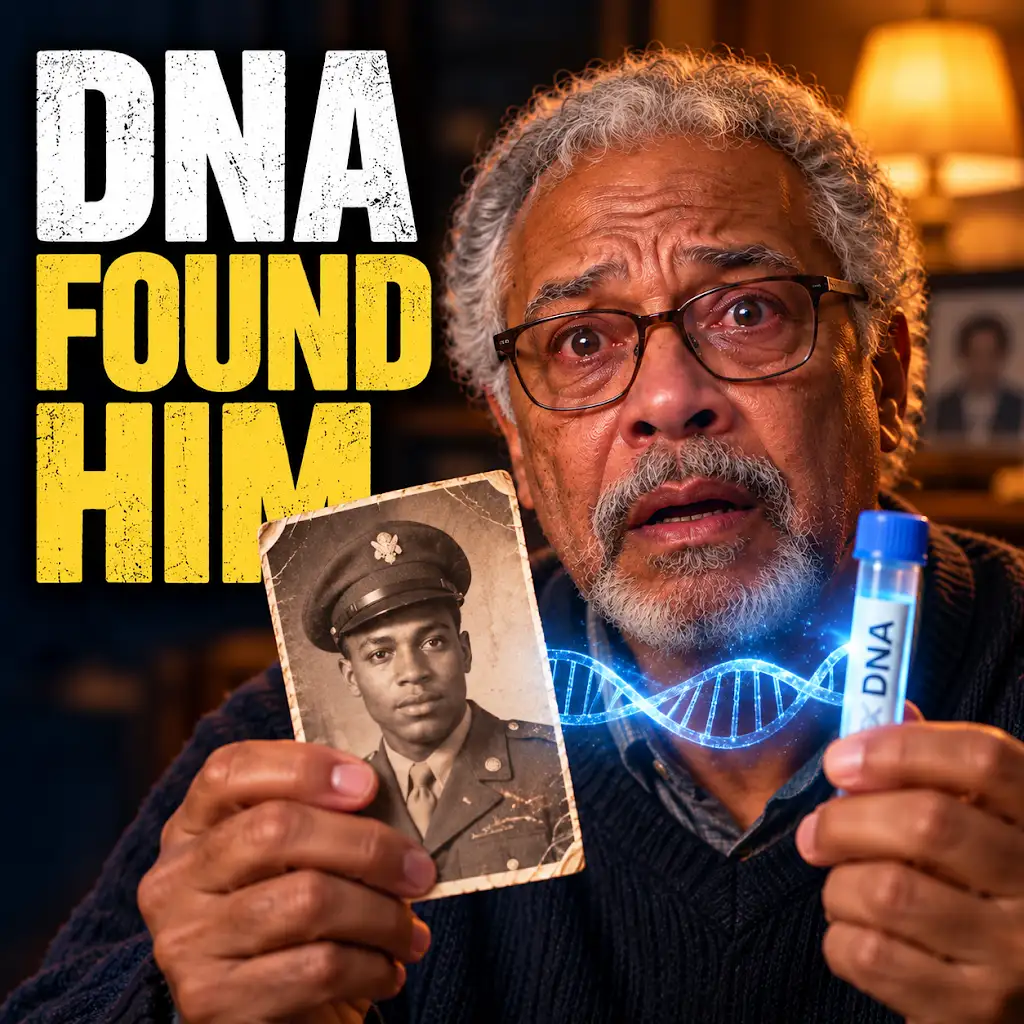
His WWII GI Father Was a Mystery for Nearly 80 Years
FAQs
What is a DNA ancestry documentary?
A DNA ancestry documentary is a film or television program that follows individuals as they explore their genetic heritage through DNA testing. These documentaries often showcase the process of discovering one’s ancestry and the emotional impact it can have on the participants.
How do DNA ancestry documentaries work?
DNA ancestry documentaries typically involve individuals submitting a DNA sample, usually through a saliva or cheek swab test. The DNA sample is then analyzed by a laboratory to determine the person’s genetic ancestry. The results are often presented to the participants in the documentary, revealing their ethnic background and potential connections to distant relatives.
What are the benefits of watching a DNA ancestry documentary?
Watching a DNA ancestry documentary can be educational and enlightening, as it provides insight into the science behind genetic ancestry testing and the diversity of human heritage. These documentaries can also spark conversations about identity, family history, and the interconnectedness of all people.
Are DNA ancestry documentaries accurate?
DNA ancestry testing is generally considered to be accurate in determining a person’s genetic ancestry at a broad level. However, the results may not always be 100% precise, as genetic ancestry is a complex and evolving field. It’s important to approach the information presented in DNA ancestry documentaries with a critical eye and an understanding of the limitations of genetic testing.
Where can I watch DNA ancestry documentaries?
DNA ancestry documentaries can be found on various streaming platforms, such as Netflix, Amazon Prime Video, and Hulu. Additionally, some documentaries may be available for purchase or rental on platforms like iTunes or Google Play. Check with your local library or educational institutions for access to DNA ancestry documentaries as well.