The fiery specter of rocket failures has long haunted the annals of military aviation engineering. These catastrophic events, often marked by spectacular explosions and devastating loss of life and equipment, serve as stark reminders of the immense complexity and inherent risks involved in rocketry. Far from being mere isolated incidents, these disasters offer invaluable, albeit often painfully acquired, lessons that have shaped and continue to refine the design, testing, and operational protocols of military rocket systems. Examining these historical failures provides a crucial lens through which to understand the evolution of safety standards, the pursuit of reliability, and the relentless drive for innovation in an arena where the stakes are exceptionally high.
The Unforgiving Crucible of Early Rocketry
The nascent days of rocketry, particularly within military contexts, were characterized by a pioneering spirit coupled with a limited understanding of the forces at play. The allure of faster, more powerful projectiles was undeniable, driving rapid experimentation, often with insufficient theoretical grounding or robust testing methodologies. This era was fertile ground for spectacular failures, stemming from fundamental design flaws, material limitations, and a lack of rigorous quality control.
Impulsive Innovation and the Absence of Precedent
In the early 20th century, the development of rockets for military applications was often a race against time and technological adversaries. Military planners envisioned new offensive capabilities, from anti-aircraft artillery to self-propelled guns and even early forms of missile technology. This urgency frequently led to the rapid prototyping and deployment of designs that had undergone minimal validation. Engineers were essentially navigating uncharted territory, relying on intuition, extrapolation from existing technologies, and limited empirical data. The absence of established safety standards and comprehensive simulation tools meant that many designs were fundamentally flawed from their inception, waiting for the inevitable moment of ignition to reveal their weaknesses. The inherent instability of early propellants, often unstable and prone to unintended detonation, added another layer of peril.
Propellant Instability: A Volatile Legacy
The very heart of any rocket is its propellant, and historically, this has been a primary source of catastrophic failure. Early solid propellants, often based on nitrocellulose or early composite formulations, were notoriously unstable. Their sensitivity to shock, friction, and even ambient temperature variations made them highly unpredictable. Accidental ignition during handling, storage, or assembly was a constant threat. Furthermore, inconsistencies in manufacturing meant that batches of propellant could possess vastly different burn rates and explosive properties. Liquid propellants, while offering greater control, introduced their own set of dangers, with highly corrosive or hypergolic fuels and oxidizers posing severe risks during fueling and operation. The uncontrolled combustion or detonation of these volatile substances within the confined space of a rocket engine invariably led to catastrophic structural failure.
Structural Integrity Under Unforeseen Stresses
Beyond the propellants themselves, the structural integrity of the rocket airframe and its components proved to be a frequent Achilles’ heel. The immense pressures and temperatures generated during rocket motor operation, combined with the aerodynamic stresses of flight, placed extraordinary demands on materials. Early designs often lacked sufficient understanding of stress concentrations, fatigue limits, and the effects of vibration. Overly ambitious payload capacities or aggressive flight profiles could easily exceed the structural design limits, leading to disintegration in flight. The failure of engine mounts, casing rupture, or the separation of critical components during ascent were not uncommon occurrences, painting a grim picture of the challenges faced by engineers in this foundational period.
In the realm of military aviation, engineering failures can have catastrophic consequences, particularly when it comes to rocket technology. A related article that delves into these critical issues is available at this link: Military Aviation Engineering Failures: Lessons from Rocket Technology. This piece explores various incidents where design flaws and technical malfunctions have led to significant setbacks in military operations, highlighting the importance of rigorous testing and quality assurance in aerospace engineering.
The Post-War Era: Escalation and the Search for Reliability

The aftermath of World War II witnessed a dramatic acceleration in rocket technology, fueled by wartime advancements and the burgeoning Cold War arms race. Military budgets poured into research and development, leading to more powerful, more complex rocket systems. However, this rapid escalation also brought with it new classes of failures, often stemming from the increased complexity of guidance systems, staging mechanisms, and the sheer scale of these new weapons.
The Dawn of Guided Missiles: Complexity as a New Vulnerability
The transition from unguided artillery rockets to sophisticated guided missiles introduced a new dimension of failure modes. These systems incorporated intricate guidance, navigation, and control (GNC) systems, often relying on early analog electronics, gyroscopes, and complex electromechanical actuators. A failure in any one of these interconnected subsystems could lead to a missile going off course, becoming unstable, or even detonating prematurely. The development of reliable solid-state electronics was still in its infancy, and the harsh vibrational and thermal environment of a rocket launch was a significant challenge for even the most robust early electronic components. Software, in its nascent form, was also prone to critical errors.
Staging Catastrophes: The Perils of Separation
As rockets grew in size and power, multi-stage designs became essential to achieve orbital velocities or intercontinental ranges. However, the separation of rocket stages is a critical and inherently risky maneuver. Failures in the staging sequence, such as incomplete separation, premature ignition of the next stage, or the failure of separation mechanisms, could lead to explosive collisions between stages or the loss of control. These events often resulted in the complete destruction of the vehicle, highlighting the need for meticulously engineered and thoroughly tested separation systems. The precise timing and coordination required for successful staging proved to be a significant engineering hurdle.
The Spectre of Nuclear Payloads: Amplified Consequences
The development of nuclear warheads for ballistic missiles introduced an unimaginable amplification of the consequences of rocket failure. A launch failure involving a nuclear-tipped missile carried the terrifying prospect of accidental nuclear detonation, either on the launch pad, in flight, or upon impact with a civilian area. This led to an unprecedented focus on safety and reliability in the design of these systems. Extensive redundancy, fail-safe mechanisms, and stringent launch abort procedures were developed to mitigate the risk of a nuclear catastrophe. The threat of accidental nuclear war underscored the critical importance of engineering excellence in the military rocketry domain.
Modern Challenges: Sophistication, Scale, and the Human Element
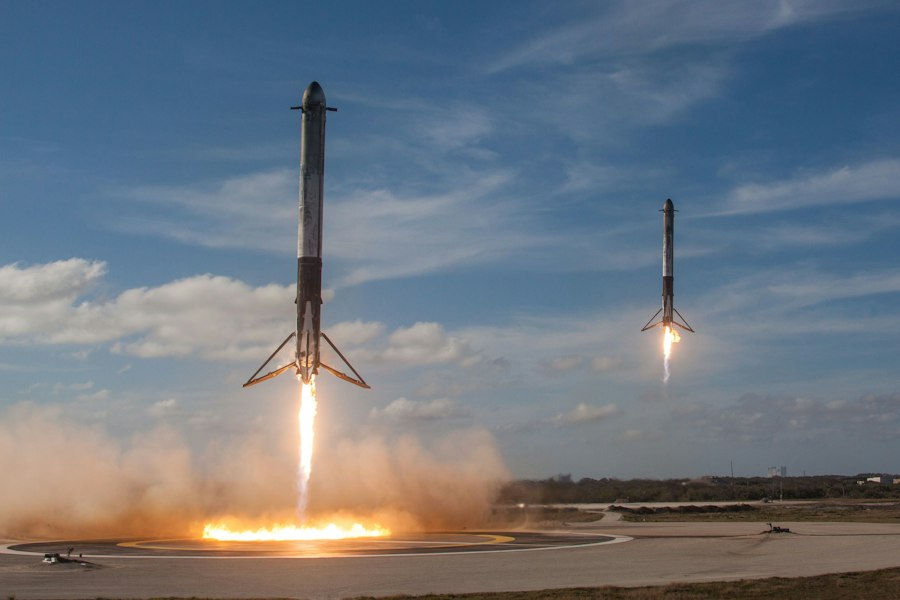
Even with decades of experience and advanced engineering tools, modern military aviation engineering remains susceptible to failures, albeit often of a more nuanced and complex nature. The pursuit of ever-increasing performance, the integration of cutting-edge technologies, and the demands of operational deployment continue to present formidable challenges.
The Tyranny of the Interconnected System
Contemporary military rocket systems are astonishingly complex, comprising millions of lines of code, thousands of components, and intricate interfaces between hardware and software. The failure of one seemingly minor component or a subtle software glitch can propagate through the system, leading to cascading failures. The challenge lies not just in designing individual components to be reliable but in ensuring the seamless and robust integration of all these elements. This interconnectedness means that even thoroughly tested individual subsystems can interact in unexpected and detrimental ways under real-world conditions. The sheer scale of modern systems makes exhaustive testing and validation a formidable, if not impossible, task.
Advanced Materials and Extreme Environments
The quest for greater thrust, higher efficiency, and lighter structures drives the development and application of advanced materials, including exotic alloys, composites, and ceramics. While these materials offer significant performance advantages, they also present unique engineering challenges. Their behavior under extreme temperatures, pressures, and vibrational loads can be less predictable than traditional materials. Failure modes can be subtle, such as micro-cracking, delamination, or unexpected brittle fracture, which may only manifest under specific operational stresses. Understanding and accurately modeling the long-term performance and failure mechanisms of these advanced materials in the harsh environment of rocket flight remains an ongoing area of research and engineering vigilance.
The Enduring Human Factor: Design, Operations, and Oversight
Despite the increasing automation of rocket systems, the human element remains a critical factor in both success and failure. Errors in design conception, flawed assumptions made during development, inadequate testing protocols, or lapses in quality control during manufacturing can all plant the seeds of future failures. Similarly, operational errors, such as improper maintenance, incorrect pre-launch procedures, or misinterpretation of data, can lead to catastrophic outcomes. The psychological pressure on launch crews and engineers, particularly during critical phases of a mission, can also contribute to human error. Maintaining a culture of rigorous attention to detail, continuous learning, and robust oversight is paramount in mitigating this inherent risk.
Lessons Learned: The Pillars of Rocketry Reliability
The hard-won lessons from military rocket disasters have formed the bedrock of modern rocketry engineering. These lessons are not static; they are continuously refined and integrated into design philosophies, testing regimes, and operational procedures. The overarching goal is to move from a reactive approach of learning from failures to a proactive approach of preventing them.
The Imperative of Rigorous Testing and Simulation
Perhaps the most profound lesson learned is the absolute necessity of comprehensive and multi-layered testing. This begins with extensive laboratory testing of individual components and materials under simulated operational conditions. It progresses to integrated system testing, where subsystems are tested together to identify interface issues. Full-scale static firing of engines and integrated vehicle tests provide crucial data before actual flight. In parallel, advanced simulation tools allow engineers to model a vast array of potential scenarios, including extreme conditions and failure modes, without risking life or equipment. This computational approach allows for the exploration of design alternatives and the identification of vulnerabilities that might be missed through physical testing alone. The evolution from ad-hoc testing to highly structured, data-driven testing and simulation protocols is a direct consequence of past failures.
Design for Failure: Redundancy and Fail-Safe Mechanisms
The understanding that even the best-engineered systems can fail has led to the widespread adoption of redundancy and fail-safe design principles. Critical systems are often duplicated, so that if one component fails, a backup can take over seamlessly. Fail-safe mechanisms are incorporated to ensure that if a system experiences a malfunction, it defaults to a safe state, preventing escalation into a catastrophic event. This might involve automatic shutdown sequences, deployment of recovery parachutes, or other measures to mitigate damage and preserve crew safety. The concept of “robustness” in design, where systems are engineered to tolerate a certain level of deviation or malfunction without total failure, is a direct legacy of past disasters.
The Culture of Continuous Improvement and Knowledge Sharing
The analysis of every rocket failure, no matter how minor, is a critical process. Thorough post-mortems are conducted to identify the root causes, not just the immediate symptoms. The findings from these investigations are then disseminated throughout the engineering community, across different programs and even across national boundaries where possible. This commitment to continuous improvement and open knowledge sharing is essential for preventing the same mistakes from being repeated. Lessons learned are codified into design guidelines, training manuals, and operational checklists. This institutional memory, built upon a foundation of past failures, is a vital asset in the ongoing pursuit of rocket safety and reliability.
In the realm of military aviation, the complexities of engineering can sometimes lead to significant failures, particularly in rocket technology. A fascinating exploration of this topic can be found in a related article that delves into the various challenges faced by engineers in the field. Understanding these failures not only sheds light on past mistakes but also helps in developing safer and more effective military aviation systems. For more insights, you can read the article on military aviation engineering failures at In the War Room.
The Unseen Impact: Shaping Future Generations of Military Aerospace
| Incident | Date | Rocket/Vehicle | Failure Type | Cause | Impact |
|---|---|---|---|---|---|
| Vanguard TV3 | December 6, 1957 | Vanguard Rocket | Launch Failure | Fuel leak causing explosion | Loss of first US satellite attempt, embarrassment in space race |
| Atlas-Centaur AC-67 | May 1992 | Atlas-Centaur | Engine Failure | Turbopump malfunction | Loss of payload, mission failure |
| Space Shuttle Challenger | January 28, 1986 | Space Shuttle | Structural Failure | O-ring failure in solid rocket booster | Disintegration of shuttle, loss of crew |
| Proton-M Launch Failure | July 2, 2013 | Proton-M Rocket | Guidance System Failure | Incorrect installation of angular velocity sensors | Loss of three GLONASS satellites |
| Falcon 9 CRS-7 | June 28, 2015 | Falcon 9 | Structural Failure | Helium tank overpressure | Destruction of rocket and cargo |
The legacy of military aviation engineering failures in rocketry extends far beyond the immediate operational consequences. These disasters have fundamentally shaped the way we approach complex engineering challenges, fostering a culture of caution, meticulousness, and an unwavering commitment to safety that permeates not only military applications but also the broader aerospace industry, including civilian space exploration.
Inspiring Caution and the “Better Safe Than Sorry” Ethos
The fiery explosions and tragic losses associated with rocket failures have instilled a deep-seated sense of caution within the engineering disciplines involved. The “better safe than sorry” ethos is not just a platitude; it is a guiding principle that informs every stage of design, development, and deployment. Engineers are trained to question assumptions, to explore every potential failure mode, and to err on the side of over-engineering when safety is paramount. This ingrained conservatism, born from painful experience, is a crucial bulwark against recklessness and haste, ensuring that advancements are made on a solid foundation of proven reliability.
Driving Advancements in Materials Science and Computational Engineering
The persistent challenges and failures encountered in rocketry have been a powerful catalyst for innovation in materials science and computational engineering. The need for stronger, lighter, and more heat-resistant materials has driven research into advanced alloys, ceramics, and composite structures. Similarly, the limitations of physical testing and the need to explore a vast parameter space have spurred the development of sophisticated simulation and modeling techniques. These advancements, initially driven by military requirements, have had profound spillover effects, benefiting a wide range of industries and scientific endeavors. The ability to predict material behavior under extreme conditions and to virtually test complex systems has become indispensable.
A Foundation for Civilian Space Exploration and Innovation
The rigorous safety standards and advanced engineering practices developed for military rocketry have directly contributed to the remarkable progress and relative safety of civilian space exploration. The lessons learned from military rocket disasters have provided a crucial foundation upon which agencies like NASA and private space companies build their own safety protocols and engineering methodologies. The meticulous attention to detail, the emphasis on redundancy, and the comprehensive testing regimes that are hallmarks of modern spaceflight are all deeply indebted to the hard-won experience gained from military programs. In essence, the failures of the past, though tragic, have ultimately paved the way for humanity’s bolder steps into the cosmos. The continuous pursuit of reliability in military rocketry, therefore, serves as an enduring testament to the power of learning from adversity and the unyielding drive for progress.
The Secret Plane Built to Land Inside a Stadium
FAQs
What are some common military aviation engineering failures related to rockets?
Common military aviation engineering failures related to rockets include propulsion system malfunctions, guidance system errors, structural integrity issues, electrical failures, and software glitches.
How do propulsion system malfunctions impact military aviation engineering?
Propulsion system malfunctions can lead to rockets failing to reach their intended targets, causing mission failure, potential harm to friendly forces, and collateral damage. It can also result in the loss of valuable resources.
What role do guidance system errors play in military aviation engineering failures?
Guidance system errors can cause rockets to veer off course, miss their targets, or even pose a threat to friendly forces or civilians. These errors can result in failed missions and compromised objectives.
Why are structural integrity issues a significant concern in military aviation engineering failures?
Structural integrity issues can lead to catastrophic failures during rocket launches or flights, endangering personnel, equipment, and bystanders. These failures can result in the loss of valuable assets and compromise mission success.
How do electrical failures and software glitches impact military aviation engineering involving rockets?
Electrical failures and software glitches can disrupt critical systems in rockets, leading to loss of control, inaccurate targeting, or complete mission failure. These failures highlight the importance of rigorous testing and maintenance in military aviation engineering.