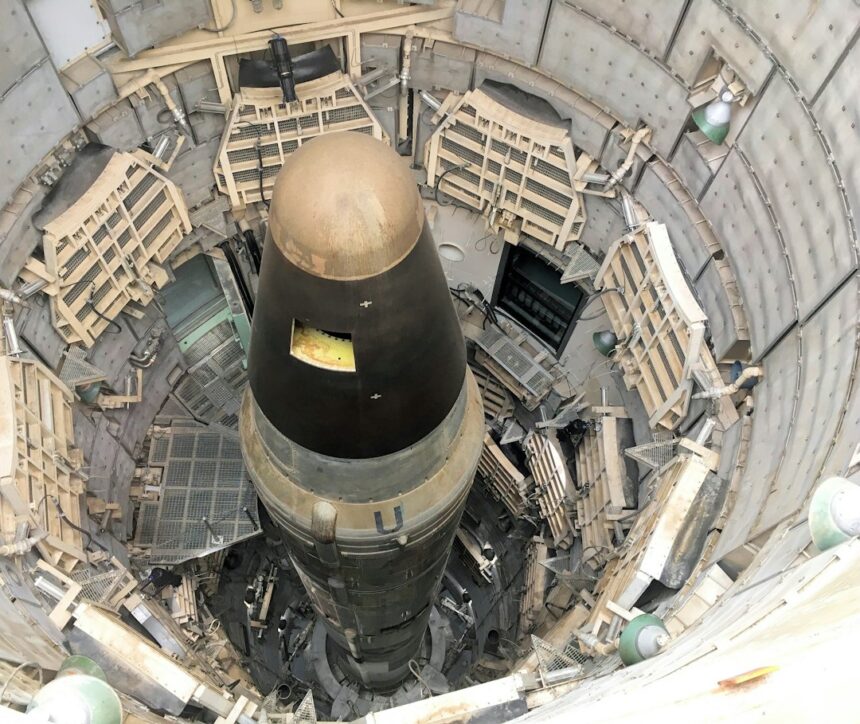
The chilling whisper of nuclear annihilation was a constant companion to the Cold War. While the world’s attention was primarily fixed on terrestrial missile silos and bomber fleets, a far more abstract and potentially devastating arena was quietly being shaped: outer space. The idea of weaponizing the cosmos, a concept born from science fiction, rapidly became a tangible concern for the superpowers, sparking an orbital arms race that, thankfully, never fully ignited but left a profound and often overlooked legacy on the trajectory of space exploration and international relations. This is the untold story of how nuclear weapons, and the threat of their deployment in orbit, profoundly shaped the Cold War and continues to influence our understanding of space today.
The Dawn of the Space Age and the Nuclear Shadow
The launch of Sputnik in 1957 by the Soviet Union sent shockwaves across the United States, igniting not just the Space Race but also a primal fear of Soviet technological superiority. This fear was inextricably linked to nuclear capabilities. The same rockets that could hurl satellites into orbit possessed the power to deliver nuclear warheads across continents. It was a short, terrifying leap to imagine these same vehicles, or even more specialized ones, deploying nuclear devices in orbit, capable of raining destruction upon a global enemy or rendering vast swathes of the Earth uninhabitable through a chilling cascade of fallout.
Early Concepts of Orbital Warfare
The notion of using space for military purposes, especially involving nuclear weapons, was not a sudden invention. Even before Sputnik, strategic thinkers grappled with the implications of missiles capable of reaching high altitudes. The concept of “orbital bombardment systems” began to circulate. These were envisioned as platforms, potentially carrying nuclear warheads, that could circle the Earth, presenting a constant threat to any nation below. Such a system would bypass traditional air defenses and offer a devastating first-strike capability. The sheer existential threat posed by a continuously orbiting nuclear arsenal was a nightmare scenario that the United States and the Soviet Union both desperately sought to either possess or deny to their adversary. The technological hurdles were immense, but the strategic incentives, driven by the unforgiving logic of nuclear deterrence, were undeniable.
The Dual-Use Dilemma of Rocketry
The fundamental problem was that the technology powering the Space Race – rocketry – was inherently dual-use. The powerful engines needed to escape Earth’s gravity and achieve orbital velocity were the same engines that could propel intercontinental ballistic missiles (ICBMs). This meant that every satellite launch, every advancement in rocket technology, could be interpreted by the opposing side as a step towards developing a space-based nuclear weapon. This created a climate of extreme suspicion and accelerated the arms race in both terrestrial and nascent space capabilities. Each nation watched the other’s rocket tests with bated breath, scrutinizing not just the successful deployment of payloads but also the potential for those same rockets to carry a nuclear payload into orbit. The peaceful exploration of space was constantly overshadowed by the dark shadow of nuclear conflict.
The history of space-based nuclear weapons during the Cold War is a fascinating and complex topic that highlights the intense rivalry between superpowers. For a deeper understanding of this subject, you can explore the article titled “Nuclear Weapons in Space: The Cold War’s Final Frontier” on In The War Room. This piece delves into the strategic implications and technological advancements of space nukes, shedding light on how they shaped military policies and international relations during that era. To read more, visit In The War Room.
The Strategic Imperatives of Space-Based Nuclear Weapons

The allure of space-based nuclear weapons lay in their perceived strategic advantages. The ability to strike targets from orbit offered a unique set of tactical and strategic possibilities that were both terrifying and tempting to military planners. The Cold War was a strategic game of chess played on a global scale, and the addition of an orbital dimension introduced a new set of moves, each with potentially catastrophic consequences.
Denying the Enemy the High Ground
One of the primary motivations behind considering space-based nuclear weapons was the desire to deny the enemy the same capability. If one superpower believed the other was developing or deploying orbital nuclear platforms, the incentive to develop their own retaliatory or pre-emptive systems would be immense. This “use it or lose it” mentality, already a hallmark of nuclear strategy, was amplified by the vastness and inaccessibility of space. The idea of a “galactic apartheid,” where one nation controlled the orbital high ground and held the world hostage, was a potent driver of investment and innovation in this dangerous field. The fear of being strategically disadvantaged in space was a powerful impetus for continued development, even if the practicalities and risks were enormous.
The Promise of Unstoppable Strikes
Orbital nuclear weapons promised a level of invincibility that terrestrial systems could not match. Rockets launched from Earth could be tracked, their trajectories calculated, and potentially intercepted by anti-ballistic missile (ABM) systems. However, an object in orbit, especially one that could maneuver, presented a far more complex challenge. The ability to attack from any direction, at any time, with little to no warning, was a strategic Holy Grail for military planners. The sheer unpredictability of an orbital strike meant that defenses would be incredibly difficult, if not impossible, to implement effectively. This prospect of an unstoppable strike played directly into the Cold War doctrine of mutually assured destruction (MAD), but it also raised the terrifying possibility of a first strike that could cripple an opponent before they could retaliate, thereby destabilizing the entire nuclear balance.
The Race to the Sky and the Seeds of Containment
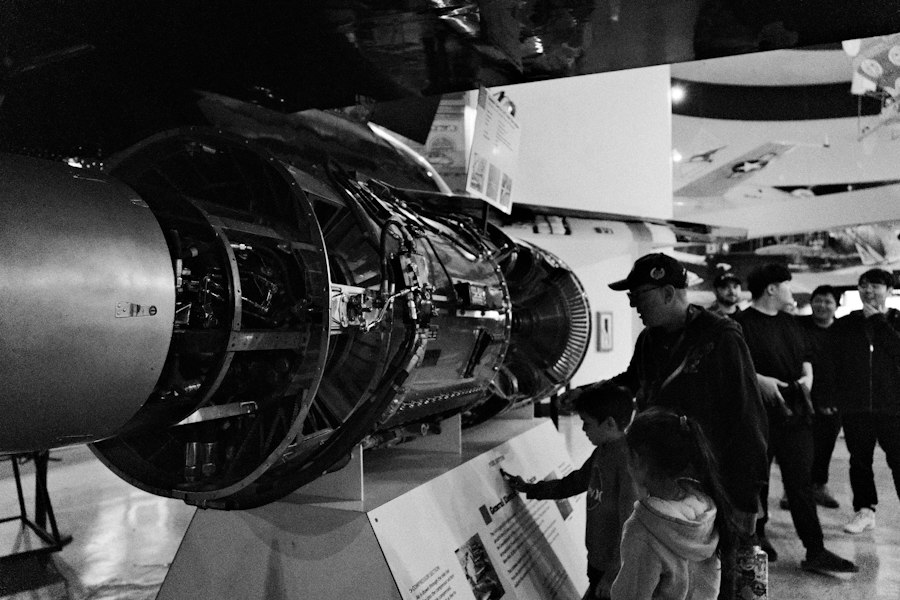
While the theoretical potential of space nukes was being explored, the practicalities and the growing realization of the catastrophic consequences began to sow the seeds of international efforts to prevent such a scenario. The very act of developing and testing the means to put nuclear weapons in orbit, however, inadvertently spurred progress in space technology, which paradoxically also paved the way for its regulation.
The history of space nukes during the Cold War is a fascinating topic that highlights the intense military competition between superpowers. For those interested in exploring this subject further, a related article provides an in-depth analysis of the strategic implications and technological advancements of this era. You can read more about it in this insightful piece on Cold War military strategies, which delves into the various programs and policies that shaped the landscape of space warfare.
Soviet and American “Space Bomb” Concepts
Both superpowers engaged in serious, albeit often secret, research and development into space-based nuclear weapons. The Soviet Union, in particular, is known to have pursued concepts like the Fractional Orbital Bombardment System (FOBS). FOBS vehicles were designed to orbit the Earth for only a single revolution, making them harder to detect and providing a shorter flight time than traditional ICBMs, thus potentially bypassing early warning systems. The United States also explored various orbital weapon concepts, including systems designed to detonate nuclear devices in orbit to create electromagnetic pulses (EMPs) capable of disabling enemy electronics or to deploy kinetic kill vehicles. These programs, shrouded in secrecy, fueled the anxieties of the other side and contributed to the perception that an orbital nuclear confrontation was an increasingly plausible, albeit terrifying, possibility.
The Dawn of Anti-Satellite Capabilities
The development of systems capable of attacking satellites in orbit became a logical extension of the orbital arms race. If a nation could put nuclear weapons in space, it would also need the means to defend its own satellites and, crucially, to destroy the enemy’s. This led to the development of anti-satellite (ASAT) weapons. These ranged from dedicated ASAT missiles launched from aircraft or the ground to potentially using existing fighter jets or even other satellites to collide with or disrupt enemy space assets. The pursuit of ASAT capabilities further escalated the tensions and created a dangerous feedback loop, where each defensive or offensive development in space was viewed as an aggressive move. The potential for space to become a battlefield, where satellites could be disabled, blinding both military and civilian infrastructure, became a stark reality.
The Accidental Guardians: Space Diplomacy and the ABM Treaty
The sheer destructive potential of space-based nuclear weapons, coupled with the growing understanding of the complex and unpredictable consequences, eventually led to a surprising consensus: it was better to keep space free of nuclear weapons altogether. This realization, born from the shared fear of mutual annihilation, paved the way for landmark international agreements.
The Outer Space Treaty: A Glimpse of Hope
The signing of the Outer Space Treaty in 1967 was a pivotal moment. Negotiated under the auspices of the United Nations, it declared that outer space was the “province of all mankind” and prohibited the placement of nuclear weapons or other weapons of mass destruction in orbit, on the Moon, or any other celestial bodies. While the treaty did not ban all military activity in space, its core prohibition on nuclear weapons in orbit was a significant achievement. It was a testament to the fact that even in the depths of the Cold War, common sense and the shared desire for survival could prevail. The treaty, however, did not eliminate the underlying technological capabilities, and the threat of their potential future development always lingered.
The ABM Treaty and the Limitation of Orbital Power
The Anti-Ballistic Missile (ABM) Treaty of 1972, while primarily focused on limiting terrestrial missile defense systems, had indirect implications for the orbital arms race. By limiting the development of comprehensive ABM defenses, the treaty implicitly reinforced the concept of nuclear deterrence through assured retaliation. A robust ABM system, theoretically capable of intercepting both terrestrial and potentially space

The 1958 Space Nukes Meant to Destroy Soviet Missiles
FAQs
What is the history behind space nukes during the Cold War?
During the Cold War, both the United States and the Soviet Union developed plans for placing nuclear weapons in space as part of their military strategies. This led to the development of various space nuke projects and technologies.
Were any space nukes actually deployed during the Cold War?
Although there were no confirmed instances of space nukes being deployed during the Cold War, both superpowers conducted numerous tests and experiments to explore the feasibility of using nuclear weapons in space.
What were the main reasons for considering space nukes during the Cold War?
The main reasons for considering space nukes during the Cold War included the desire to gain a strategic advantage over the opposing superpower, the potential for deterring attacks from space, and the ability to target enemy satellites and spacecraft.
How did the development of space nukes impact the arms race between the US and the Soviet Union?
The development of space nukes intensified the arms race between the US and the Soviet Union, leading to increased tensions and competition in space technology. Both countries invested heavily in developing advanced nuclear weapons and delivery systems.
What is the current status of space nukes in modern times?
As of today, the deployment of space nukes is prohibited by international treaties such as the Outer Space Treaty and the Comprehensive Nuclear-Test-Ban Treaty. However, there are concerns about the potential militarization of space and the development of new space-based weapons systems.