The significance of anti-submarine warfare (ASW) cannot be overstated in the context of modern naval operations. Submarines, with their stealthy capabilities and advanced technologies, pose a formidable threat to naval forces and maritime security. They can launch surprise attacks on surface vessels, disrupt supply lines, and even threaten coastal installations.
As nations increasingly invest in submarine fleets, the need for effective ASW strategies becomes paramount. The ability to detect, track, and neutralize these underwater threats is essential for maintaining maritime dominance and ensuring the safety of naval operations. Moreover, the evolution of submarine technology has made the task of ASW even more challenging.
Modern submarines are equipped with advanced stealth features, making them harder to detect. They can operate at greater depths and utilize sophisticated countermeasures to evade sonar systems. This necessitates a comprehensive understanding of the threat landscape and the development of innovative tactics and technologies to counteract these advancements.
The importance of ASW extends beyond mere military strategy; it is a critical component of national security and global stability.
Key Takeaways
- Understanding the threat: Anti-submarine warfare is crucial for protecting naval assets and maintaining maritime security.
- Sonar and acoustic tactics: Advanced detection and tracking technologies are essential for effectively locating and monitoring submarines.
- Utilizing underwater weapons: Torpedoes and depth charges are key tools for neutralizing submarine threats in ASW operations.
- Surface ship tactics: Surface vessels play a critical role in hunting and engaging submarines from above the water.
- Aircraft and helicopter tactics: Airborne assets are vital for conducting surveillance and engaging submarines in ASW operations.
Sonar and Acoustic Tactics: Detecting and Tracking Submarines
Sonar technology serves as the backbone of anti-submarine warfare, providing the means to detect and track submarines in the vast oceanic expanse. Active sonar systems emit sound waves that bounce off objects in the water, allowing operators to identify the location and movement of submarines. Conversely, passive sonar systems listen for sounds generated by submarines, such as engine noise or propeller cavitation.
Each method has its advantages and limitations, and effective ASW operations often require a combination of both. Acoustic tactics also play a crucial role in enhancing the effectiveness of sonar systems. By employing advanced signal processing techniques, operators can filter out background noise and focus on specific frequencies associated with submarine activity.
Additionally, the use of arrays—groups of hydrophones deployed in strategic formations—can improve detection capabilities by triangulating sound sources. The integration of artificial intelligence into sonar systems further enhances their ability to analyze vast amounts of data quickly, allowing for more accurate tracking of submarines in real-time.
Utilizing Underwater Weapons: Torpedoes and Depth Charges
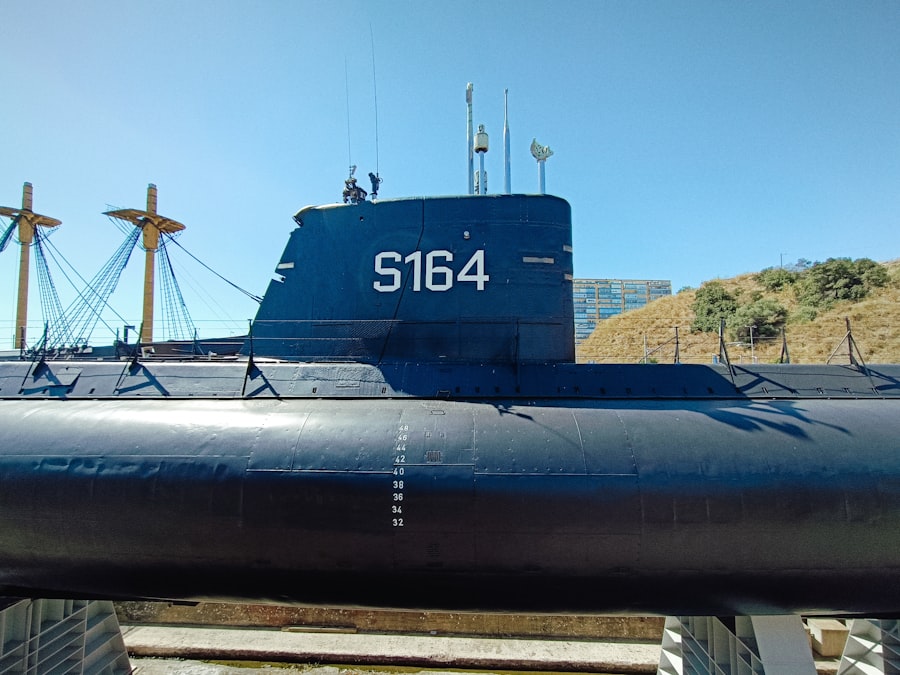
Once a submarine has been detected, the next step in anti-submarine warfare involves the deployment of underwater weapons designed to neutralize the threat. Torpedoes are among the most effective weapons in this regard, capable of being launched from surface ships, submarines, or aircraft. Modern torpedoes are equipped with advanced guidance systems that allow them to home in on their targets with remarkable precision.
Their ability to operate at various depths and speeds makes them versatile tools in ASW operations. Depth charges, on the other hand, are explosive devices designed to detonate at specific depths in the water column. They create shock waves that can damage or destroy submarines lurking below the surface.
While depth charges may not have the precision of torpedoes, they can be deployed in patterns to cover a wide area, increasing the likelihood of hitting a submerged target. The choice between torpedoes and depth charges often depends on the tactical situation and the specific capabilities of the ASW platform being utilized.
Surface Ship Tactics: Hunting Submarines from Above
| Tactic | Description |
|---|---|
| ASW Helicopters | Use of helicopters equipped with sonar and torpedoes to hunt submarines. |
| Surface Vessels | Surface ships using sonar and depth charges to detect and attack submarines. |
| Coordinated Operations | Collaboration between multiple surface ships and aircraft to cover a larger area and increase chances of detecting submarines. |
Surface ships play a vital role in anti-submarine warfare, serving as mobile platforms equipped with advanced sensors and weaponry. These vessels are often tasked with patrolling designated areas to detect and engage submarines before they can pose a threat to naval operations or commercial shipping routes. The tactics employed by surface ships in ASW operations are multifaceted, involving a combination of surveillance, engagement, and coordination with other assets.
One effective tactic is the use of coordinated search patterns to maximize coverage of a given area. Surface ships can employ various formations and search techniques to enhance their detection capabilities while minimizing blind spots. Additionally, surface vessels often work in conjunction with aircraft and submarines to create a layered defense against underwater threats.
This collaborative approach allows for more effective tracking and engagement of submarines while ensuring that surface ships remain protected from potential attacks.
Aircraft and Helicopter Tactics: Utilizing Airborne Assets in ASW
Aircraft and helicopters have become indispensable assets in anti-submarine warfare due to their ability to cover vast areas quickly and provide real-time intelligence. Maritime patrol aircraft are equipped with advanced sensors, including radar and sonar systems, enabling them to detect submarines from above. These airborne platforms can also deploy torpedoes or depth charges, making them versatile tools in ASW operations.
Helicopters, often launched from surface ships or land bases, provide additional flexibility in ASW missions. They can conduct rapid response operations, deploying sonobuoys—small devices that listen for underwater sounds—over suspected submarine locations. The ability to quickly reposition and adapt to changing circumstances makes helicopters invaluable in dynamic ASW environments.
Furthermore, the integration of unmanned aerial vehicles (UAVs) into ASW operations is an emerging trend that promises to enhance surveillance capabilities while reducing risks to human operators.
Submarine Tactics: Evading Detection and Countermeasures

While anti-submarine warfare focuses on detecting and neutralizing submarines, it is equally important to understand the tactics employed by submarines themselves to evade detection. Modern submarines are designed with stealth in mind, utilizing advanced hull designs and noise-reduction technologies to minimize their acoustic signatures. They often operate at greater depths where sonar detection is more challenging, employing tactics such as “silent running” to reduce noise emissions.
Submarines also employ countermeasures to thwart ASW efforts. These may include deploying decoys that mimic their acoustic signatures or using electronic warfare systems to jam sonar signals. Additionally, submarines may take advantage of environmental factors such as thermal layers or underwater topography to conceal their movements.
Understanding these tactics is crucial for developing effective countermeasures in ASW operations.
Communication and Coordination: Working as a Team in ASW Operations
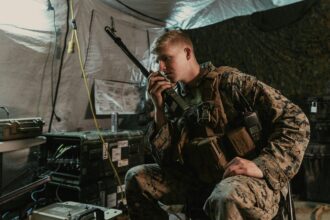
Effective communication and coordination among various assets are essential for successful anti-submarine warfare operations. Given the complexity of modern naval engagements, seamless information sharing between surface ships, aircraft, submarines, and command centers is vital for maintaining situational awareness. This collaborative approach allows forces to respond quickly to emerging threats while maximizing their collective capabilities.
Joint exercises and training programs play a significant role in fostering this level of coordination. By simulating real-world scenarios, naval forces can practice communication protocols and refine their tactics for detecting and engaging submarines. The establishment of clear command structures ensures that all units understand their roles within the broader ASW strategy, enabling them to work together effectively during operations.
Electronic Warfare: Utilizing Technology to Counter Submarine Threats
In an era where technology plays a pivotal role in military operations, electronic warfare has emerged as a critical component of anti-submarine warfare strategies. Electronic warfare encompasses a range of tactics designed to disrupt or deceive enemy sensors and communications systems. In the context of ASW, this may involve jamming sonar signals or employing cyber capabilities to interfere with submarine navigation systems.
These technologies can analyze vast amounts of data in real-time, identifying patterns that may indicate submarine activity or vulnerabilities within enemy systems. As adversaries continue to develop sophisticated countermeasures, the ability to leverage electronic warfare capabilities will be essential for maintaining an edge in anti-submarine operations.
Training and Preparedness: Ensuring ASW Readiness
Ensuring readiness for anti-submarine warfare requires rigorous training programs that simulate real-world scenarios and challenges. Naval forces must regularly conduct exercises that test their detection capabilities, response times, and coordination among various assets. These training initiatives not only enhance individual skills but also foster teamwork and communication among different units involved in ASW operations.
Moreover, continuous education on emerging technologies and tactics is crucial for maintaining an effective ASW posture. As submarine technology evolves, so too must the training programs designed to counter these advancements. Incorporating lessons learned from past operations and adapting training methodologies accordingly will ensure that naval forces remain prepared for any potential submarine threat.
International Cooperation: Collaborating with Allies in ASW Operations
In an increasingly interconnected world, international cooperation plays a vital role in enhancing anti-submarine warfare capabilities. Many nations recognize that submarine threats transcend national borders; therefore, collaborative efforts are essential for effective deterrence and response strategies. Joint exercises between allied navies allow for knowledge sharing and interoperability among different forces.
Furthermore, intelligence sharing regarding submarine activities enhances situational awareness across allied nations. By pooling resources and expertise, countries can develop more comprehensive ASW strategies that leverage each nation’s strengths while addressing common vulnerabilities. This collaborative approach not only strengthens individual nations’ defenses but also contributes to global maritime security.
The Future of ASW: Advancements in Technology and Tactics
As technology continues to advance at an unprecedented pace, the future of anti-submarine warfare is poised for significant transformation. Innovations such as unmanned underwater vehicles (UUVs) are set to revolutionize ASW operations by providing new capabilities for surveillance and engagement without risking human lives. These autonomous systems can operate in challenging environments where traditional platforms may struggle.
Additionally, advancements in machine learning algorithms will enhance data analysis capabilities within ASW systems, allowing for quicker identification of potential threats amidst vast amounts of information. As nations invest in research and development for next-generation sonar systems and underwater weaponry, the landscape of anti-submarine warfare will continue to evolve.
Through a combination of advanced technologies, effective tactics, international cooperation, and rigorous training programs, naval forces can enhance their readiness against these formidable underwater adversaries while ensuring maritime security for all.
Anti-submarine warfare (ASW) tactics have evolved significantly in recent years, adapting to new technologies and threats in maritime security. For a deeper understanding of these tactics and their implications, you can explore a related article on the subject at In The War Room. This resource provides valuable insights into the strategies employed by naval forces to detect and neutralize submarine threats, highlighting the importance of innovation in modern warfare.
WATCH THIS! The Secret Russian Weapon That Terrifies NATO
FAQs
What is anti-submarine warfare (ASW)?
Anti-submarine warfare (ASW) is the process of detecting, tracking, and neutralizing submarines in order to protect surface ships and other assets from submarine attacks.
What are some common ASW tactics?
Common ASW tactics include using sonar to detect submarines, deploying anti-submarine warfare aircraft and helicopters, using depth charges and torpedoes, and employing electronic warfare to disrupt submarine communications and sensors.
What role do surface ships play in ASW?
Surface ships play a crucial role in ASW by using their sonar systems to detect submarines, deploying anti-submarine warfare helicopters and aircraft, and using depth charges and torpedoes to neutralize submarines.
What role do aircraft and helicopters play in ASW?
Aircraft and helicopters are essential in ASW for detecting submarines using sonar and magnetic anomaly detection (MAD) systems, dropping sonobuoys to track submarines, and deploying torpedoes and depth charges to attack submarines.
What are some advanced technologies used in ASW?
Advanced technologies used in ASW include towed array sonar systems, unmanned underwater vehicles (UUVs) for submarine detection, and advanced anti-submarine warfare aircraft equipped with sophisticated sensors and weapons.
How do submarines defend against ASW tactics?
Submarines defend against ASW tactics by using stealth and quieting technologies to avoid detection, deploying countermeasures such as decoys and acoustic jammers, and maneuvering to evade incoming torpedoes and depth charges.