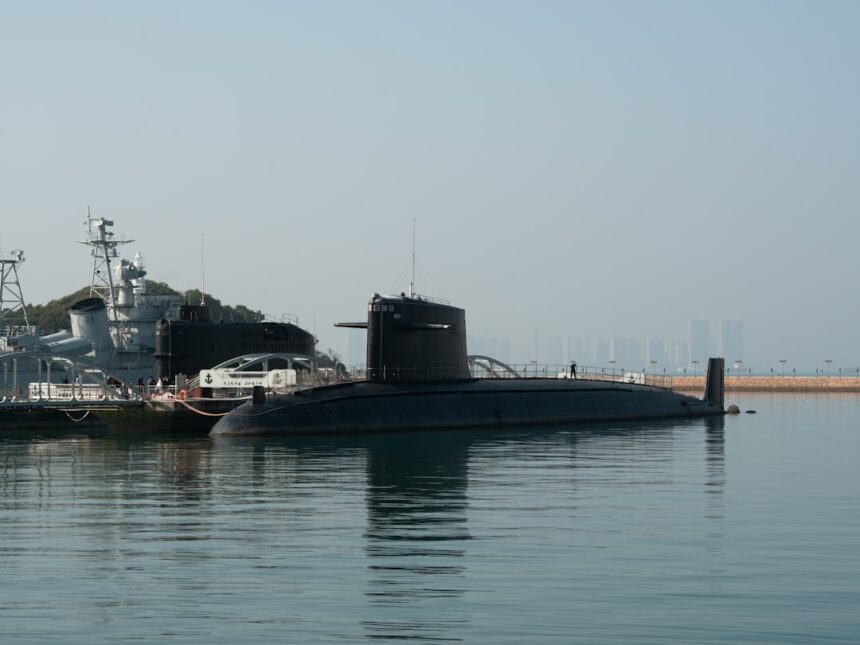
In the realm of modern warfare, submarines have emerged as formidable assets, capable of executing a range of strategic missions that can significantly alter the balance of power at sea. Their stealthy nature allows them to operate undetected, making them a critical component of naval strategy for many nations. Submarines can launch surprise attacks, gather intelligence, and even serve as a deterrent against potential adversaries.
The evolution of submarine technology has further enhanced their capabilities, enabling them to carry advanced weaponry and conduct complex operations in contested environments. The threat posed by submarines is not limited to traditional naval engagements; they also play a pivotal role in asymmetric warfare. Non-state actors and smaller nations have increasingly turned to submarines as a means to challenge larger, more technologically advanced militaries.
This shift has necessitated a reevaluation of naval strategies and the development of robust anti-submarine warfare (ASW) capabilities. As the global security landscape continues to evolve, understanding the multifaceted role of submarines in modern warfare becomes essential for military planners and policymakers alike.
Key Takeaways
- Submarines pose a significant threat in modern warfare, necessitating effective anti-submarine warfare (ASW) strategies.
- Intelligence, surveillance, and advanced technology are critical components in detecting and countering submarine threats.
- Successful ASW operations rely on coordinated efforts between air, surface assets, and allied forces.
- Continuous training, readiness, and adaptation of ASW doctrines are essential to address evolving submarine threats.
- Legal and ethical considerations must be integrated into ASW operations to ensure compliance with international laws.
The Fundamentals of Anti-Submarine Warfare
Anti-submarine warfare encompasses a range of tactics, technologies, and strategies designed to detect, track, and neutralize enemy submarines. The fundamental principles of ASW involve a combination of active and passive measures, utilizing various platforms such as surface ships, aircraft, and underwater sensors. Active sonar systems emit sound waves to locate submarines, while passive sonar relies on listening for sounds generated by submarine operations.
This dual approach allows for a comprehensive understanding of the underwater environment and enhances the likelihood of successful engagement. Moreover, ASW is not solely about detection; it also involves the coordination of various military assets to create a layered defense against submarine threats. This includes the integration of intelligence gathering, surveillance, and reconnaissance (ISR) capabilities to provide real-time situational awareness.
Effective ASW operations require seamless communication and collaboration among different branches of the military, ensuring that all available resources are utilized efficiently. As threats evolve, so too must the tactics employed in ASW, necessitating continuous adaptation and innovation.
The Importance of Intelligence and Surveillance in ASW
Intelligence and surveillance play a crucial role in the success of anti-submarine warfare operations. Accurate and timely information is essential for identifying potential submarine threats and understanding their capabilities and intentions. This intelligence can come from various sources, including satellite imagery, signals intelligence (SIGINT), and human intelligence (HUMINT).
By synthesizing data from these diverse sources, military planners can develop a comprehensive picture of the underwater threat landscape. Surveillance systems are equally vital in ASW efforts. Advanced technologies such as unmanned underwater vehicles (UUVs) and maritime patrol aircraft equipped with sophisticated sensors enhance the ability to monitor vast ocean areas.
These platforms can conduct persistent surveillance missions, providing critical information on submarine movements and activities. The integration of artificial intelligence (AI) into surveillance systems further improves the analysis of data, enabling quicker decision-making and more effective responses to emerging threats.
Utilizing Technology in Anti-Submarine Warfare
The technological landscape of anti-submarine warfare has undergone significant transformation in recent years. Innovations in sonar technology, data processing, and communication systems have revolutionized how navies conduct ASW operations. Modern sonar systems are capable of detecting submarines at greater distances and with higher accuracy than ever before.
Additionally, advancements in machine learning algorithms allow for improved target recognition and classification, reducing the chances of false positives during detection efforts. Furthermore, the integration of networked systems enhances situational awareness across multiple platforms. By sharing data in real-time among surface ships, submarines, and aircraft, naval forces can create a more cohesive ASW strategy.
This interconnectedness allows for rapid response to detected threats and facilitates coordinated attacks on enemy submarines. As technology continues to advance, navies must remain vigilant in adapting their ASW capabilities to leverage these innovations effectively.
The Role of Air and Surface Assets in ASW Operations
| Metric | Description | Typical Values/Examples | Importance |
|---|---|---|---|
| Detection Range | Maximum effective range at which submarines can be detected using sonar or other sensors | 10-50 nautical miles (varies by sensor type and environment) | High – early detection is critical for effective response |
| Sensor Types | Types of sensors used in ASW operations | Active sonar, passive sonar, magnetic anomaly detectors (MAD), sonobuoys | High – diverse sensors improve detection capabilities |
| Response Time | Time taken from detection to engagement or neutralization of submarine threat | Minutes to hours depending on platform readiness and location | Critical – faster response reduces threat window |
| Engagement Range | Effective range of weapons used against submarines | 1-10 nautical miles (torpedoes, depth charges, anti-submarine rockets) | Medium – determines tactical positioning |
| Platform Types | Types of platforms used in ASW missions | Surface ships, submarines, maritime patrol aircraft, helicopters | High – multi-platform approach enhances coverage |
| Patrol Duration | Typical duration of ASW patrol missions | 6-24 hours for aircraft, days to weeks for ships/submarines | Medium – longer patrols increase area coverage |
| Doctrine Focus | Primary strategic focus areas in ASW doctrine | Detection, tracking, classification, engagement, and area denial | High – guides operational planning and tactics |
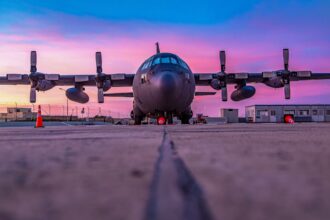
Air and surface assets are integral components of any effective anti-submarine warfare strategy. Maritime patrol aircraft equipped with advanced sensors can cover large areas quickly, providing vital reconnaissance capabilities that enhance the overall effectiveness of ASW operations. These aircraft can deploy sonobuoys—small devices that detect underwater sounds—over vast expanses of ocean, creating a network that aids in locating submarines.
Surface vessels also play a critical role in ASW efforts. Destroyers and frigates equipped with advanced sonar systems can actively hunt for submarines while providing protection for carrier strike groups or amphibious operations. The combination of air and surface assets creates a multi-layered defense that complicates an adversary’s ability to operate undetected beneath the waves.
This synergy between different platforms is essential for maintaining maritime superiority in contested environments.
Coordinating ASW Efforts with Allied Forces
In an increasingly interconnected world, coordinating anti-submarine warfare efforts with allied forces has become paramount. Many nations face similar submarine threats, making collaboration essential for effective deterrence and response strategies. Joint exercises and training programs allow allied forces to share best practices, enhance interoperability, and develop common tactics for ASW operations.
Furthermore, information sharing among allies can significantly improve situational awareness and response times during potential crises. By leveraging each nation’s unique capabilities and resources, allied forces can create a more formidable collective defense against submarine threats. This collaborative approach not only strengthens individual nations’ ASW capabilities but also fosters trust and cooperation among allies in an era marked by complex geopolitical challenges.
Training and Readiness for ASW Operations
Training is a cornerstone of effective anti-submarine warfare operations. Naval personnel must be well-versed in the intricacies of ASW tactics, techniques, and procedures to respond effectively to submarine threats. Regular training exercises simulate real-world scenarios, allowing crews to practice detection, tracking, and engagement procedures under various conditions.
Moreover, maintaining readiness is crucial in an environment where submarine threats can emerge suddenly. Navies must ensure that their personnel are not only trained but also equipped with the latest technologies and systems necessary for successful ASW operations.
The Legal and Ethical Considerations of ASW
As with any military operation, anti-submarine warfare is subject to legal and ethical considerations that must be carefully navigated. International law governs naval engagements, including rules regarding the use of force against submarines operating in international waters. Understanding these legal frameworks is essential for military planners to ensure compliance while effectively addressing submarine threats.
Ethical considerations also come into play when conducting ASW operations. The potential for collateral damage or unintended consequences must be weighed against the necessity of neutralizing submarine threats. Military leaders must balance operational objectives with humanitarian concerns, striving to minimize harm to civilian populations or non-combatants during ASW missions.
Adapting ASW Doctrine to Evolving Threats
The dynamic nature of global security necessitates continuous adaptation of anti-submarine warfare doctrine. As new technologies emerge and adversaries develop innovative tactics, navies must remain agile in their approach to ASW operations. This requires ongoing assessments of existing strategies and the incorporation of lessons learned from past engagements.
Moreover, emerging threats such as unmanned underwater vehicles or cyber capabilities pose new challenges for traditional ASW methods. Adapting doctrine to address these evolving threats involves not only technological advancements but also a shift in mindset regarding how submarines are perceived within the broader context of naval warfare. By embracing flexibility and innovation, navies can ensure their ASW capabilities remain relevant in an ever-changing security landscape.
Case Studies in Successful ASW Operations
Examining historical case studies provides valuable insights into successful anti-submarine warfare operations. One notable example is the Battle of the Atlantic during World War II, where Allied forces developed innovative ASW tactics to counter German U-boats threatening vital supply lines. The introduction of convoy systems, improved sonar technology, and coordinated air-sea operations ultimately turned the tide against the U-boat menace.
Another significant case study is the Cold War-era confrontations between NATO forces and Soviet submarines in the North Atlantic. The development of advanced ASW technologies such as long-range maritime patrol aircraft and sophisticated sonar systems allowed NATO forces to effectively track and engage Soviet submarines operating near their maritime borders. These historical examples underscore the importance of adaptability, innovation, and collaboration in achieving success in anti-submarine warfare.
The Future of Anti-Submarine Warfare: Challenges and Opportunities
Looking ahead, the future of anti-submarine warfare presents both challenges and opportunities for naval forces worldwide. As technology continues to advance at an unprecedented pace, navies must remain vigilant in adapting their strategies to leverage new capabilities while addressing emerging threats. The proliferation of advanced submarine technologies among both state and non-state actors complicates the underwater threat landscape.
However, these challenges also present opportunities for innovation within ASW operations. The integration of artificial intelligence, machine learning, and autonomous systems holds promise for enhancing detection capabilities and improving decision-making processes during engagements with enemy submarines. By embracing these advancements while fostering international cooperation among allied forces, navies can position themselves to effectively counter evolving submarine threats in an increasingly complex maritime environment.
In conclusion, anti-submarine warfare remains a critical component of modern naval strategy as nations navigate an ever-evolving security landscape marked by diverse submarine threats. Understanding the role of submarines in contemporary warfare is essential for developing effective ASW capabilities that leverage technology, intelligence, training, and international collaboration. As navies adapt their doctrines to meet new challenges while seizing opportunities for innovation, they will be better equipped to ensure maritime security in the years ahead.
Anti-submarine warfare (ASW) doctrine has evolved significantly in response to the changing nature of maritime threats. A related article that delves into the intricacies of modern ASW strategies can be found at this link. This article provides insights into the technological advancements and tactical approaches that are shaping the future of ASW operations, highlighting the importance of integrating various platforms and intelligence sources to effectively counter submarine threats.
WATCH THIS! 🎬 THE HIDDEN SUBMARINE WAR: How One Man Stopped Mutiny and Nuclear Armageddon
FAQs
What is Anti-Submarine Warfare (ASW) Doctrine?
Anti-Submarine Warfare Doctrine refers to the set of principles, strategies, and tactics developed by naval forces to detect, track, and neutralize enemy submarines. It guides the operational use of resources and coordination among various military units to counter submarine threats effectively.
Why is Anti-Submarine Warfare Doctrine important?
ASW Doctrine is crucial because submarines pose significant threats to naval and maritime security. Effective doctrine ensures that naval forces can protect their fleets, maintain control of sea lanes, and prevent enemy submarines from disrupting military or commercial operations.
What are the key components of Anti-Submarine Warfare Doctrine?
Key components typically include detection methods (such as sonar and radar), classification and tracking procedures, engagement tactics, coordination between surface ships, aircraft, and submarines, and the use of specialized weapons like torpedoes and depth charges.
Which platforms are commonly involved in Anti-Submarine Warfare?
ASW operations commonly involve surface warships equipped with sonar and weapons, maritime patrol aircraft, helicopters with dipping sonar and torpedoes, and submarines designed for ASW roles. Unmanned systems are increasingly being integrated as well.
How does technology influence Anti-Submarine Warfare Doctrine?
Advancements in sonar, underwater sensors, signal processing, and weapon systems continuously shape ASW doctrine. Modern technologies improve detection ranges, tracking accuracy, and engagement effectiveness, requiring doctrines to evolve accordingly.
Is Anti-Submarine Warfare Doctrine standardized internationally?
While many navies share common principles in ASW, doctrines vary based on national strategic priorities, available technology, and regional threats. However, allied nations often coordinate and share best practices to enhance interoperability.
How often is Anti-Submarine Warfare Doctrine updated?
ASW doctrine is periodically reviewed and updated to incorporate new technologies, lessons learned from exercises and conflicts, and changes in the strategic environment. Updates ensure that naval forces remain effective against evolving submarine threats.
What role does training play in Anti-Submarine Warfare Doctrine?
Training is vital to ensure personnel can effectively implement ASW doctrine. It includes simulations, live exercises, and joint operations to develop skills in detection, tracking, communication, and engagement procedures.
Can Anti-Submarine Warfare Doctrine be applied in peacetime?
Yes, ASW doctrine is also applied during peacetime for surveillance, deterrence, and intelligence gathering to monitor submarine activities and maintain maritime security.
What challenges are associated with Anti-Submarine Warfare?
Challenges include the stealth capabilities of modern submarines, complex underwater environments, the need for rapid information processing, and coordination among multiple platforms and units. These factors make ASW a demanding and resource-intensive aspect of naval operations.