The United States Navy operates in a complex and often hazardous environment, and managing the potential risks associated with ionizing radiation is a critical component of maintaining crew safety. Ionizing radiation, due to its ability to damage living tissue, necessitates stringent protocols and advanced technological solutions to protect personnel during routine operations and emergency situations. From nuclear-powered vessels to medical imaging procedures and the handling of radioactive materials for various applications, naval personnel are consistently exposed to varying levels of radiation. Understanding the sources, effects, and robust safety measures in place is paramount to ensuring the health and well-being of those who serve. The Navy’s commitment to radiation safety is not merely a matter of compliance; it is an ingrained aspect of its operational ethos, reflecting a dedication to its most valuable asset: its people.
Understanding Ionizing Radiation and Its Sources in the Navy
Ionizing radiation is a form of energy that, when it interacts with atoms or molecules, can remove electrons, creating ions. This ionization process can disrupt cellular structures and DNA, leading to biological damage. In the naval context, ionizing radiation can originate from several distinct sources, each requiring specific management strategies.
Sources of Radiation Exposure on Naval Vessels
Nuclear propulsion plants are the most significant source of potential radiation exposure for personnel onboard nuclear-powered ships and submarines. These advanced systems utilize nuclear fission to generate heat, which in turn drives turbines for propulsion and power generation. While the reactors are heavily shielded, residual radiation is inherent to the process. Crew members working in proximity to the reactor compartment, during maintenance operations, or in areas with potential for minor leaks, face the highest risks. The Navy employs extensive shielding, remote handling techniques, and strict operational procedures to minimize exposure from these sources.
Beyond propulsion, radioactive materials are utilized in various other applications within the Navy. These include medical diagnostic and therapeutic equipment, such as X-ray machines and certain isotopes used in nuclear medicine. While these applications generally involve much lower radiation levels than nuclear reactors, they still demand careful management to prevent unnecessary exposure to medical staff and patients. Non-destructive testing (NDT) methods, frequently used for inspecting welds and material integrity on ships and shore facilities, often employ radioactive isotopes like iridium-192 or cobalt-60. These portable units require trained personnel to operate and store safely.
Furthermore, space-based applications and certain specialized equipment may also involve radioactive sources. For instance, radioisotope thermoelectric generators (RTGs) might be used in some remote sensing or communication systems, though their prevalence in naval operations is less common than other sources. The Navy also maintains facilities for research, development, and testing that may involve radioactive materials, necessitating robust safety infrastructure within those specific sites. Understanding the specific source, its intensity, and the potential exposure pathways is the foundational step in developing effective safety protocols.
Biological Effects of Ionizing Radiation
The biological impact of ionizing radiation is dependent on several factors, including the dose received, the dose rate, the type of radiation, and the part of the body exposed. Acute radiation syndrome (ARS), also known as radiation sickness, can occur after exposure to very high doses of radiation over a short period. Symptoms can range from nausea and vomiting to more severe effects on the hematopoietic (blood-forming) system, central nervous system, and gastrointestinal tract. While catastrophic ARS is rare in typical naval operations due to stringent controls, it remains a potential consequence of severe accidents involving significant radiation release.
More commonly, chronic, low-level exposure to ionizing radiation can increase the long-term risk of developing cancer. This is due to the cumulative damage to DNA, which can lead to mutations that promote uncontrolled cell growth. The Navy’s radiation protection program is meticulously designed to keep exposures well below the levels at which deterministic effects (like ARS) manifest and to minimize the stochastic risk of cancer to as low as reasonably achievable (ALARA). This involves a deep understanding of radiobiology and a proactive approach to radiation monitoring and control. The principle of ALARA is a cornerstone of radiation safety worldwide and is rigorously applied across all naval operations.
For those interested in understanding the implications of ionizing radiation exposure for Navy crews, a related article can be found on In The War Room. This article delves into the health risks associated with prolonged exposure to radiation and discusses the measures taken to protect personnel. You can read more about this important topic by visiting In The War Room.
Establishing and Implementing Robust Safety Protocols
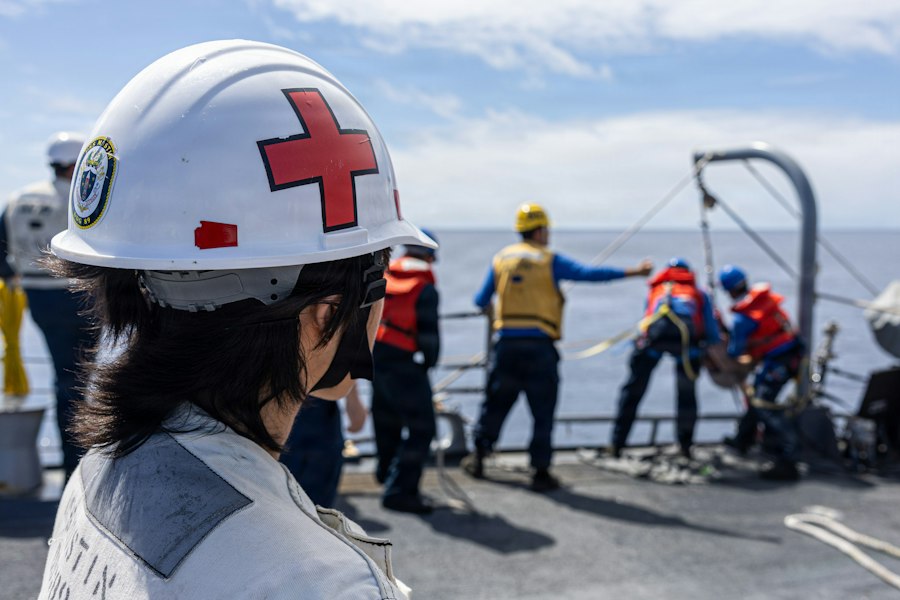
The Navy’s commitment to crew safety regarding ionizing radiation is codified in a comprehensive set of regulations, policies, and operational procedures. These are not static documents but are continually reviewed and updated based on scientific advancements, operational experience, and evolving best practices in radiation protection.
Regulatory Framework and Training Requirements
The primary governing body for radiation safety within the Department of Defense, including the Navy, is the Defense Nuclear Facilities Safety Board (DNFS 58) and various other regulatory agencies that oversee the use of radioactive materials. The Navy has its own internal directives and standards that translate these external regulations into actionable policies for its personnel. These documents detail requirements for radiation detection, shielding, personnel dosimetry, waste management, and emergency response.
A critical element of these protocols is the rigorous training provided to all personnel who may potentially be exposed to ionizing radiation. This training begins at initial entry into service and continues throughout a sailor’s career, with specialized training for those working directly with or around radioactive materials. Training modules cover the fundamentals of radiation physics, the biological effects of radiation, the proper use of radiation detection equipment, emergency procedures, and the importance of adhering to safety limits. For personnel working in nuclear propulsion, specialized and extensive training is mandatory, often involving simulators and hands-on experience in controlled environments before they are authorized to work on actual systems. This ensures a deep understanding of the risks and the procedures to mitigate them effectively.
The ALARA Principle in Practice
The principle of “As Low As Reasonably Achievable” (ALARA) is the guiding philosophy for all radiation protection efforts within the Navy. This means that even if a radiation dose is below established limits, steps should be taken to further reduce it if it can be done without undue hardship or expense. ALARA is implemented through a multi-faceted approach:
- Time: Minimizing the duration of time spent in radiation fields. This is achieved through efficient work planning and procedures.
- Distance: Maximizing the distance from a radiation source. Radiation intensity decreases significantly with distance, so staying as far away as possible is a primary safety measure. This often involves using specialized tools for remote manipulation.
- Shielding: Utilizing appropriate materials to absorb or attenuate radiation. Different types of radiation require different shielding materials (e.g., lead for gamma rays, concrete for neutrons). The Navy employs sophisticated shielding designs in its nuclear facilities and for portable sources.
The ALARA principle is not just a guideline; it is a continuous process of evaluation and improvement. Regular reviews of work procedures, equipment design, and operational practices are conducted to identify opportunities for further reduction of radiation exposure. This proactive approach is fundamental to the Navy’s success in maintaining a high level of radiation safety.
Personnel Dosimetry and Exposure Monitoring

Accurate and consistent monitoring of individual crew member exposure is essential for verifying the effectiveness of safety protocols and ensuring that no individual exceeds established dose limits. The Navy utilizes a sophisticated system of personnel dosimetry and real-time exposure monitoring.
Types of Dosimeters and Their Function
Personnel dosimeters are small devices worn by individuals to measure the amount of ionizing radiation they receive. The most common type used in the Navy is the thermoluminescent dosimeter (TLD). TLDs contain crystalline materials that absorb energy from radiation. When heated, these materials emit light proportional to the amount of radiation absorbed. These TLDs are typically worn on the torso and are collected and processed at regular intervals (e.g., monthly) to record cumulative doses.
Another important type of dosimeter is the electronic personal dosimeter (EPD). EPDs provide real-time readings of radiation dose and dose rate, allowing individuals to be immediately aware of their exposure levels and to take corrective action if necessary. These are particularly valuable in high-radiation areas or during non-routine operations. The data from EPDs can be transmitted wirelessly for immediate assessment by radiation protection officers.
In addition to personal dosimeters, area monitoring devices are strategically placed throughout naval facilities and vessels to measure radiation levels in various locations. These fixed monitors provide a continuous overview of the radiation environment and can trigger alarms if levels exceed predetermined thresholds, prompting immediate investigation and corrective action.
Interpretation and Management of Exposure Data
The data collected from personnel dosimeters and area monitors is meticulously analyzed by qualified radiation protection technicians and health physicists. This data is used to:
- Track individual cumulative doses: Ensuring that no sailor exceeds their annual occupational dose limits, which are set by regulatory bodies and internal Navy standards.
- Assess the effectiveness of shielding and procedures: High readings in specific areas or for certain individuals may indicate a need to review and improve existing safety measures.
- Identify trends: Analyzing exposure data over time can help identify systemic issues or areas where further training or equipment upgrades are needed.
- Maintain detailed records: Comprehensive records of radiation exposure are maintained for each sailor throughout their career, which is important for long-term health monitoring and potential future health assessments.
When exposure levels approach or exceed limits, the Navy has established procedures for immediate intervention. This may involve removing the individual from the radiation source, investigating the cause of the elevated exposure, and implementing corrective actions to prevent recurrence. The management of this data is a proactive and essential part of the Navy’s radiation safety program.
Emergency Preparedness and Response
Despite the best preventative measures, the possibility of a radiation-related incident, however remote, necessitates a robust and well-rehearsed emergency preparedness and response plan. This plan is designed to protect personnel, mitigate the spread of contamination, and ensure the swift restoration of safe operational conditions.
Contingency Planning and Drills
The Navy develops comprehensive contingency plans for a range of potential radiation emergencies. These plans outline specific actions to be taken, roles and responsibilities of various personnel and departments, communication protocols, and the resources required for an effective response. Scenarios may include reactor excursions, accidental release of radioactive materials, or external radiological events.
Regular drills and exercises are conducted to test these contingency plans and to ensure that personnel are proficient in their assigned roles. These drills range from tabletop exercises, where teams walk through response procedures in a simulated environment, to full-scale drills involving actual equipment and simulated radiological hazards. These exercises are critical for identifying weaknesses in the plan, refining procedures, and building muscle memory for effective action under stressful conditions.
Radiation Safety Teams and Equipment
Specialized radiation safety teams are established and trained to respond to radiation emergencies. These teams are equipped with advanced radiation detection and monitoring equipment, protective clothing, and communication systems. They are responsible for assessing the situation, establishing exclusion zones, performing decontamination procedures, and providing technical expertise to the incident commander.
The Navy maintains a strategic inventory of specialized equipment for radiation emergency response, including portable radiation detectors, air samplers, containment materials, and decontamination supplies. This equipment is regularly inspected and maintained to ensure its readiness for immediate deployment. Furthermore, personnel involved in emergency response receive advanced training in radiation protection, hazard assessment, and emergency medical procedures.
In recent discussions about the safety of military personnel, particularly those serving in the Navy, the topic of ionizing radiation crew exposure has gained significant attention. A related article explores the potential health risks associated with this exposure and the measures being taken to protect sailors. For more in-depth information on this critical issue, you can read the article here. Understanding the implications of ionizing radiation is essential for ensuring the well-being of those who serve our country.
The Future of Radiation Safety in the Navy
| Metric | Description | Typical Values / Limits | Unit | Notes |
|---|---|---|---|---|
| Annual Dose Limit (Navy Personnel) | Maximum permissible radiation dose for occupational exposure | 50 | mSv (millisieverts) | Aligned with U.S. Navy and NRC regulations |
| Quarterly Dose Limit | Maximum dose allowed per quarter to monitor exposure | 12.5 | mSv | Ensures dose is spread evenly over the year |
| Typical Crew Exposure (Routine Operations) | Average dose received by crew members during normal operations | 1 – 5 | mSv/year | Varies by role and proximity to radiation sources |
| Maximum Recorded Exposure (Incident) | Highest dose recorded during an abnormal event or accident | Up to 100 | mSv | Requires medical evaluation and possible intervention |
| Dosimeter Type | Device used to measure individual radiation exposure | Thermoluminescent Dosimeter (TLD) or Electronic Dosimeter | N/A | Worn by all personnel in radiation areas |
| Radiation Area Definition | Area where dose rate exceeds a certain threshold | > 0.005 | mSv/hr | Access controlled and monitored |
| Controlled Area Dose Rate Limit | Maximum dose rate allowed in controlled areas | 0.02 | mSv/hr | Ensures safety of personnel during operations |
| Emergency Exposure Limit | Temporary dose limit allowed during emergency operations | 250 | mSv | Only under strict command authorization |
The Navy’s commitment to radiation safety is an ongoing endeavor, constantly evolving with technological advancements and a deeper scientific understanding of radiation effects. The future of radiation safety in the Navy will likely be characterized by continued innovation in monitoring, mitigation, and training.
Technological Advancements in Monitoring and Control
The development of more sensitive and sophisticated radiation detection technologies is a key area of focus. This includes advancements in real-time dosimetry, portable spectroscopic analysis for rapid identification of isotopes, and advanced data analytics for predictive modeling of radiation exposure. Robotic and autonomous systems are also being explored to perform tasks in highly radioactive environments, further reducing the need for direct human intervention.
Furthermore, ongoing research into new shielding materials and improved reactor designs aims to further reduce inherent radiation levels and enhance safety margins. The integration of artificial intelligence (AI) and machine learning (ML) is also expected to play a significant role, assisting in the analysis of vast amounts of exposure data, predicting potential hazards, and optimizing safety protocols.
Continuous Improvement and Cultural Integration
The Navy’s approach to radiation safety is not static; it is a process of continuous improvement. This involves actively soliciting feedback from personnel, incorporating lessons learned from incidents and exercises, and staying abreast of the latest scientific research. The goal is to embed radiation safety so deeply into the naval culture that it becomes an instinctive part of every sailor’s decision-making process. This includes fostering an environment where safety concerns can be raised without fear of reprisal and where every individual feels empowered to stop work if they perceive an unsafe condition. The ongoing evolution of training methodologies, incorporating immersive technologies like virtual reality (VR) for more realistic simulation of hazardous scenarios, will also be crucial in maintaining a highly skilled and safety-conscious workforce. Ultimately, the Navy’s dedication to managing ionizing radiation exposure is a testament to its unwavering commitment to the health, safety, and well-being of its most valuable asset: its people.

The 1958 Space Nukes Meant to Destroy Soviet Missiles
FAQs
What is ionizing radiation?
Ionizing radiation is a type of energy that has enough power to remove tightly bound electrons from atoms, creating charged particles (ions) in the process. This radiation can come from various sources, including X-rays, gamma rays, and certain types of nuclear reactions.
How are Navy crew members exposed to ionizing radiation?
Navy crew members can be exposed to ionizing radiation through various activities such as operating nuclear reactors, handling radioactive materials, or being in close proximity to radar equipment that emits radiation. Exposure can also occur during maintenance, repair, or emergency situations.
What are the potential health risks of ionizing radiation exposure for Navy crew members?
Exposure to ionizing radiation can increase the risk of developing various health issues, including cancer, cataracts, genetic mutations, and radiation sickness. The severity of the health effects depends on the dose of radiation received, the duration of exposure, and individual factors such as age and overall health.
How does the Navy monitor and limit ionizing radiation exposure for crew members?
The Navy has strict protocols in place to monitor and limit ionizing radiation exposure for crew members. This includes regular radiation monitoring, training on radiation safety practices, use of protective equipment, implementing exposure limits, and conducting thorough risk assessments for radiation-related tasks.
What measures are in place to ensure the safety of Navy crew members in relation to ionizing radiation exposure?
To ensure the safety of Navy crew members, the Navy follows stringent guidelines and regulations set by organizations such as the Nuclear Regulatory Commission (NRC) and the Occupational Safety and Health Administration (OSHA). These measures include proper training, routine inspections, thorough safety procedures, and continuous monitoring of radiation levels to minimize exposure risks.