The state of Arkansas, often celebrated for its natural beauty and Southern charm, holds a more somber historical footnote within the broader narrative of American nuclear weapons: a series of accidents that underscore the inherent risks associated with the storage and handling of these powerful devices. While not as widely publicized as some other nuclear incidents, the events that transpired within Arkansas’s borders highlight the vulnerability of even the most secure facilities and the critical importance of stringent safety protocols. This article will delve into the history of nuclear weapons accidents in Arkansas, exploring the specific incidents, the context in which they occurred, and the lasting implications.
The United States’ foray into nuclear weapons production and storage began in earnest following World War II. As the Cold War escalated, the need for secure, dispersed locations to house these immensely destructive devices became paramount. Arkansas, with its relatively low population density and strategic inland location, was identified as a suitable site for such operations. The U.S. military established facilities for the storage and maintenance of nuclear weapons, particularly during the mid-20th century. These early facilities were designed to be robust and secure, reflecting the technological capabilities and understanding of the time. However, the very nature of nuclear materials, volatile and potent, meant that the potential for catastrophic failure, however remote, always loomed.
The Strategic Importance of the Ozarks
The selection of Arkansas for nuclear weapons storage was not arbitrary. The Ozark Mountains, with their rugged terrain and vast tracts of undeveloped land, offered natural camouflage and a degree of isolation that was appealing for housing sensitive military assets. This geographical advantage, coupled with existing transportation infrastructure, made the region a logical choice for the U.S. Department of Defense. The development of these storage facilities marked a significant shift in the state’s military landscape, introducing a new and potentially dangerous element into its fabric.
The Dawn of the Nuclear Age and its Perils
The initial decades of the nuclear age were characterized by rapid technological advancement alongside a learning curve regarding the safe handling and storage of radioactive materials. While significant strides were made in safety protocols, the inherent risks associated with fissile materials and high explosives could never be entirely eliminated. Accidents, unfortunately, became an unfortunate consequence of this groundbreaking but dangerous technological pursuit. Arkansas, as a repository for these weapons, was not immune to these broader systemic risks.
The history of nuclear weapons accidents in Arkansas is a critical topic that sheds light on the complexities of military operations and safety protocols. A related article that delves deeper into this subject can be found at In the War Room, where it explores various incidents involving nuclear materials and the implications for both local communities and national security. Understanding these events is essential for grasping the broader context of nuclear safety and the lessons learned from past mistakes.
The Fort Smith Incident: A Near Miss
One of the most significant nuclear weapons-related incidents in Arkansas occurred near Fort Smith in 1958. While details surrounding the event remain somewhat guarded due to national security considerations, credible accounts point to a serious accident involving a nuclear bomb. The incident, often referred to as the “Van Buren Bomb Drop” due to its proximity to the town, involved a B-47 bomber carrying a Mark 15 nuclear weapon. The aircraft experienced mechanical difficulties and, in an attempt to avoid a more catastrophic explosion over a populated area, the crew jettisoned the unarmed nuclear bomb.
The Mechanics of the Accident
The B-47 bomber, part of the Strategic Air Command (SAC) which was responsible for nuclear deterrence during the Cold War, was on a training mission when it encountered engine trouble. In accordance with emergency procedures, the crew made the difficult decision to release the nuclear weapon. The bomb, weighing thousands of pounds, fell from the aircraft and impacted the ground in a sparsely populated area. Fortunately, the weapon was unarmed, meaning the nuclear fission chain reaction could not be initiated. However, the high explosive components of the bomb did detonate upon impact, scattering radioactive materials and conventional explosives across the impact site.
The Immediate Aftermath and Containment Efforts
The immediate aftermath of the incident involved a swift and extensive response from military and civilian authorities. The area was secured, and a massive cleanup operation was initiated to remove any contaminated soil and debris. The presence of radioactive isotopes, even from an unarmed device, posed a significant health hazard. Efforts were made to minimize public exposure and to decontaminate the affected land. The incident served as a stark reminder of the potential for accidents to occur even when nuclear weapons are not fully armed.
Long-Term Environmental and Health Concerns
While the immediate cleanup efforts aimed to mitigate the risks, the long-term environmental and health implications of such an event are always a concern. Even low levels of radiation can have cumulative effects on ecosystems and human health over extended periods. The site of the Fort Smith incident would have been subject to ongoing monitoring and assessment to ensure that any residual contamination did not pose a long-term threat. The psychological impact on the local community, living in close proximity to a site where a nuclear weapon had fallen, is also a factor to consider.
The Damascus Incident: A Different Kind of Danger
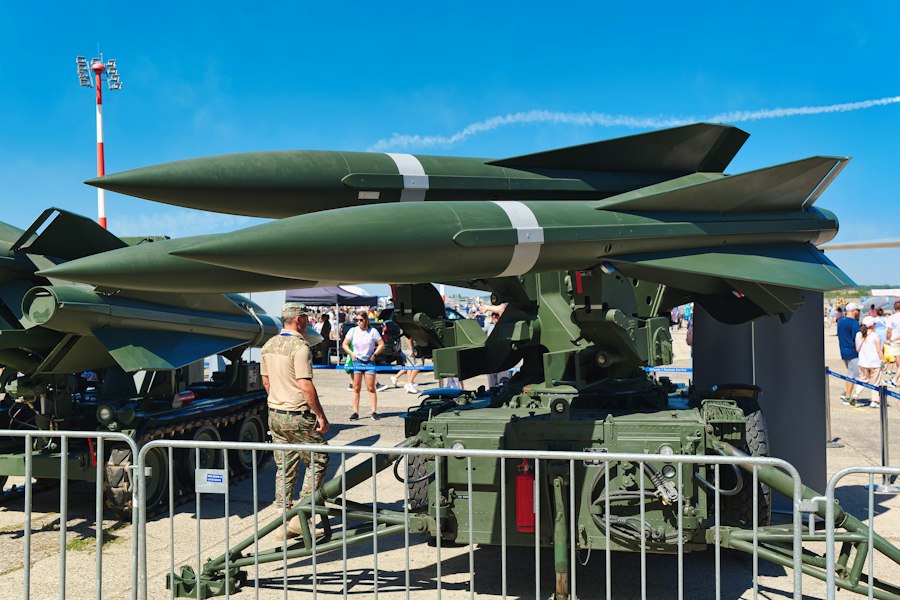
Another notable incident involving nuclear weapons in Arkansas occurred in 1980 near Damascus, Arkansas. This event, however, differed significantly from the Fort Smith incident in that it did not involve the accidental detonation of a nuclear bomb or the dropping of a weapon from an aircraft. Instead, the Damascus incident was a fire at a Titan II missile silo, which housed a nuclear warhead. The fire, which originated in a component of the missile’s first stage, raised grave concerns about the integrity of the warhead and the potential for a nuclear detonation.
The Titan II Missile System
The Titan II missile system was a component of the U.S. intercontinental ballistic missile (ICBM) arsenal during the Cold War. These massive liquid-fueled missiles were housed in hardened underground silos. Each Titan II missile carried a single warhead, a W53 thermonuclear warhead, which was one of the most powerful ever developed by the United States. The silos were designed to withstand significant attacks, but the presence of highly volatile fuels and a nuclear payload created a complex and dangerous operational environment.
The Fire and the Escalating Crisis
On September 18, 1980, a fire erupted at the Titan II missile complex near Damascus. The fire was reportedly caused by a hydraulic fluid leak that ignited. The flames spread quickly, threatening the missile and its nuclear warhead. The primary concern was the possibility that the intense heat would cause the high explosives within the warhead to detonate, triggering a nuclear explosion. This scenario represented a worst-case outcome, and the response efforts were immediately focused on preventing such a catastrophe.
The Detonation of Conventional Explosives
Despite the heroic efforts of the emergency responders, the fire could not be contained before it reached the warhead. The intense heat caused the conventional explosives within the W53 warhead to detonate. This detonation was powerful, creating a large crater at the silo site and throwing debris for miles. While the nuclear components of the warhead were destroyed and dispersed, a full-scale nuclear detonation was averted because the fissile material was not in the correct configuration to achieve criticality. The conventional explosion, however, was still significant, causing considerable damage to the surrounding area.
The Aftermath and Decontamination
The Damascus incident was a sobering event that highlighted the inherent dangers of storing nuclear weapons. The explosion scattered radioactive materials and hazardous debris across a wide area. A massive cleanup and decontamination effort was launched, involving the removal of contaminated soil and the securing of the affected site. The incident also led to a re-evaluation of the safety protocols for Titan II missile silos and ultimately contributed to the program’s eventual decommissioning.
Broader Implications and Lessons Learned
The nuclear weapons accidents in Arkansas, though distinct in their nature, share a common thread: they underscore the profound risks associated with these weapons of mass destruction. These incidents, while fortunately not resulting in the catastrophic detonation of a nuclear bomb, served as critical wake-up calls for the military and policymakers. They provided invaluable lessons regarding the fragility of even the most sophisticated containment systems and the potential for human error, mechanical failure, or unforeseen environmental factors to trigger devastating consequences.
The Importance of Safety Culture
These accidents emphasize the paramount importance of a robust and vigilant safety culture within any organization handling hazardous materials, especially nuclear weapons. This culture must permeate all levels, from the design and maintenance of facilities to the training and adherence to protocols by personnel. A “near miss” is still a stark warning, and the lessons learned from such events must be continuously integrated into updated safety procedures and technologies.
The Role of Public Awareness and Transparency
While national security necessitates a degree of secrecy surrounding nuclear weapons, incidents like those in Arkansas also highlight the importance of public awareness and transparency, where appropriate. Informing communities about potential risks, evacuation procedures, and the nature of the response can foster trust and reduce panic in the event of an emergency. The long-term health and environmental monitoring of affected areas also requires open communication with the public.
The Ongoing Debate on Nuclear Weapons Storage
The history of nuclear weapons accidents in Arkansas, and elsewhere, fuels the ongoing global debate surrounding the necessity and safety of nuclear weapons. These incidents serve as tangible evidence of the potential for catastrophe and the inherent dangers of relying on such weapons for national security. They prompt critical questions about deterrence, arms control, and the ultimate goal of a world free from nuclear threats.
The history of nuclear weapons accidents in Arkansas is a topic that has garnered attention over the years, particularly due to the significant events that have unfolded in the region. For those interested in exploring this subject further, a related article can be found at In The War Room, which delves into the implications and lessons learned from such incidents. Understanding these events not only sheds light on the past but also highlights the importance of safety measures in handling nuclear materials.
Legacy and Ongoing Vigilance
| Date | Location | Incident Description | Type of Weapon | Casualties | Environmental Impact | Response Actions |
|---|---|---|---|---|---|---|
| 1980 | Little Rock Air Force Base | Accidental release of radioactive material during maintenance | Nuclear warhead | 0 | Minor contamination contained on-site | Immediate containment and cleanup; safety protocols reviewed |
| 1985 | Fort Chaffee | Misplacement of nuclear weapon components during transport | Missile warhead components | 0 | No environmental impact reported | Inventory audit and improved tracking systems implemented |
| 1992 | Arkansas Nuclear One (nearby facility) | False alarm of nuclear material leak | N/A | 0 | No actual leak; no impact | Emergency protocols tested and updated |
The nuclear weapons accidents in Arkansas may have occurred decades ago, but their legacy continues to resonate. They serve as historical markers, reminding us of the precarious balance of power maintained during the Cold War and the constant vigilance required to manage the risks associated with nuclear arsenals. The sites of these incidents, though likely decontaminated and monitored, stand as silent testaments to the potential for disaster.
The Evolution of Nuclear Weapon Safety
In the years since these incidents, significant advancements have been made in nuclear weapon safety. Modern nuclear weapons incorporate numerous safety features, such as Permissive Action Links (PALs) and redundant arming mechanisms, designed to prevent accidental detonation. The storage and transportation of these weapons have also undergone continuous improvement, with stricter protocols and more sophisticated security measures in place.
The Continuous Need for Oversight
Despite these advancements, the inherent dangers of nuclear weapons cannot be entirely eliminated. The potential for human error, unforeseen technical failures, or even deliberate acts of sabotage remains a concern. Therefore, continuous oversight, regular inspections, and a commitment to evolving safety standards are essential to minimize the risks associated with these powerful weapons. The history of accidents in Arkansas serves as a perpetual reminder that complacency is not an option when dealing with nuclear arsenals.
The history of nuclear weapons accidents in Arkansas, while not a story of widespread devastation, is a crucial part of the broader narrative of nuclear weapons. The Fort Smith and Damascus incidents, each with its unique set of circumstances, highlight the ever-present dangers associated with the storage and handling of these devices. They serve as powerful reminders of the importance of rigorous safety protocols, continuous vigilance, and the enduring human quest to manage and ultimately eliminate the threats posed by nuclear weapons. The lessons learned from these Arkansas events continue to inform safety practices and fuel the ongoing dialogue about the future of nuclear arsenals worldwide.

How a Dropped Socket Destroyed a Titan II Missile
FAQs
What is the history of nuclear weapons accidents in Arkansas?
Arkansas has had several incidents involving nuclear weapons, including a B-52 crash in 1960 that resulted in the loss of two nuclear bombs near Goldsboro, North Carolina.
Has there been any other nuclear weapons accidents in Arkansas?
Yes, in 1980, a Titan II missile exploded at a silo near Damascus, Arkansas, resulting in the release of a nuclear warhead.
Were there any casualties in these nuclear weapons accidents?
Fortunately, there were no casualties in the 1960 B-52 crash near Goldsboro, North Carolina. However, in the 1980 Titan II missile explosion near Damascus, Arkansas, one person was killed.
What measures have been taken to prevent future nuclear weapons accidents in Arkansas?
Following these incidents, the U.S. government has implemented stricter safety protocols and procedures to prevent nuclear weapons accidents. Additionally, there have been efforts to decommission and dismantle outdated nuclear weapons systems.
Are there any ongoing concerns about nuclear weapons safety in Arkansas?
While there have been improvements in safety measures, the risk of nuclear weapons accidents remains a concern. It is crucial for authorities to continue monitoring and addressing any potential safety issues to prevent future incidents.