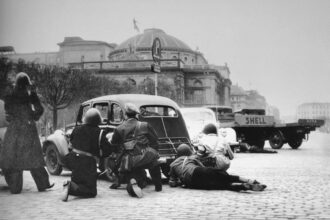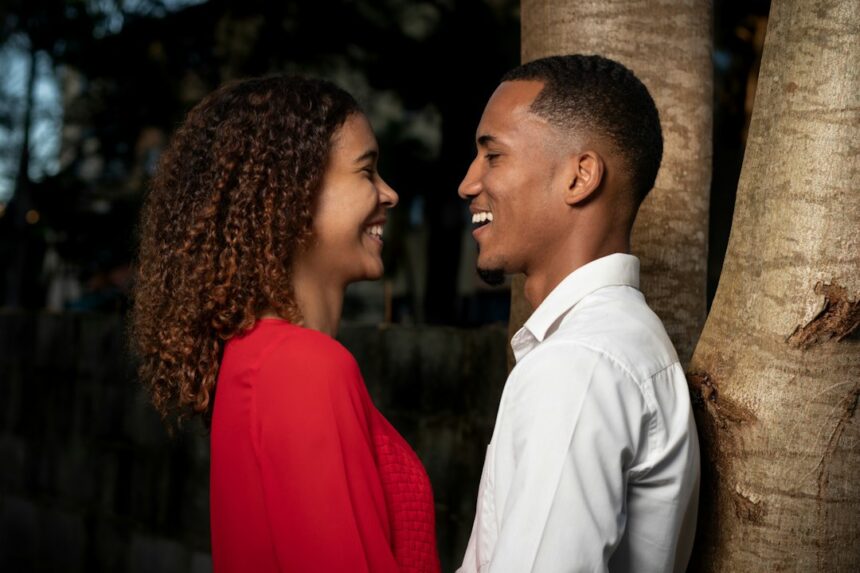
The blackout curtains were drawn tight, muffling the distant wail of air-raid sirens and the rumble of bombers overhead. In the hushed intimacy of a bombed-out London flat, a whispered conversation unfolded. He, a Ghanaian soldier stationed in Britain during the Second World War, spoke of his homeland, a place of sun-drenched shores and vibrant traditions. She, a young English woman with eyes that mirrored the smoky grey of the London sky, listened, her hand resting tentatively on his. Their connection, forged in the crucible of conflict, defied the societal norms and wartime anxieties that sought to keep them apart. This was the reality for many interracial couples navigating the complexities of love across enemy lines, a poignant testament to the resilience of human connection amidst the backdrop of global upheaval.
The Shadow of Prejudice and the Beacon of War
Shifting Societal Landscapes
Britain in the Second World War was a nation undergoing profound social transformation. While the shared experience of war fostered a sense of national unity, underlying racial prejudices persisted, often amplified by fear and propaganda. The arrival of colonial troops, including those from African nations like Ghana, brought a visible minority presence into everyday British life. While some Britons embraced these soldiers as allies and welcomed their contributions to the war effort, others harbored deep-seated reservations, rooted in colonial attitudes and the pervasive belief in racial hierarchy. These attitudes, though often unspoken or confined to hushed tones, created an atmosphere of unease and potential disapproval for relationships that crossed racial boundaries. The “enemy” during wartime was clearly defined in the propaganda of the era, targeting German and Japanese forces. However, the war also inadvertently provided a new context for pre-existing racial tensions, as the presence of non-white soldiers challenged established social orders. The perception of “otherness” became a powerful, albeit often unacknowledged, factor influencing social interactions.
The Unique Dynamics of Wartime Relationships
The extraordinary circumstances of war provided a fertile ground for unexpected connections. Soldiers, far from home and facing the daily threat of death, sought solace and companionship. The camaraderie born of shared peril could transcend racial divides, fostering bonds of understanding and affection. For British women, the absence of men serving on the front lines often meant increased independence and a willingness to look beyond traditional courtship rituals. The presence of colonial troops offered opportunities for social interaction, and for some, a genuine connection that blossomed into love. These relationships were often forged in moments snatched from the jaws of war – hurried meetings in bombed-out cafes, shared cigarettes in crowded billets, stolen dances to crackling radio broadcasts. The urgency of the times lent a heightened intensity to these nascent romances, as the future remained uncertain and every moment together felt precious. The wartime environment, while fraught with danger, also presented a unique melting pot where individuals from disparate backgrounds could find common ground and forge meaningful relationships.
Interracial relationships during wartime Britain were often met with both fascination and resistance, reflecting the complex social dynamics of the era. A related article that delves into this topic is available at In the War Room, which explores how the experiences of love and partnership transcended racial boundaries amidst the backdrop of conflict. For more insights, you can read the article here: Interracial Relationships in Wartime Britain.
Love’s Resilience in the Face of Adversity

Courtship Under Siege
The courtship rituals of wartime Britain were necessarily adapted to the prevailing conditions. Regular dates and leisurely strolls were often replaced by clandestine meetings, snatched hours between duties, and whispered reassurances against the roar of anti-aircraft guns. The constant threat of bombing raids meant that public spaces were often unsafe, pushing couples to seek refuge in private dwellings, often crowded and subject to scrutiny. The threat of air raids could also, paradoxically, bring people closer, fostering a shared vulnerability and a need for mutual comfort. A bombing raid could interrupt a date, sending couples scrambling for shelter, and the shared experience of fear could solidify their bond. News of military successes or setbacks could also cast a pall over individual lives, impacting the morale and plans of couples. Families, particularly those of the British women, often expressed concern about their daughters’ relationships with soldiers from different racial backgrounds. Whispers of disapproval, well-intentioned warnings, and outright condemnation were not uncommon. This familial pressure, combined with the broader societal prejudices, created a significant obstacle for these couples to overcome.
The Stigma and the Strength
The societal stigma attached to interracial relationships during wartime Britain was undeniable. While overt discrimination was not always the norm, subtle forms of prejudice were pervasive. Couples often faced stares, whispers, and outright ostracism from certain segments of society. Public displays of affection were often met with disapproval, forcing them to maintain a low profile. The colonial past of Britain, with its inherent power dynamics and racial hierarchies, cast a long shadow, influencing perceptions and fueling prejudices. Yet, for many couples, the strength of their love and commitment proved to be more potent than the societal pressures. They found solace and support in each other, creating a private world where their affection could flourish, insulated from external judgment. The shared experience of navigating this prejudice often served to strengthen their bond, making them more resilient and united in their resolve.
Beyond the Battlefield: Legacies of Love
Interracial relationships during wartime Britain were often shaped by the social and political climate of the time, as explored in a fascinating article that delves into the complexities and challenges faced by couples from different backgrounds. These relationships not only defied societal norms but also highlighted the resilience of love amidst adversity. For a deeper understanding of this topic, you can read more in the article found here.

Wartime Marriages and Family Foundations
Despite the challenges, some interracial relationships forged during the war led to formal unions. Wartime marriages, while sometimes conducted with haste and under difficult circumstances, provided a legal and social framework for these couples. These unions were not always met with universal approval from families or society at large, but they represented a commitment to building a future together. The establishment of families, often with children who were themselves a blend of cultures, represented a tangible legacy of these wartime romances. These children, growing up in a Britain that was slowly beginning to grapple with its evolving demographic landscape, embodied the future and the possibility of a more inclusive society. The experiences of these families, though often undocumented, contributed to the rich tapestry of wartime Britain, demonstrating that love and humanity could bloom even in the most challenging of environments.
The Long Shadow of Integration
The end of the war did not signal an end to the challenges faced by interracial couples. The post-war period saw many returning soldiers, both British and colonial, reintegrating into civilian life, a process that was not always smooth. The legacy of wartime prejudice continued to influence societal attitudes, and interracial couples often found themselves navigating a new set of challenges related to housing, employment, and social acceptance. However, the wartime experiences had also planted seeds of change. The visible presence of diverse communities, the contributions of colonial soldiers to the war effort, and the personal stories of love that transcended racial boundaries gradually began to shift perceptions. The children born from these unions, growing up in a more interconnected world, often played a crucial role in fostering understanding and challenging ingrained prejudices. The post-war years were a period of slow, often difficult, integration, but the foundations of love and commitment laid during the war provided a vital cornerstone for building a more inclusive future.
Voices from the Past: Personal Narratives
Letters and Diaries as Testaments
The personal accounts of interracial couples during wartime Britain, though often overlooked in broader historical narratives, offer invaluable insights into their experiences. Letters exchanged between lovers, diaries meticulously chronicling daily life and emotional struggles, and oral histories passed down through generations provide a powerful human dimension to this often-unseen aspect of wartime history. These documents reveal the hopes, fears, and profound affection that characterized these relationships, offering a counter-narrative to the prevailing prejudices of the time. They speak of stolen moments of joy, the pain of separation, and the enduring strength of their love in the face of immense adversity. For instance, a letter from a Ghanaian soldier to his English sweetheart might detail the mundane realities of military life juxtaposed with heartfelt declarations of love, while a diary entry from the woman might describe the anxieties of air raids interwoven with the quiet comfort of their clandestine meetings. These personal testaments are crucial for understanding the lived realities of these individuals and the emotional weight of their choices.
Echoes in the Present Day
The legacy of love across enemy lines during wartime Britain continues to resonate in the present day. The experiences of these couples serve as a reminder of the enduring power of human connection to transcend artificial boundaries. Their stories highlight the importance of challenging prejudice and celebrating diversity. In a contemporary Britain that is increasingly multicultural and diverse, understanding these historical precedents is crucial. The struggles and triumphs of these wartime couples paved the way for greater acceptance and understanding, contributing to the evolving social fabric of the nation. Their quiet defiance and unwavering love offer lessons in resilience, empathy, and the universal pursuit of happiness, demonstrating that even in the darkest of times, love can find a way to bloom and leave an indelible mark on history. The echoes of their relationships serve as a quiet but persistent reminder that the human heart recognizes no colour lines, only the profound call of connection.
His WWII GI Father Was a Mystery for Nearly 80 Years
FAQs
What were interracial relationships like in wartime Britain?
Interracial relationships in wartime Britain were uncommon due to societal norms and prejudices at the time. However, there were instances of relationships between individuals from different racial backgrounds.
How were interracial couples perceived during wartime Britain?
Interracial couples faced significant social stigma and discrimination during wartime Britain. They often encountered disapproval from both their families and wider society.
Did wartime Britain have any laws against interracial relationships?
There were no specific laws against interracial relationships in wartime Britain. However, societal attitudes and prejudices often served as barriers to such relationships.
Were there any challenges faced by children of interracial couples in wartime Britain?
Children of interracial couples in wartime Britain often faced discrimination and prejudice due to their mixed racial heritage. They may have struggled with issues of identity and belonging.
Did interracial relationships in wartime Britain have any long-term impact on society?
Interracial relationships in wartime Britain contributed to challenging and changing societal attitudes towards race and ethnicity. Over time, these relationships played a role in shaping more inclusive and diverse communities.