The echoes of conflict are never truly silent. They resonate not just in the scarred landscapes and the memories of survivors, but in the very fabric of the military organizations that endure and, crucially, adapt. War, in its brutal and unyielding nature, serves as the ultimate, albeit tragic, crucible for innovation, forcing armies to shed obsolescence and embrace transformation. The ability of a military force to learn, to absorb the harsh realities of combat, and to fundamentally alter its doctrine, technology, and organization is not merely an advantage; it is the sine qua non of long-term survival and effectiveness. This evolution is a continuous, often painful, process, driven by necessity and shaped by the ever-changing face of warfare itself.
The initial moments of a war often reveal profound unpreparedness. Established doctrines, honed in peacetime simulations and historical retrospectives, can prove woefully inadequate when confronted with the chaotic and unpredictable realities of modern combat. This initial shock serves as a powerful catalyst for change, forcing commanders and strategists to confront the shortcomings of their training, equipment, and understanding of the adversary.
Doctrine Under Scrutiny: When Theory Meets Terrifying Reality
Military doctrine, the codified set of principles and methods that guide an army’s operations, is rarely static. However, its most significant revisions often occur in the wake of unexpected battlefield reverses. The blitzkrieg tactics of World War II, for instance, shattered the static trench warfare assumptions that had dominated the preceding decades. Similarly, the early stages of the Vietnam War exposed the limitations of conventional counterinsurgency tactics against a determined, guerrilla enemy employing asymmetric strategies.
- The Fallacy of Preconceived Notions: Armies often enter conflict with deeply ingrained beliefs about how war should be fought. These beliefs can stem from historical victories, perceived technological superiority, or idealized notions of combat. When these preconceptions are systematically dismantled by the enemy, the need for rigorous self-examination becomes paramount. This involves not just identifying tactical errors but questioning the fundamental assumptions that underpinned the entire strategic approach.
- Learning from Defeat, Not Just Victory: While victories are celebrated, it is often the bitter taste of defeat that instills the most potent lessons. A lost battle, a failed offensive, or a significant casualty rate can highlight systemic weaknesses that might otherwise be overlooked. The ability to objectively analyze these failures, devoid of ego or political expediency, is a hallmark of an adaptive military.
- The Role of Intelligence in Revealing Gaps: Effective intelligence gathering and analysis are crucial in identifying emergent threats and understanding the enemy’s capabilities and intentions. When intelligence fails to predict or adequately explain battlefield realities, it signals a need to revamp intelligence structures and methodologies. This often involves diversifying sources, improving analytical frameworks, and fostering a culture that encourages dissenting opinions and the challenging of established narratives.
Technological Discrepancies: The Arms Race of Necessity
Technological superiority has always been a significant factor in warfare, but war itself often dictates the direction and pace of technological development. The initial realization that an adversary possesses a crucial technological edge can trigger an urgent and often resource-intensive drive to close the gap or develop counter-measures.
- The Invention of the “Anti-X”: History is replete with examples of one side developing a new weapon or tactic, only for the other side to rapidly develop an “anti-” version. The development of anti-tank guns in response to the advent of tanks, or anti-ship missiles in response to naval dominance, are prime examples. This reactive innovation, though often driven by immediate necessity, can lead to rapid advancements.
- The Double-Edged Sword of Innovation: While technological leaps can offer decisive advantages, they also come with inherent risks. New technologies can be vulnerable to unforeseen countermeasures, or their operational effectiveness might not match their theoretical potential. Armies must learn to not only adopt new technologies but also to understand their limitations and potential vulnerabilities.
- Logistics and Maintenance as Technological Bottlenecks: The most advanced weapon system is useless if it cannot be deployed, maintained, and supplied effectively on the battlefield. War often exposes logistical frailties and the challenges of sustaining complex technological systems in austere environments. This realization can lead to significant investments in logistical innovation and infrastructure.
Armies have historically adapted their strategies and tactics based on the lessons learned from previous conflicts, a process that is crucial for military evolution. A related article that delves into this topic is available at In the War Room, where experts analyze how different military organizations have transformed their approaches in response to the challenges faced in various wars. This continuous learning process not only enhances operational effectiveness but also helps in preparing for future engagements.
The Crucible of Combat: Adapting Tactics and Operational Art
Beyond broad doctrines and technologies, war demands a granular adaptation of how battles are fought and campaigns are conducted. The battlefield itself becomes a living laboratory, where theories are tested, and tactical innovations are born from the necessity of survival and the pursuit of victory.
Mastering the Art of Maneuver: Beyond Static Engagements
The ability to move forces effectively, to seize initiative, and to exploit enemy weaknesses through maneuver warfare is a constant pursuit for military strategists. War often reveals the limitations of static defense or frontal assaults, pushing armies to refine their understanding of operational mobility and the coordinated application of force.
- Exploiting Enemy Vulnerabilities: Successful maneuver warfare is not simply about moving; it is about moving with purpose to exploit perceived weaknesses in the enemy’s disposition, logistics, or command structure. This requires a deep understanding of the enemy’s operational tempo and a readiness to deviate from planned routes if opportunities arise.
- The Importance of Tempo and Initiative: Armies that can dictate the tempo of operations and seize the initiative gain a significant advantage. This allows them to choose the time and place of engagements, forcing the enemy to react and preventing them from consolidating their defenses or launching their own offensives.
- Combined Arms Synergy: The effective integration of different military branches – infantry, armor, artillery, air power, and increasingly, cyber and electronic warfare – is crucial for successful maneuver. War often highlights the need for better coordination and communication between these diverse elements to achieve synergistic effects.
Asymmetric Warfare and the Evolution of Counter-Insurgency
The rise of non-state actors, guerrilla warfare, and asymmetric tactics has presented a profound challenge to conventional armies. The predictable battles of nation-states have been replaced by the unpredictable and often brutal realities of irregular conflict, demanding entirely new approaches.
- Winning Hearts and Minds, Not Just Territory: Counter-insurgency warfare necessitates a shift in focus from purely kinetic operations to winning the support of the local population. This involves understanding the political, social, and economic grievances that fuel the insurgency and employing a comprehensive approach that includes development aid, good governance, and the establishment of rule of law.
- The Blurring Lines of Combatant and Civilian: The nature of asymmetric warfare often blurs the distinction between combatant and civilian, presenting immense ethical and operational challenges. Armies must develop strategies that minimize civilian casualties while still effectively targeting insurgent forces. This often involves sophisticated intelligence gathering, precision targeting, and a deep understanding of the local context.
- The Challenge of Information Warfare: In the age of ubiquitous media and social networks, information warfare has become an integral component of asymmetric conflict. Insurgents can leverage propaganda and disinformation to undermine government authority and gain popular support, forcing conventional forces to develop their own sophisticated information operations capabilities.
Organizational Transformation: Restructuring for Resilience and Agility
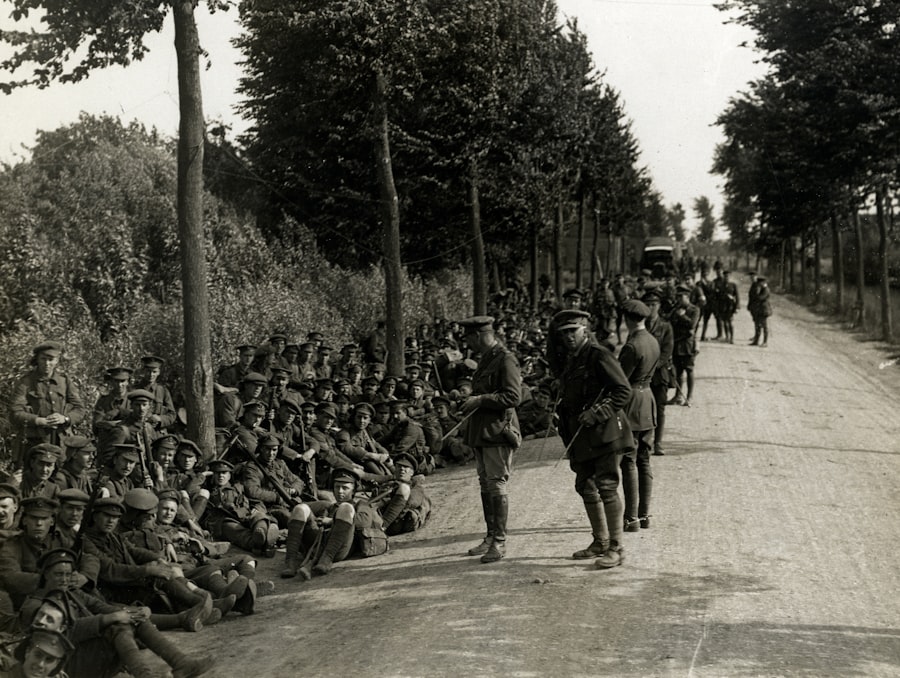
The lessons of war are not just absorbed by individuals or embedded in doctrine; they necessitate fundamental changes in the very structure and organization of the military. Adapting to new threats and operational environments requires flexibility, decentralization, and a culture that embraces continuous learning.
The Bureaucracy Problem: Overcoming Inertia and Resistance to Change
Large military organizations, by their very nature, tend towards bureaucracy. This can create inertia, making it difficult to implement rapid changes in response to evolving threats. Overcoming this ingrained resistance is a crucial aspect of military adaptation.
- The Culture of “How We’ve Always Done It”: A significant hurdle to adaptation is the powerful influence of tradition and the ingrained culture of “how we’ve always done it.” Challenging these established norms requires strong leadership and a clear articulation of the necessity for change, often backed by hard evidence from battlefield experiences.
- Empowering Lower Echelons: To foster agility, organizations often need to empower lower-echelon commanders and soldiers to make decisions and adapt to local conditions. This requires a shift away from rigid top-down command structures towards more decentralized models that foster initiative and rapid response.
- The Role of War Colleges and Training Institutions: Military educational institutions play a vital role in disseminating lessons learned and fostering a culture of critical thinking. Their curricula must be constantly updated to reflect contemporary threats and incorporate case studies of both successful and unsuccessful adaptations.
The Rise of Special Operations Forces: Nimble Tools for a Complex World
The increasing complexity and ambiguity of modern conflicts have seen a significant rise in the prominence and capabilities of special operations forces. These units, designed for agility, discretion, and specialized skill sets, are often at the forefront of confronting novel threats.
- Specialization as a Necessity: The specialized nature of many modern conflicts, from counter-terrorism to precision strikes in denied areas, demands highly trained and specialized units. Special operations forces are often employed in scenarios where conventional forces would be too unwieldy or conspicuous.
- Intelligence Gathering and Direct Action: Special operations forces excel in intelligence gathering, reconnaissance, and direct action missions against high-value targets. Their ability to operate independently and adapt to diverse environments makes them invaluable assets in asymmetric warfare.
- Interagency and International Cooperation: The effectiveness of special operations forces often relies on their ability to integrate and cooperate with other government agencies and international partners. War often highlights the need for robust interagency coordination mechanisms and the development of interoperable capabilities.
Learning and Innovation: The Engines of Military Evolution
The ultimate capacity of an army to adapt and evolve rests on its ability to institutionalize learning and foster a climate of innovation. This is not a passive process but an active and continuous endeavor.
Institutionalizing Lessons Learned: From Battlefield to Doctrine
The most critical phase of adaptation occurs when lessons learned on the battlefield are systematically analyzed, codified, and integrated into doctrine, training, and organizational structures. Without this institutionalization, valuable insights can be lost with the passing of generations.
- After-Action Reviews and After-Action Debriefs: Rigorous and honest after-action reviews (AARs) are fundamental for identifying what worked, what didn’t, and why. These reviews must be conducted without fear of reprisal and should lead to actionable recommendations for improvement.
- The Role of Military Historians and Analysts: Military historians and analysts play a crucial role in documenting conflict, analyzing trends, and providing context for contemporary challenges. Their work can help prevent the repetition of past mistakes and inform future strategies.
- Continuous Improvement Cycles: Adaptation should not be seen as a one-off event but as a continuous cycle of learning, adaptation, and refinement. This involves regularly reassessing threats, updating doctrines, and investing in new technologies and training methodologies.
Fostering a Culture of Innovation: Encouraging New Ideas and Experimentation
A truly adaptive military encourages and rewards innovation at all levels. This requires creating an environment where new ideas are welcomed, experimentation is permitted, and failures are viewed as learning opportunities rather than grounds for punishment.
- “Skunk Works” and Innovation Hubs: Many organizations establish dedicated “skunk works” or innovation hubs – small, agile teams tasked with developing and testing new technologies and concepts outside of the traditional bureaucratic structures.
- Incentivizing Novelty: Military organizations can foster innovation by creating incentives for individuals and units that propose and implement novel solutions. This could include awards, promotions, or increased resources for promising initiatives.
- Embracing Technological Disruption: The pace of technological change in the civilian world is accelerating, and militaries must be prepared to embrace and integrate disruptive technologies. This requires a willingness to experiment with cutting-edge advancements and to adapt quickly to their potential applications.
Armies have long recognized the importance of learning from the experiences gained during conflicts, as this knowledge can significantly enhance their strategies and effectiveness in future engagements. A related article discusses how military organizations analyze past wars to adapt their tactics and improve training programs. For more insights on this topic, you can read the article on how armies learn from war. By studying historical battles and the decisions made, military leaders can better prepare their forces for the complexities of modern warfare.
The Future of Warfare: An Endless Cycle of Adaptation
| Army | Learning Method | Outcome |
|---|---|---|
| US Army | After-action reviews | Improved tactics and strategies |
| British Army | War gaming exercises | Enhanced decision-making skills |
| Israeli Defense Forces | Debriefing sessions | Adaptation to new threats |
The lessons of war are a constant reminder that the landscape of conflict is perpetually shifting. As technology advances, as new actors emerge, and as geopolitical realities evolve, armies will continue to face new challenges that demand further adaptation. The military force that thrives in the future will be the one that has cultivated an intrinsic capacity for learning, for embracing change, and for continuously evolving its understanding of warfare itself. The ability to learn from the past, to adapt to the present, and to anticipate the future will forever be the ultimate determinant of a military’s effectiveness and endurance. The cycle of war and adaptation is, and will likely remain, an unending narrative.

The Military Machine That Didn’t Need a Napoleon
FAQs
What is the process of learning from war for armies?
The process of learning from war for armies involves analyzing the tactics and strategies used during the conflict, identifying areas for improvement, and implementing changes to enhance future performance.
What are some common methods used by armies to learn from war?
Some common methods used by armies to learn from war include after-action reviews, simulation exercises, historical case studies, and the development of new technologies and tactics based on lessons learned from previous conflicts.
Why is it important for armies to learn from war?
It is important for armies to learn from war in order to adapt to evolving threats, improve their effectiveness in future conflicts, and minimize the loss of life and resources. By learning from past experiences, armies can better prepare for future challenges.
What are some examples of how armies have applied lessons learned from war?
Examples of how armies have applied lessons learned from war include the development of new military technologies, changes in training and doctrine, and adjustments to organizational structures and command and control systems based on the experiences of past conflicts.
How does the process of learning from war contribute to the overall effectiveness of armies?
The process of learning from war contributes to the overall effectiveness of armies by enabling them to adapt to changing circumstances, anticipate and counter new threats, and maintain a competitive edge in the modern battlefield. By continuously learning and evolving, armies can better fulfill their mission to protect and defend their nations.