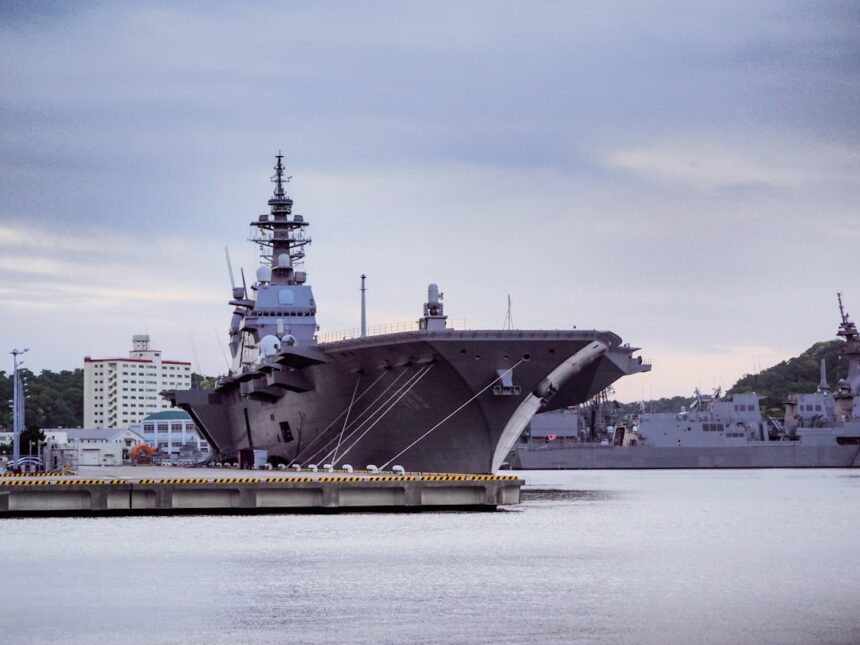
The Korean Peninsula, a region perpetually teetering on the precipice of renewed conflict, finds itself once again at the epicenter of heightened international concern. The Korean Demilitarized Zone (DMZ), a stark and heavily fortified border separating North and South Korea, has historically served as a potent symbol of division and an ever-present flashpoint. Recent escalations in rhetoric and military posturing from Pyongyang, coupled with the strategic deployment of a United States Navy aircraft carrier strike group to the waters off the Korean Peninsula, have ignited a firestorm of speculation and anxiety regarding the potential for a major crisis. This complex geopolitical maneuver, involving the projection of significant military power, underscores the enduring strategic importance of the Korean Peninsula and the delicate balance of deterrence that underpins regional stability.
The Korean Peninsula’s geopolitical landscape has been a volatile one since the cessation of hostilities in the Korean War. While an armistice was signed in 1953, a formal peace treaty remains elusive, leaving the two Koreas technically in a state of war. This enduring state of uncertainty has been consistently exploited by the Democratic People’s Republic of Korea (DPRK), commonly known as North Korea, to fuel its pursuit of nuclear weapons and ballistic missile capabilities. The regime, under the Kim dynasty, has consistently viewed these weapons as its ultimate security guarantee and a tool for leverage in international negotiations.
North Korea’s Persistent Provocations
Pyongyang’s strategy of brinkmanship is a well-established pattern. Through a series of increasingly sophisticated missile tests, including intercontinental ballistic missiles (ICBMs) capable of reaching the United States mainland, and alleged nuclear tests, North Korea aims to achieve two primary objectives: to deter any potential U.S. or South Korean military action and to force the international community to engage with it on its own terms. These provocations are not merely displays of military might; they are carefully orchestrated political statements designed to solidify the regime’s legitimacy at home and project an image of strength abroad. Each missile launch and each defiant statement contributes to the narrative of North Korea as a formidable, if isolated, global player.
The Rationale Behind the Aircraft Carrier Deployment
The deployment of a U.S. Navy aircraft carrier strike group to the vicinity of the Korean Peninsula is a significant and deliberate military action. Aircraft carriers, often referred to as “floating air bases,” represent a powerful projection of American military capability and resolve. Their presence in a contested region serves multiple strategic purposes. Firstly, it acts as a visible deterrent, signaling to North Korea that any aggressive actions would be met with a swift and overwhelming response. Secondly, it demonstrates unwavering commitment to allies, particularly South Korea and Japan, reinforcing the credibility of U.S. security alliances in the face of North Korean threats. Thirdly, it provides a versatile platform for a range of military operations, from reconnaissance and intelligence gathering to power projection and, if necessary, combat operations.
Understanding the Carrier Strike Group
A U.S. Navy carrier strike group is not merely a single vessel; it is a formidable naval formation comprised of numerous warships and aircraft. At its core is an aircraft carrier, a colossal vessel capable of launching and recovering a variety of fixed-wing aircraft and helicopters. This carrier is typically accompanied by a cruiser, a destroyer, and a submarine, forming a layered defense system. The cruiser and destroyer provide anti-air, anti-ship, and anti-submarine warfare capabilities, while the submarine offers stealthy reconnaissance and offensive options. The air wing of the carrier, comprising fighter jets, attack aircraft, and support helicopters, provides air superiority, reconnaissance, and strike capabilities. The coordinated action of these diverse assets creates a powerful and mobile military force, capable of responding to a wide array of threats.
The DMZ: A Powder Keg on the Peninsula
The Korean Demilitarized Zone itself is a testament to the unresolved nature of the Korean War. Established in 1953, it stretches approximately 250 kilometers (160 miles) across the Korean Peninsula, separating North and South Korea by an average of 4 kilometers (2.5 miles). Despite its name, the DMZ is one of the most heavily militarized borders in the world. It is patrolled by thousands of soldiers on both sides, equipped with advanced weaponry, and fortified with minefields, barbed wire fences, and guard posts. The Joint Security Area (JSA) within the DMZ, specifically at Panmunjom, is the only location where North and South Korean forces stand face-to-face, a potent symbol of the ongoing division.
A History of Tensions and Incidents
The DMZ has been the site of numerous tense standoffs, skirmishes, and provocations throughout its history. From assassination attempts and propaganda battles to the infamous axe murders of U.S. soldiers in 1976, the border has been a consistent source of friction. These incidents, often instigated by North Korea, serve to remind the world of the fragile peace that has existed for decades and the ever-present danger of escalation. The regime in Pyongyang has historically used these border incidents as a means of asserting its presence and extracting concessions from the international community.
The ongoing tensions surrounding the Korean DMZ have drawn significant attention, particularly regarding the strategic deployment of aircraft carriers in the region. For a deeper understanding of the implications of military presence in this volatile area, you can read a related article that explores the historical context and current developments. This insightful piece can be found at this link.
The Strategic Implications of Aircraft Carrier Presence
The deployment of an aircraft carrier strike group to the waters near the Korean Peninsula is a clear signal to all actors involved, particularly North Korea and its regional allies. It signifies a heightened state of readiness and a reinforced commitment to the defense of South Korea and its allies. This move is not undertaken lightly, as it carries significant strategic implications for regional stability and the broader international order.
Deterrence and Reassurance: A Dual-Edged Sword
The primary objective of deploying an aircraft carrier is to deter potential aggression. The sheer destructive power and logistical capabilities of a carrier strike group serve as a potent visual and practical reminder of the consequences of attacking U.S. allies. This deterrence is aimed at preventing North Korea from taking actions that could destabilize the region, such as launching a full-scale invasion or conducting further nuclear tests. Simultaneously, the presence of American naval power serves to reassure South Korea and Japan, reinforcing their confidence in U.S. security commitments and strengthening the overall alliance framework. However, this strategy can also be perceived as provocative by North Korea, potentially leading to a dangerous cycle of escalation if not managed carefully.
The Calculus of Escalation: Who Blinks First?
The deployment of a carrier strike group creates a complex strategic calculus for all involved parties. North Korea, facing a direct challenge to its perceived security perimeter, may feel compelled to respond in kind, potentially through further missile tests or other provocations. This can lead to a dangerous escalation, where each side attempts to gain the upper hand through military posturing. The critical question becomes who is willing to de-escalate and when. Miscalculation and misinterpretation of intentions on either side could have catastrophic consequences, transforming a tense standoff into an open conflict.
Power Projection and Diplomatic Leverage
Beyond deterrence, the carrier strike group represents a significant projection of American power. Its ability to operate independently for extended periods, projecting air and naval power far from its home port, makes it an invaluable asset in a crisis. This power projection is not solely military; it also carries diplomatic weight. The deployment sends a clear message to regional powers, including China, about the U.S. commitment to maintaining stability and deterring adventurism on the Korean Peninsula. It also provides the United States with greater leverage in diplomatic negotiations, as it can point to its robust military posture as evidence of its seriousness.
The Role of Regional Allies: South Korea and Japan
The presence of the aircraft carrier strike group is a joint endeavor, at least in spirit, with key regional allies. South Korea, with its own sophisticated military, works closely with U.S. forces, conducting joint exercises and intelligence sharing. Japan, also a close U.S. ally, hosts significant U.S. military installations and plays a crucial role in regional security architecture. The deployment enhances the collective security capabilities of these nations, demonstrating a united front against potential North Korean aggression. Regular joint exercises are a critical component of this cooperation, ensuring interoperability and fostering trust between allied forces.
North Korea’s Nuclear Ambitions and the Carrier’s Response
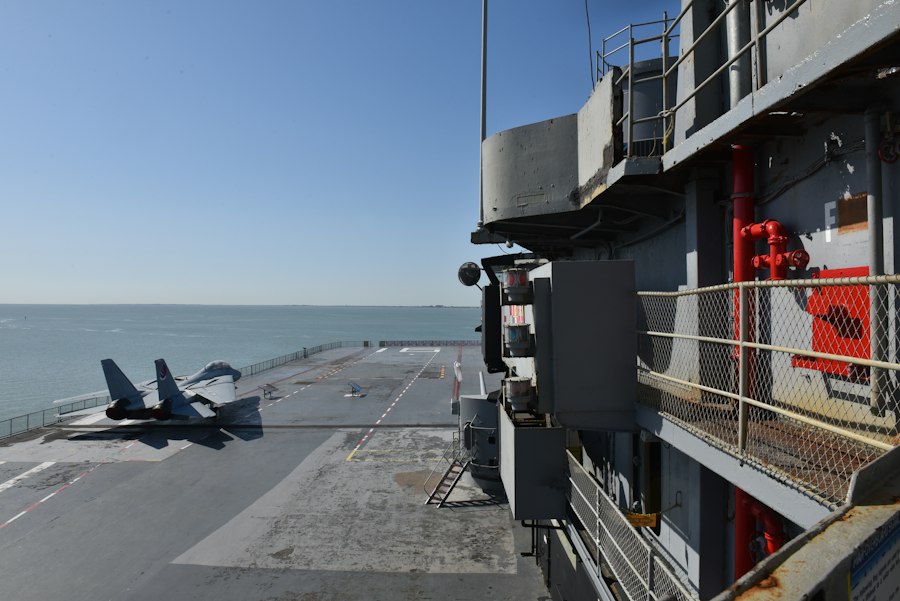
North Korea’s relentless pursuit of nuclear weapons and advanced missile technology forms the bedrock of its strategic calculations. The deployment of an aircraft carrier strike group, particularly one equipped with nuclear-capable aircraft and potentially part of a broader nuclear triad, directly challenges this ambition and raises the stakes of any potential conflict.
The Nuclear Shadow Over the Peninsula
The specter of nuclear conflict hangs over the Korean Peninsula. North Korea’s development of nuclear weapons has fundamentally altered the strategic landscape, introducing an unprecedented level of danger. The regime has repeatedly threatened to use these weapons against its adversaries, including the United States and its allies. The presence of an aircraft carrier strike group, often capable of carrying nuclear-capable weapons, serves as a direct counter to this threat. It signifies that the U.S. possesses the means to respond to any nuclear attack with overwhelming force, reinforcing the concept of extended deterrence.
Extended Deterrence and its Limits
Extended deterrence refers to the commitment of a nuclear-armed state to use its nuclear weapons to defend allies that do not possess nuclear weapons themselves. In the case of South Korea and Japan, the U.S. nuclear umbrella is a critical component of their security. The deployment of an aircraft carrier strike group, with its inherent nuclear capabilities, strengthens this commitment. However, the effectiveness of extended deterrence is not absolute. It relies on the perceived credibility of the threat of retaliation, and there are always concerns about a nuclear-armed adversary attempting to test the boundaries of this commitment.
The Missile Threat and Countermeasures
North Korea’s development of ballistic missiles, capable of delivering both conventional and potentially nuclear warheads, is a significant concern. These missiles pose a direct threat to U.S. forces and allies in the region. Aircraft carrier strike groups are equipped with advanced missile defense systems, designed to intercept incoming ballistic missiles. These systems, such as the Aegis Combat System, provide a crucial layer of protection against such threats. The carrier itself can also serve as a platform for launching counter-strike missions against missile launch sites.
Naval Diplomacy and Signaling Through Presence
The deployment of an aircraft carrier strike group is a powerful form of naval diplomacy. Its mere presence in a region signals intent and resolve without firing a single shot. It can be used to de-escalate tensions by demonstrating a willingness to engage, or to escalate by highlighting military preparedness. The specific composition and positioning of the carrier strike group can also be tailored to send precise signals to different actors. For instance, a more overt posture might be intended to deter aggressive actions, while a more discreet presence could be for intelligence gathering or training exercises.
The International Reaction and Diplomatic Maneuvers

The deployment of a U.S. aircraft carrier strike group is a highly visible event that invariably elicits strong reactions from the international community, particularly from China, which shares a border with North Korea and has significant economic and political ties with Pyongyang.
China’s Stance and Regional Balancing Act
China’s reaction to increased U.S. military presence in the region is always a critical factor. Beijing generally advocates for de-escalation and a peaceful resolution to the Korean Peninsula issue. However, it also views the U.S. as a strategic competitor and is wary of perceived American military overreach. China’s response often involves a delicate balancing act, criticizing U.S. actions as destabilizing while also urging North Korea to exercise restraint. Beijing’s economic leverage over Pyongyang is a significant tool, and its willingness to apply that leverage is closely watched by the international community.
The Interplay of Power and Influence
The deployment of the carrier strike group is part of a broader geopolitical struggle for influence in Northeast Asia. The U.S. seeks to maintain its alliances and counter the growing regional power of China. China, in turn, aims to secure its interests and project its own influence. The Korean Peninsula, given its strategic location and the volatile nature of the North Korean regime, becomes a focal point for this competition. The presence of U.S. military assets like aircraft carriers is seen by China as a challenge to its own regional aspirations.
The United Nations and Sanctions
The United Nations Security Council has consistently condemned North Korea’s nuclear and missile programs and imposed a range of sanctions designed to cripple its economy and limit its ability to fund these programs. The deployment of a carrier strike group can be seen as a reinforcement of these international efforts, demonstrating the resolve of key member states, particularly the United States, to enforce these sanctions and prevent further proliferation. However, the effectiveness of these sanctions is often hampered by the reluctance of some member states to fully implement them, particularly China and Russia.
The Limits of Diplomacy in a Crisis
While diplomatic solutions are always preferred, the persistent provocations from North Korea often necessitate a demonstration of military resolve. The aircraft carrier deployment can be seen as a tactic to create space for diplomacy by raising the stakes for Pyongyang. However, the effectiveness of diplomacy is heavily influenced by the underlying military realities. If North Korea perceives a lack of credible deterrence, its willingness to engage in meaningful negotiations can diminish. Therefore, the U.S. often employs a strategy of “diplomacy backed by strength.”
The ongoing tensions surrounding the Korean DMZ crisis have drawn significant attention to the strategic role of aircraft carriers in modern military operations. As nations assess their naval capabilities in response to potential threats, understanding the implications of deploying such powerful assets becomes crucial. For a deeper insight into the dynamics of military strategy in this context, you can read a related article that explores the impact of naval forces in regional conflicts. This analysis can be found here.
The Path Forward: De-escalation or Escalation?
| Metric | Details |
|---|---|
| Event | Korean DMZ Crisis involving Aircraft Carrier Deployment |
| Date | Various incidents, notable escalation in 2010 and 2017 |
| Location | Korean Demilitarized Zone (DMZ) and surrounding waters |
| Aircraft Carrier Involved | USS Carl Vinson (CVN-70), USS Ronald Reagan (CVN-76), among others |
| Carrier Air Wing Size | Approximately 70-90 aircraft per carrier |
| Purpose of Deployment | Show of force, deterrence, rapid response capability |
| Duration of Deployment | Typically several weeks to months |
| Number of Personnel | Approximately 5,000-6,000 crew per carrier |
| Key Actions | Joint military exercises, air patrols, missile defense drills |
| Impact | Heightened tensions, diplomatic negotiations, military readiness |
The current situation on the Korean Peninsula, amplified by the U.S. aircraft carrier deployment, presents a critical juncture. The choices made in the coming days and weeks will determine whether the region spirals further into crisis or finds a path towards de-escalation and renewed diplomatic efforts.
The Risk of Miscalculation and Accidental Conflict
The most significant danger in a heightened crisis is the risk of miscalculation and accidental conflict. Both sides, under immense pressure, may misinterpret the other’s intentions, leading to unintended escalations. A technical malfunction, a border skirmish gone awry, or an overly aggressive rhetorical statement could trigger a chain reaction with devastating consequences. The presence of powerful military assets, while intended for deterrence, also increases the potential for rapid and uncontrolled escalation.
The Importance of Communication Channels
Maintaining open and reliable communication channels between the U.S. and North Korea, and between the U.S. and China, is paramount in such situations. Even when relations are strained, the ability to communicate and clarify intentions can prevent misunderstandings that could lead to conflict. The establishment of “hotlines” and regular diplomatic exchanges, however infrequent, can serve as crucial safeguards during periods of heightened tension.
The Role of Diplomacy and De-escalation
Ultimately, a lasting resolution to the Korean Peninsula crisis can only be achieved through diplomatic means. The military deployments and posturing, while serving as deterrents, are not solutions in themselves. A concerted international effort, involving all key stakeholders, is necessary to bring North Korea back to the negotiating table and work towards denuclearization and a stable peace. This requires a willingness to engage in difficult conversations, offer incentives for behavioral change, and hold North Korea accountable for its actions.
The Long-Term Vision: Denuclearization and Peace
The ultimate goal for the international community remains the complete, verifiable, and irreversible denuclearization of the Korean Peninsula. This is a monumental task, fraught with political and technical challenges. However, without this long-term vision, the cycle of provocations and military responses is likely to continue indefinitely. The current crisis, while fraught with danger, also presents an opportunity to re-evaluate strategies and redouble diplomatic efforts towards a more peaceful and secure future for the Korean people. The deployment of the aircraft carrier strike group, while a powerful symbol of resolve, must ultimately serve as a catalyst for a more enduring diplomatic breakthrough.

America Sent an Aircraft Carrier to Cut Down One Tree
FAQs
What is the significance of aircraft carriers in the Korean DMZ crisis?
Aircraft carriers play a crucial role in the Korean DMZ crisis by providing a mobile and powerful platform for projecting air power, conducting surveillance, and supporting various military operations in the region.
How many aircraft carriers are typically deployed in the Korean DMZ crisis?
The number of aircraft carriers deployed in the Korean DMZ crisis can vary depending on the situation and the level of threat perceived. However, the United States Navy typically deploys one or more aircraft carriers to the region during times of heightened tensions.
What capabilities do aircraft carriers bring to the Korean DMZ crisis?
Aircraft carriers bring a wide range of capabilities to the Korean DMZ crisis, including the ability to launch and recover various types of aircraft such as fighter jets, reconnaissance planes, and helicopters. They also serve as command and control centers, providing communication and coordination for military operations.
How do aircraft carriers contribute to deterrence in the Korean DMZ crisis?
Aircraft carriers contribute to deterrence in the Korean DMZ crisis by demonstrating a visible and credible military presence in the region. The presence of aircraft carriers sends a strong signal of resolve and readiness to defend against any potential aggression, which can help deter adversaries from taking provocative actions.
Are aircraft carriers the only naval assets involved in the Korean DMZ crisis?
No, aircraft carriers are not the only naval assets involved in the Korean DMZ crisis. In addition to aircraft carriers, other naval assets such as cruisers, destroyers, submarines, and support ships are also deployed to the region to provide additional capabilities and support for military operations.