The world watched in stunned silence as the Twin Towers crumbled and the Pentagon bled on that fateful September morning in 2001. The attacks of 9/11, a profound trauma for the United States, did not merely shake its foundations; they fundamentally reshaped its approach to national security. Among the myriad of institutions tasked with confronting the new enemy, the Joint Special Operations Command (JSOC), an organization shrouded in secrecy and operating at the sharpest edge of American military power, underwent a dramatic and transformative evolution. Prior to 9/11, JSOC was a highly capable but relatively niche command, focused on counter-terrorism and hostage rescue in specific, often contained, scenarios. The post-9/11 era, however, unleashed a decade-long global war against a decentralized and elusive enemy, demanding an unprecedented expansion of JSOC’s capabilities, operational tempo, and strategic significance.
Before the dust settled on 9/11, JSOC’s primary role was one of elite problem-solving. Its component units, such as Delta Force and DEVGRU (formerly SEAL Team Six), were honed for precision strikes against high-value targets and daring hostage rescue missions. These operations, while critically important, were often discrete and localized. The intelligence gathered and the planning involved were typically in support of specific, pre-defined threats. The command’s operational footprint was significant but not pervasive. The attacks of 9/11 shattered this paradigm. The enemy was no longer a state actor with recognizable borders and conventional military structures; it was a global network of ideologically driven individuals and groups, capable of inflicting mass casualties with unconventional tactics. This realization necessitated a radical shift in the American military’s posture, moving from a deterrent-focused strategy to one of proactive, persistent engagement. JSOC, with its inherent ability to operate in the shadows and execute highly complex missions, was uniquely positioned to spearhead this new approach.
The Unseen Enemy and the Need for Adaptability
The nature of the threat post-9/11 was fundamentally different. Al-Qaeda and its affiliates operated without a fixed territorial base, thriving in ungoverned or poorly governed spaces. They were adept at using emerging communication technologies to recruit, train, and plan operations. This meant that traditional military intelligence and operational frameworks, often designed for state-on-state conflict, were insufficient. JSOC’s pre-existing culture of innovation and adaptability, forged in the crucible of clandestine operations, proved to be a critical asset. The command was not bound by the same rigid structures as conventional forces, allowing for rapid adaptation to new intelligence and evolving enemy tactics. This flexibility became a hallmark of JSOC’s post-9/11 operations, enabling it to pursue targets across continents and through intricate networks. The understanding that the enemy was not geographically contained, but rather ideologically driven and globally dispersed, became the foundational principle for JSOC’s expanded mandate.
The Rise of the “War on Terror” and JSOC’s Centrality
The declaration of the “Global War on Terror” by the Bush administration elevated the importance of special operations forces across the board. However, JSOC, with its specialized units and deep-seated expertise in counter-terrorism, found itself at the absolute epicenter of this new conflict. The initial invasions of Afghanistan and Iraq provided the immediate theaters for JSOC’s operations. In Afghanistan, JSOC units were instrumental in hunting down Al-Qaeda leadership, supporting the establishment of new governance, and conducting raids against Taliban strongholds. In Iraq, the insurgency presented a complex and evolving challenge, requiring JSOC to adapt its methods to combat asymmetric warfare and a deeply embedded enemy. The command’s ability to gather actionable intelligence, conduct precise kinetic strikes, and operate effectively in denied areas made it an indispensable tool in the U.S. government’s response to the post-9/11 threat landscape. This period marked a significant increase in JSOC’s operational tempo, personnel, and budget, solidifying its position as a critical instrument of American foreign policy and national security.
After the events of September 11, 2001, the Joint Special Operations Command (JSOC) underwent significant transformations to adapt to the evolving landscape of modern warfare and counterterrorism. These changes included an increased emphasis on intelligence-driven operations and enhanced collaboration with other military and intelligence agencies. For a deeper understanding of how JSOC adapted in the post-9/11 era, you can read the article available at this link.
The Unprecedented Expansion: More Than Just Soldiers
The post-9/11 era witnessed not just an increase in JSOC’s operational tempo, but also a significant expansion of its organizational structure and capabilities. This evolution was not limited to simply deploying more personnel; it involved a multifaceted growth that included enhanced intelligence gathering, technological advancements, and a broadening of its operational scope. JSOC became a more holistic entity, integrating intelligence professionals, technical specialists, and strategic planners alongside its elite warfighters. This fusion of disciplines was crucial in combating an enemy that relied heavily on information networks and sophisticated planning.
The Intelligence Revolution: Beyond Traditional Assets
Prior to 9/11, intelligence gathering was largely the domain of dedicated agencies like the CIA and the NSA. While JSOC had its own intelligence components, its reliance on external sources was more pronounced. The post-9/11 environment, however, demanded a far more integrated and dynamic intelligence apparatus. JSOC began to develop its own organic intelligence capabilities, bringing intelligence analysts and collection specialists directly into its operational planning and execution cycles. This allowed for a more seamless transition from intelligence gathering to action, reducing the time lag and increasing the precision of operations. This “intelligence-driven operations” model became a cornerstone of JSOC’s success, allowing it to identify, locate, and neutralize threats with unprecedented speed and accuracy. The development of dedicated intelligence fusion cells, where raw intelligence from various sources could be analyzed and synthesized in near real-time, was a critical innovation during this period.
The Rise of SIGINT and HUMINT Integration
- Signals Intelligence (SIGINT): The ability to intercept and analyze enemy communications became paramount. JSOC invested heavily in its SIGINT capabilities, developing specialized units and acquiring cutting-edge technology to monitor electronic traffic, from satellite communications to encrypted internet communications. This allowed them to track enemy movements, identify key figures, and anticipate impending attacks.
- Human Intelligence (HUMINT): Despite the rise of technological surveillance, human sources remained invaluable. JSOC units became adept at developing and leveraging networks of informants, often operating in high-risk environments. The collection of human intelligence provided crucial context and insights that purely technical means could not always offer, guiding kinetic operations and informing strategic decision-making.
Technological Arms Race: Precision and Reach
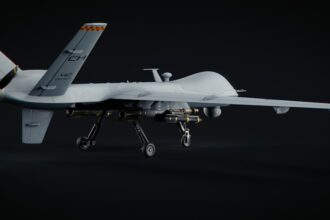
The battlefield of the 21st century was increasingly defined by technology, and JSOC found itself at the forefront of this technological arms race. The command embraced advancements in areas such as surveillance, precision-guided munitions, and unmanned aerial vehicles (UAVs). These technologies not only enhanced JSOC’s lethality but also its ability to operate with greater precision, minimizing collateral damage and increasing the survivability of its own forces. The development and deployment of advanced sensor technology, often integrated into UAVs, allowed for persistent surveillance of targets, providing real-time intelligence and enabling rapid response.
Drones and Unmanned Systems: The Eyes in the Sky
- Reconnaissance and Surveillance: UAVs became indispensable tools for reconnaissance and surveillance missions. Their ability to loiter over target areas for extended periods, providing continuous video feeds and sensor data, gave JSOC unprecedented situational awareness.
- Precision Strike Capabilities: The integration of precision-guided munitions with UAVs allowed for highly accurate strikes against individual targets, often from great distances. This capability was crucial in eliminating high-value individuals and disrupting enemy operations with minimal risk to civilians.
Advanced Communications and Data Fusion
- Secure and Agile Networks: The need for secure and real-time communication across vast distances became critical. JSOC invested in advanced satellite communication systems and encrypted networks, enabling seamless coordination between dispersed units and command centers.
- Data Analytics and AI: The sheer volume of data generated by modern intelligence collection required sophisticated analytical tools. JSOC embraced advancements in data analytics and began exploring the potential of artificial intelligence to sift through vast datasets, identify patterns, and highlight critical intelligence leads.
The Growth of Support Elements: The Unsung Heroes
The operational tempo and complexity of JSOC missions demanded a significant expansion of its support elements. Beyond the elite operators, a vast network of logistical, medical, technical, and intelligence support personnel became integral to JSOC’s success. These individuals, often working behind the scenes, provided the essential backbone for the command’s far-flung operations. This included specialized medical teams capable of treating complex trauma in austere environments, logistics experts who ensured vital supplies reached remote operating bases, and technical personnel who maintained and operated advanced equipment. The integration of these support functions within the JSOC structure was a testament to its evolving operational philosophy.
Operational Innovation: Adapting to the Evolving Threat

The post-9/11 era was characterized by continuous adaptation and innovation within JSOC. The enemy’s tactics evolved, and JSOC consistently refined its own to stay ahead. This involved developing new operational methodologies, refining targeting strategies, and expanding its operational reach into previously inaccessible areas. The command became a living laboratory for counter-insurgency and counter-terrorism tactics, constantly learning and evolving in response to the dynamic threat landscape.
The Art of the Raid: Precision and Velocity
JSOC’s signature operations – highly precise raids – underwent significant refinement. The focus shifted from simply eliminating targets to also capturing them for intelligence gathering, disrupting enemy networks, and demonstrating U.S. resolve. The velocity of operations, from intelligence to execution, was accelerated to an unprecedented degree. This involved meticulous planning, extensive rehearsals, and the utilization of cutting-edge technology to ensure surprise, speed, and overwhelming force at the point of contact. The ability to conduct night raids, often using advanced night vision technology and suppressed weapons, became a hallmark of JSOC’s effectiveness.
High-Value Target (HVT) Operations: Hunting the Leaders
- Intelligence-Driven Targeting: The cornerstone of HVT operations was robust intelligence. JSOC units worked tirelessly to develop detailed intelligence pictures of key enemy leaders, their routines, their communication patterns, and their vulnerabilities.
- Surgical Strikes: Once a target was identified and validated, JSOC conducted surgical strikes, often involving helicopter insertions or rapid vehicle movements, to neutralize or capture the individual with minimal collateral damage.
- Information Operations: The capture or elimination of HVTs was often accompanied by carefully managed information operations to demoralize enemy forces and reassure allies.
Capturing for Intelligence: Beyond Kinetic Action
- Intelligence Value of Detainees: Recognizing that live detainees often provided more valuable actionable intelligence than deceased targets, JSOC increasingly focused on capture operations. This allowed for interrogation and the extraction of critical information about enemy plans, networks, and leadership.
- Sensitive Site Exploitation (SSE): Following successful raids, JSOC units conducted Sensitive Site Exploitation, meticulously gathering documents, electronic devices, and other materials from captured locations to further intelligence analysis.
The Rise of Unconventional Warfare: Operating in the Shadows
As the Global War on Terror expanded, JSOC’s role in unconventional warfare grew significantly. This involved operating in permissive and semi-permissive environments, often with limited or no overt U.S. presence, to train and advise local partner forces, conduct intelligence gathering, and disrupt enemy activities. This approach allowed the U.S. to project power and influence without the political and logistical challenges of large-scale conventional deployments. The ability to operate with a low signature and blend in with the local population was crucial for the success of these operations.
Partner Force Development: Building Local Capacity
- Training and Advising: JSOC units trained and advised indigenous forces in countries affected by terrorism or instability, equipping them with the skills and knowledge to combat threats within their own borders. This was a long-term strategy aimed at building sustainable security capacity.
- Joint Operations: In many instances, JSOC operators conducted joint operations with partner forces, leveraging local knowledge and access while providing specialized skills and firepower.
Denied Areas Operations: Penetrating Adversarial Territory
- Covert Infiltration: JSOC units became adept at covertly infiltrating denied areas, such as regions controlled by hostile non-state actors or adversarial nations, to conduct reconnaissance, sabotage, or intelligence gathering missions.
- Intelligence Collection and Disruption: These operations aimed to disrupt enemy logistics, sever communication lines, and gather intelligence on their capabilities and intentions, often without the enemy’s awareness.
The Blurring Lines: Intelligence, Operations, and Diplomacy
The post-9/11 era saw a significant blurring of the lines between intelligence gathering, direct action operations, and even diplomatic engagement. JSOC’s activities often complemented and supported diplomatic efforts, creating conditions for political solutions or undermining the capacity of actors who threatened stability. The command’s ability to operate in areas where traditional diplomatic channels were limited or non-existent made it a valuable tool for projecting influence and shaping the environment. This integrated approach acknowledged that security challenges were multifaceted and required a coordinated response across multiple government agencies.
Interagency Cooperation: A New Synergy
- CIA and JSOC Integration: The relationship between JSOC and the CIA, particularly for counter-terrorism operations, became deeply intertwined. Joint task forces were established, facilitating seamless intelligence sharing and coordinated operational planning.
- State Department Collaboration: In some instances, JSOC operations were closely coordinated with the State Department, supporting diplomatic objectives and creating space for political engagement.
Shaping the Operational Environment: Beyond Direct Action
- Pre-emptive Action: JSOC’s intelligence capabilities allowed for pre-emptive actions against nascent threats, preventing attacks before they could materialize.
- Information Warfare Support: JSOC operations often played a role in broader information warfare campaigns, aimed at shaping narratives, undermining enemy propaganda, and bolstering public support for counter-terrorism efforts.
The Moral and Legal Landscape: Navigating Uncharted Territory

The intensity and nature of JSOC’s post-9/11 operations inevitably raised complex ethical and legal questions. Operating in a global war against an amorphous enemy, often in the shadows, pushed the boundaries of established legal frameworks and demanded constant re-evaluation of moral considerations. The command found itself navigating uncharted territory, grappling with issues of sovereignty, detention, and the use of force in unconventional settings.
The Question of Sovereignty: Operating Across Borders
The global nature of the fight against terrorism meant that JSOC often operated in countries where the U.S. government did not have explicit permission or where the host nation’s capacity to control its territory was limited. This raised significant questions about national sovereignty and the legality of such operations. JSOC’s activities often occurred in areas where U.S. diplomats and conventional forces could not operate, making these operations politically sensitive and legally complex. The command had to carefully navigate international law and engage in discreet consultations with partner nations where possible, while often operating under broad authorities granted by the U.S. government.
Host Nation Consent and Unilateral Action
- Implied Consent and Necessity: In certain situations, operations were conducted under the assumption of implied consent or based on the immediate necessity of preventing an imminent threat to the United States, even without explicit host nation approval.
- International Law and Norms: JSOC’s activities were subject to scrutiny under international law, and the command operated within a framework designed to minimize violations of sovereignty where possible, although instances of controversy inevitably arose.
Detention and Interrogation: The Ethical Minefield
The capture of individuals deemed to be enemies of the state in the Global War on Terror presented a significant ethical and legal challenge. JSOC units were involved in the capture and initial handling of detainees, leading to debates about detention policies, interrogation techniques, and the legal status of individuals held outside of traditional legal frameworks. The evolving understanding of what constituted an enemy combatant and the legal boundaries of interrogation practices were subjects of intense public and governmental scrutiny. JSOC’s role in these sensitive areas was often declassified much later, revealing the complex decisions made under immense pressure.
Enemy Combatant Status and Legal Frameworks
- The AUMF: The Authorization for Use of Military Force (AUMF) passed by Congress after 9/11 provided broad authority for the executive branch to act against those who planned, authorized, or committed the terrorist attacks. This served as a legal basis for many JSOC operations.
- Legal Reviews and Oversight: Throughout the post-9/11 period, there were ongoing legal reviews and oversight mechanisms designed to ensure that JSOC operations remained within the bounds of U.S. law and international norms, though interpretations and practices often evolved.
The Dilemma of Lethality: Collateral Damage and Rules of Engagement
The use of lethal force by JSOC units, while often necessary to neutralize threats, was always subject to rigorous scrutiny regarding collateral damage and adherence to rules of engagement. The command’s emphasis on precision strikes and intelligence-driven targeting was designed to minimize civilian casualties, but the inherent dangers of operating in complex environments meant that tragic incidents could and did occur. The evolving nature of warfare and the tactics employed by terrorist groups necessitated continuous review and adaptation of rules of engagement to balance operational effectiveness with the protection of non-combatants.
Minimizing Civilian Casualties: A Paramount Concern
- Intelligence Accuracy: The accuracy and completeness of intelligence used for targeting were paramount in minimizing collateral damage. Rigorous vetting processes were in place to ensure that targets were indeed hostile and that the risk to civilians was assessed and mitigated.
- Rules of Engagement (ROE): JSOC operated under strict rules of engagement that governed the use of force, emphasizing proportionality and the distinction between combatants and non-combatants. These ROE were constantly reviewed and updated based on lessons learned from operations.
After September 11, the Joint Special Operations Command (JSOC) underwent significant transformations to adapt to the evolving landscape of global terrorism. The increased emphasis on counterterrorism operations led to a more integrated approach with other intelligence and military agencies, enhancing their operational capabilities. For a deeper understanding of these changes and their implications, you can read a related article on this topic at In the War Room, which provides valuable insights into how JSOC redefined its strategies in response to new threats.
The Legacy and Future: A Transformed Command
| Aspect | Before September 11, 2001 | After September 11, 2001 |
|---|---|---|
| Primary Mission | Focus on conventional special operations and counterterrorism | Expanded focus on global counterterrorism and intelligence-driven operations |
| Size and Personnel | Smaller, limited joint staffing | Significantly increased personnel and integration of multiple agencies |
| Interagency Collaboration | Limited coordination with CIA and FBI | Enhanced collaboration with CIA, FBI, NSA, and other intelligence agencies |
| Operational Tempo | Lower operational tempo with fewer missions | High operational tempo with continuous global missions |
| Technology and Intelligence | Basic intelligence sharing and technology use | Advanced intelligence integration and use of cutting-edge technology |
| Command Structure | Primarily military command with limited joint authority | More centralized command with joint authority across military and intelligence |
| Budget and Resources | Modest budget focused on special operations | Substantially increased funding and resources for counterterrorism |
The Joint Special Operations Command that emerged from the crucible of the post-9/11 era is a vastly different entity from the one that existed on September 10, 2001. Its evolution has been marked by an unprecedented expansion of capabilities, an intensified operational tempo, and a profound integration of intelligence and operations. JSOC has proven to be an exceptionally adaptable and effective instrument of national security, but its trajectory continues to be shaped by the evolving global landscape.
The Enduring Significance of Special Operations
The Global War on Terror may have evolved, but the threats it exposed have not disappeared. The rise of new extremist groups, the resurgence of great power competition, and the increasing prevalence of cyber warfare all present new challenges that demand specialized capabilities. JSOC, with its inherent agility, its deep well of expertise, and its ability to operate across the spectrum of conflict, remains a critical component of U.S. national security strategy. Its success in hunting down terrorists and disrupting their networks has established a precedent for how the U.S. can project power and influence in the 21st century. The lessons learned from the post-9/11 era, particularly regarding the integration of intelligence and operations, will undoubtedly continue to inform its future deployments.
The “Gray Zone” and Hybrid Warfare
- Beyond Conventional Conflict: The current geopolitical environment is increasingly characterized by “gray zone” conflicts and hybrid warfare, where state and non-state actors blur the lines between war and peace. JSOC’s experience in operating in complex, ambiguous environments makes it well-suited to address these challenges.
- Countering Destabilizing Actors: JSOC’s capabilities are vital in countering destabilizing actors, whether they are state-sponsored terrorist groups, paramilitaries, or other entities that seek to undermine regional or global stability.
The Challenges Ahead: New Threats, New Paradigms
The future of JSOC will undoubtedly be shaped by new threats and evolving paradigms of warfare. The rise of cyber warfare, the proliferation of advanced conventional weapons, and the increasing use of artificial intelligence by adversaries present complex challenges that will require continuous adaptation. JSOC will need to maintain its edge in traditional special operations while also developing new capabilities to address these emerging domains. The ethical and legal considerations that have accompanied its operations will likely remain a subject of debate and require ongoing careful consideration and robust oversight.
The Cyber Frontier and Information Warfare
- Cyber Operations Integration: The integration of cyber warfare capabilities into JSOC’s operational planning and execution will be essential. This includes offensive and defensive cyber operations, as well as the ability to operate effectively in contested cyber environments.
- Information Operations in a Digital Age: The importance of information warfare, particularly in shaping public perception and countering disinformation, will continue to grow. JSOC will need to adapt its strategies to effectively operate in this increasingly complex information landscape.
The Continuous Need for Adaptability and Oversight
JSOC’s greatest strength has always been its ability to adapt. As the threats to national security evolve, so too must the capabilities and operational methodologies of the command. However, this evolution must be tempered by robust oversight and a steadfast commitment to ethical and legal principles. The lessons learned from the post-9/11 era underscore the importance of transparency, accountability, and a clear understanding of the boundaries within which special operations forces operate. The continued success and legitimacy of JSOC depend on its ability to maintain its formidable capabilities while remaining accountable to democratic principles and the rule of law. The legacy of post-9/11 JSOC is one of transformative growth and unprecedented effectiveness, but it also serves as a reminder of the delicate balance between security and liberty in a complex world.
Why SEAL Team Six Got the Bin Laden Raid — Not Delta Force
FAQs
1. What is JSOC?
JSOC stands for Joint Special Operations Command, a component command of the United States Special Operations Command (USSOCOM). It is a secretive military unit responsible for conducting highly classified and specialized missions.
2. How did JSOC change after September 11?
After the September 11 attacks, JSOC’s role and capabilities expanded significantly. It became a key player in the global War on Terror, conducting targeted operations against high-value targets such as terrorist leaders and networks.
3. What new authorities were granted to JSOC post-9/11?
Following the September 11 attacks, JSOC was granted expanded authorities to conduct counterterrorism operations, including the ability to operate in countries where the United States was not officially at war. This allowed JSOC to carry out missions in a more agile and flexible manner.
4. How did JSOC’s relationship with the CIA change after September 11?
After September 11, JSOC’s collaboration with the Central Intelligence Agency (CIA) deepened significantly. The two organizations worked closely together on intelligence gathering, planning, and executing covert operations against terrorist targets.
5. What impact did the changes in JSOC post-9/11 have on its operational effectiveness?
The changes in JSOC post-9/11 significantly enhanced its operational effectiveness. JSOC became more agile, adaptive, and lethal in its ability to conduct special operations missions against terrorist threats, making it a critical asset in the fight against global terrorism.