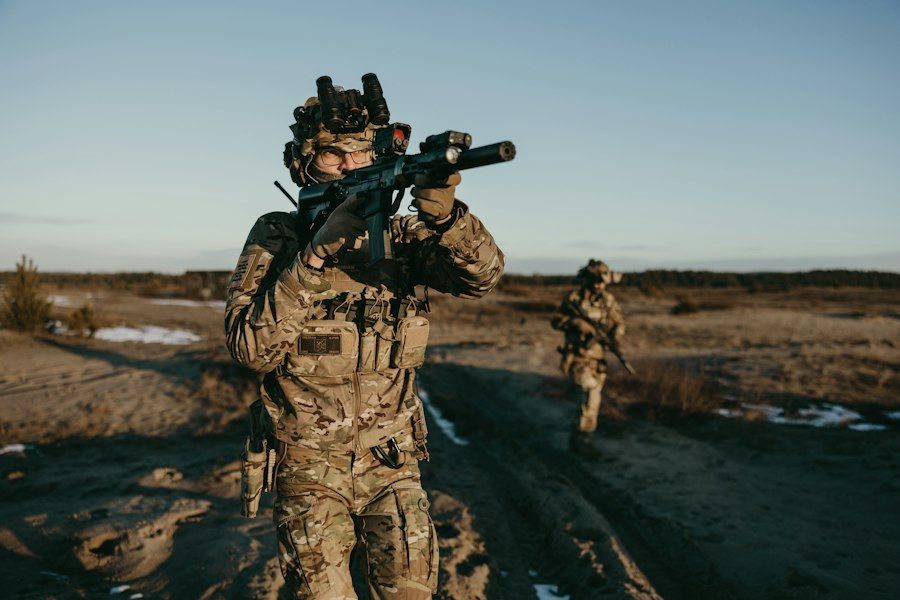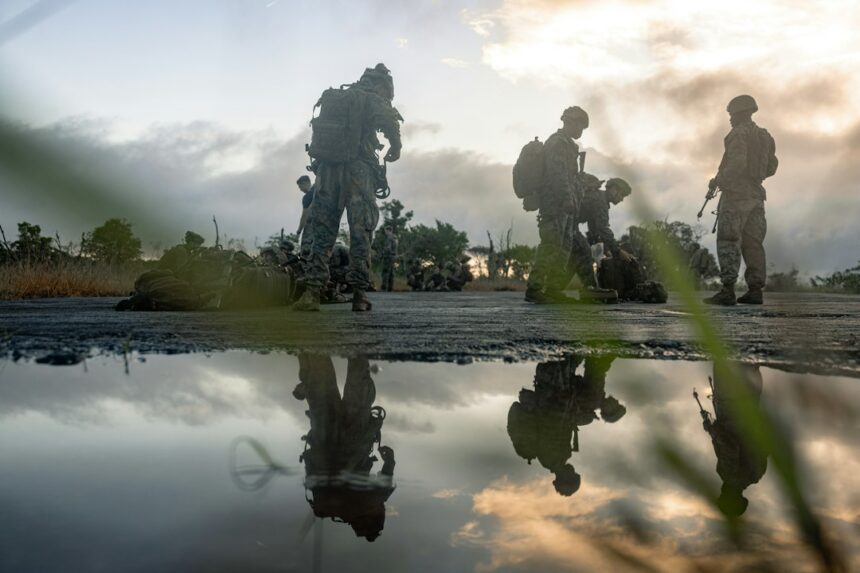
The sterile hum of the briefing room was a stark contrast to the storm brewing outside the confines of this heavily guarded base. For the select few operators of Naval Special Warfare Development Group, more commonly known as SEAL Team Six, the air crackled with an unspoken gravity. They were here not for a routine training exercise, not for a familiar counter-terrorism scenario, but for something that would echo through history. The mission was codenamed “Operation Neptune Spear,” and the target: Osama bin Laden. The selection process for the operators who would undertake this unprecedented raid was as rigorous, precise, and unforgiving as the SEALs themselves. It was a crucible, designed to forge an unstoppable team from the finest material the Naval Special Warfare Command had to offer.
The Unprecedented Nature of the Mission
The announcement of the objective sent a ripple of profound seriousness through the already hardened operators. Osama bin Laden, the architect of 9/11, a phantom for over a decade, was believed to be within a heavily fortified compound in Abbottabad, Pakistan. This was not a battlefield where traditional rules of engagement applied. This was a covert operation, deep within the territory of a nation that was technically an ally, yet inherently complex and potentially hostile. The stakes were astronomically high. Failure would not only mean the loss of invaluable lives but also a colossal diplomatic and geopolitical fallout. Success, however, would be a monumental victory, a catharsis for a nation scarred by tragedy.
The Strategic Imperative
The elimination of Osama bin Laden was more than just a retaliatory act; it was a strategic imperative. His continued existence as the figurehead of al-Qaeda posed an ongoing threat, inspiring terrorist activities and undermining global security. The intelligence, painstakingly gathered over years, suggested his presence in Abbottabad was not fleeting. The opportunity, if it was indeed him, was fleeting and demanded immediate, decisive action. The political will, galvanized by years of pursuing this elusive enemy, was at its zenith. This mission was the culmination of a sustained, global manhunt.
The Geopolitical Tightrope
Operating in Pakistan, a nuclear-armed nation and a perceived ally, presented a delicate geopolitical tightrope. The mission had to be executed with the utmost stealth and secrecy to avoid alerting Pakistani authorities until after the fact, thereby preventing any potential interference or escalation. This added layers of complexity to every aspect of planning, from insertion and extraction routes to contingency plans for capture or engagement with local forces. The potential for a regional crisis was very real.
The selection of SEAL Team Six for the operation in Abbottabad was a pivotal moment in the hunt for Osama bin Laden, showcasing the elite unit’s extensive training and operational readiness. For a deeper understanding of the factors that led to their selection and the intricacies of the mission, you can read a related article that explores the strategic decisions made by military leaders during this critical operation. For more insights, visit this article.
The Foundation of Excellence: SEAL Team Six’s Reputation
By the time Operation Neptune Spear was conceived, SEAL Team Six had already cemented its legendary status. For decades, they had been the tip of the spear in the most sensitive and dangerous counter-terrorism operations globally. Their reputation was not built on hyperbole but on a consistent track record of success in situations where failure was not an option. This reputation was a testament to their relentless training, unparalleled dedication, and the highly selective nature of their recruitment.
A Legacy of Elite Operations
The history of SEAL Team Six is a tapestry woven with daring raids, hostage rescues, and the neutralization of high-value targets. From the rescue of Captain Phillips to operations against some of the world’s most notorious terrorists, their past missions provided a proven framework for confronting the seemingly impossible. Each successful operation added to the legend, attracting the most driven and capable individuals to their ranks.
The Unwritten Code of Conduct
Beyond physical prowess, SEAL Team Six operatives are bound by an unwritten code of conduct emphasizing unwavering loyalty, absolute discretion, and a profound sense of duty. These are not just words; they are ingrained principles that guide their actions in the face of extreme stress and moral ambiguity. The selection process meticulously scrutinizes for individuals who embody this ethos, understanding that the mission’s success hinges as much on character as on capability.
The Rigorous Selection Criteria: Beyond Physical Prowess
The selection process for any SEAL Team Six operation is not a singular event but a multi-faceted evaluation that begins long before the mission is even assigned. For Abbottabad, this process was amplified, scrutinizing for specific traits and skills that would be paramount in such a high-stakes, complex environment. It was about identifying the individual threads that, when woven together, would form an unbreakable tapestry of competence and resilience.
Psychological Fortitude and Mental Acuity
The ability to remain calm, focused, and decisive under extreme duress was paramount. Operators were evaluated on their resilience to stress, their ability to process complex information rapidly, and their capacity for independent problem-solving in chaotic situations. Psychological assessments, interviews, and observation during simulated high-pressure scenarios were integral to this evaluation. The mental game was as critical as the physical.
Tactical Proficiency and Specialized Skills
While all SEALs possess exceptional tactical skills, the Abbottabad mission demanded a specific set of proficiencies. This included advanced marksmanship, close-quarters combat expertise, intelligence gathering, and infiltration techniques. The ability to operate in a covert manner, with minimal collateral damage, and to adapt to unforeseen circumstances was heavily weighed. Specialized skills in areas like explosives ordnance disposal or advanced medical support were also crucial considerations.
Team Cohesion and Interpersonal Dynamics
No SEAL Team Six operation is a solo endeavor. The success of Neptune Spear depended on the seamless integration and synchronized actions of every team member. The selection process meticulously assessed an operator’s ability to function within a team, their communication skills, their leadership potential, and their capacity to trust and be trusted implicitly. Teamwork was not just a buzzword; it was the bedrock of their operational capability.
The Art of Team Assembly: Crafting the Abbottabad Unit
The selection of the specific operators who would comprise the assault element for Operation Neptune Spear was a meticulously orchestrated process. It wasn’t about picking the “best” individual operator, but about assembling the best team – a synergistic unit where each member’s strengths complemented the others, creating a force greater than the sum of its parts.
The Commander’s Vision
The ultimate responsibility for selecting the team rested with the commander of SEAL Team Six. This was not a decision made in isolation. He would have consulted with his senior leadership, drawing on their extensive knowledge of individual operators’ performance, reliability, and suitability for the unique demands of the mission. The commander’s vision for the team’s composition, considering the mission’s objectives and potential contingencies, was the guiding principle.
Matching Skills to the Objective
The compound in Abbottabad was a unique challenge. Intelligence suggested it was heavily fortified and potentially occupied by armed guards. The assault team needed a diverse range of skills to overcome these obstacles. This meant selecting operators with expertise in breaching, surveillance, direct action, and potentially hostage rescue, should that contingency arise. The team had to be a Swiss Army knife of special operations capabilities.
The Importance of Trust and Familiarity
While new operators are constantly integrated into SEAL Team Six, for a mission of this magnitude, a degree of familiarity and established trust among team members was highly desirable. Operators who had deployed together previously, who understood each other’s operational tempos and decision-making processes, would have a distinct advantage. This existing cohesion could significantly reduce friction and enhance efficiency under pressure.
The selection of SEAL Team Six for the operation in Abbottabad was a pivotal moment in the hunt for Osama bin Laden, showcasing the elite unit’s extensive training and experience in high-stakes missions. Factors such as their previous successes and specialized skills played a crucial role in this decision. For a deeper understanding of the strategic considerations behind this choice, you can read more in this insightful article on the topic. The analysis provides context on how such elite teams are prepared for critical operations and the implications of their missions. You can find the article here: related article.
The Intensive Preparation: Forging the Neptune Spear Team
Once the core team was assembled, the intensity of their training escalated exponentially. The preparation for Operation Neptune Spear was unlike anything they had experienced before. It was a period of relentless simulation, meticulous planning, and the fine-tuning of every conceivable aspect of the mission.
Building the Compound Replica
A life-sized replica of the Abbottabad compound was constructed at a classified training facility. This allowed the operators to physically walk through the compound, familiarize themselves with its layout, potential entry points, and interior spaces. Every detail, from the number of rooms to the types of obstacles, was painstakingly recreated based on the latest intelligence. This was their proving ground, where they would rehearse the raid countless times.
Scenario-Based Drills and Contingency Planning
The operators engaged in an exhaustive series of scenario-based drills, simulating every conceivable turn of events. This included scenarios involving unexpected resistance, equipment malfunctions, civilian presence, and potential engagement with Pakistani forces. Contingency plans were developed and rehearsed for every eventuality, ensuring that the team could adapt and react effectively, regardless of what they encountered.
Psychological Reinforcement and Stress Inoculation
Beyond the physical and tactical preparation, significant effort was dedicated to the psychological reinforcement of the team. This involved continuing psychological evaluations, stress inoculation training, and debriefing sessions to ensure the operators were mentally prepared for the immense pressure and emotional weight of the mission. The objective was to build unwavering mental fortitude, enabling them to execute their mission flawlessly, even in the face of the unimaginable. The selection and preparation for Abbottabad were a testament to the extraordinary dedication, skill, and resolve of the men of SEAL Team Six, an unbroken chain forged in the crucible of extreme duty.
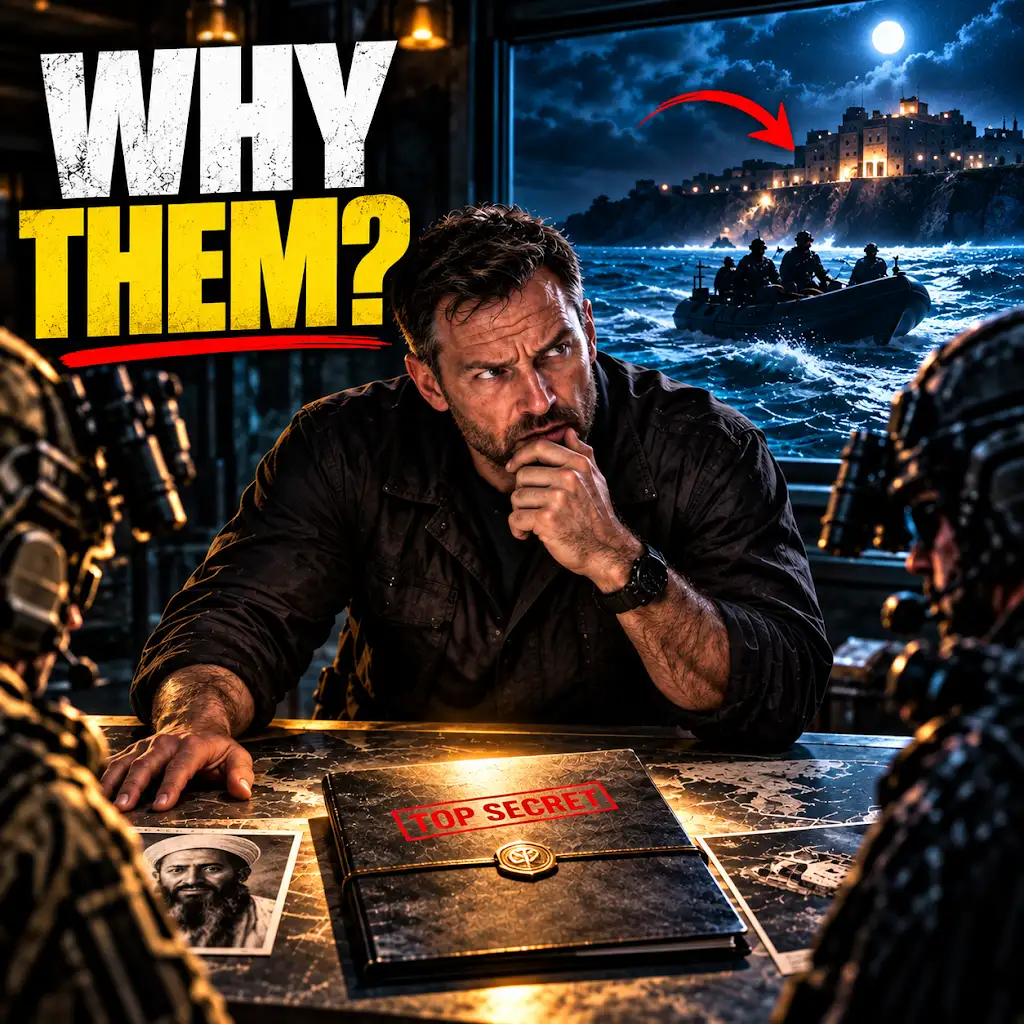
Why SEAL Team Six Got the Bin Laden Raid — Not Delta Force
FAQs