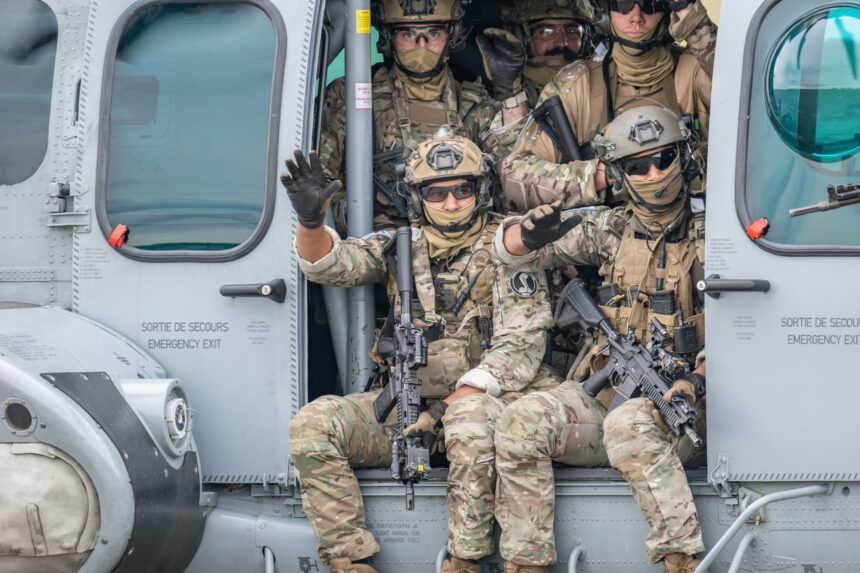
Joint Special Operations Command (JSOC) units, operating under the cloak of utmost secrecy, played a pivotal and often unacknowledged role in the protracted conflicts in Iraq and Afghanistan. These elite formations, comprising the most capable and rigorously trained special operations forces from the Army, Navy, Air Force, and Marine Corps, were deployed to address the most complex and dangerous challenges faced by the United States. Their missions, characterized by precision, lethality, and a relentless pursuit of high-value targets, aimed to dismantle terrorist networks, disrupt insurgent operations, and shape the battlefield in ways that conventional forces often could not. The sheer scale and intensity of JSOC’s involvement, spanning over two decades, underscore their critical importance in shaping the outcomes of these wars, even as the full extent of their activities remains largely classified.
The Genesis of JSOC’s Role: From Counterterrorism to Counterinsurgency
The operations of JSOC in Iraq and Afghanistan were not a static endeavor; they evolved significantly in response to the changing dynamics of these conflicts. Initially, the primary focus for JSOC units, particularly after the September 11th attacks, was the pursuit and elimination of Al-Qaeda leadership and operatives. This emphasis on counterterrorism was the bedrock upon which much of their early involvement in both theaters was built. However, as the conflicts deepened and morphed from conventional warfare into complex insurgencies, JSOC’s mandate broadened. They transitioned from solely targeting terrorists to actively disrupting and degrading insurgent forces, often in direct support of coalition and host nation efforts.
Early Counterterrorism Efforts: Hunting Al-Qaeda
The initial phase of JSOC’s engagement in both Iraq and Afghanistan was heavily dictated by the imperative to dismantle Al-Qaeda and its affiliates. Following the invasion of Afghanistan in 2001, JSOC units, including Delta Force and SEAL Team Six, were deployed to hunt down Osama bin Laden and his top lieutenants. This was a high-stakes game of cat and mouse, conducted in rugged and unforgiving terrain, often with limited intelligence and under extreme pressure. The initial successes in Afghanistan, while not fully eradicating Al-Qaeda, significantly degraded its operational capacity and leadership structure.
The Tora Bora Offensive and its Aftermath
A hallmark of these early counterterrorism efforts was the Tora Bora offensive in late 2001. JSOC operators, working alongside Afghan allies, engaged in fierce combat against entrenched Al-Qaeda fighters. While the operation yielded significant results in terms of battlefield success, the ultimate escape of bin Laden and some of his key associates would cast a long shadow, necessitating continued and intensified efforts to track and neutralize remaining threats.
Post-Invasion Iraq: Targeting Saddam’s Inner Circle and Al-Qaeda in Iraq (AQI)
In Iraq, the initial focus post-2003 invasion was on the remnants of Saddam Hussein’s regime and the nascent Al-Qaeda in Iraq (AQI), which would later evolve into ISIS. JSOC units conducted a relentless campaign to capture or kill key figures, disrupting any organized resistance and preventing the emergence of a stable, post-Saddam government. This period saw a surge in intelligence-driven operations, leveraging every available asset to identify and eliminate threats.
The Shift to Counterinsurgency: Adapting to a New Battlefield
As the security situation in both Iraq and Afghanistan deteriorated into widespread insurgencies, JSOC’s operational tempo and strategic objectives adapted. The focus shifted from solely targeting individuals to disrupting the networks that supported them, interdicting supplies, dismantling propaganda operations, and degrading the enemy’s ability to conduct attacks. This required a more nuanced understanding of the local populations, tribal dynamics, and the political landscape.
Intelligence Fusion and Target Development
A critical component of JSOC’s success in counterinsurgency was its sophisticated intelligence fusion capabilities. They integrated information from a vast array of sources, including human intelligence, signals intelligence, imagery intelligence, and open-source information, to develop highly accurate target packages. This meticulous process ensured that operations were precise and minimized collateral damage, while maximizing the impact on enemy capabilities.
Night Operations and Precision Strikes
JSOC became renowned for its proficiency in night operations, a tactic that provided a significant advantage against an enemy often operating under the cover of darkness. These operations, executed with surgical precision using helicopters and specialized aircraft, allowed for the rapid insertion and extraction of operators, minimizing exposure and maximizing surprise. The ability to conduct highly targeted strikes against insurgent leaders and facilitators had a profound impact on the enemy’s morale and operational cohesion.
The Joint Special Operations Command (JSOC) has played a pivotal role in the military operations in Iraq and Afghanistan, focusing on counter-terrorism and high-value target missions. For a deeper understanding of JSOC’s strategies and operations in these regions, you can explore a related article that delves into the complexities and challenges faced by special operations forces. For more insights, visit In the War Room.
Operational Modus Operandi: Precision, Secrecy, and Innovation
The operational methods employed by JSOC were as distinctive as the forces themselves. Central to their success was a culture of meticulous planning, ruthless execution, and an unwavering commitment to achieving mission objectives, regardless of the inherent risks. Secrecy was paramount, not only to protect ongoing operations but also to safeguard the lives of their operators and preserve their operational advantage.
Stealth and Surprise: The Art of the Unseen
JSOC operations were characterized by their stealth and surprise. Operators would often move in the dead of night, utilizing the cover of darkness and advanced technological capabilities to infiltrate enemy-held areas undetected. The element of surprise was a critical force multiplier, allowing them to achieve overwhelming combat power before the enemy could react. This often involved HALO (High Altitude, Low Opening) jumps, helicopter assaults, and covert insertion via small boats or ground vehicles.
Night Vision and Advanced Technology
The pervasive use of night vision technology was a cornerstone of JSOC’s night operations. Advanced infrared sights, thermal imagers, and low-light amplification systems allowed operators to see and operate effectively in near-total darkness. This technological advantage, coupled with extensive training, enabled them to navigate complex terrain and identify targets with remarkable accuracy, even under the most challenging conditions.
Psychological Impact of Unseen Operations
The psychological impact of unseen operations on enemy forces cannot be overstated. The knowledge that highly capable operators could appear and disappear without warning, striking at any moment, fostered a sense of constant vulnerability and fear. This psychological pressure contributed to the degradation of enemy morale and their ability to sustain operations.
Intelligence-Driven Operations: The Power of Accurate Information
JSOC’s operational success was inextricably linked to its ability to develop and act upon accurate, actionable intelligence. Their intelligence apparatus was exceptionally robust, drawing from a vast network of sources and employing sophisticated analytical techniques to identify high-value targets and understand enemy intentions.
Human Intelligence (HUMINT) and Sources Development
While technology played a significant role, the development and cultivation of human intelligence sources remained a critical component of JSOC’s intelligence gathering. Operators, often embedded with local populations or working through trusted intermediaries, built relationships and gathered information that provided invaluable insights into enemy movements, plans, and leadership.
Signals Intelligence (SIGINT) and Electronic Warfare
Signals intelligence played a crucial role in intercepting enemy communications, providing real-time information on their activities and intentions. JSOC units also employed sophisticated electronic warfare capabilities to disrupt enemy communications and surveillance, further enhancing their operational advantage and preventing the enemy from coordinating their actions effectively.
Precision Engagement: Minimizing Collateral Damage and Maximizing Impact
A hallmark of JSOC operations was their commitment to precision engagement. The goal was always to neutralize the intended target with the utmost accuracy, minimizing the risk of collateral damage to civilians and allied forces. This was achieved through meticulous planning, advanced targeting technologies, and the highly disciplined execution of missions by specially trained operators.
Rules of Engagement (ROE) and Ethical Considerations
While operating in high-intensity combat zones, JSOC units adhered to strict Rules of Engagement (ROE) and complex ethical considerations. The emphasis on precision was not just a tactical imperative but also a moral one, aimed at maintaining public support and preventing the alienation of local populations, which could inadvertently fuel the insurgency.
Post-Strike Analysis and Continuous Improvement
Following each operation, JSOC conducted rigorous post-strike analysis to assess the effectiveness of their actions, identify any unintended consequences, and refine their tactics, techniques, and procedures (TTPs). This culture of continuous improvement was essential for maintaining their edge against evolving threats.
Key JSOC Units and Their Roles
JSOC is not a monolithic entity but rather a command structure that oversees several highly specialized units. Each of these units possesses unique capabilities and has contributed to JSOC’s overarching mission in Iraq and Afghanistan in distinct ways.
Delta Force (1st Special Forces Operational Detachment-Delta)
Delta Force, often referred to as the “Operators,” is arguably the most recognizable and feared JSOC unit. Its primary mission is direct action, counterterrorism, hostage rescue, and special reconnaissance. In Iraq and Afghanistan, Delta Force operators were responsible for some of the most daring and high-stakes missions, including the capture of high-value terrorists and the neutralization of critical enemy leaders.
Direct Action Missions and High-Value Target (HVT) Operations
Delta Force’s direct action missions were designed for maximum impact. These operations involved rapid assaults on fortified enemy positions, the capture of key individuals, and the seizure of critical intelligence. Their HVTs included leaders of Al-Qaeda, AQI, and the Taliban, whose elimination or capture significantly disrupted enemy operations and planning.
Hostage Rescue Operations
While less publicized in these specific conflicts, Delta Force’s capability in hostage rescue was a constant deterrent. The potential for JSOC intervention in hostage situations was a critical factor in ensuring the safety of individuals captured by extremist groups.
SEAL Teams (Naval Special Warfare Development Group – DEVGRU, formerly SEAL Team Six)
DEVGRU, commonly known as SEAL Team Six, is the premier maritime special operations force and is a key component of JSOC. While its maritime origins are evident, DEVGRU’s operational scope extends far beyond waterborne operations. They are highly proficient in direct action, counterterrorism, special reconnaissance, and personnel recovery, operating in all environments.
Maritime Operations and Coastal Infiltration
In Afghanistan, DEVGRU was instrumental in conducting operations along the coast and in riverine environments. This included interdicting smuggling routes, disrupting enemy logistics, and conducting direct action missions against coastal targets.
Counterterrorism Operations in Diverse Environments
DEVGRU’s versatility allowed them to execute counterterrorism missions across a wide range of environments, from arid deserts to mountainous regions. Their highly specialized training and equipment enabled them to operate effectively in any conditions, making them a formidable force against elusive enemies.
75th Ranger Regiment
The 75th Ranger Regiment, while a component of the U.S. Army Special Operations Command (USASOC), falls under JSOC’s operational control for specific missions. Rangers are known for their rapid deployment capabilities and proficiency in direct action raids, reconnaissance, and airfield seizures.
Raids and Reconnaissance Missions
Rangers frequently conducted raids on enemy positions to gather intelligence, capture enemy combatants, or disrupt enemy operations. Their ability to rapidly deploy and execute complex missions made them an invaluable asset in both theaters, often serving as the initial assault force or in support of other JSOC units.
Securing Key Infrastructure and Objectives
In situations where rapid seizure of key infrastructure was critical, such as airfields or critical supply points, Rangers were often the primary force. Their speed and aggressive tactics allowed them to gain control of objectives before enemy forces could effectively react or reinforce.
Challenges and Controversies: The Unseen Costs of Elite Operations
Despite their undeniable effectiveness, JSOC operations in Iraq and Afghanistan were not without their significant challenges and controversies. The inherent nature of their missions, often conducted in high-stakes environments with limited oversight, led to scrutiny and debate regarding the ethical implications, collateral damage, and the long-term consequences of their actions.
Civilian Casualties and Collateral Damage
One of the most persistent and sensitive issues surrounding JSOC operations was the occurrence of civilian casualties and collateral damage. While the emphasis on precision aimed to minimize these incidents, the complex and often chaotic nature of combat environments meant that unintended harm to non-combatants could occur. These incidents, even when isolated, could have a significant negative impact on public perception and fuel resentment.
The Dilemma of Target Identification in Complex Environments
Identifying targets accurately in densely populated areas or in environments where combatants mingled with civilians presented a profound challenge. The pressure to act decisively against immediate threats, coupled with imperfect intelligence, could lead to tragic errors in target identification.
Impact on Local Populations and Insurgency Recruitment
Incidents of civilian casualties could serve as a potent propaganda tool for insurgent groups, used to inflame local populations and drive recruitment. This created a difficult dilemma for JSOC, where the need to neutralize threats had to be balanced against the imperative to avoid alienating the very populations they were seeking to protect.
The Strain on Operators: Psychological and Physical Toll
The intense operational tempo, constant exposure to danger, and the psychological weight of their missions placed an immense strain on JSOC operators. These elite warriors were often deployed for extended periods, operating under extreme stress and witnessing the harsh realities of war firsthand.
Post-Traumatic Stress Disorder (PTSD) and Mental Health
The cumulative effects of these experiences contributed to higher rates of Post-Traumatic Stress Disorder (PTSD) and other mental health challenges among operators. The demanding nature of their work and the stigma surrounding mental health issues within the military often made seeking help difficult.
The “Forever War” and Operator Burnout
The prolonged nature of the wars in Iraq and Afghanistan, often referred to as the “forever wars,” contributed to operator burnout. Repeated deployments and the relentless nature of the missions took a significant toll on individuals and families, leading to questions about sustainability and the long-term impact on the special operations forces community.
Oversight and Accountability: Balancing Secrecy and Transparency
The highly classified nature of JSOC operations created inherent challenges in terms of oversight and accountability. While essential for operational security, the lack of transparency raised concerns about potential abuses and the need for robust mechanisms to ensure that these powerful forces were operating within legal and ethical boundaries.
The Role of Congressional Oversight Committees
Congressional oversight committees played a crucial role in attempting to provide a check on JSOC operations. However, the classified nature of much of the information made effective oversight a complex and often challenging endeavor.
Internal Review Processes and Inspector Generals
Internal review processes and the work of Inspectors General were also vital in identifying shortcomings and ensuring adherence to regulations. However, the scale and scope of JSOC’s global operations meant that comprehensive oversight remained a perpetual challenge.
The Joint Special Operations Command (JSOC) has played a pivotal role in the military operations in both Iraq and Afghanistan, showcasing the complexities and challenges faced by special forces in modern warfare. For a deeper understanding of these operations and their implications, you can explore a related article that provides insightful analysis and firsthand accounts. This resource can be found at this link, where you will discover more about the strategic decisions and missions undertaken by JSOC in these conflict zones.
Legacy and Evolution: The Enduring Impact of JSOC Operations
The impact of JSOC operations in Iraq and Afghanistan extends far beyond the immediate battlefield outcomes. These operations have shaped the evolution of special operations forces globally, influencing doctrine, training, and the very understanding of modern warfare. The lessons learned, both positive and negative, continue to inform current and future military strategies.
The Rise of Precision Warfare and Asymmetric Conflict
JSOC’s success in Iraq and Afghanistan contributed to the broader shift towards precision warfare and the increasing importance of asymmetric conflict strategies. Their ability to achieve significant results with small, highly capable units demonstrated the effectiveness of targeted operations against determined adversaries, influencing how military forces approach unconventional threats.
Lessons for Future Counterterrorism and Counterinsurgency Campaigns
The extensive experience gained by JSOC in these conflicts provided invaluable lessons for future counterterrorism and counterinsurgency campaigns. These lessons have informed the development of new tactics, technologies, and approaches to dealing with complex, irregular warfare scenarios.
The Future of Special Operations Forces
The operations of JSOC in Iraq and Afghanistan have undoubtedly shaped the future of special operations forces. The emphasis on intelligence-driven operations, technological integration, and the ability to operate in complex environments has become standard for elite units across the globe. The continued evolution of threats will undoubtedly necessitate further adaptation and innovation from these indispensable forces.
Adaptability and Resilience in a Changing World
The enduring legacy of JSOC operations is one of adaptability and resilience. In the face of evolving threats and complex geopolitical landscapes, these elite forces have consistently demonstrated their ability to meet the most demanding challenges, safeguarding national interests and projecting American power in the most critical of circumstances. The lessons from Iraq and Afghanistan will continue to guide their path as they confront the uncertainties of the future.
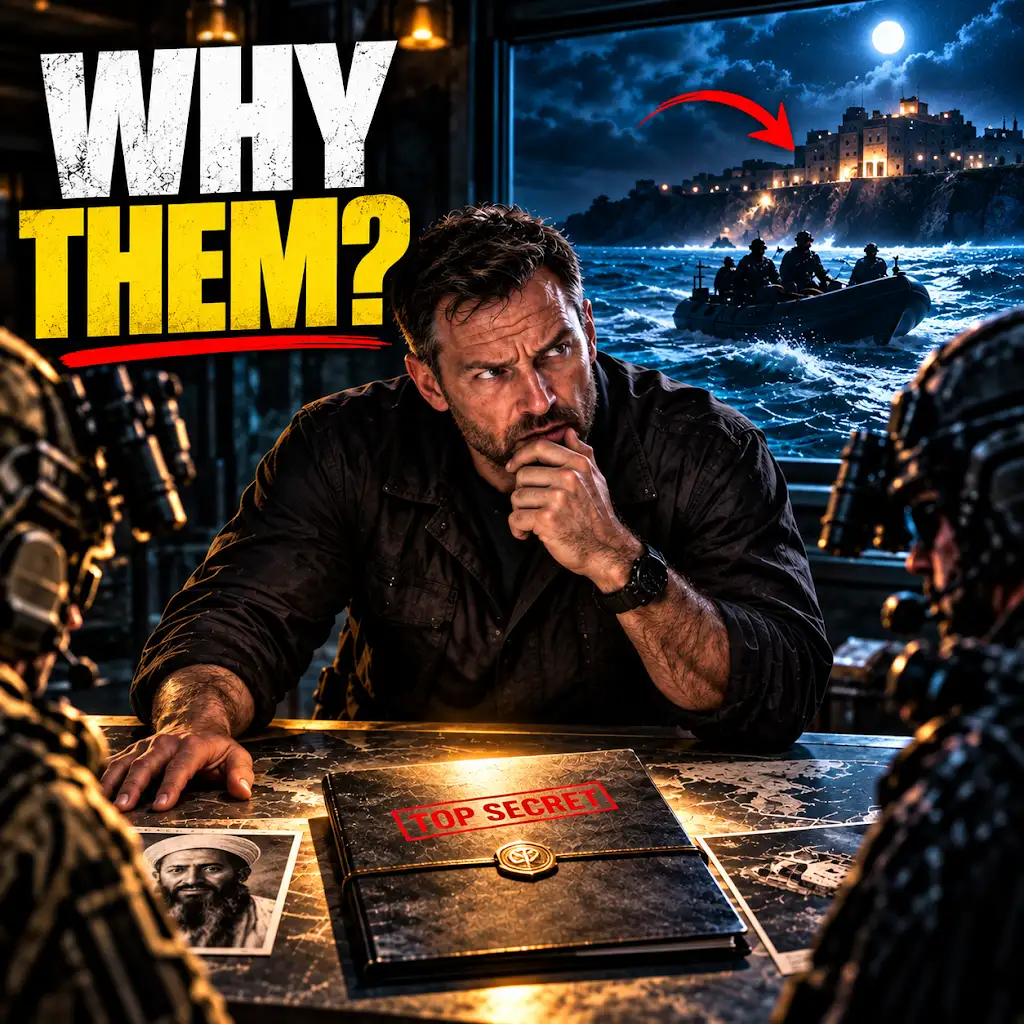
Why SEAL Team Six Got the Bin Laden Raid — Not Delta Force
FAQs
What is JSOC?
JSOC stands for Joint Special Operations Command, which is a component command of the United States Special Operations Command (USSOCOM). It is responsible for overseeing special operations forces from all branches of the U.S. military.
What is the role of JSOC in Iraq and Afghanistan?
JSOC has been heavily involved in conducting special operations missions in both Iraq and Afghanistan. These missions include counterterrorism operations, high-value target raids, and intelligence gathering to support U.S. military objectives in the region.
How does JSOC operate in Iraq and Afghanistan?
JSOC operates in close coordination with other U.S. military units, intelligence agencies, and partner forces in Iraq and Afghanistan. They often work in small, highly trained teams to carry out precision strikes and capture or kill high-value targets.
What are some notable operations conducted by JSOC in Iraq and Afghanistan?
JSOC has been involved in several high-profile operations in Iraq and Afghanistan, including the capture of Saddam Hussein in Iraq and the raid that killed Osama bin Laden in Pakistan. These operations demonstrate the elite capabilities of JSOC forces.
What is the significance of JSOC’s operations in Iraq and Afghanistan?
JSOC’s operations in Iraq and Afghanistan have been instrumental in disrupting terrorist networks, capturing key leaders, and supporting U.S. military efforts in the region. Their specialized skills and capabilities have made them a critical asset in the fight against terrorism.